The Digital AI Twin Dilemma: Mirror, Mirror, on the Wall — What’s the Cost of Waiting After All?
If Narcissus were born today, he might not have gazed longingly into a pond, - he’d fall head over heels for his “digital twin”: a hyper‑real, AI‑powered replica that predicts his every move before it happens. No more flinging yourself into lakes; just endless fascination with your virtual doppelgänger.

Digital twins have leapt far beyond their industrial roots and have been around for years. But recent advances in AI brings it front and center again. Once the exclusive domain of heavy manufacturing and aerospace, they’ve become dynamic, data‑driven avatars of machines, buildings, organizations, processes, - even entire cities, able to simulate, predict, and optimize in real time. Yet most executives still ask: Should we buy a turnkey vendor platform, stitch together open‑source frameworks, or build our own bespoke twin? That decision is poised to land in boardrooms everywhere in the next few years and the stakes couldn’t be higher.
Approaching Psychohistory: Hari Seldon and Digital Twins
As a longtime fan of Isaac Asimov’s Foundation series, I’ve often wondered, only half in jest, if our advancements in digital twins and predictive AI are quietly edging us closer to Hari Seldon’s concept of Psychohistory. Seldon’s grand cosmic model, essentially a digital twin of humanity itself, famously required a minimal threshold of population and data complexity to maintain its uncanny accuracy. Similarly, today’s digital twin technology thrives once a critical mass of data points and interconnected systems is reached; too small, and predictions remain whimsical rather than wise.

While I’m not suggesting we’re quite ready to predict humanity’s next millennium, the parallels are compelling. Like Hari’s mathematical thresholds, modern digital twins demand a baseline scale of complexity and data fidelity to reliably forecast outcomes, - whether it’s the uptime of a factory, the traffic flow in a smart city, or perhaps, someday, even broader societal patterns. Maybe Hari was onto something after all, - or perhaps my love of the series is showing a bit too clearly.
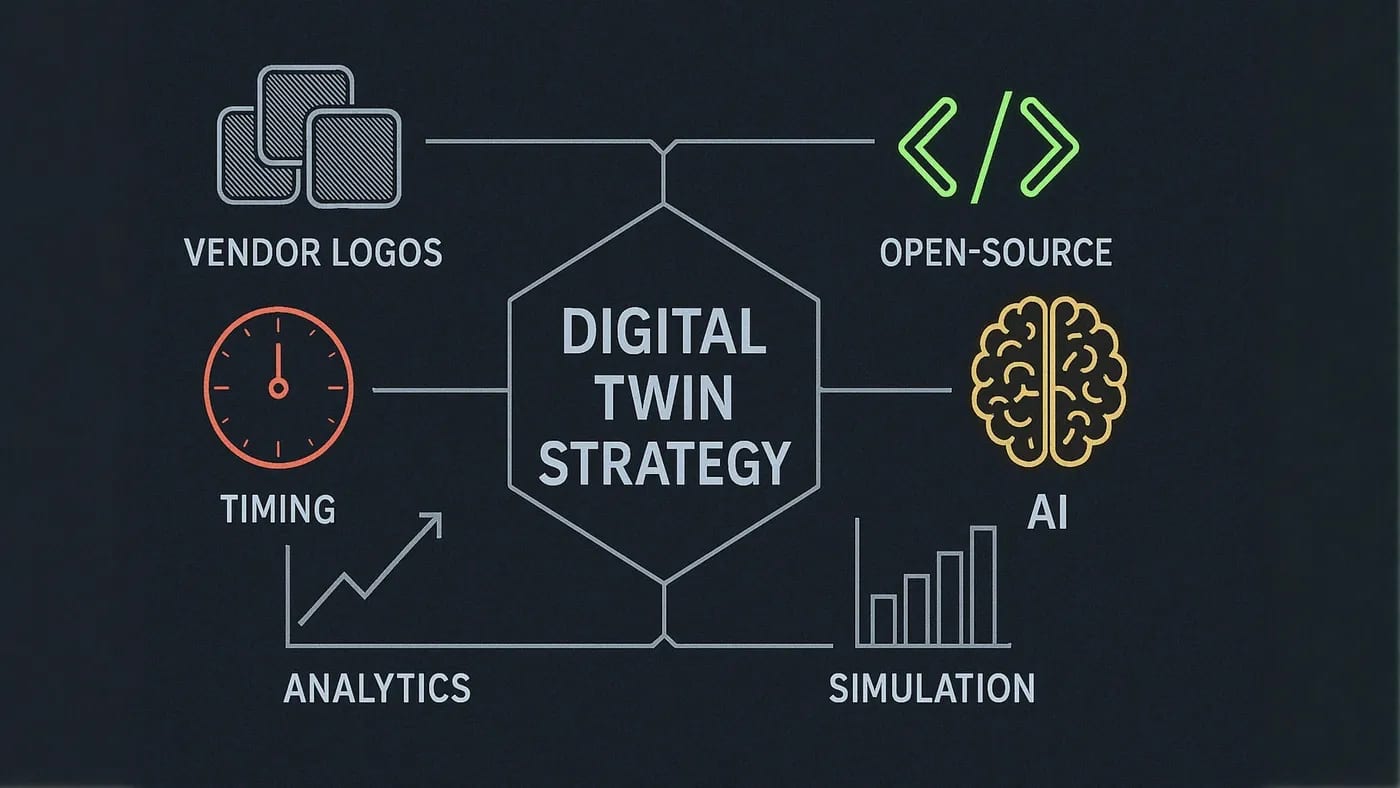
In this article, we’ll:
-
Compare some of the big-name vendors (Ansys, Microsoft, Siemens, Dassault, GE, and more) to see where they shine, - and where they force you into their mold.
-
Unpack the rising wave of open‑source toolkits (Eclipse Ditto, Asset Administration Shell, Snap4City, iModel.js, and others) that let you assemble cross‑industry digital twins without paying hefty license fees.
-
Show why AI is the latest “secret sauce” from predictive maintenance powered by machine learning to generative AI that automates “what‑if” scenarios, - making your twin not just a mirror, but a smart advisor.
-
Highlight the hidden cost of hesitation: how delaying your digital twin journey risks vendor lock‑in, talent gaps, and scrambling for expensive catch‑up solutions down the road.
By the end of this article, you’ll have a clear roadmap for tech leaders, - whether you’re ready to pilot your own open‑source twin, kick off an agile build‑versus‑buy evaluation, or simply grasp why starting NOW is the smartest move you can make. After all, in a world ablaze with data and AI, the only thing worse than flying blind is watching your competitors jet off while you’re still packing your bags.
Open-Source Digital Twin Toolkits: Build-Your-Own Innovation
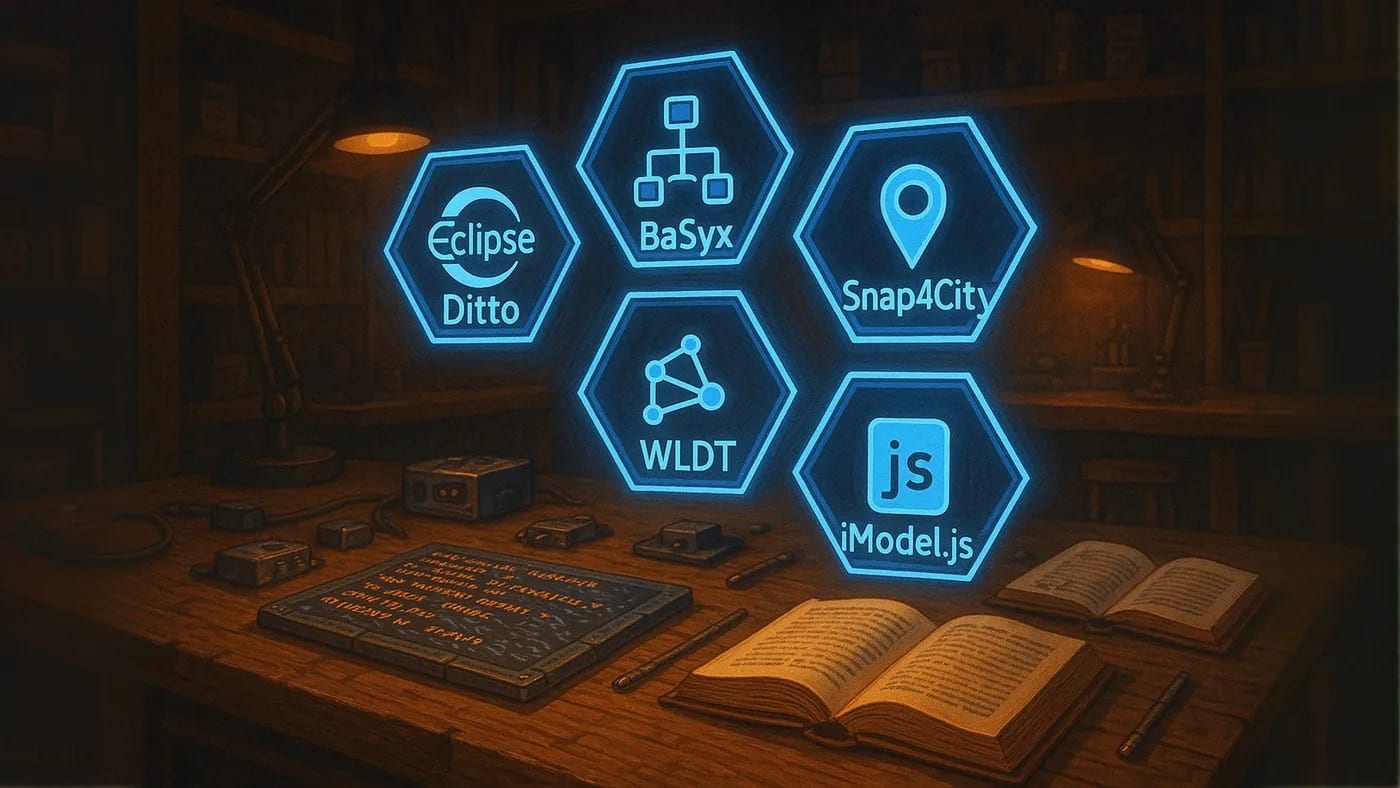
Enterprise DIY: A wave of open-source frameworks now empowers companies to develop custom digital twin systems in-house. A 2024 survey identified 14 such open-source digital twin (DT) frameworks across various domains from IoT device twins to full 3D city models, - each offering different capabilities and use-case focus (pure.au.dk). This abundance means tech teams can pick and mix tools to craft cross-industry solutions tailored to their needs. Key open-source DT platforms include:

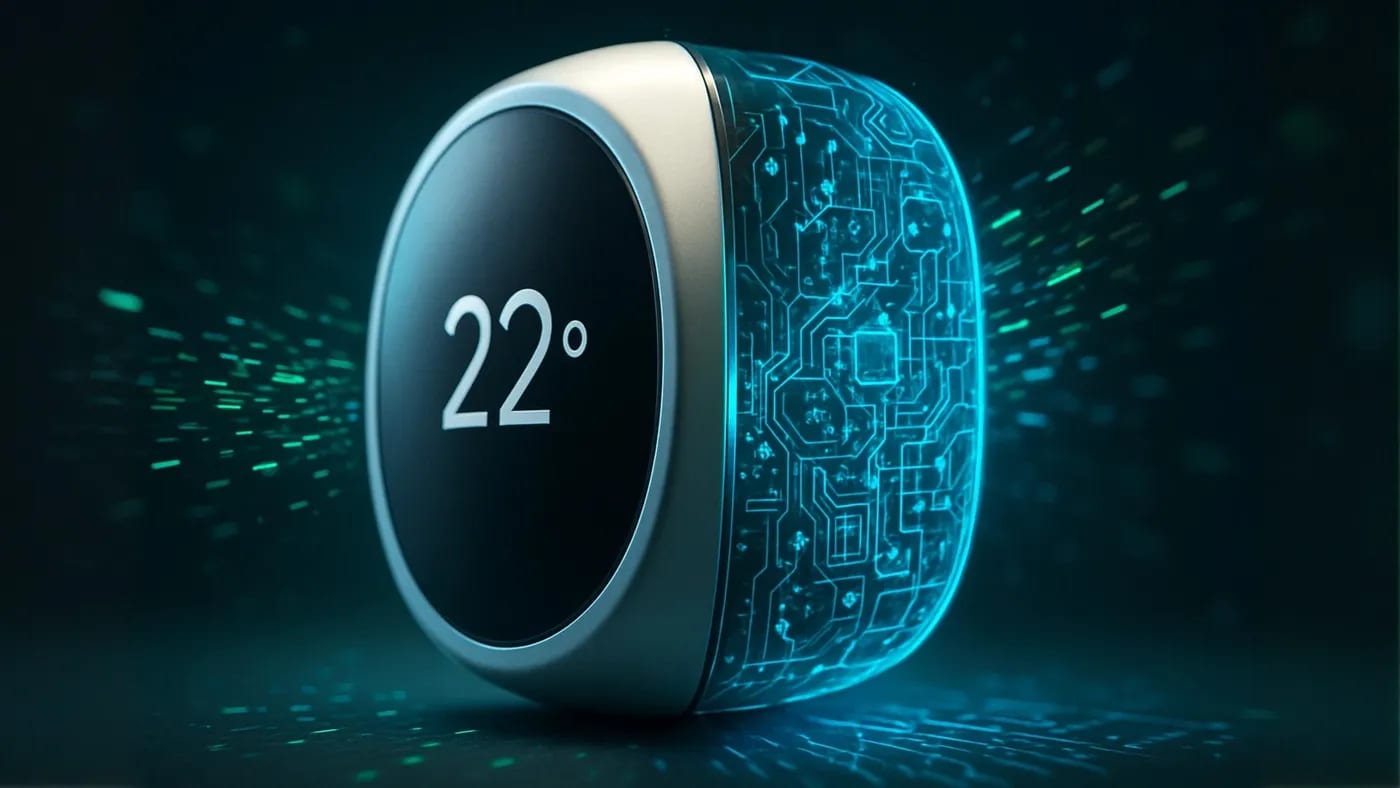
- Eclipse Ditto – An open-source IoT middleware that lets you create digital twins of internet-connected devices. It’s deliberately domain-agnostic, usable for industrial, residential, agricultural and other IoT contexts (eclipse.dev). Ditto provides a unified API to interact with physical devices via their virtual counterparts, managing state and synchronization in real-time.
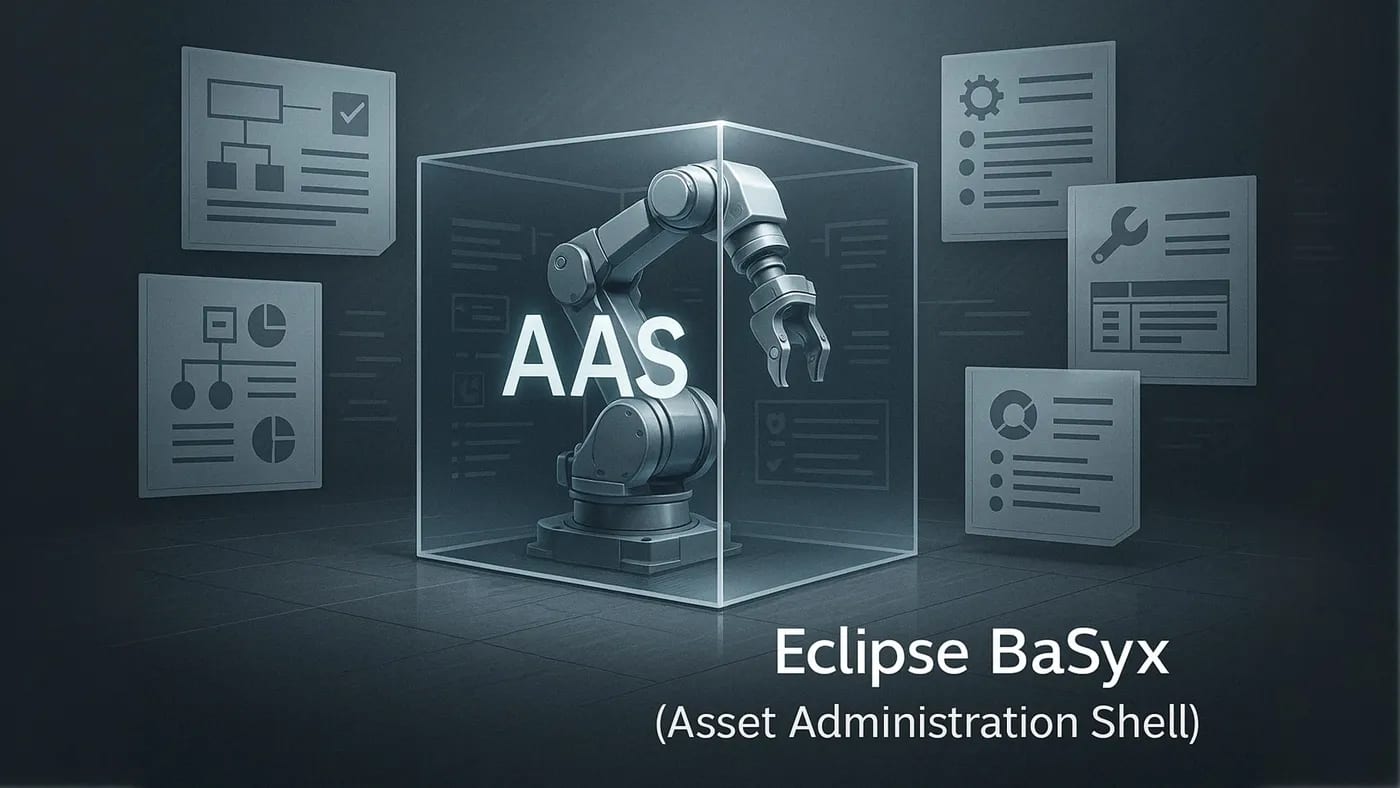
- Eclipse BaSyx (Asset Administration Shell) – An open-source Industry 4.0 platform centered on the Asset Administration Shell standard. BaSyx acts as middleware between real assets (machines, equipment) and their digital representations (basyx.org). It emphasizes interoperability and standardized data models, enabling detailed digital twins of industrial equipment with a common interface for integration. BaSyx essentially provides a base to implement standardized digital twins for manufacturing and beyond.
- Snap4City Digital Twin – A 100% open-source smart city digital twin framework (from Italy’s DISIT lab) used in multiple cities. It’s scalable, modular, and supports IoT data integration at city scale (snap4city.org). Snap4City can ingest real-time data (sensors, traffic, utilities), visualize 3D city models, and run simulations on urban scenarios. While built for smart cities, its flexible microservice architecture makes it adaptable to other large-scale, data-driven twin scenarios, industry campuses, energy grids, et cetera.

- White Label Digital Twin (WLDT) – A general-purpose library (Java) for building IoT digital twins as modular, pluggable software components. WLDT is designed with latest academic and industrial DT definitions, treating twins as “active, flexible and scalable” agents in an IoT ecosystem (wldt.github.io). Developers can use WLDT to quickly spin up digital twin instances for any physical asset, with out-of-the-box patterns for state management, messaging, and extension hooks for custom logic.
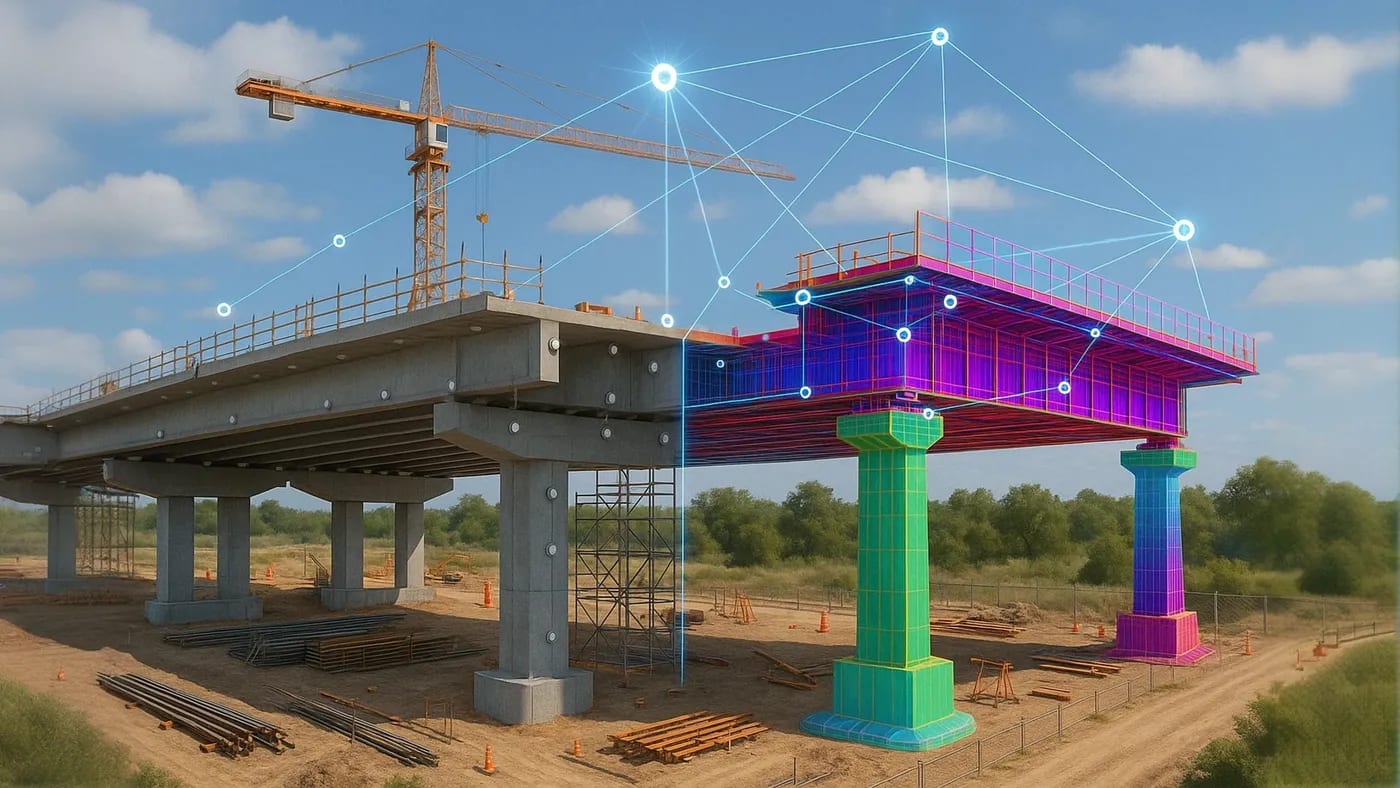
- Bentley iTwin (iModel.js) – An open-source toolkit from the infrastructure engineering world. Bentley Systems opened its iModel.js platform (now part of the iTwin platform) to let users “build their own digital twin solutions” on top of Bentley’s code (geoweeknews.com). Geared toward architecture, engineering, and construction, it enables rich 3D/ BIM models, versioned engineering data, and IoT sensor integration for infrastructure assets. While industry-specific, it underscores how even traditional vendors are embracing open-source libraries to foster custom digital twin development.
Cross-industry versatility
These toolkits illustrate that open solutions exist for virtually any context, - whether it’s factory equipment, smart cities, connected cars, or office buildings, and extend well beyond those familiar domains. Independent software vendors (ISVs), system integrators, and enterprises of all stripes can leverage these frameworks: you’re not limited to heavy industry or urban planning. With open toolkits, organizations avoid reinventing the wheel, instead assembling proven components and focusing on domain‑specific innovation. And because most open‑source DT platforms integrate seamlessly with AI/ML libraries, cloud services, and edge computing, your team has the freedom to compose a solution that precisely meets your requirements, and to evolve it over time. In short, a DIY approach with these open tools delivers a bespoke digital twin without starting from scratch, and without the hefty license fees of pre‑packaged products.
In-House vs. Vendor: Choosing Your Digital Twin Adventure
Should you build in-house with open-source or buy from a vendor? It’s a strategic tech decision with trade-offs in flexibility, cost, and long-term agility. Consider the following contrasts between a custom (open-source-powered) approach and turnkey vendor platforms:
- Customization & Flexibility: Building your own twin system grants tailor-made fit. You can model the quirks of your business processes and assets with no “one-size-fits-all” compromises. In contrast, vendor platforms provide a generic solution that may force your workflows into their mold. An in-house approach means if you need a unique data model or integration, you can code it; vendors might say “not supported” or charge extra for custom extensions.
- Innovation & Agility: Open source fosters co-innovation. Using community-developed tools means benefiting from rapid improvements and collaboration across industries. In fact, open-source digital twin software can even establish de facto standards and speed up innovation cycles through collective development (iiconsortium.org). You’re not waiting on a single vendor’s release schedule, - your team can be agile, adding features or experimenting with AI integrations whenever ready. Vendor solutions innovate too, but at the vendor’s pace; you might be stuck awaiting the next update for that critical feature. In-house development, while effort-intensive, lets you pivot fast and stay at the cutting edge. This is especially important as AI tech evolves.

- Cost & Ownership: Open-source frameworks are license-free, which can dramatically lower upfront costs. You invest primarily in engineering time and expertise, not in per-device or per-month fees. Over time, this can mean better cost-effectiveness and ROI, as noted by industry consortia, - the open approach tends to be more cost-effective and responsive to market changes over the long run (iiconsortium.org). Vendor platforms often come with substantial subscription fees or usage costs, - the price of “easy” onboarding. While they save initial development effort, you may pay a premium year after year. Moreover, building in-house means you own the IP and knowledge; you’re developing your company’s assets, not just renting someone else’s technology.

- Integration & Lock-In: A custom solution can be woven deeply into your existing IT fabric, - tailored integrations with legacy systems, databases, and bespoke software. You have full control of the data flows. With third-party platforms, integration might be limited to whatever APIs they offer, and your data could reside in their proprietary format or cloud. This raises the risk of vendor lock-in: getting “stuck” with a specific provider because migrating away would be too costly or technically difficult. Many organizations are wary of adopting a digital twin platform that limits flexibility and future scalability due to proprietary tech (linkedin.com). An open solution sidesteps that – no black boxes, and you can always modify or export your data as you see fit.
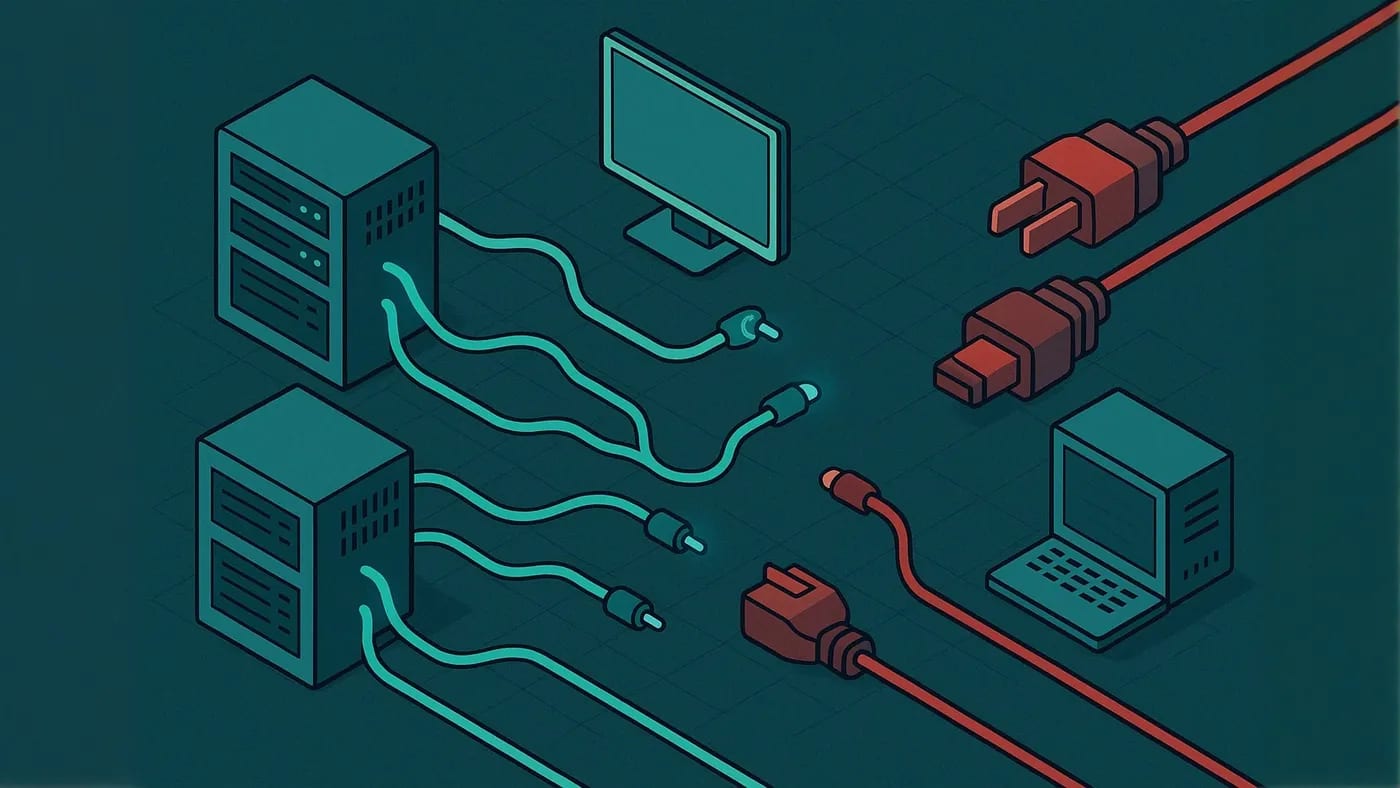
- Support & Resources: Vendor offerings usually include professional support, consulting, and a polished UI, which can accelerate initial deployment if your team lacks experience. Open-source, by contrast, relies on community support and your internal talent – which can be a challenge if the technology is new to your org. However, the gap is closing: many open projects (like Eclipse ones) have active communities and even commercial ecosystem partners. Plus, some vendors themselves now provide open-source toolkits (as Bentley did) or support open standards, meaning an in-house project doesn’t necessarily mean you’re completely on your own. In essence: with a vendor you pay for handholding and a finished product, with in-house you invest in growing your team’s expertise and capability.
Bottom line: Choosing “build” vs “buy” for digital twins comes down to strategic priorities. If you value agility, customization, and long-term tech sovereignty, the in-house route with open-source building blocks is attractive. If speed of initial deployment and guaranteed support are higher priority and budget is available, a vendor platform might fit the bill. Many leaders strike a balance, - e.g. start prototyping in-house to learn and define requirements, even as they evaluate vendor offerings. This due diligence ensures that if they do opt for a vendor, it’s a conscious choice and not a default from lack of preparedness.
The Risk of Delaying: Why Waiting Could Hurt
Perhaps the worst choice is to do nothing and “wait and see.” Delaying digital twin adoption can carry hidden long-term risks, often greater than the short-term comfort it provides. Here are the potential drawbacks of falling behind on digital twin implementation:
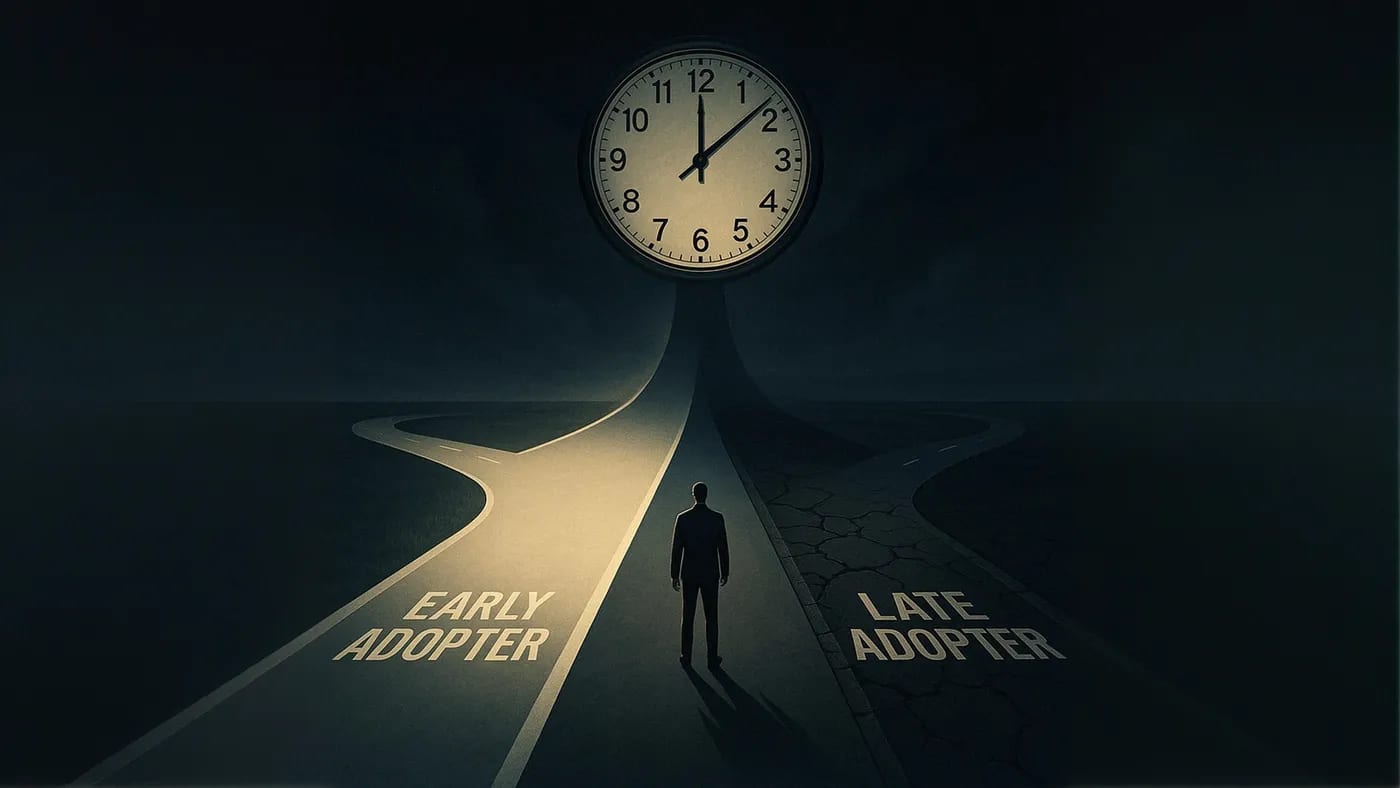
- Competitive Disadvantage: Digital twins aren’t just tech for tech’s sake – they drive very real efficiency, cost, and customer benefits. Companies that embrace digital twins now will gain a significant edge, while those that hesitate risk falling behind in efficiency, cost control, and customer satisfaction (corporate.nvisionglobal.com). In other words, if your competitors are using twins to optimize processes, predict issues, and delight customers with data-driven services, and you are not, you’re playing catch-up. It’s no surprise that not long ago “if you weren’t building a digital twin, you risked falling behind your competitors” became a common sentiment in the transportation section (itsa.org). No one wants to be the laggard in a world where agility and data rule.

- Forced into Costly Catch-Up: Procrastination can corner you into a suboptimal solution later. Imagine in a couple of years your business realizes it must have digital twin capabilities because the industry expects it, or an operational crisis demanded it. With no internal groundwork laid, you might scramble to buy a ready-made platform from a vendor to “catch up” fast. That emergency purchase could be expensive and locked down, but you’ll have little leverage to negotiate, - a classic case of paying the price (literally) for delaying action. In contrast, starting early even with small pilot projects means when you truly need a full solution, you’ll have the knowledge and maybe even some codebase to scale up, rather than a panic buy.
- Loss of Talent and Know-How: Implementing digital twins is as much about people as tech. It cultivates skills in data science, AI, IoT, and simulation within your team. Delaying means your organization isn’t developing that expertise. Later, when you try to jump on the trend, you could face a steep learning curve with staff unprepared, or be forced to hire expensive experts/consultants. Early adopters, even if stumbling initially, build a culture of innovation and data-driven decision-making over time. Late adopters risk being perpetual beginners, leaning heavily on external vendors or consultants to run their systems. In short, you can’t rush organizational learning; waiting just compresses the timeline.

- Lock-In by Necessity: A late adopter often has to accept whatever market solution is prevalent at the time. This might mean ending up in a vendor-dominated landscape with less openness. By then, open standards or ecosystems might be set by others, and you’ll have to adapt to their way of doing things, possibly under a single vendor’s ecosystem. The flexibility to choose will be lower, - essentially, delaying may trade the freedom of choice you have today for a constrained menu tomorrow. For example, if one proprietary platform becomes the standard in your sector and you didn’t develop an alternative, you’ll likely join it on the vendor’s terms. In contrast, engaging early lets you influence standards, e.g., participating in open-source communities or industry consortia and future-proof your architecture before it’s dictated to you.
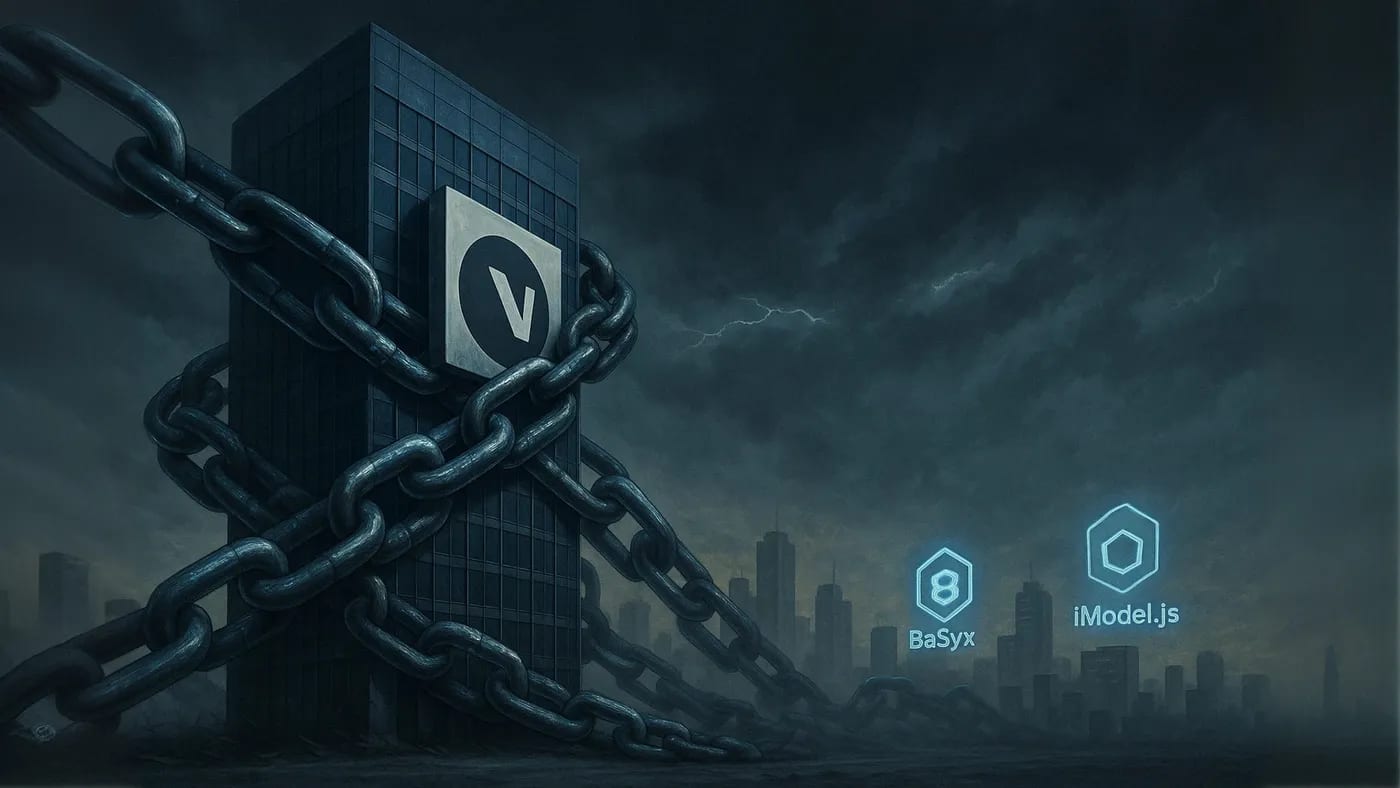
In sum, “no decision” is a decision – one that potentially hands your competitors a lead and vendors a future bargaining chip. Savvy executives recognize that tech trends like digital twins reward the proactive. Even if you’re not ready for a big rollout, experimenting now is cheap insurance against scrambling later.
AI + Digital Twins = Smarter Decisions (Don’t Miss Out)
Any discussion of digital twins today would be incomplete without Artificial Intelligence. AI and digital twin technologies are increasingly intertwined. Together they enable intelligent, self-improving systems that can drive innovation in ways static models or human analysis alone cannot. This has become a key theme to emphasize, as enterprises plan for not just a twin, but an AI-augmented twin. Some highlights of this powerful pairing:

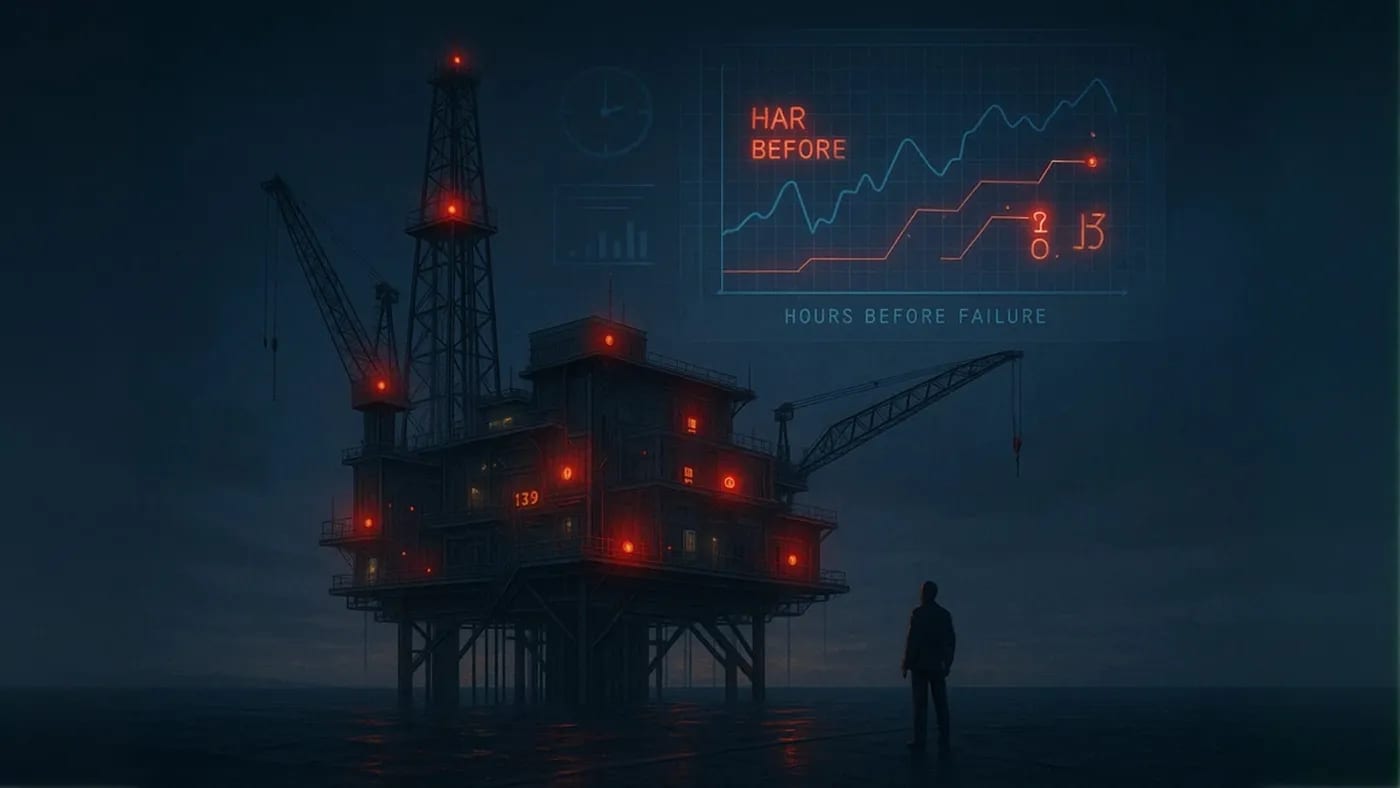
- Predictive Superpowers: Integrating AI/ML algorithms with digital twins unlocks advanced predictive analytics. The twin provides the real-time data and context; AI crunches that data to forecast future states or failures. For example, Shell applied AI-driven digital twins on its oil rigs to monitor critical equipment (pumps, compressors, etc.) and detect early signs of degradation. The result: Shell’s AI-powered twins can predict equipment failures with high accuracy, enabling timely maintenance that avoids catastrophic breakdowns (toobler.com). In general, a twin continuously fed by IoT sensor data and analyzed by machine learning becomes an ever-vigilant sentinel, flagging anomalies or impending issues before they affect operations. This is a game-changer for maintenance strategies, - shifting from reactive fixes to proactive prevention, and it directly saves money and downtime.
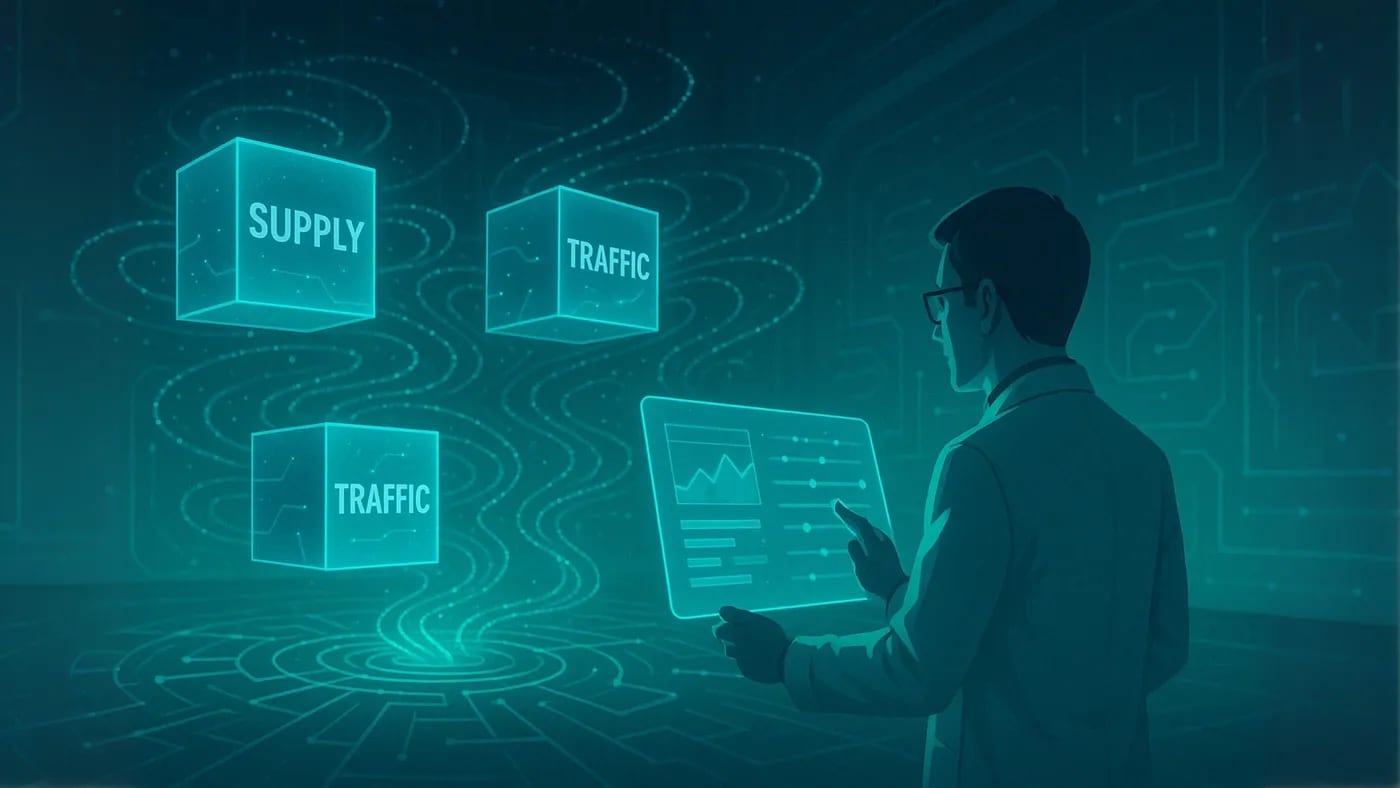
- What-If Scenarios & Simulation: Digital twins are often described as a virtual testbed or “digital laboratory”. Add AI to that mix, and you can rapidly simulate countless “what-if” scenarios and get optimized recommendations. Want to know how a supply chain disruption might ripple through your operations, or how tweaking one machine’s settings could impact an entire production line? A twin can simulate it; AI can vary the parameters intelligently and identify optimal solutions. In fact, the latest trend is using generative AI to streamline twin deployment and analysis. AI can help configure complex models or automatically interpret results (mckinsey.com). Conversely, the rich data from twins can train better AI models, creating a virtuous cycle. Together, AI and twins let organizations safely “experiment in silico” and find insights that would be impractical from real-world trial-and-error.
- Continuous Learning & Optimization: Unlike static diagrams, an AI-augmented twin doesn’t sit idle once built, - it learns and improves. As more data flows in, machine learning models can refine their predictions. The twin can also intake external data such as market conditions, weather, et cetera and the AI can uncover correlations that a human analyst might miss. Over time, your digital twin can evolve to become a “wise advisor” that not only mirrors the present state of your system but also suggests how to improve it. For instance, AI algorithms within a twin might learn the subtle patterns that precede a quality defect on a production line and then alert operators with recommended adjustments before the defect occurs (linkedin.com). This level of intelligent orchestration is what makes the AI + DT combo so powerful: you’re effectively giving your operations a brain.
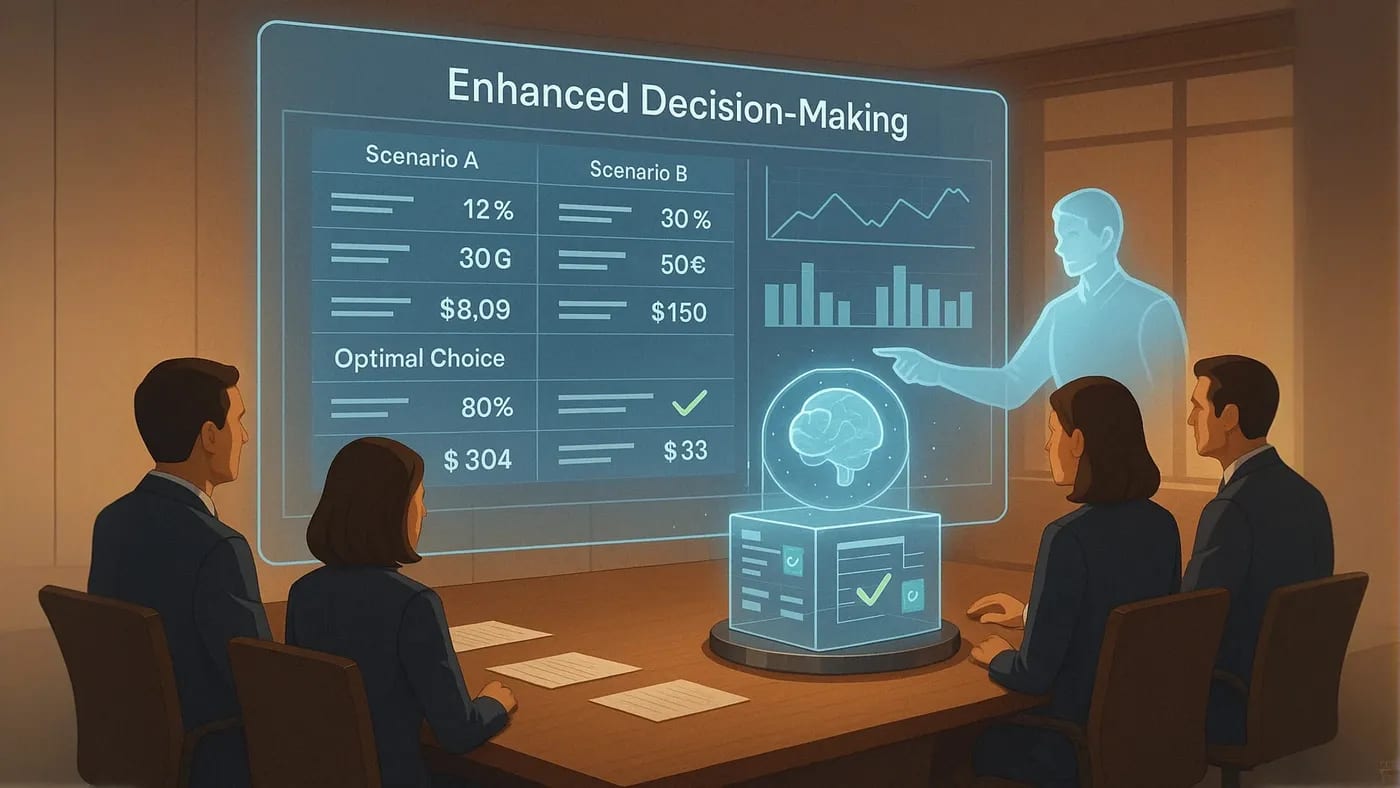
- Enhanced Decision-Making: Ultimately, the fusion of AI and digital twins leads to better decisions at all levels of the business. Strategic planning is informed by accurate simulations and forecasts. Day-to-day operations benefit from AI-driven optimizations (like dynamic route planning in logistics or energy usage tuning in a smart building twin). Even unexpected events, - say a sudden machine failure or a supply chain hiccup, can be navigated more gracefully, because the twin (with AI’s help) can recommend the best course of action from the scenarios it has already modeled. Companies leveraging these capabilities are more agile and resilient, turning data into action faster than those relying on manual analysis. In short, AI makes digital twins smart, and digital twins give AI a rich sandbox to play in, - a synergy no modern enterprise strategy should ignore (mckinsey.com).
AI integration is a key argument for acting sooner rather than later on digital twins. The sooner you have a functional twin in place (even a prototype), the sooner you can begin layering AI on top to reap these benefits. It also ties back to the build vs buy debate: a custom-built twin might allow you to plug in your AI of choice, - perhaps your proprietary algorithms or preferred open-source ML frameworks. A closed vendor platform might limit AI integration to their in-house analytics offerings. As AI capabilities rapidly advance (think GPT-style assistants that could query your twin), having control over how to integrate them can be a strategic advantage. Being early to adopt twins means you’ll also be early to fuse AI with them, - doubling down on innovation while others are still wrestling with basics.

Conclusion: Agility, Innovation, and Timing Matter

Digital twins are often described as a journey, - one that touches technology, people, and processes. In charting that journey, strategic timing is crucial. Adopting an agile, open approach early can position your organization as an innovator, while waiting on the sidelines could force you into a defensive crouch later. The patterns are familiar from other tech revolutions. Remember those who hesitated to adopt cloud, only to rush in later under less favorable terms? Those who move with purpose and embrace innovation set the pace, and those who delay often pay the price!
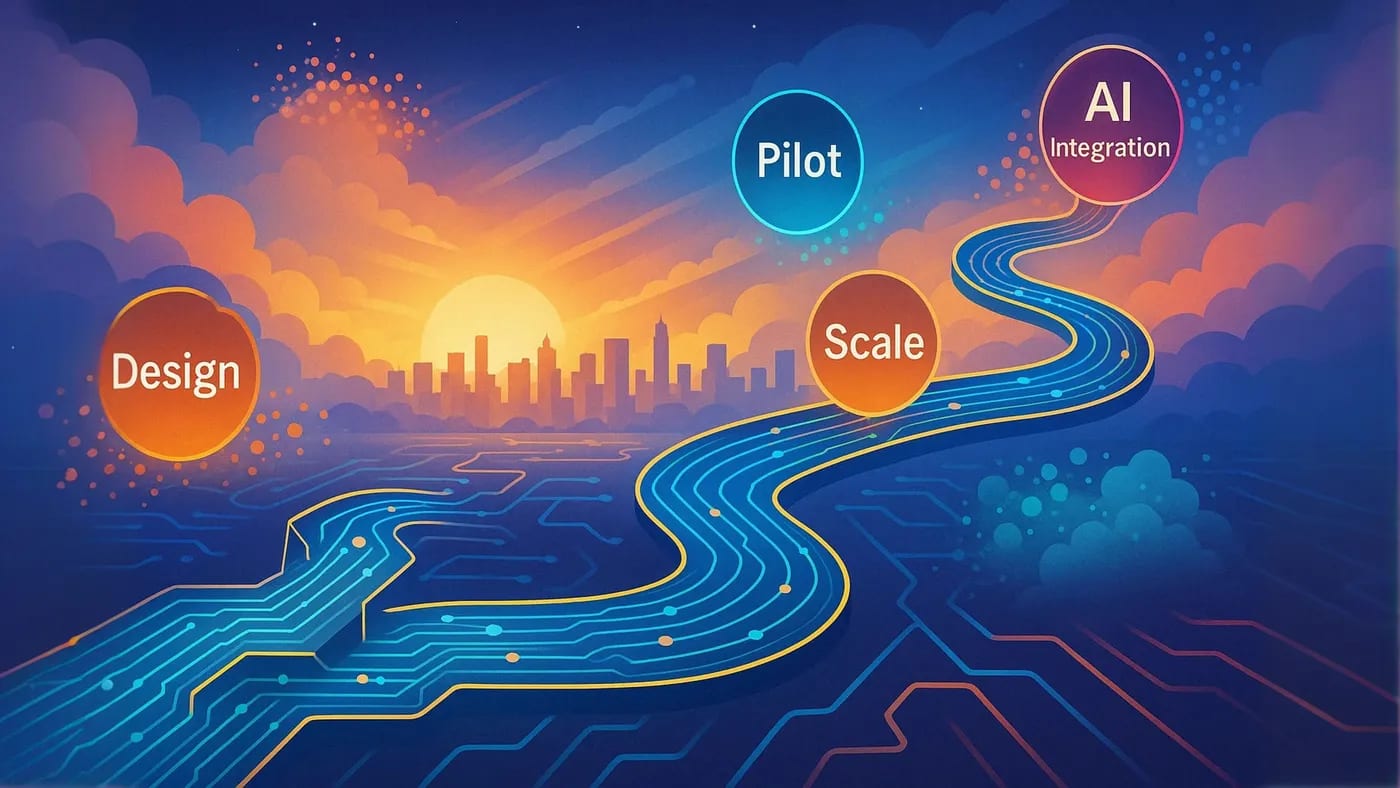
The good news is that building your own digital twin stack is more feasible than ever, thanks to open-source frameworks and vibrant communities. You don’t have to be a Fortune 50 with a huge R&D budget to start experimenting, - even a small, agile team can spin up a pilot using free tools and see real results. This not only future-proofs your capabilities but also sends a message to stakeholders that you’re serious about leveraging AI, IoT, and data for efficiency and growth.
On the other hand, overly delaying implementation risks a scenario where, in a few years, you might be essentially forced to accept a cookie-cutter vendor solution because there’s no time left to do it your way. That path can work, but it often comes with higher costs and a gnawing feeling of “what if we had started earlier and built knowledge internally?” By starting now, - even modestly, you retain control over your destiny in the digital twin space. You can choose whether to continue DIY, partner with a vendor on your terms, or some hybrid of both. The key is, you’ll have options born from experience, rather than decisions born from panic.

Digital twins present a powerful opportunity at the intersection of AI, and business strategy. They’re becoming the real-time virtual backbone of enterprise operations in many industries. Embracing open-source tools to craft your own twin platform can yield flexibility and innovation that set you apart. Pair those twins with AI and you unlock next-level insights and automation. But timing is everything: the sooner you start, the more agile and prepared you’ll be to capitalize on this technology wave. As one might put it in a witty refrain for LinkedIn – build the digital twin plane while you’re flying it, before you’re left on the tarmac waving at your competitors’ jets. In other words, get started, stay adaptive, and don’t let procrastination make the decision for you. Your future self (and your digital twin) will thank you.

Additional Reading:
Vendor Platforms
-
What Is a Digital Twin? (IBM) — A comprehensive primer defining digital twins, exploring their role in Industry 4.0 and AI/IoT integration, and outlining future trends.
-
15 Best Digital Twin Companies To Watch in 2024 (Digital Twin Insider) — Ranked overview of leading vendor solutions, including Ansys, Siemens, Microsoft, Dassault, GE, and more.
-
Top 10 Digital Twin Companies in 2024 (Strategy MRC) — Focused profiles of Dassault Systèmes, PTC, and other innovators across key industries.
-
Digital twins and generative AI: A powerful pairing (McKinsey & Company) — Analysis of how major vendor platforms are evolving with generative AI capabilities to accelerate insights.
Open‑Source Frameworks
-
Eclipse Ditto™ — Vendor‑neutral IoT middleware for creating device twins with real‑time state management via a unified API.
-
Eclipse BaSyx (Asset Administration Shell) — Implementation of the Industry 4.0 AAS standard for interoperable industrial twin integrations.
-
Snap4City Smart City Framework — Scalable open‑source platform for 3D urban models, real‑time IoT data ingestion, and city‑wide simulations.
-
White Label Digital Twin (WLDT) — Java library offering modular, pluggable twin components based on academic and industrial definitions.
-
iModel.js / Bentley iTwin — Open‑source BIM toolkit for infrastructure twins, supporting versioned engineering data and IoT sensor integration.
AI & Digital Twin Integration
-
Artificial intelligence in digital twins—A systematic literature review (ScienceDirect) — Rigorous survey of AI algorithms applied to digital twins across sectors.
-
A Comprehensive Review of AI‑Based Digital Twin Applications in Manufacturing (MDPI) — Bibliographic overview categorizing AI‑DT use cases in operator, process, and product dimensions.
-
Digital Twin and AI: How AI is Revolutionizing Digital Twin Technology (Toobler blog) — Market outlook and examples of AI‑powered twin deployments and future potential.
Strategic Insights & Economics
-
Economics of Digital Twins: Costs, Benefits, and Economic Decision Making (NIST) — Detailed report on investment analysis, ROI modeling, and cost‑benefit scenarios in manufacturing.
-
Digital twins: Bridging the physical and digital (Deloitte Insights) — Strategic guidance on cross‑enterprise integration of DTs to unlock full organizational value.
-
Why Every Business Needs a Digital Twin: The Role of Simulation in Smart Tech (The Strategy Story) — Business case framework for risk‑free testing, innovation, and cost optimization.
Case Studies & Reports
-
Case Study: Shell’s AI‑powered Predictive Maintenance (LinkedIn) — Real‑world metrics on Shell’s global scale‑up to millions of predictions per day and major cost savings. LinkedIn
-
Digital Twins for Predictive Maintenance: A Case Study for a Flexible IT‑Architecture (ScienceDirect) — Exploration of modular IT architectures enabling reusable maintenance twins.
-
Digital Twins in Action: A New Era of Predictive Maintenance and Optimization (LifeConceptual) — Includes General Electric and Shell examples illustrating downtime reduction and efficiency gains.
-
Stanford Scientists Create “Digital Twin” of the Brain Using AI (SciTechDaily) — Cutting‑edge research extending DT concepts to neuroscience and experimental simulations.
-
How AI is Arming Cities in the Battle for Climate Resilience (Reuters) — Urban DTs paired with AI for flood, pollution, and heat‑island management in cities like Houston and Singapore.
Disclaimer: The views and opinions expressed in this article are my own and do not necessarily reflect those of my employer.
More from the human factor
All the human factor → the human factor
The Great AI Panic: The 2025 Guide to Human-AI Harmony
Picture this: Your Thursday morning stand-up has just wrapped, and Sarah, your most reliable project manager, lingers behind. With a mix of determination and vulnerability in her voice, she confesses, "I'm afraid the new AI system will…
 the human factor
When Your AI Is More Monday Than You! 🤖🌞
Good morning! It's Monday at 9 am for me here in Costa Rica, to reflect on the delightful and mildly traumatic experience I recently had just moments ago this morning with OpenAI's experimental "Monday-flavored" ChatGPT. If you thought…
 the human factor
Workforce AI Reskilling - Resistance is Artificially Unintelligent!
Remember those sci-fi movies where the robot learns too much and decides humans are the problem? Plot twist: in today's tech talent landscape, AI isn't eliminating humans, - it's becoming our most powerful ally in staying relevant.