Bioinformatics Meets Bookmaking: Genetic Algorithms and the New Science of Odds Compilation
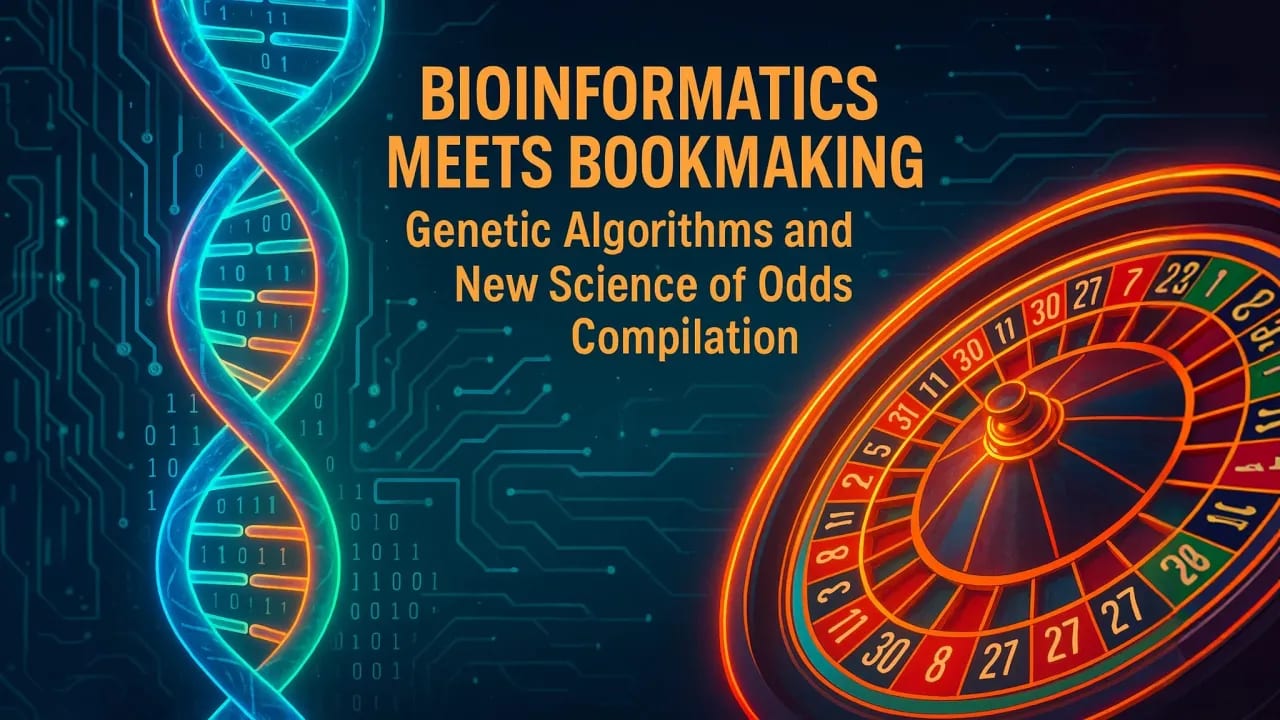
As someone who once navigated the conference halls of Las Vegas, speaking to packed rooms about emerging technologies in online gaming, and who, perhaps unexpectedly, began that journey studying biochemistry before venturing into software, I find particular delight in unexpected intersections of disciplines.

At first glance, the world of the seasoned sportsbook operator, calculating odds amid the buzz of casinos, and the realm of bioinformatics researchers, decoding genes in quiet laboratories, seem entirely unrelated. One thrives on bets and probabilities, the other on genes and algorithms. Yet a fascinating convergence is unfolding, as bioinformatics (the science of analyzing biological data) collides with bookmaking (the nuanced craft of odds compilation). Both fields wrestle daily with intricate patterns and uncertain outcomes, and intriguingly, both are beginning to harness evolution, - yes, the Darwinian kind, to solve their most complex problems.

When Evolution Enters the Betting Arena
In the natural world, evolution is a master problem-solver. Over millennia, it has optimized creatures for survival through a relentless cycle of variation and selection. In a similar vein, modern sportsbook operators face an evolutionary-like puzzle: how to continuously refine odds in the face of countless variables, from player stats and weather conditions to unpredictable upsets. This is where genetic algorithms surprisingly come into play, - quite literally bringing evolution into the betting arena.

Genetic algorithms (GAs) are computational methods inspired by natural selection. Instead of evolving living organisms, GAs evolve solutions to problems. They start with a population of candidate solutions (for example, different models predicting the outcome of a football match). Each candidate is like a “creature” with its own DNA, - except here DNA might be a set of parameters or rules that determine how the model sets odds. These candidates are evaluated on a fitness function, - a fancy term for a scoring system that measures how good each solution is. In odds compilation, the fitness function could be how accurately a model predicts game outcomes or how profitable its odds would be if used in real betting.
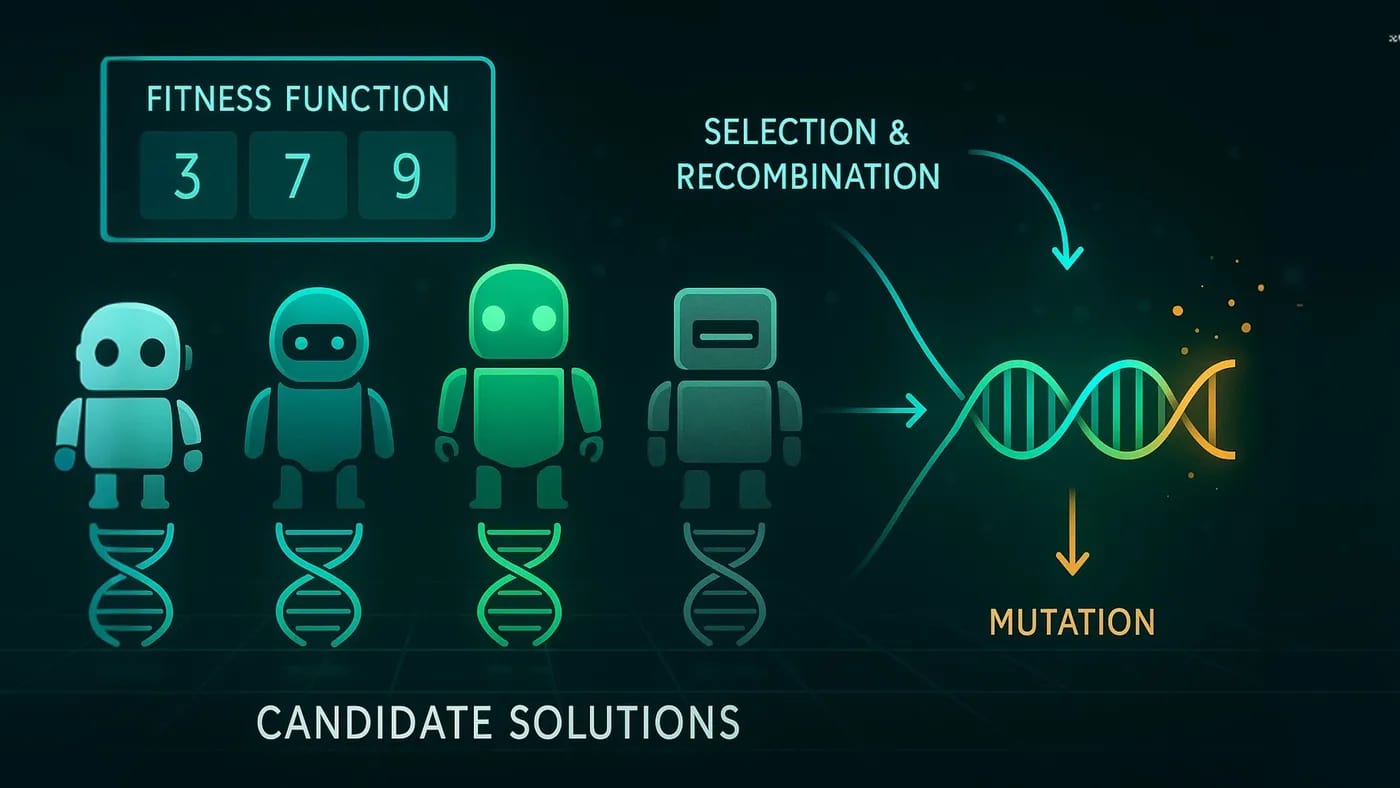
The process then mimics survival of the fittest. The best-performing solutions are kept (they “survive”) and become parents to the next generation of solutions. Here’s where the magic of evolution comes in: parents are recombined using a process analogous to biological reproduction. In genetics, organisms reproduce through crossover of DNA. In GAs, crossover means taking pieces of two good solutions and blending them to create a new one. It’s like taking two successful betting strategies and swapping their best components to breed an even better strategy. The algorithm also throws in a bit of mutation, introducing random tweaks to some solutions, - much like a spontaneous genetic mutation, to ensure diversity and occasionally spark ideas that pure breeding might miss. Over successive generations, the population of models “evolves,” often yielding a solution that’s far better than any starting guess.

This evolutionary approach turns out to be remarkably well-suited to the bookmaking challenge. Setting odds for, say, a soccer match isn’t a straightforward calculation, - there are tons of factors and a touch of unpredictability. Traditional statistical models or human intuition can fall short when the problem is complex and the solution landscape is rugged. Genetic algorithms thrive in such rugged landscapes by iteratively improving solutions rather than trying to compute the perfect answer in one go. It’s a bit like how a sportsbook operator might adjust odds in real time as bets come in and conditions change, except the GA does it automatically and on a massive scale of simulated possibilities.
The DNA of an Upset: Epistasis and Hidden Interactions
One of the reasons genetic algorithms shine in odds compilation is their ability to handle something biologists call epistasis, - interactions between factors that make the whole more or less than the sum of its parts. In genetics, epistasis means one gene’s effect is influenced by the presence of one or more other genes. For example, a gene that boosts a horse’s speed might only be effective if another gene ensures strong lung capacity; the interaction of the two genes together produces the champion racer. In the context of sports and betting, epistasis has a direct parallel. The impact of a star quarterback on a game’s outcome might depend on the team’s offensive line and coaching strategy. A soccer team’s chance of winning could hinge not just on individual player skill or weather or morale, but on the combination of these factors working in sync. These complex interdependencies mean that simply adding up probabilities of individual factors often misses the mark, - the interaction effects can surprise you. Think of an underdog team whose mix of strategies and chemistry produces a shocking upset against a favorite.
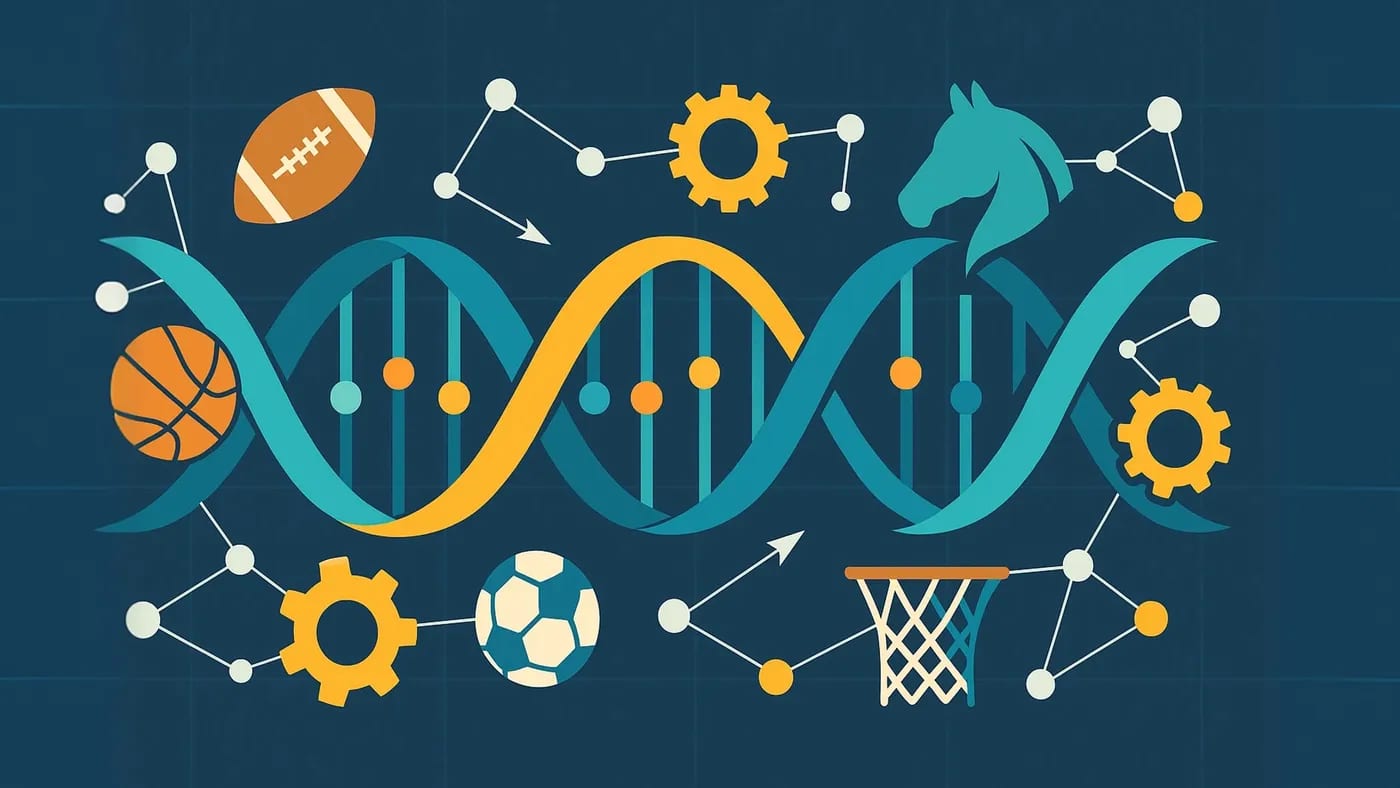
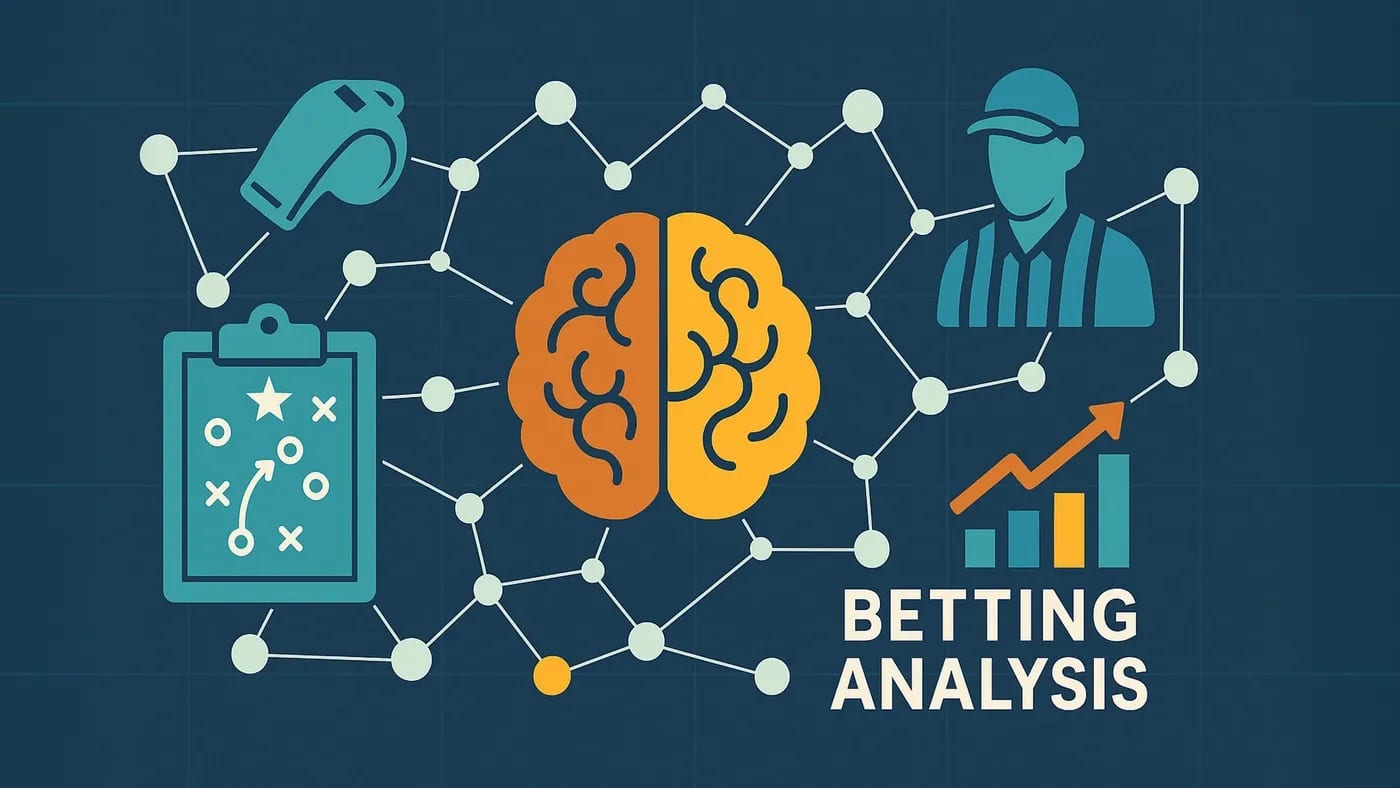
Genetic algorithms handle epistasis naturally. Because GAs consider whole solutions (all factors together) and evolve them, they don’t need to assume each factor’s contribution is independent. If a particular combination of variables in a model consistently leads to accurate predictions, the evolutionary process will favor that combination, even if no human explicitly noticed the relationship. In essence, the algorithm “discovers” hidden interactions by testing endless combinations computationally, somewhat like nature experimenting through countless gene mixes. For sportsbook operators and analysts, this means an AI can uncover non-obvious patterns, - say, a certain defensive tactic combined with a particular referee tends to reduce total points scored in basketball games, affecting the optimal odds for a “points total” bet. It’s a new way of seeing the betting world, through the lens of complex interactions, rather than just individual statistics.
Crossover: Breeding Better Odds
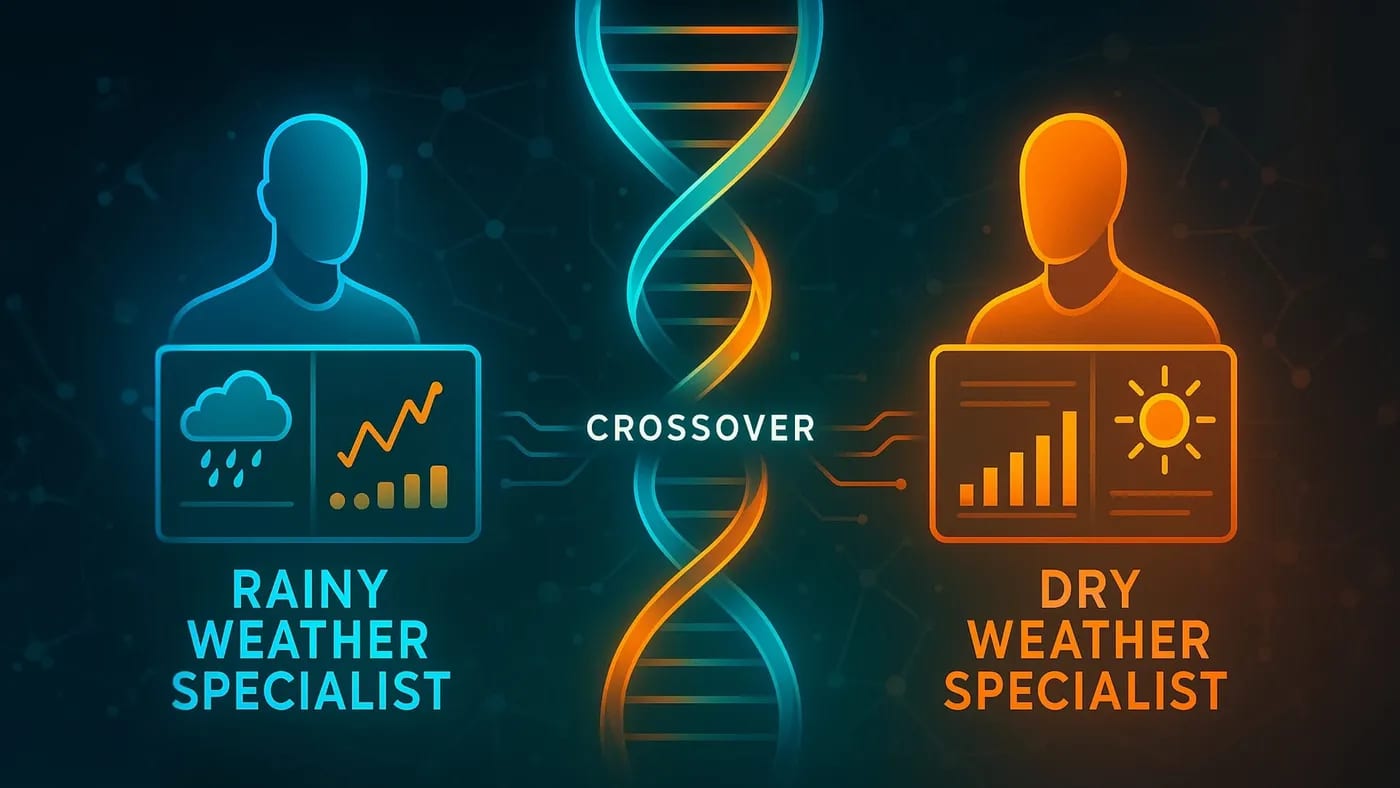
Central to this evolutionary approach is the concept of crossover, mentioned earlier. To highlight its importance, let’s dive a bit deeper. Crossover in genetic algorithms is akin to two expert oddsmakers sharing their trade secrets and combining them into a fresh strategy. Imagine one model has mastered predicting underdog victories in rainy weather, while another excels at favorites in dry conditions. Through crossover, the GA can merge these two, potentially yielding a model that knows how to handle both rainy upsets and sunny sure-things. This breeding of solutions allows the algorithm to explore new strategies that neither parent model explicitly encoded on its own.
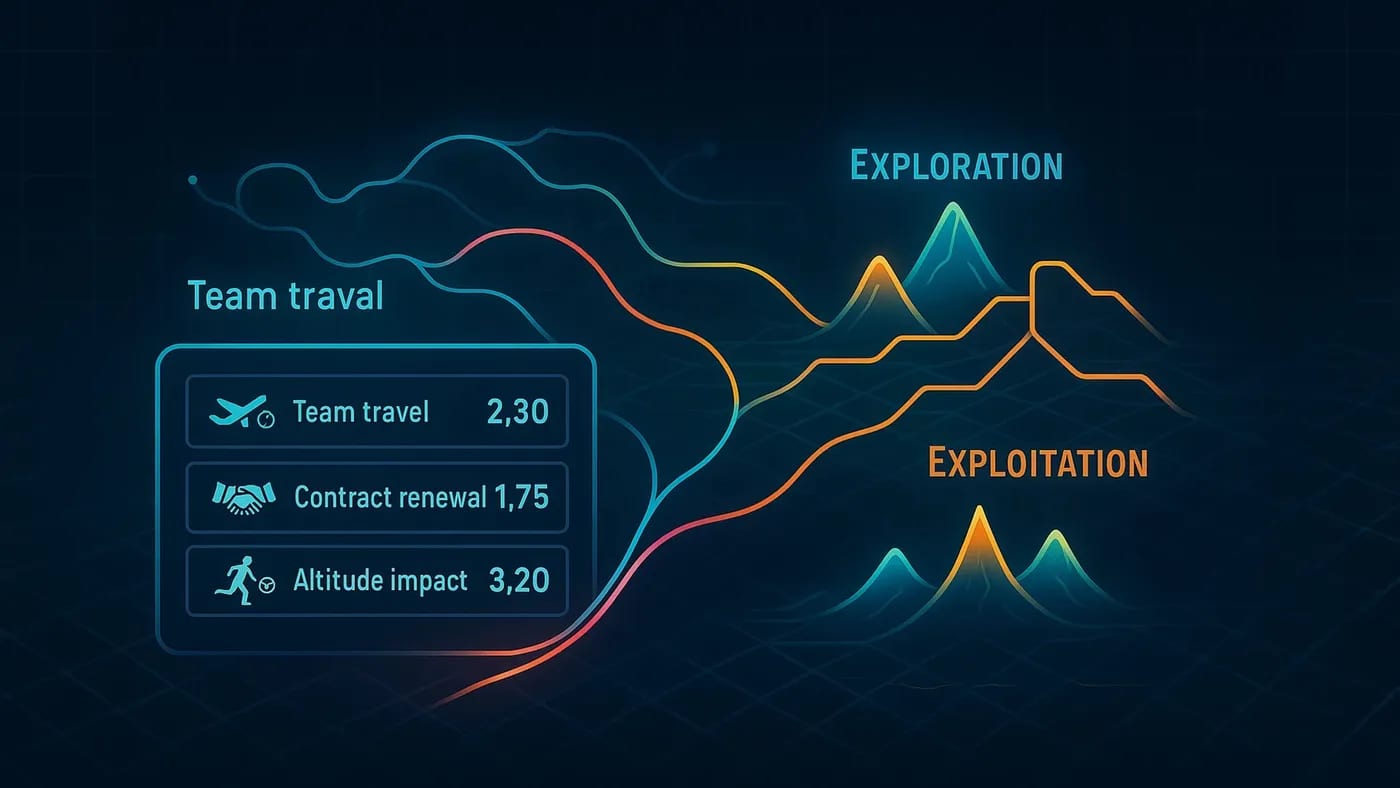
Why is this important for odds compilation? In the old days, an odds compiler (the person setting the odds) might rely on years of experience and a personal playbook of tricks, - perhaps a heuristic like “teams traveling across time zones underperform” or “players perform better in contract renewal years.” These rules of thumb are like genes in the compiler’s mental model. A genetic algorithm can take a vast library of such “genes” (factors and mini-rules derived from data) and try out countless pairings via crossover. The result is often a hybrid strategy that covers a lot more ground, adaptively tuning itself to different scenarios. In other words, the GA isn’t restricted to one school of thought, - it can combine many and find what truly works through experimentation. This is evolution’s exploration-exploitation balance in action: by mixing existing good solutions (exploitation) and occasionally trying something radically different via mutation (exploration), the algorithm searches far and wide for optimal odds-setting strategies.
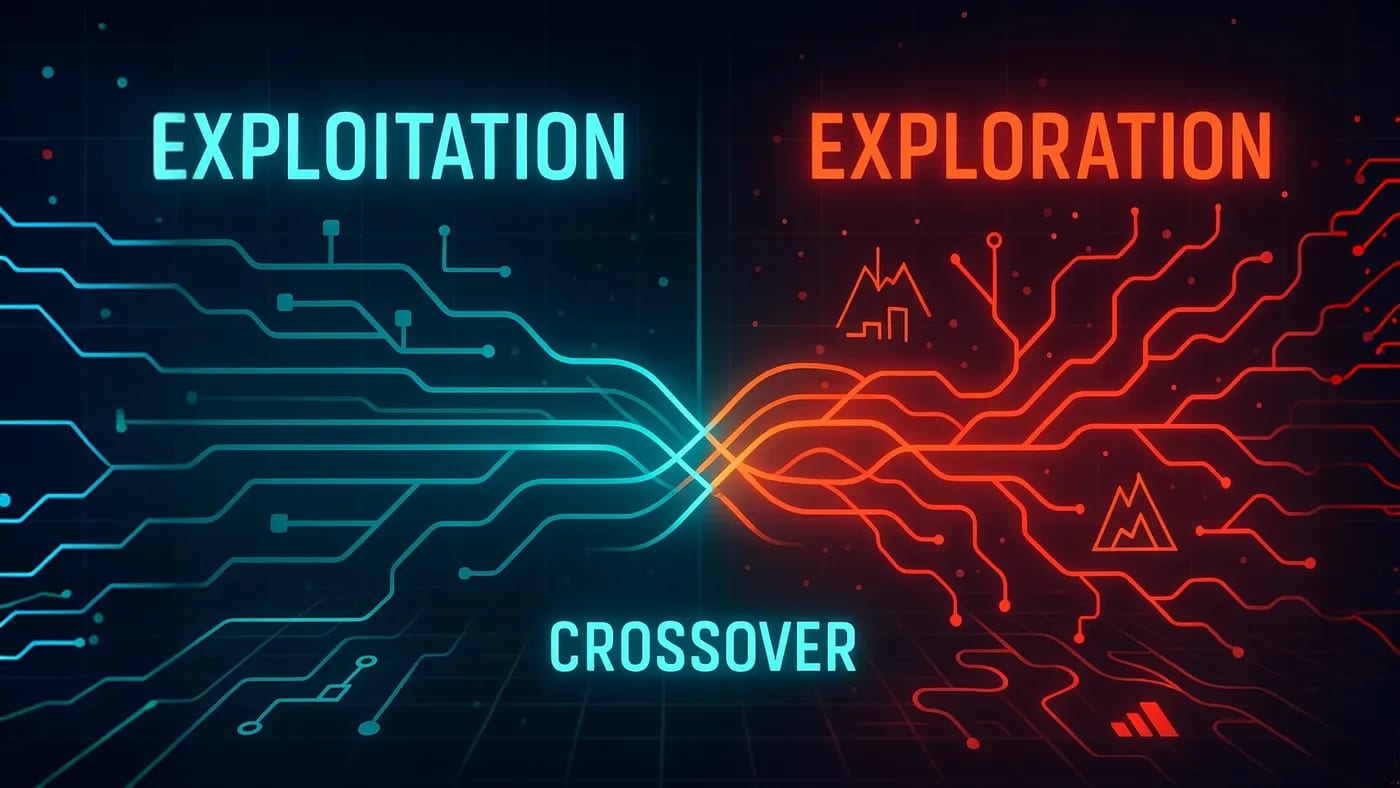
For the tech-savvy reader, it’s worth noting that crossover and mutation are what keep genetic algorithms from getting stuck in a rut. In a betting context, that means not getting stuck always favoring the obvious factors. The algorithm might stumble upon a quirky insight. Perhaps a certain player’s performance boosts in cities at higher altitude, - a random mutation in the model might surface that and then validate it through several generations. This kind of adaptive creativity is hard to achieve with traditional modeling techniques, which often require humans to specify every interaction up front. With GAs, you set up the framework and let synthetic evolution do the heavy lifting.
The New Science of Odds Compilation
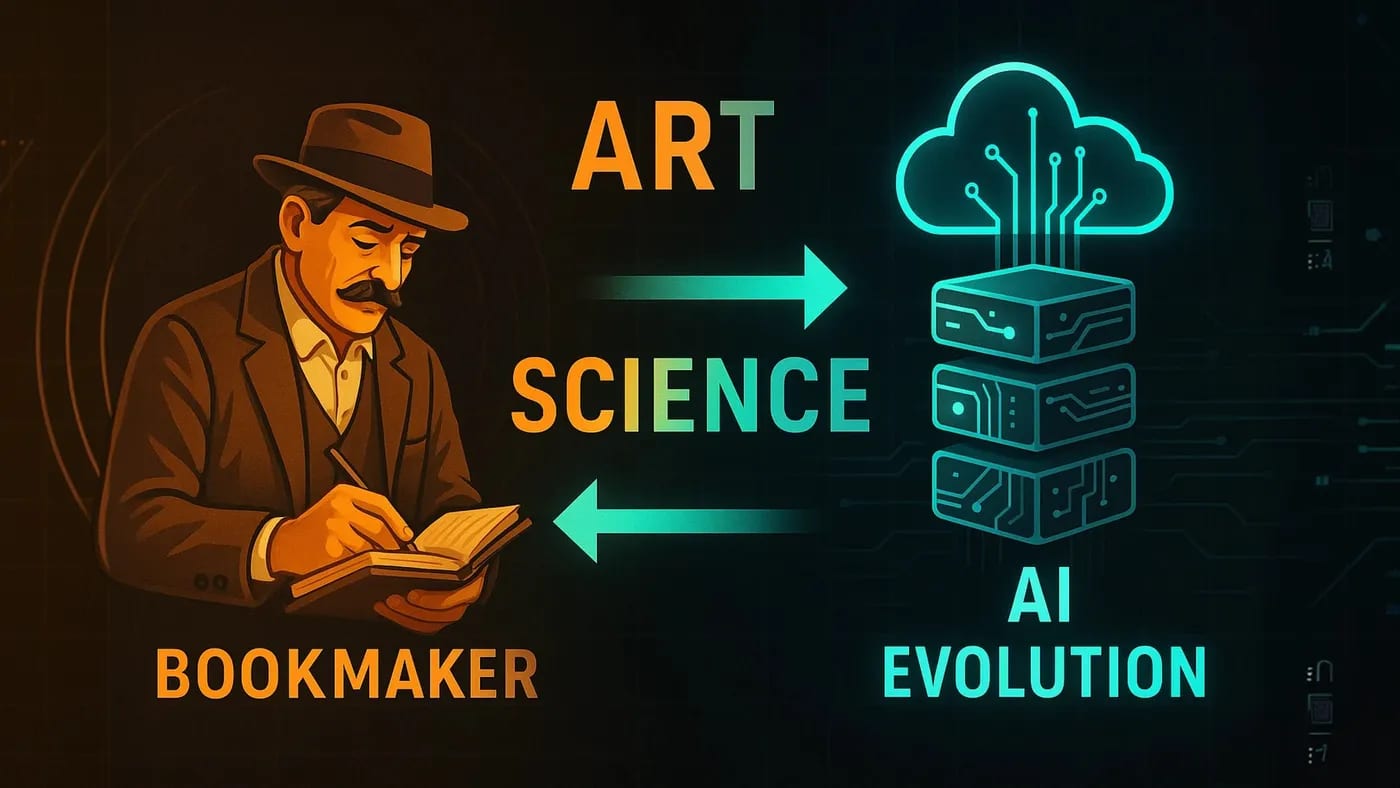
Bringing bioinformatics-style thinking into odds compilation isn’t just a theoretical exercise, - it represents a new, more scientific approach to an age-old business. Traditionally, odds compilation was part art, part science. Seasoned sportsbook operators combined statistical analysis with gut feeling honed from experience. In recent years, the “science” part of odds-making has grown with the rise of big data and machine learning; sportsbook operators feed on player statistics, team histories, and sophisticated models to set their lines. What genetic algorithms add is an extra layer of sophistication: the ability to navigate a vast search space of possible models and pick out those that perform best, even when the underlying data relationships are complex or obscure.
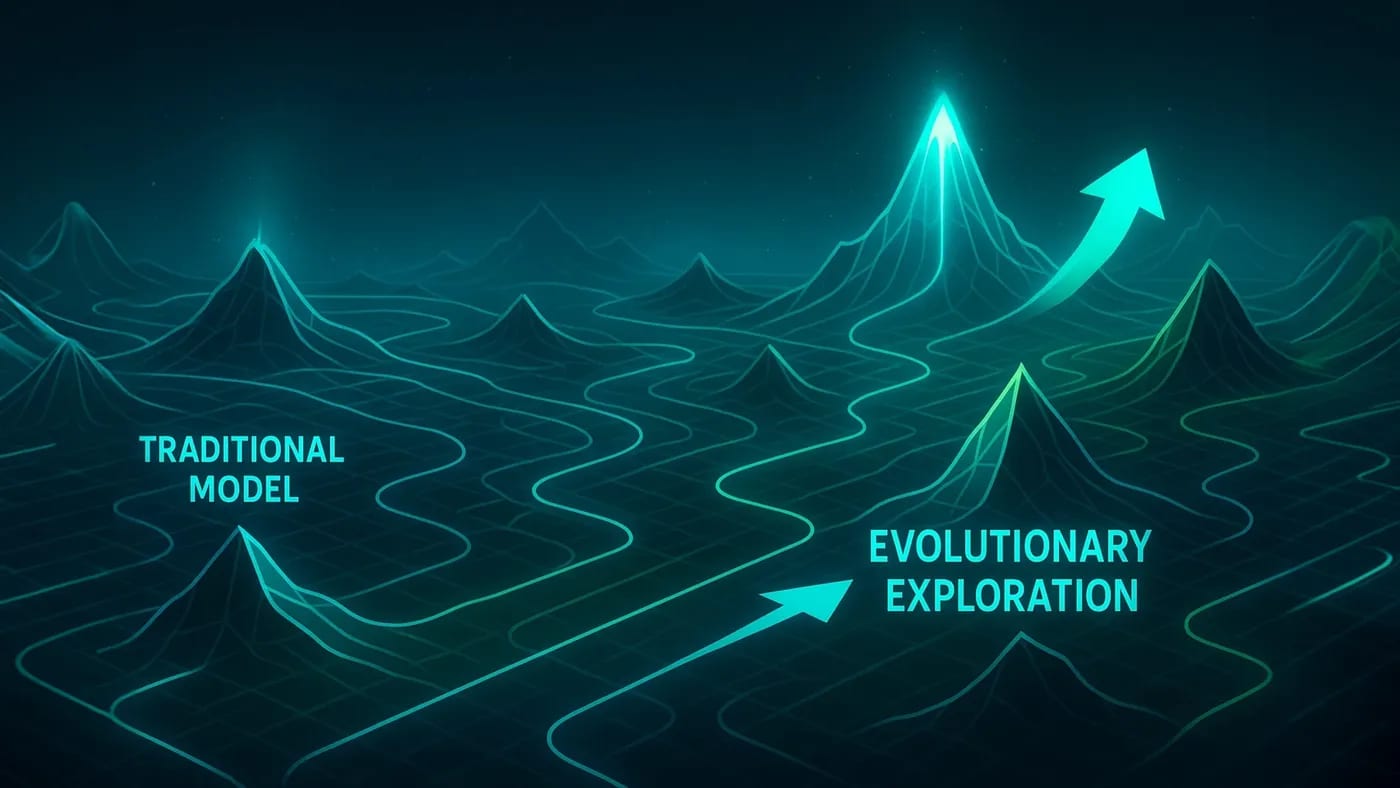
Think of the entire set of possible odds models as a giant landscape, - peaks represent highly accurate, profitable models and valleys represent poor ones. This landscape is uneven and riddled with local maxima, - deceptively good but not optimal overall solutions. A traditional approach might climb the nearest hill and stop, thinking it’s the best. An evolutionary algorithm, by contrast, sends out explorers all over the terrain. Some explorers converge on the high peaks, while others deliberately wander to find new regions. Over time, they communicate (through crossover) and gravitate toward the highest peaks. In plain terms, the GA can escape local biases and explore a broader range of strategies for setting odds, guided by the cold, hard feedback of the fitness function, e.g., historical results, profit simulations, et cetera.
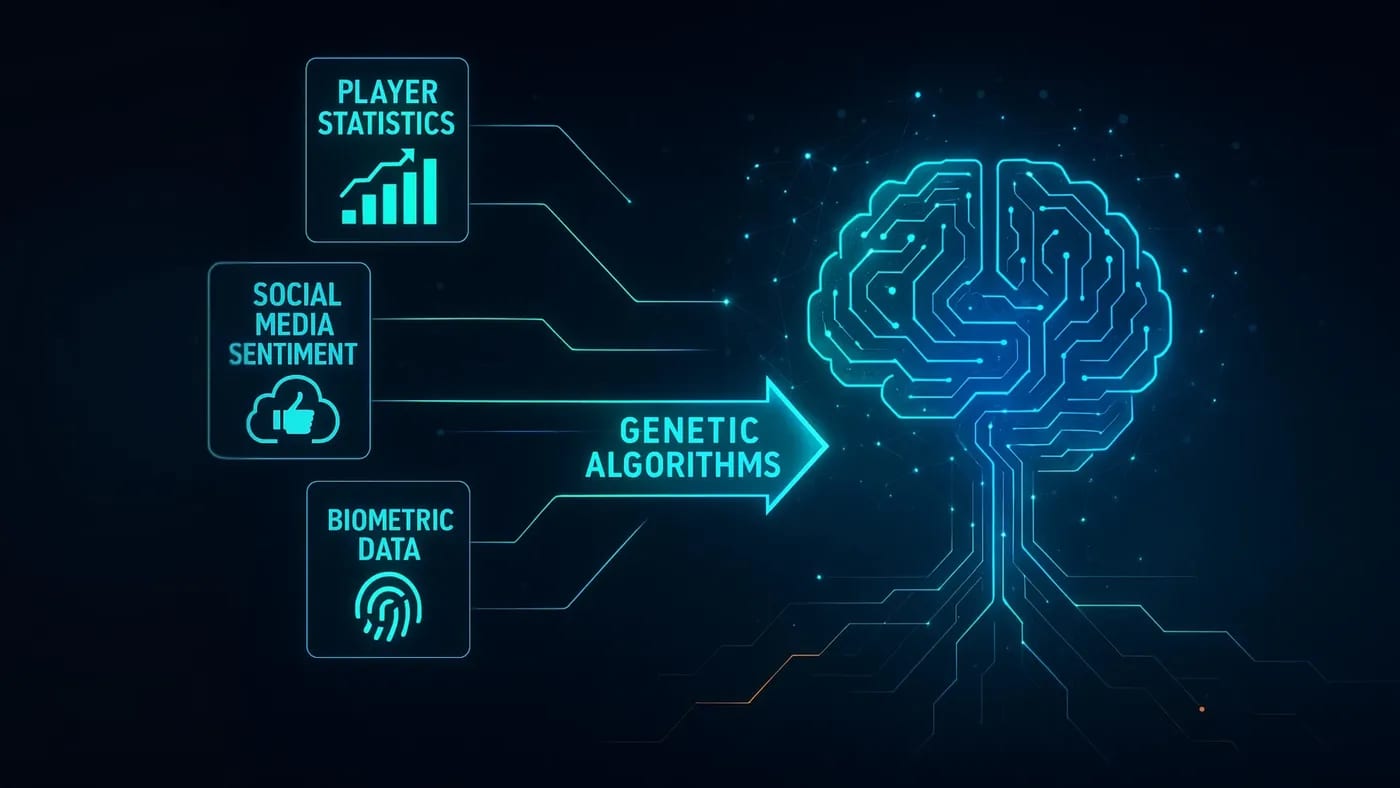
We’re already seeing hints of this new science in action. Forward-thinking sports analytics firms and betting companies are experimenting with AI-driven models that learn and evolve. For example, a model might start by using basic statistics and gradually incorporate more exotic inputs, - like sentiment from social media or biometric data about athletes, if those demonstrate improvements in predictions. Each addition or adjustment is tested through many iterations, and only the fittest ideas survive. The result is a kind of synthetic odds compiler that improves itself with minimal human intervention, much like a self-driving car learning from each mile on the road. The sportsbook operator of the future might be less a mustachioed gentleman with a ledger and more a cluster of GPUs running an evolutionary algorithm in the cloud, constantly adjusting odds with each goal, injury, or weather forecast that comes in.
Why It Matters for Tech and Business Leaders
You might be thinking, “This is fascinating, but I’m not in the gambling business.” The implications of this bioinformatics-meets-bookmaking fusion reach far beyond sports betting. At its heart, this is a story about innovation through cross-pollination of ideas. A technique born from studying biological genomes is now optimizing financial decisions in a betting market. This kind of interdisciplinary leap is exactly where many technological breakthroughs occur. For business and technology leaders, it’s a reminder to look outside traditional silos for solutions. If genetic algorithms can revolutionize odds-making, what could they do in your industry?
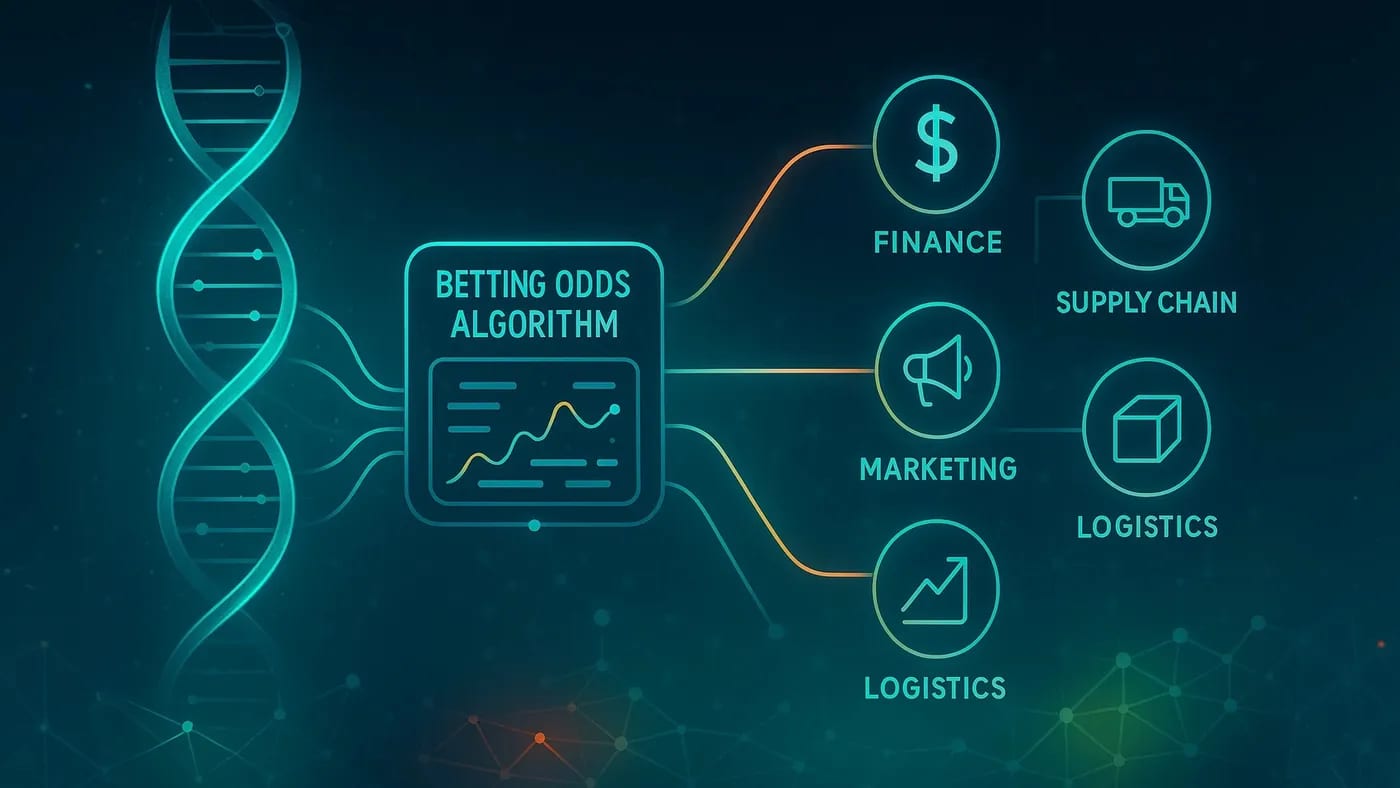
Consider any business challenge where you juggle lots of variables and uncertain outcomes: supply chain logistics, investment portfolio optimization, marketing mix modeling, even complex scheduling of resources. These problems, like setting betting odds, often have hidden interactions and a sprawling landscape of possible solutions. Genetic algorithms and other evolutionary approaches provide a way to tame complexity by iteratively searching for good solutions rather than attempting to engineer one from scratch. They offer a methodology to harness massive computing power and data to find strategies that a human might never trial on their own.
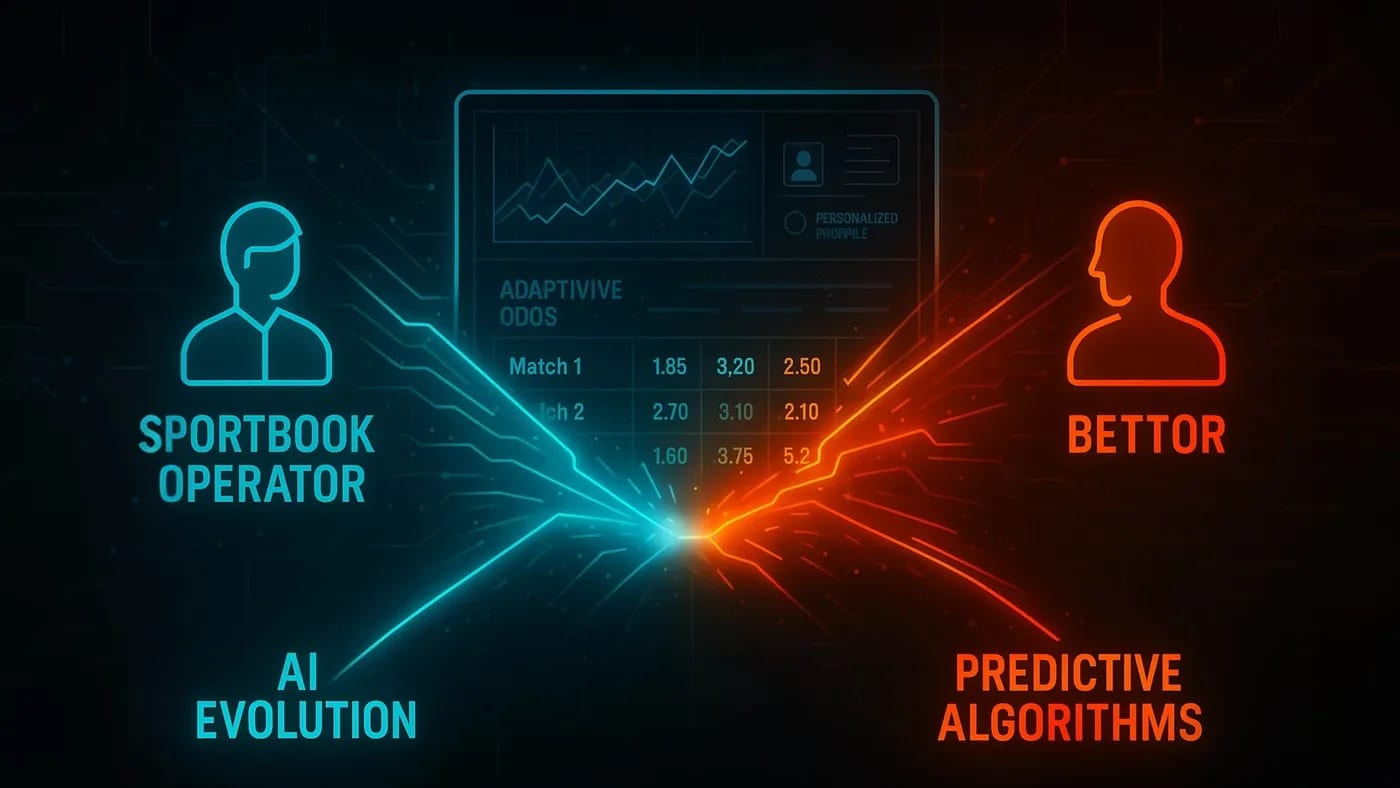
For the sports betting industry specifically, the business implications are significant. Companies that successfully deploy advanced algorithms for odds compilation could gain a competitive edge by predicting outcomes more accurately and adjusting to information faster than rivals. It could lead to more stable profit margins for sportsbook operators and perhaps even new types of betting products (imagine personalized odds that adapt to your betting behavior, generated by an algorithm that “evolves” to anticipate your next move). Scary, but there’s also a flip side: sophisticated bettors armed with their own AI tools might use similar evolutionary strategies to find weak spots in the sportsbook operators’ odds. A high-tech arms race in wagering could unfold, pushing both sides to innovate rapidly.
The Road Ahead: Betting on Evolution
As genetic algorithms continue to prove their worth in odds compilation, we’re witnessing the birth of a new kind of data-driven intuition. It doesn’t replace human expertise, but it augments it in powerful ways. The narrative of a sportsbook operator collaborating with an algorithm may soon become commonplace, - much like doctors working alongside AI or pilots with autopilot systems. In the future, we might see chief data scientists at sportsbooks who are as comfortable discussing genomes and epistasis, (maybe not those terms exactly) as they are debating point spreads and parlays.
Looking ahead, the convergence of bioinformatics and bookmaking is likely to deepen. We can anticipate more research and development at this intersection: perhaps hybrid systems that combine evolutionary algorithms with neural networks (sometimes called neuroevolution) to set odds with even greater precision. The new science of odds compilation is still in its early chapters, but its trajectory is clear. By borrowing nature’s optimization tricks, businesses can solve problems once thought intractable.
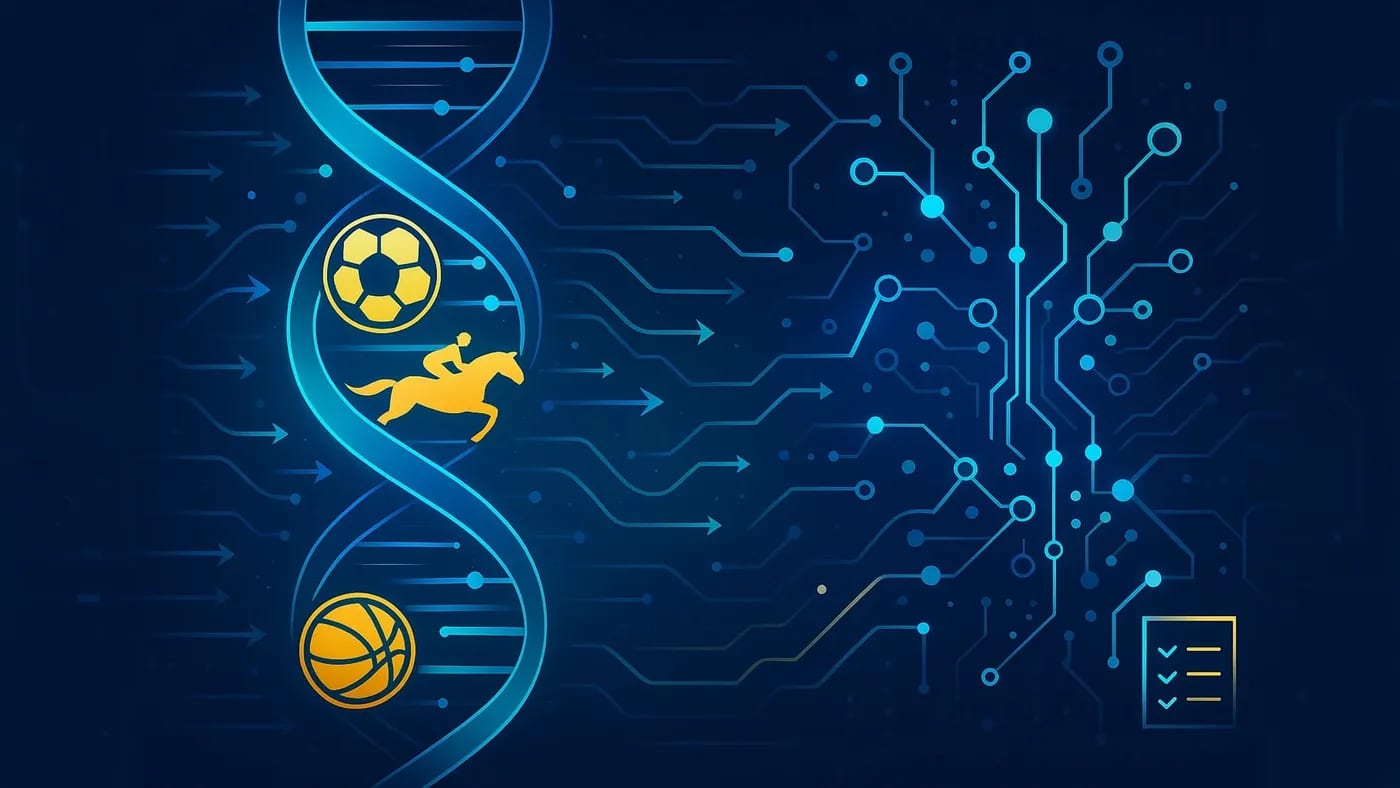
For tech leaders chasing the next big win, here’s the parting shot: true innovation often springs from the oddest alliances, - think biology dealing you a wild card in your coding game. Who knew the casino floor and the DNA helix had so much in common? The takeaway is simple: when you spread your bets across disciplines, you’re far more likely to hit the innovation jackpot. Evolution isn’t rigged, - it rewards the bold, the curious, and the occasional mad scientist. So shuffle the deck, place that cheeky side‐bet, and watch the smart money, - and maybe a few laughs, roll in.
Disclaimer: The perspectives shared in this article are my own and do not represent those of my employer or any affiliated organizations.
Further Reading
-
Machine Learning for Sports Betting: Top 5 Use Cases (April 2025)
-
Using Genetic Algorithms to Forecast Financial Markets ***(***January 2025)
-
Driving Innovation with Evolutionary Algorithms: Dynamic Odds Compilation (January 2025)
-
Emerging Trends in Sports Betting App Development ***(***December 2024)
-
Algorithms & the Impact on Sports Betting (April 2024)
More from machine minds
All machine minds → machine minds
The Rise of Autonomous AI Agents: When Chatbots Become our Colleagues
Earlier generative models like GPT-3 and ChatGPT dazzled us by producing human-like text on demand. But their role was largely reactive: they responded when asked. Agentic AI is emerging as the next major step, defined by “much stronger…
 machine minds
The Art of AI Daydreaming: Why Contextual Thinking is the Next Frontier
Let’s just image for a moment that your most advanced AI is on the clock, - and it’s daydreaming. At first, you might panic: the machine that cost a fortune in R&D is seemingly staring off into space instead of crunching data.
 machine minds
From Mendeleev to Machine Learning: How a "Periodic Table" Could Spark an AI Revolution
Imagine telling Dmitri Mendeleev in 1869 that his revolutionary idea, the periodic table of elements, would inspire an AI breakthrough over 150 years later. And to think how I’ve cherished the version that I acquired in college and never…