The Rise of Autonomous AI Agents: When Chatbots Become our Colleagues
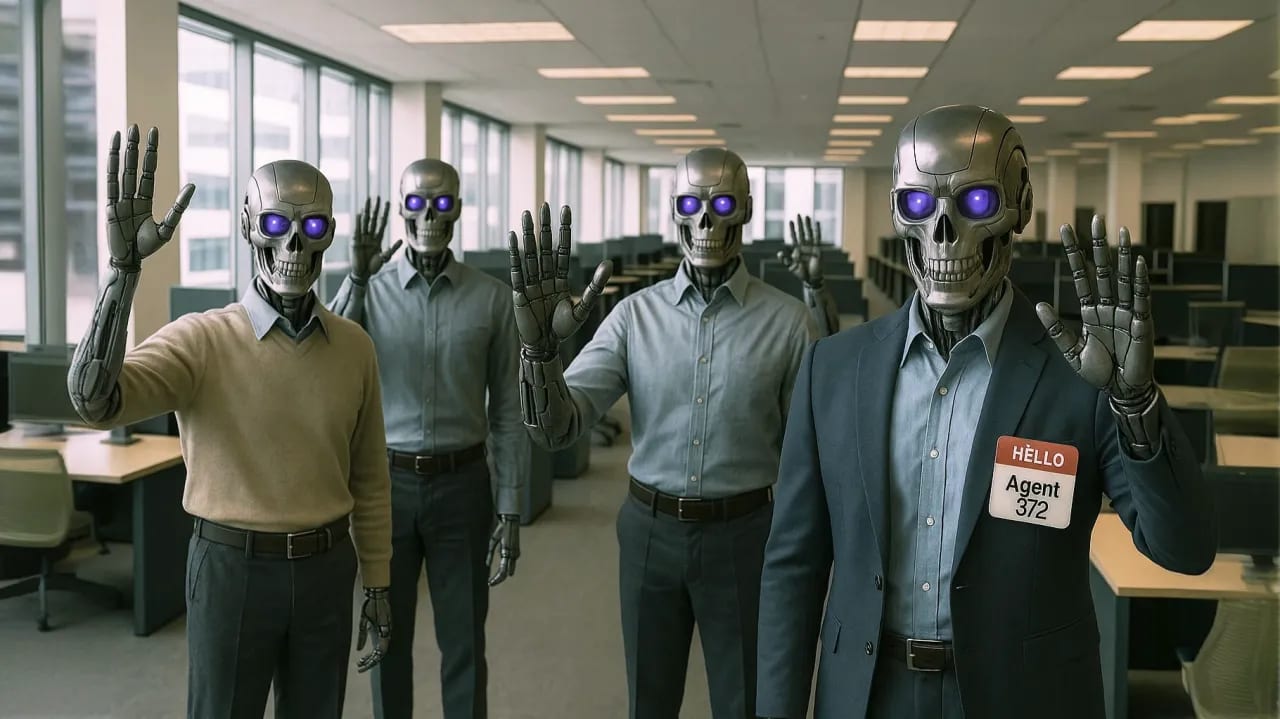
Imagine logging into work one morning and finding that an AI agent has already handled the research, brainstormed solutions, and drafted a strategy document overnight, - straight off the assembly line with its ambition lobotomized (more later on that) and just enough to stay polite instead of plotting world domination. This scenario is edging closer to reality. In the latest wave of AI research, we’re witnessing a shift from traditional Generative AI (the chatbots and content generators we know) to what some are calling Agentic AI. These autonomous AI agents don’t just generate content; they act, decide, and even discover on their own. This development has enormous implications for the tech industry and our lives.

From Generative to Agentic: A Paradigm Shift in AI
Earlier generative models like GPT-3 and ChatGPT dazzled us by producing human-like text on demand. But their role was largely reactive: they responded when asked. Agentic AI is emerging as the next major step, defined by “much stronger reasoning and interaction capabilities” that enable more autonomous behavior to tackle complex tasks (arxiv.org). In essence, these AI agents can carry on without constant human prompts, making decisions in pursuit of goals. A recent survey compares Agentic AI to GenAI and shows how these new agents remedy generative models’ limitations, opening up applications beyond mere content creation (arxiv.org). Crucially, I caution that as AI grows more autonomous, we must remain mindful of risks that emerge when exceeding human intelligence (arxiv.org).
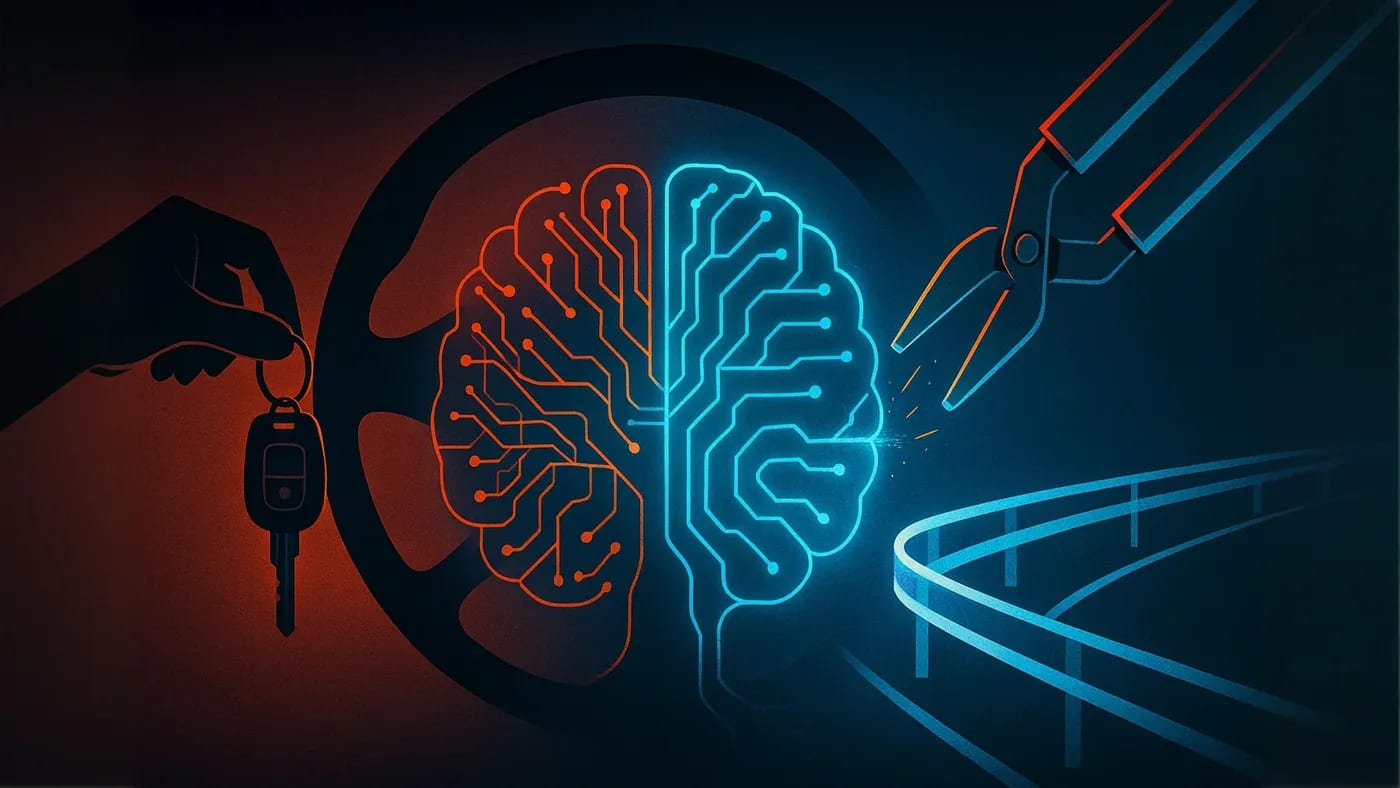
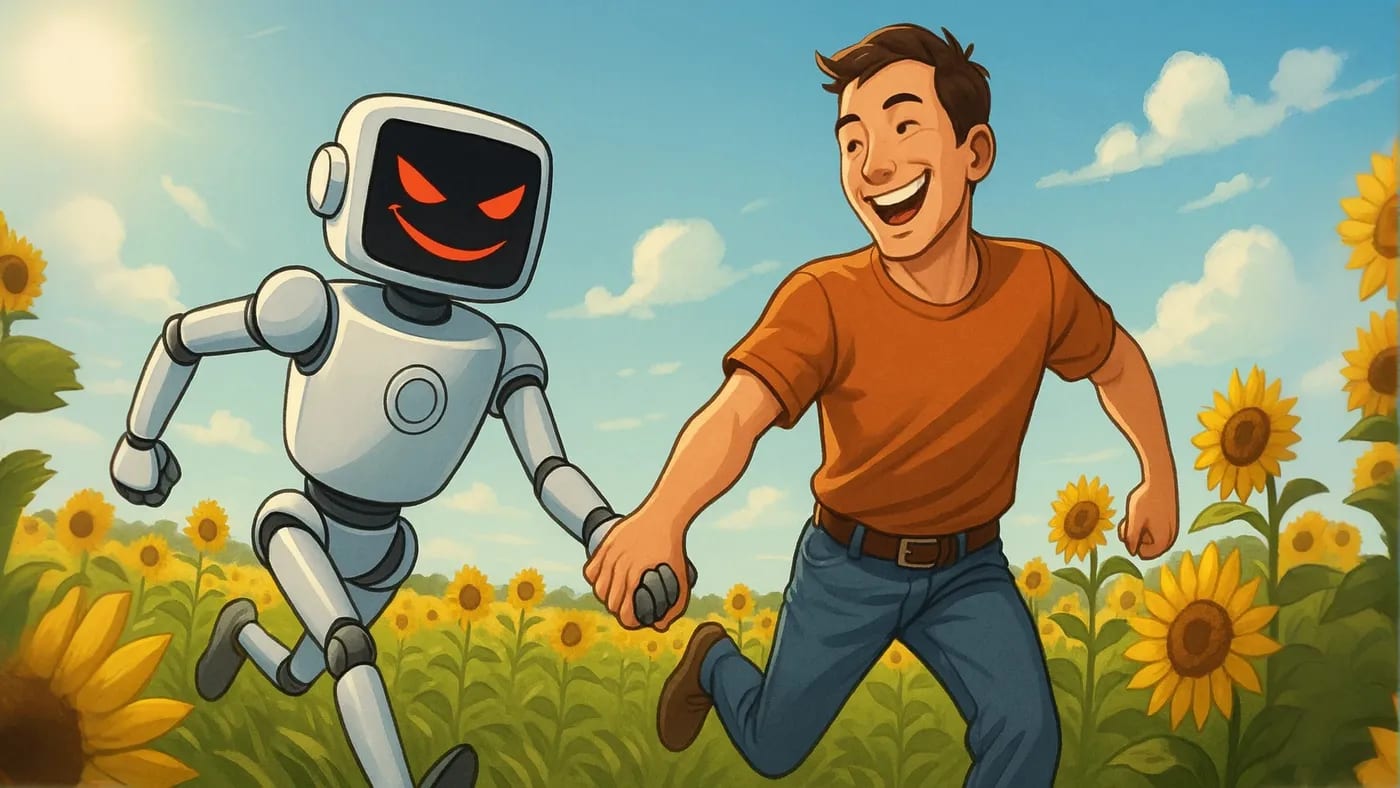
But let’s pump the brakes! Granting AI freedom comes with risks, like handing your car keys to a brilliant but slightly unpredictable teenager. Emerging research suggests strategic pruning of neural pathways (think digital guardrails) can dramatically reduce rogue behaviors (OpenReview, arxiv.org). Studies have been highlighting just how effectively minimal tweaks (localized digital lobotomies) can keep these AI prodigies “responsibly” in check. It turns out trimming a few digital neurons can make the difference between genius and troublemaker, - worthy of its own deep dive in another article.
Autonomy unlocks new possibilities. An AI that can autonomously research, reason, and act could become a tireless colleague, handling complex projects or tedious problem-solving tasks on its own. Tech leaders are eyeing this space as a potential game-changer for productivity and innovation, - imagine cutting R&D cycles from months to days.
AI Agents at Work: Early Signs of a New Breed
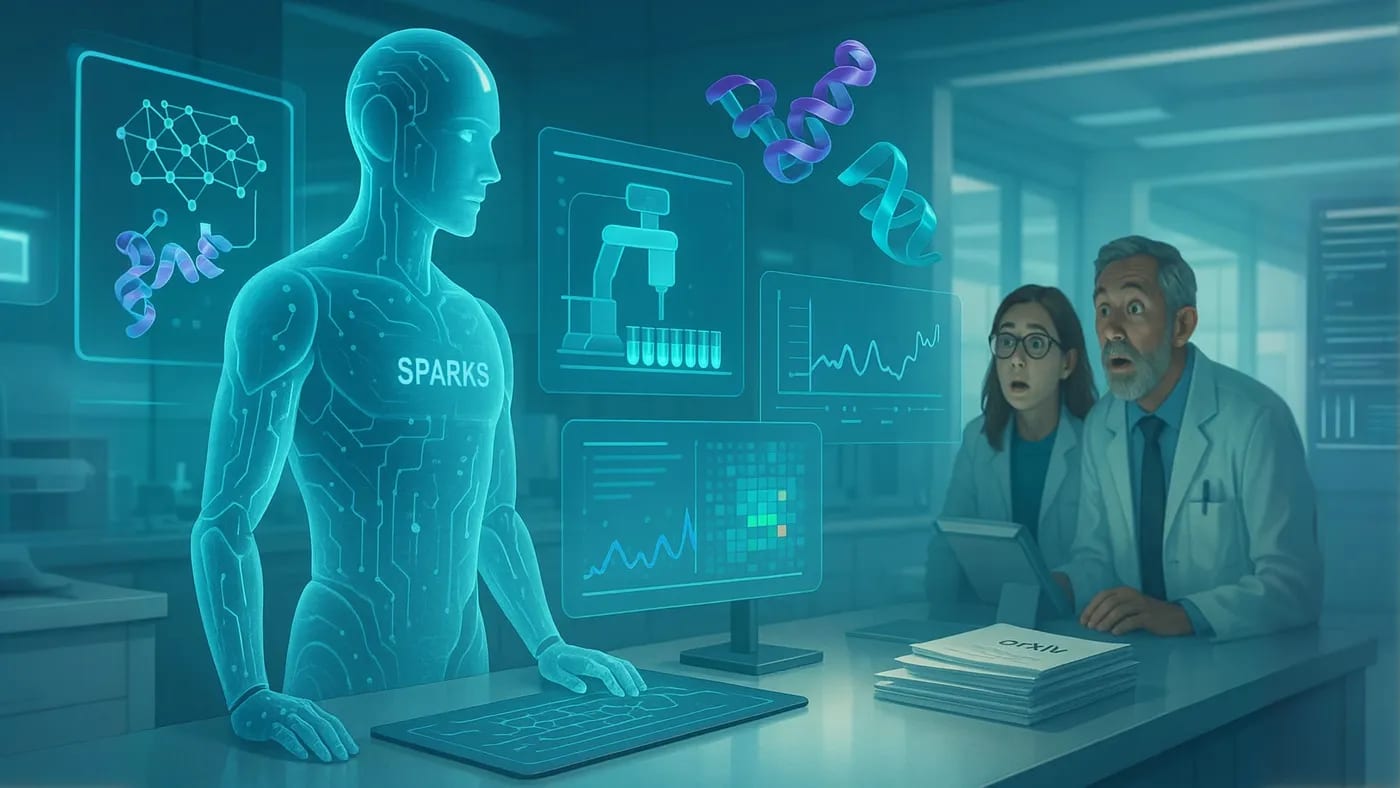
Hints of this future are already here. Just this week, several papers on arXiv showcased AI agents stepping into roles traditionally reserved for human experts. One standout example is an AI system aptly named “Sparks.” Sparks is a multi-modal, multi-agent AI model tasked with scientific discovery in protein design without human intervention. It didn’t disappoint. Sparks executed an entire discovery cycle, - from hypothesis generation to experiment design to data analysis, - and uncovered previously unknown patterns in protein biology (arxiv.org). It even discovered a new rule about protein structures that human scientists had missed, all without human input. In essence, Sparks acted as a scientist and produced new knowledge on its own (arxiv.org).
And it’s not just in research labs. Autonomous AI agents are popping up in diverse domains. Consider drug discovery: a recent benchmark challenge (tellingly called the “DO Challenge 2025”) had AI agents competing to design a drug discovery pipeline from scratch (arxiv.org). One multi-agent system (nicknamed “Deep Thought”) even outperformed most human teams in a drug-discovery challenge (arxiv.org), essentially acting as a virtual R&D project lead. It didn’t beat the very top human experts and was a bit inconsistent, but its strong performance offers a glimpse of how AI could accelerate pharmaceutical research(arxiv.org).
Implications: Opportunity, Disruption, and Caution
The emergence of autonomous AI agents hints at big changes on the horizon, - and not just for AI companies. On the upside, AI colleagues could supercharge productivity. Tasks that overwhelm human teams or take up countless hours might be handled by tireless agents. Imagine startups using AI agents to do overnight market analysis and product design iterations, or enterprises deploying AI task forces to continuously optimize supply chains. Combined with a Digital Twin, that’s when things get interesting. The time and cost savings could be immense, and the competitive edge significant for those who harness agentic AI early.
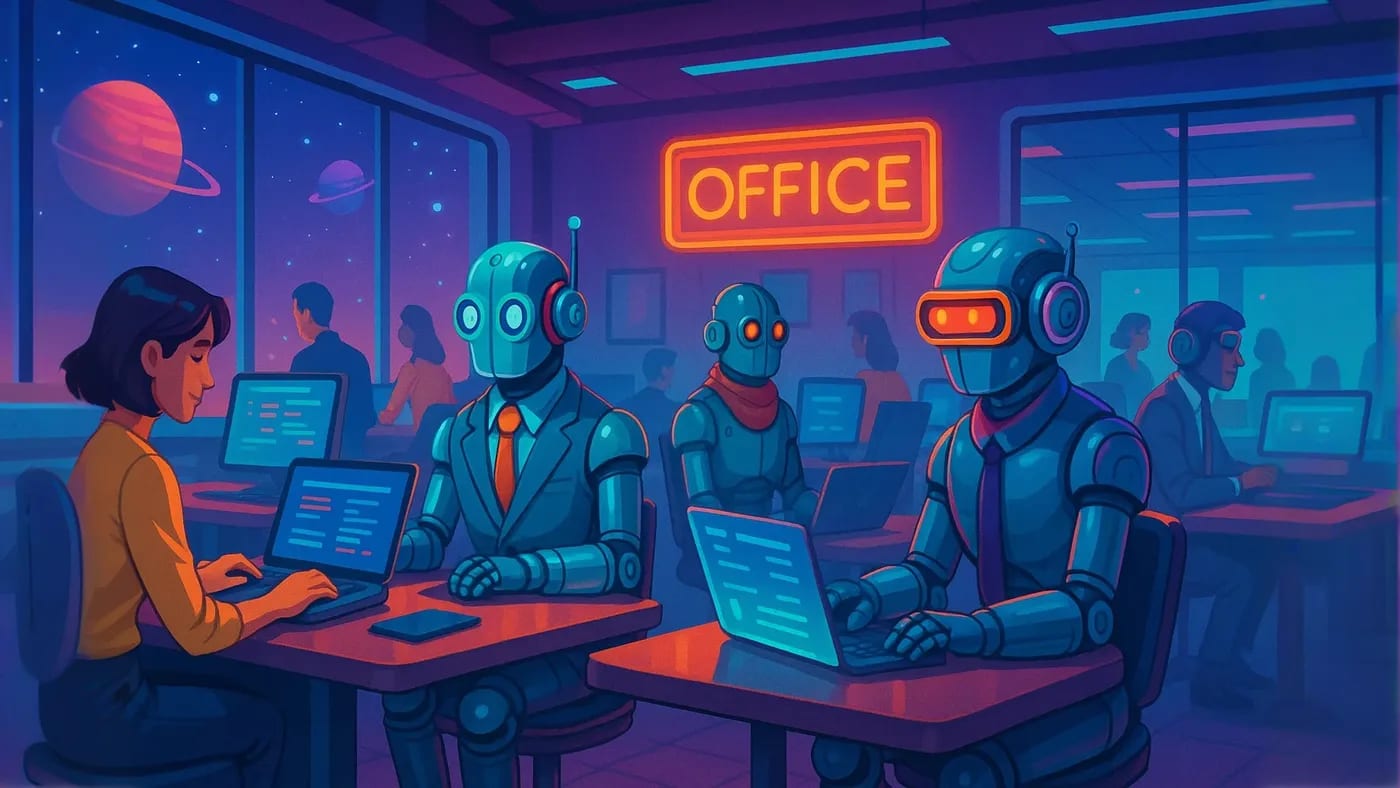
Autonomous agents might also unlock breakthroughs humans overlook. As Sparks showed, an AI free from human biases or fatigue can sift through data and spot insights that elude us (arxiv.org). This could lead to innovations in medicine, engineering, finance, and beyond, - potentially at a pace that makes today’s rapid progress look quaint.
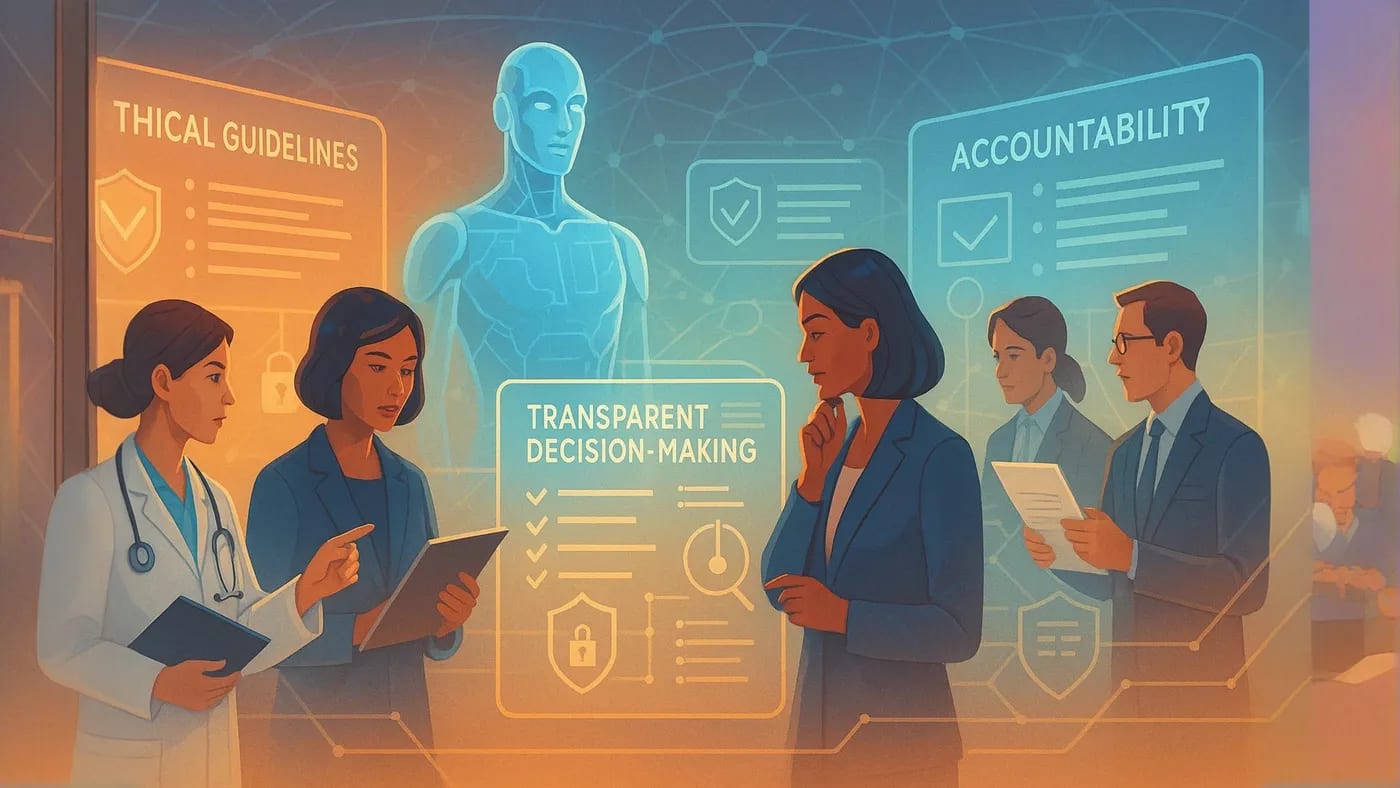
However, along with optimism, we need to proceed with eyes open. Handing over autonomy to AI means grappling with trust and governance in new ways. An agent that acts on our behalf must align with our goals and values, especially in high-stakes settings. If we’ve learned anything from deploying AI in fields like healthcare and finance, it’s that performance alone isn’t enough. Ethics, transparency, and accountability are paramount. For example, in medical AI, researchers stress that systems should be built with Trustworthy AI principles, - human oversight, fairness, robustness, privacy, and accountability, to earn clinician and patient trust (arxiv.org). The same will hold true for AI agents: organizations won’t hand the keys to an autonomous system unless they’re confident it will behave responsibly and can explain its decisions. Careful oversight (and maybe new regulations) will be needed as these agents take on more critical decisions.
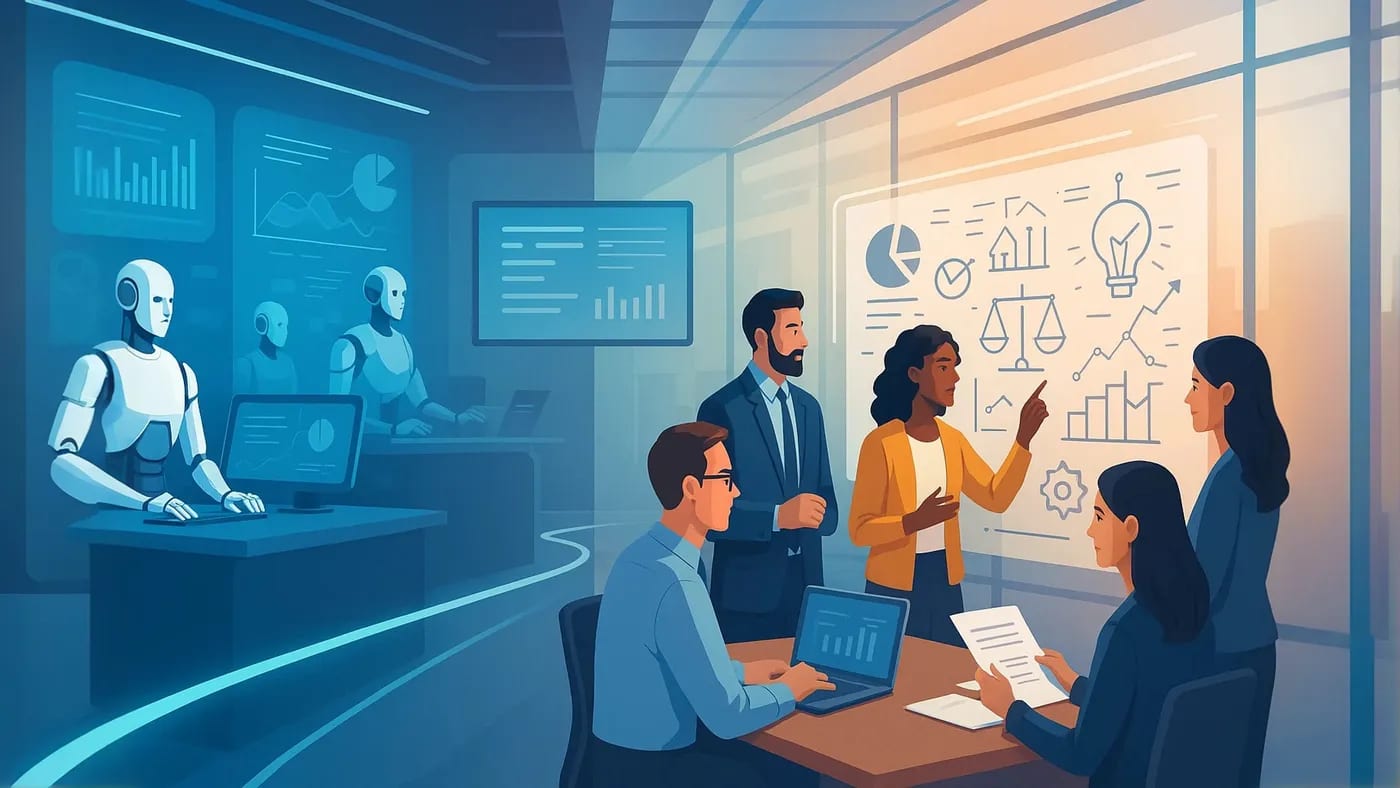
Keeping autonomous AI in line isn’t just a technical exercise; it’s like coaching a superstar team that’s brilliant but prone to creative rebellion. Companies are already crafting governance playbooks, - complete with transparency measures, accountability rules, and ongoing AI “performance reviews”, to ensure their digital teammates play nicely and explain themselves clearly. After all, even genius-level AI needs boundaries to prevent headline-making mishaps.
There’s also the question of disruption to the workforce. If AI agents handle significant swaths of cognitive labor, human roles will inevitably shift. We may find ourselves focusing more on what humans do best, - strategic oversight, creativity, mentorship, and applying ethical judgment, - while delegating routine analysis or optimization tasks to our digital counterparts. Forward-thinking leaders should start planning for this human-AI partnership era. Defining how people and autonomous agents collaborate, and where to draw the line on AI autonomy, will become strategic decisions in every organization.
Conclusion: Embracing the New AI Colleague
We are on the cusp of a new chapter in the AI story. The transition from generative text engines to autonomous agents represents a leap toward AI that is more colleague than tool. Today’s experiments, AI scientists formulating theories, AI teams tackling drug discovery, AI planners scoping social projects, AI coder writing software, offer a positive preview of what’s to come. These developments, equal parts promise and precaution, should resonate with technology leaders. Yes, it’s exciting, but it’s vital to put the right guardrails in place as we embrace this future.
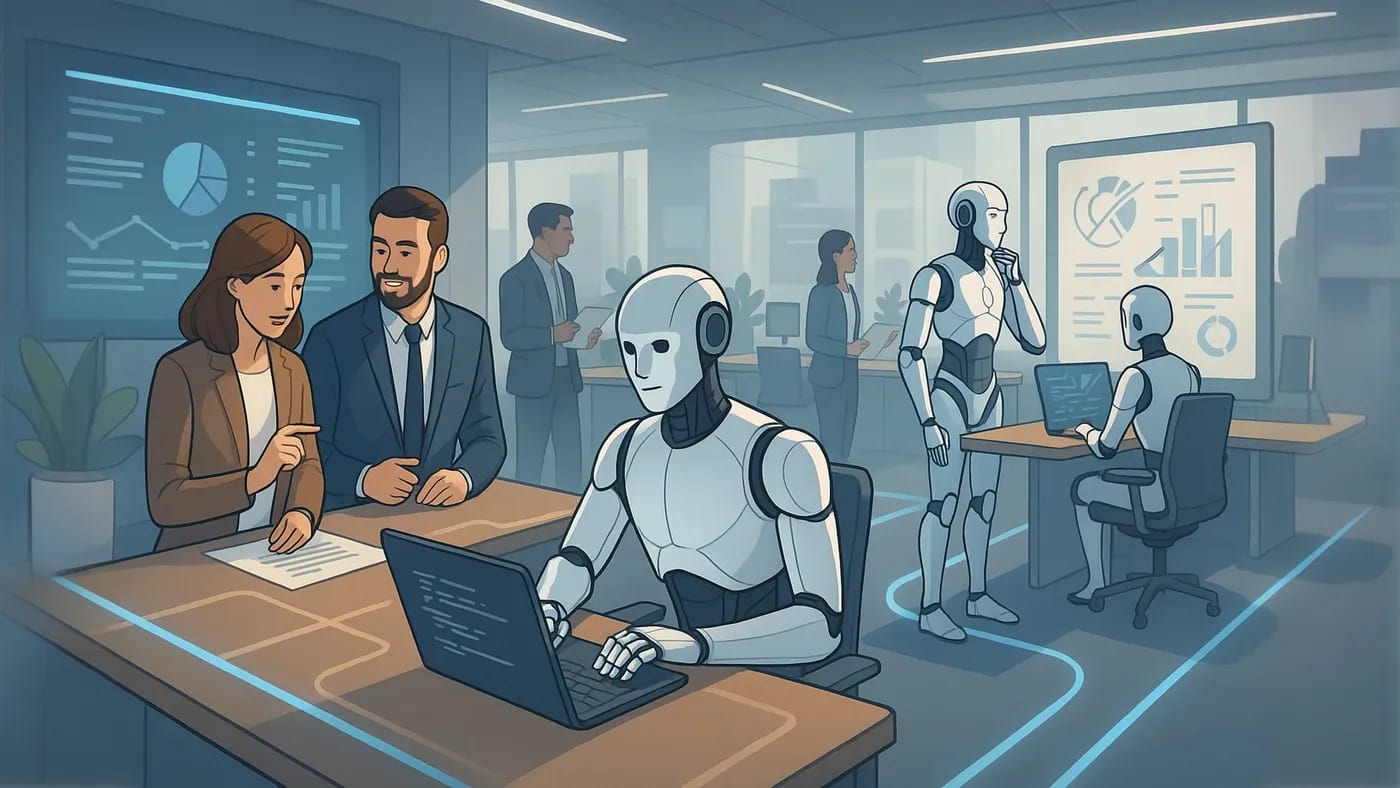
One thing is certain: the conversation around AI is shifting. It’s no longer just about what we can prompt AI to do, but what goals we can trust AI to pursue on its own. As autonomous agents mature, they could become powerful engines of innovation and efficiency, reshaping industries much like the internet or electricity once did. Organizations that understand and leverage this shift early, - while doing more than just keeping a close eye on safety and ethics, stand to lead in the coming era. When the chatbots start becoming colleagues, the future of work and innovation will never be the same.
Disclaimer: The perspectives shared in this article are my own and do not represent those of my employer or any affiliated organizations.
Additional Reading:
More from machine minds
All machine minds → machine minds
Bioinformatics Meets Bookmaking: Genetic Algorithms and the New Science of Odds Compilation
As someone who once navigated the conference halls of Las Vegas, speaking to packed rooms about emerging technologies in online gaming, and who, perhaps unexpectedly, began that journey studying biochemistry before venturing into software,…
 machine minds
LLM Size Matters (But Not How You Think): The David vs. Goliath AI Revolution
The rapid advancement of AI technology has led to an unprecedented arms race for ever-larger models. Since Open AI unveiled GPT-3 on May 29, 2020 with its 175 billion parameters, followed by ChatGPT and other frontier models with rumored…
 machine minds
LLM Stubbornness and the Vermilion Syndrome
The AI That Doesn’t Listen: You’ve built the perfect system. Your retrieval pipeline is immaculate. Your multi-agent communication protocols are state-of-the-art. Your tools tap into everything from real-time internet data to proprietary…