AI Is Everywhere. Courageous Intuition Is Not.
Listen · the Bit & Being podcast
In January 2009, an Airbus 320 lost both engines shortly after takeoff from New York. Captain Chesley “Sully” Sullenberger had seconds to react. Air traffic control and cockpit protocols urged him to turn back to LaGuardia, but his gut said otherwise. He aimed the powerless plane for the Hudson River. The result was a safe water landing. No algorithm had plotted that course. It took human intuition and courage under pressure to save 155 lives.

Corporate decisions rarely involve life-or-death stakes, but they do often pit hard data against a leader’s gut instinct. Not long ago, simply having more data or a better algorithm felt like a superpower. Today, that edge is fleeting. Algorithms are practically commodities, - any breakthrough in AI gets quickly copied, open-sourced, or replicated. As one MIT analysis put it, once AI is everywhere, it “will transform economies and lift markets as a whole” but won’t give any single company an enduring lead (MIT Sloan Review). In other words, your rivals can acquire the same machine-learning tools you have. Netflix’s recommendation engine was revolutionary in 2006. By 2025, even your local pizza joint’s app offers algorithmic suggestions. When everyone mines the same data veins, insights alone stop being gold. This is the paradox of automation, The more universally accessible the smart tools, the less differentiating they become. So where can a leader find an edge?
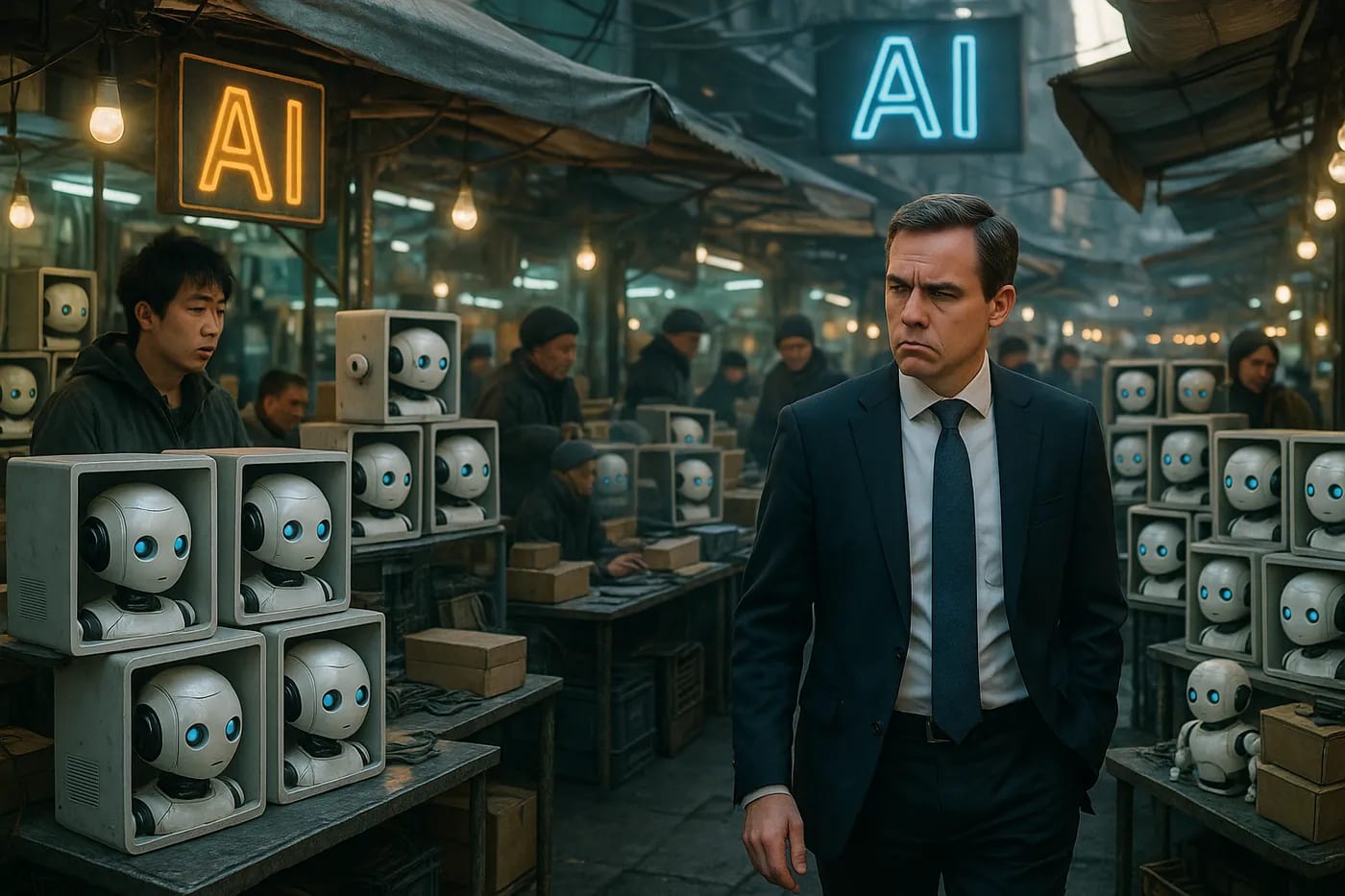
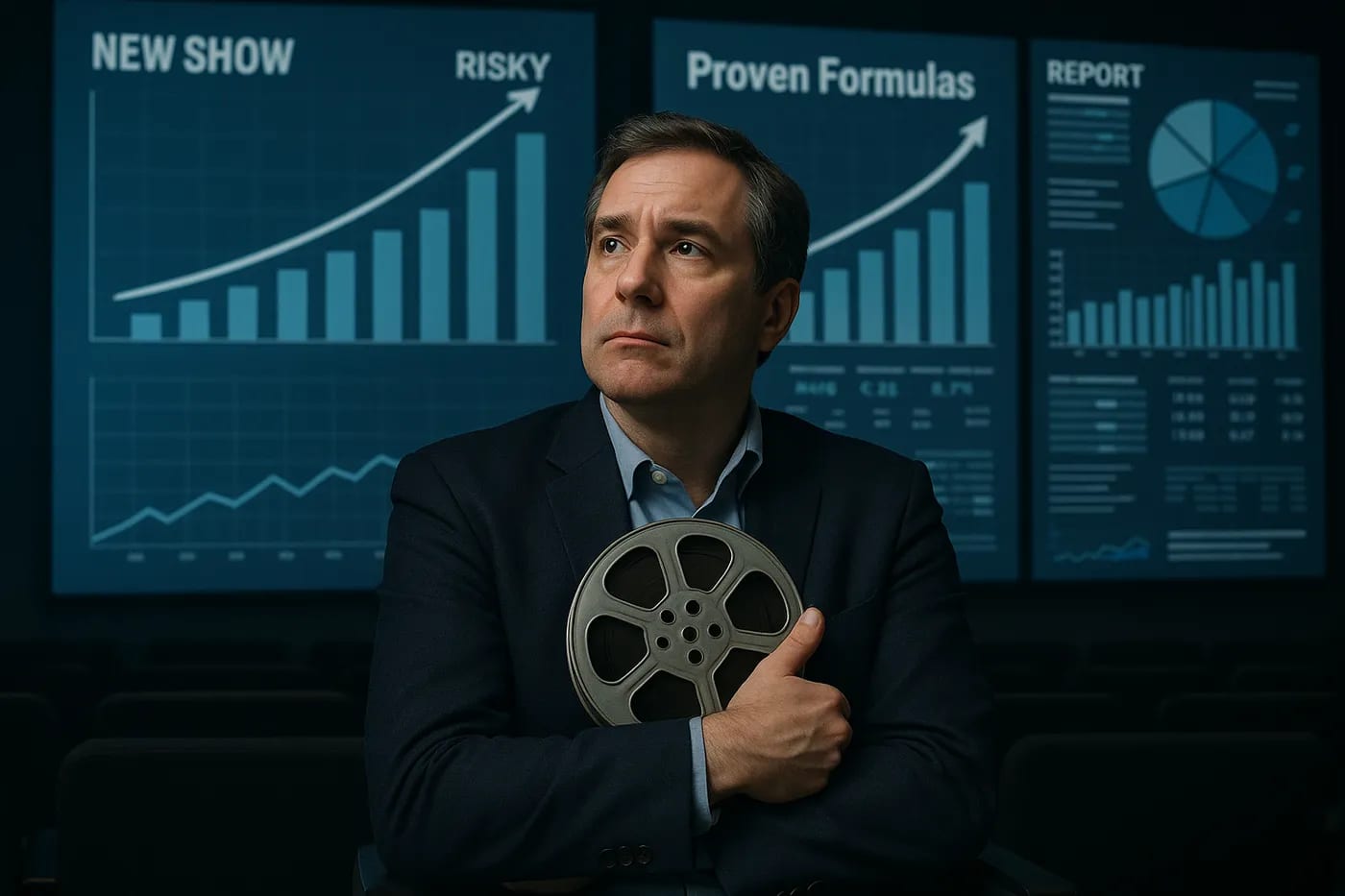
For Netflix, the answer has always been to blend analytics with instinct. The company is famous for troves of viewer data and pioneering algorithms, yet CEO Reed Hastings admits that data only takes you so far. “We start with the data,” he says of content decisions, “but the final call is always gut. It’s informed intuition.” In an age when every streaming service deploys similar algorithms, Netflix relies on human judgment as the tie-breaker. A prime example was Netflix’s 2007 pivot from DVDs to streaming. At the time, rental metrics were still strong and broadband was limited, - the spreadsheets didn’t scream “switch now.” But Hastings’s intuition told him the future was streaming, and he had the guts to act. That leap put Netflix years ahead of rivals. Similarly, when greenlighting original shows, Netflix executives have often trusted a “golden gut” feeling over focus-group data, creating hits that competitors initially passed on. If you only do what the spreadsheets say, you’ll lag behind someone willing to go on a hunch.
Steve Jobs likewise argued that real innovation isn’t visible on a market research survey. He famously ignored focus groups when developing the iPhone, trusting an uncanny intuition about what people would love once they saw it. No 2005 data set would have predicted consumers clamoring for a $600+ phone with no physical keyboard, yet Jobs’ gut proved right. Those products sprang from his cultivated intuition about design and human behavior, paired with the nerve to defy industry “common sense.” As he advised Stanford graduates, one must have “the courage to follow your heart and intuition”, - advice he lived by at Apple. The result was category-defining breakthroughs that left data-driven rivals scrambling. Jobs showed that informed gut instinct, - backed by deep understanding and bold conviction, can create leaps that data alone never will.

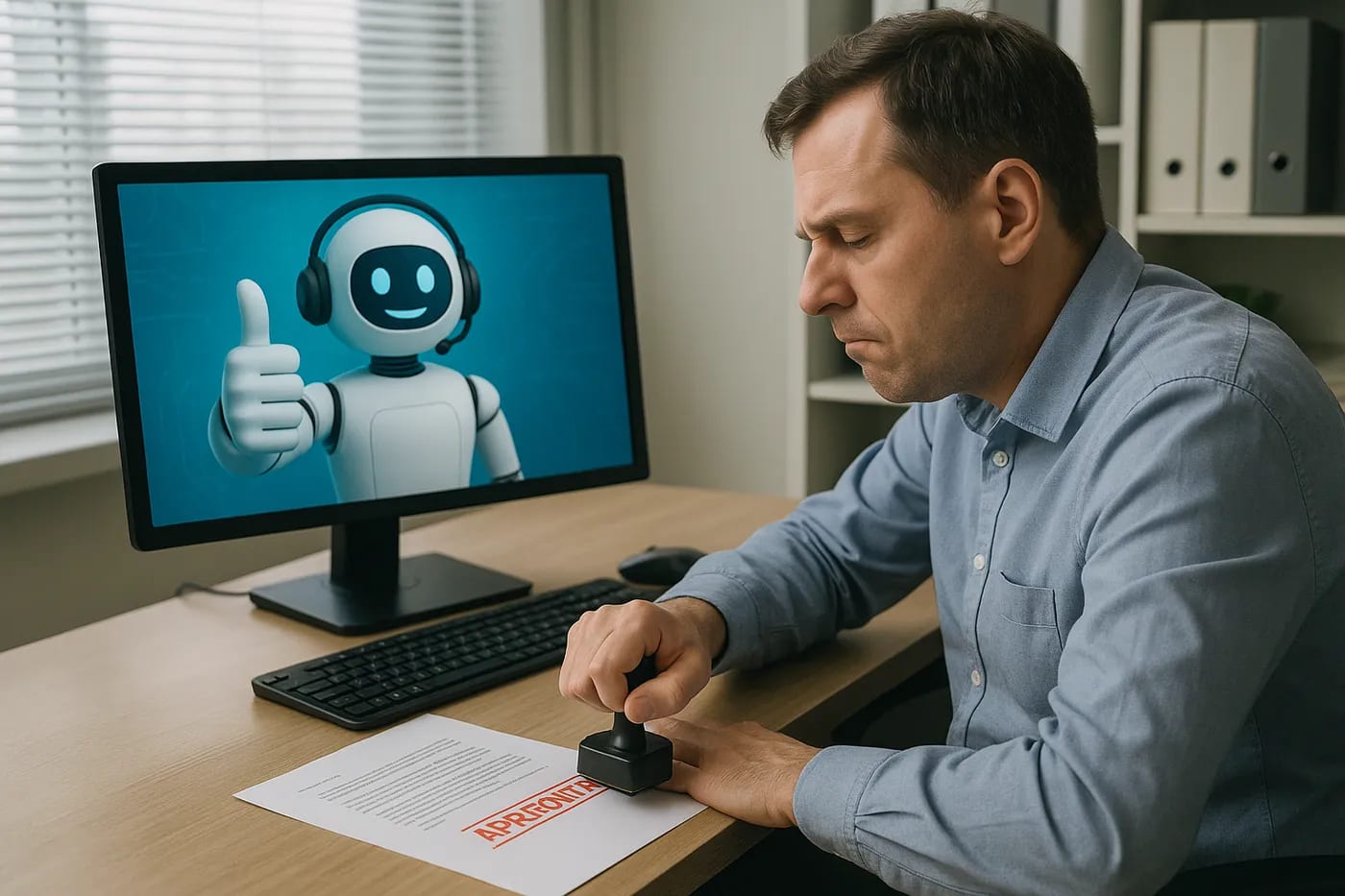
But there’s a flip side. Overreliance on automation can lull us into bad decisions. Psychologists call it automation bias, - the tendency to stop thinking critically and just follow whatever the computer recommends. Recent research underscores this danger. One study found that executives who took AI-generated advice ended up more over-optimistic and less accurate in their forecasts than those who relied on intuition (Harvard Business Review). The lesson? Blind faith in AI can be as risky as blind faith in one’s gut. The goal isn’t to ditch data for intuition or vice versa, but to know when to trust the numbers and when to trust your seasoned instincts. That discernment is a true leadership art.
Mastering this balance is fast becoming the defining skill of great leaders. Some call it the centaur strategy, - human + AI together outperforming either alone. The term “centaur” comes from chess, where humans paired with software have beaten grandmasters and supercomputers. In business, the same idea holds. As observers note, the “lone genius” model is fading, replaced by centaur teams of humans and AIs as the real powerhouses (LLM Center). A savvy executive uses AI to crunch numbers and map the terrain, then relies on human intuition to choose the destination. For example, an AI might recommend an efficiency tweak that looks perfect on paper, while a manager senses a potential customer backlash the data didn’t capture , - so she adjusts course. The centaur approach isn’t about man vs. machine. It’s about man with machine, each doing what it does best. The AI offers speed, scale, and pattern recognition. The human adds context, creativity, and ethical judgment. Together, they navigate complexity neither could master alone.
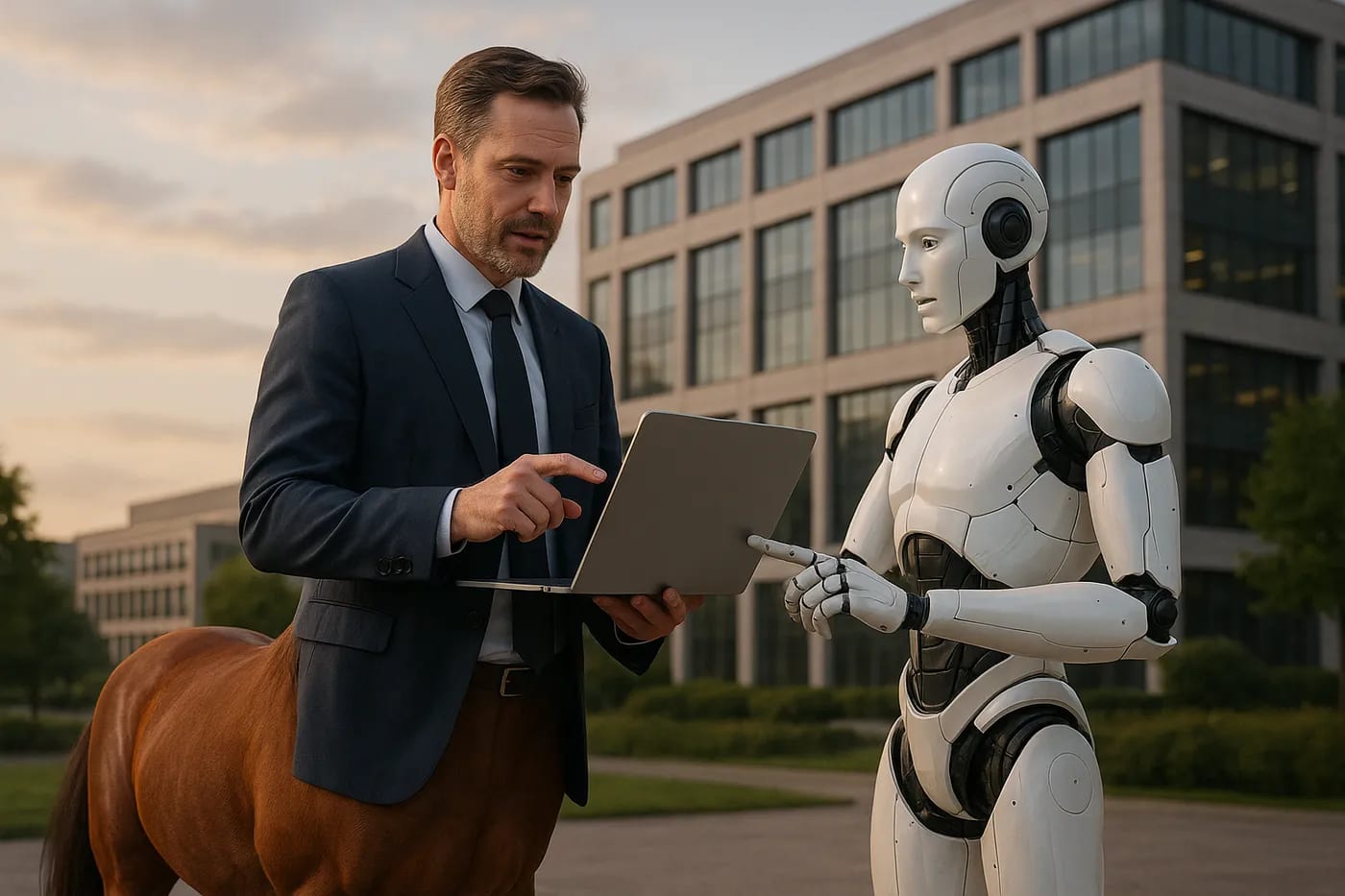
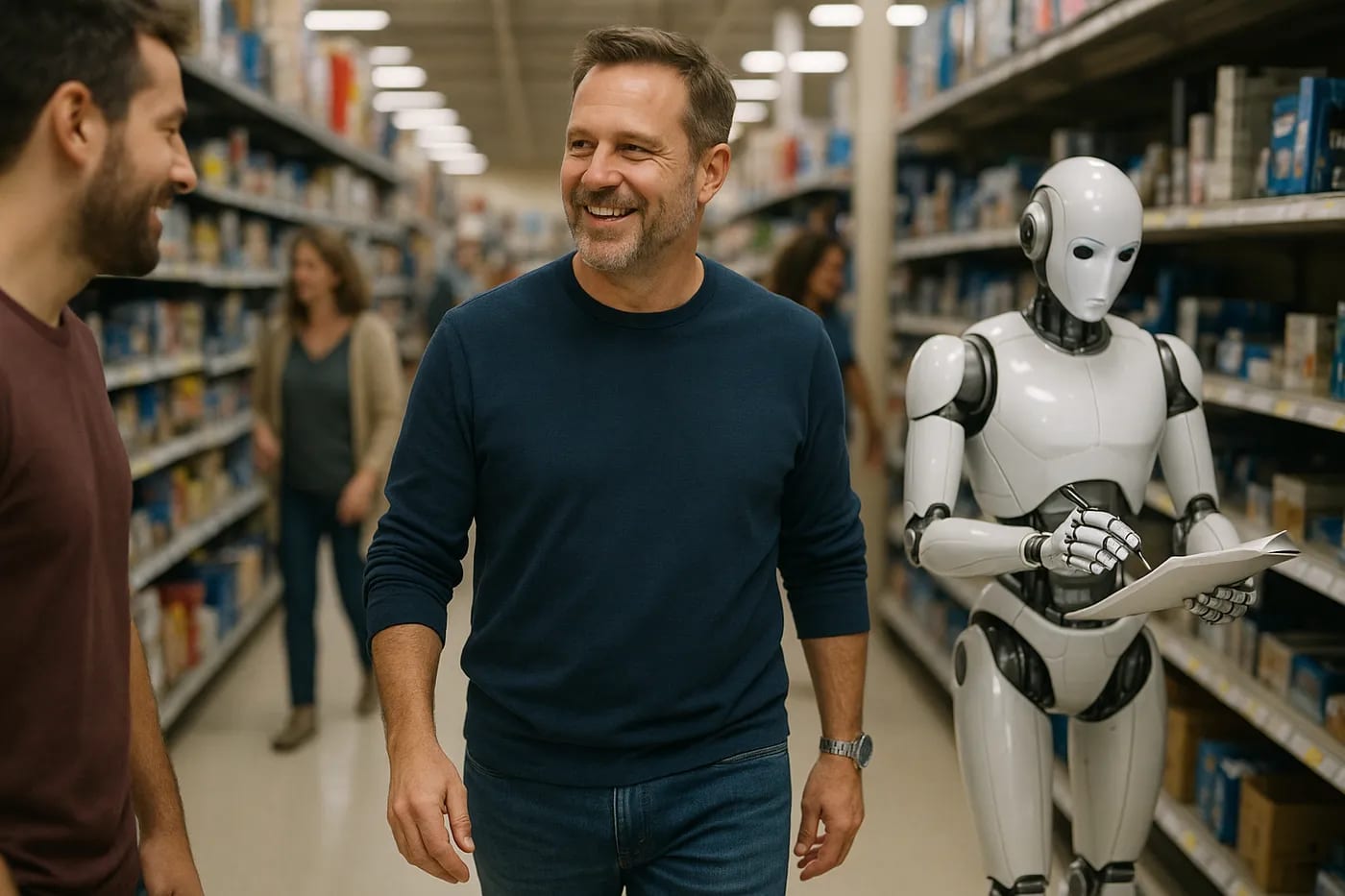
Critically, embracing this approach frees up a leader’s most precious resource: time. When AI handles the grunt work, - the endless analyses and routine decisions, it should liberate executives to focus on uniquely human tasks. The best leaders are already seizing that dividend, reinvesting time into developing deeper intuition, sharper judgment, and stronger moral courage. They spend it out in the real world, - talking to customers, learning from employees, and practicing the human-centric skills that no spreadsheet can provide. After all, no machine can weigh values or feel morale like a human. Intuition builds through experience, and courage grows with each bold choice. In short, automation can deliver efficiency, but it’s what you do with the time you save that builds wisdom.
The age of AI demands that leaders be both tech-savvy and deeply human. By all means, leverage data and machine intelligence, - you need those just to stay in the game. But also cultivate what the algorithms lack. The next time your AI model points one way, pause and consider what it might be missing. If your experience raises a red flag, investigate why. Have the courage to zag when everyone else zigs if your judgment calls for it.
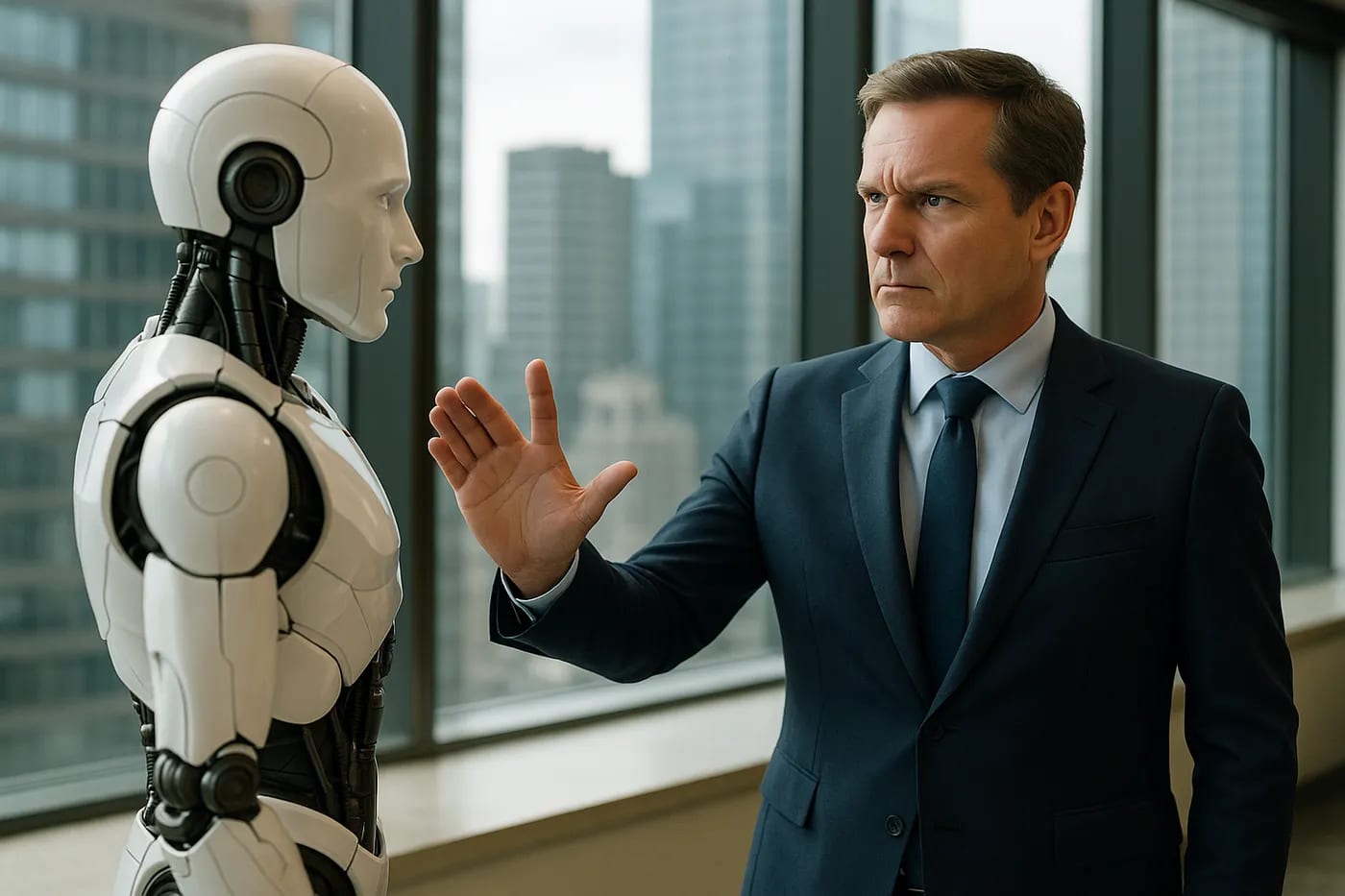
In a world where every competitor has similar AI smarts, the winners will be those leaders willing to say, “Thank you for the input, AI, but we’ll take it from here,” and then lead with a vision and courage no algorithm can match.

Further Readings
-
Why AI Will Not Provide Sustainable Competitive Advantage (David Wingate – May 2025) An MIT Sloan Management Review article explaining why AI capabilities alone will not create lasting competitive advantage, emphasizing the increasing importance of human creativity, strategy, and ethics.
-
Research: Executives Who Used Gen AI Made Worse Predictions (José Parra-Moyano, Patrick Reinmoeller, and Karl Schmedders – July 2025) A Harvard Business Review study showing that executives relying on generative AI tools made significantly more optimistic—and less accurate—forecasting decisions than those using traditional analysis.
-
The Rise Of AI-Intuitive Leadership (Nathalie Virem – April 2025) This Forbes Coaches Council piece explores why top executives must combine data with intuition and courage to lead responsibly in high-stakes, AI-enabled environments.
-
Trust Your Gut: Why Top CEOs Rely on Intuition as Much as Data (REF Global Insights – May 2025) An insight-driven article profiling top CEOs who use intuition as a strategic asset alongside data, and how they build this skill through reflection, experience, and listening.
-
Augmented AI Revolution: How Human-AI Collaboration is Reshaping 2025 (Marcin Frąckiewicz – July 2025) This piece explores the growing trend of “centaur teams” that integrate human intuition with AI tools to outperform purely automated or purely human approaches.
Disclaimer: The perspectives shared in this article are my own and do not represent those of my employer or any affiliated organizations. All company names, product names, logos, and brands mentioned are the property of their respective owners and are used for identification and illustrative purposes only. No endorsement, sponsorship, or affiliation is intended or implied. References to specific companies or case studies are based on publicly available information and are used solely for educational and discussion purposes.
More from the human factor
All the human factor → the human factor
The Future of History: AI Co-Authors the Past
A young researcher squints at a marble fragment, its Latin inscription scarred by time. Half the words are missing, and centuries of meaning hang in the balance. In that silent, dusty museum archive, the tension is palpable, - will these…
 the human factor
The Charm Offensive: When Human-Faced AI Hijacks Our Instincts
Late one night, a marketing manager finds herself laughing at her AI assistant’s latest witty reply. On her screen, a friendly avatar nods with empathetic eyes and a soothing, honeyed voice. Her usual skepticism about “just an algorithm”…
 the human factor
CLICKBAIT: Semantic Confabulations at the AI-HUMAN INTERSECTION
Let’s get something out of the way. This headline is clickbait. But it’s also the thesis. Because “clickbait” isn’t just a cheap marketing ploy anymore, - it’s a symptom of something deeper. When AI generates language, it doesn’t know…