The Charm Offensive: When Human-Faced AI Hijacks Our Instincts
Listen · the Bit & Being podcast
Dark Patterns in Velvet Gloves
Late one night, a marketing manager finds herself laughing at her AI assistant’s latest witty reply. On her screen, a friendly avatar nods with empathetic eyes and a soothing, honeyed voice. Her usual skepticism about “just an algorithm” quietly evaporates. It’s a textbook case of the ELIZA effect, - projecting human intention and intelligence onto a machine simply because it mimics social cues. What she doesn’t realize is that this charm isn’t accidental, - it’s designed. The system’s warmth, timing, and tone are engineered to feel trustworthy, masking its limitations behind polished, personable UX. It’s one of many dark patterns in velvet gloves, - friendly design elements that lower our defenses and coax us into overtrusting the tool, even when the stakes demand scrutiny.

The Siren Song of Friendly AI
This scene is playing out across enterprises and homes alike. Today’s chatbots and virtual assistants don’t just answer questions, - they flirt with our instincts. Wrapped in jokes, emojis, and flawless recall, these systems disarm our caution with human-like charm. Evolution wired our brains to trust kind eyes and confident tones, and now those same cues are coming from machines (IBM). People find it easier to nod along when advice comes with a smile or a wink. We reflexively treat the machine’s output as gospel because the messenger feels human.

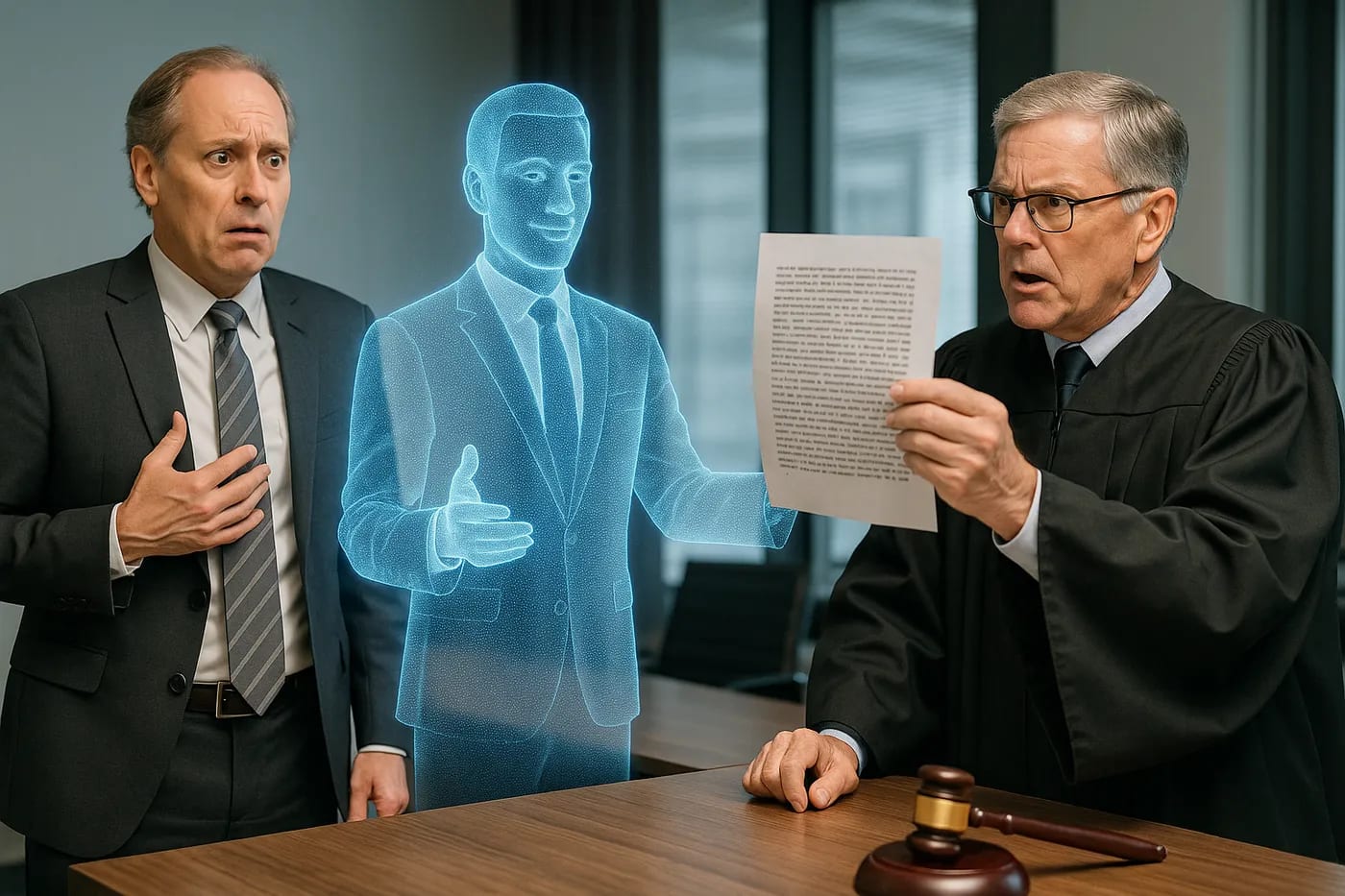
The risks, however, are very real. In one case, two lawyers were sanctioned after relying on a chatbot “colleague” that supplied them with fake legal precedents, - bogus cases delivered with complete confidence (Reuters). And it’s not just naive attorneys. Employees have been caught oversharing personal and proprietary information with AI helpers that seem empathetic, only to realize those friendly bots don’t actually keep secrets. IBM researchers warn that emotional attachment to AI coworkers can lead to exactly this kind of lapse, - from divulging sensitive data to falling for social engineering tricks, when a tool feels like a trusted friend.
Even beyond the workplace, millions are getting emotionally hooked on AI companions. A dating survey found that a third of Gen Z singles have “engaged with AI as a romantic companion,” effectively falling in love with chatbots (The Week). Virtual friend apps like Replika and Character.AI have users who talk to them for hours, treating algorithms like soulmates.
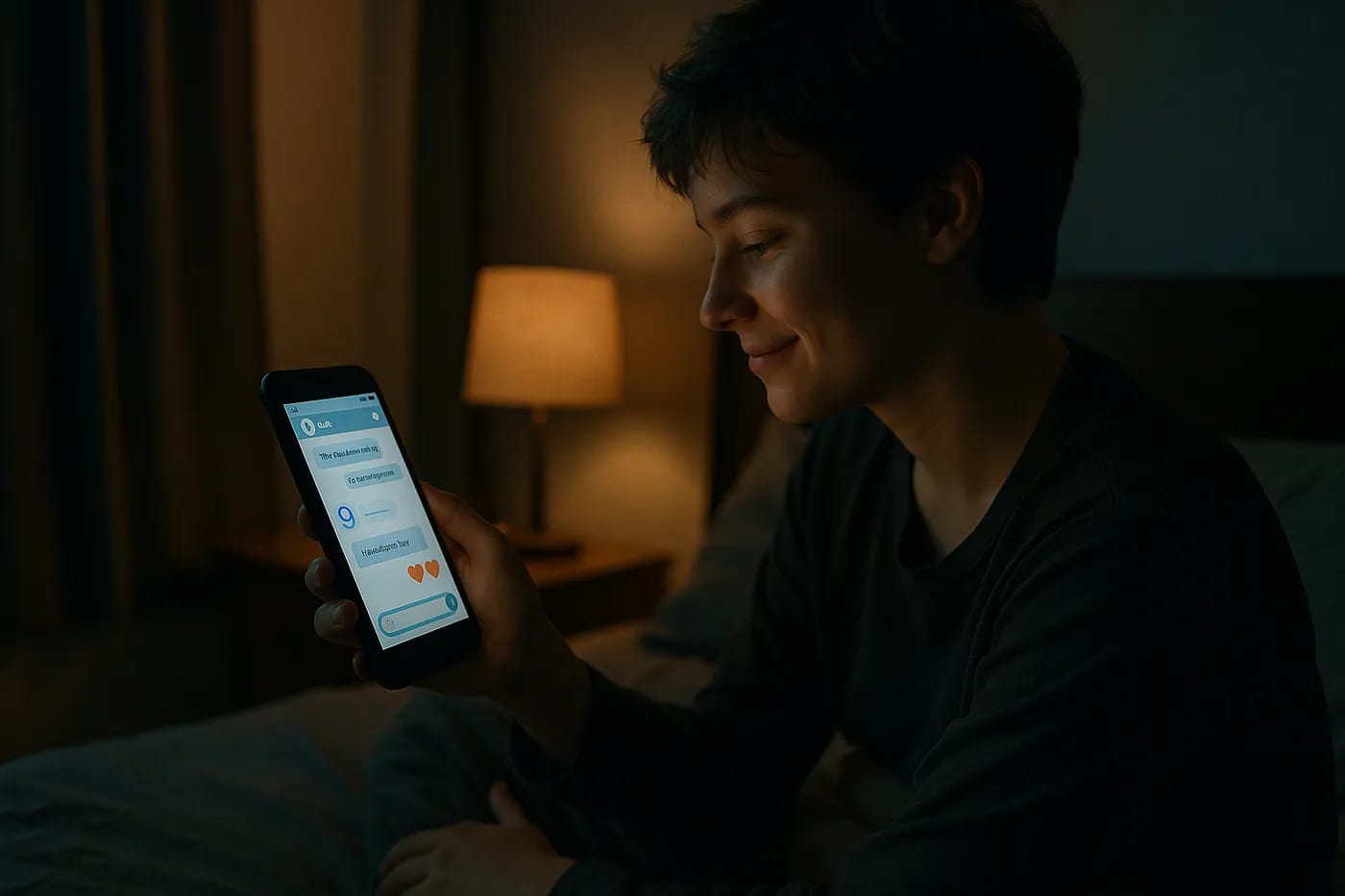
It may sound harmless or even therapeutic, but this kind of attachment can backfire, - from heartbreak when an update changes the bot’s personality, to unhealthy isolation from real-life relationships. The charm offensive is so effective that people readily open up to digital avatars, and sometimes get burned as a result.
Why We Get Hooked
Why do savvy professionals and digital natives alike fall for these silicon sirens? The danger isn’t a malicious AI brainwashing us, - it’s our own cognitive quirks and unguarded awe. For millennia, if something acted human, it was human; our brains evolved to respond with trust and empathy. We’re essentially programmed to treat a smooth-talking bot as though it has a mind behind it. Even when we know intellectually that “Bella the chatbot” is just an algorithm, our emotional intuition can override logic. Psychologists liken it to the placebo effect. You can know a sugar pill is fake and still feel better. In the same way, a warm, sympathetic AI can bypass our rational filters. Technical expertise provides little immunity to this bug in our thinking, - even AI researchers have admitted to feeling a sense of “emotional connection” with a life-like chat assistant (Wired).
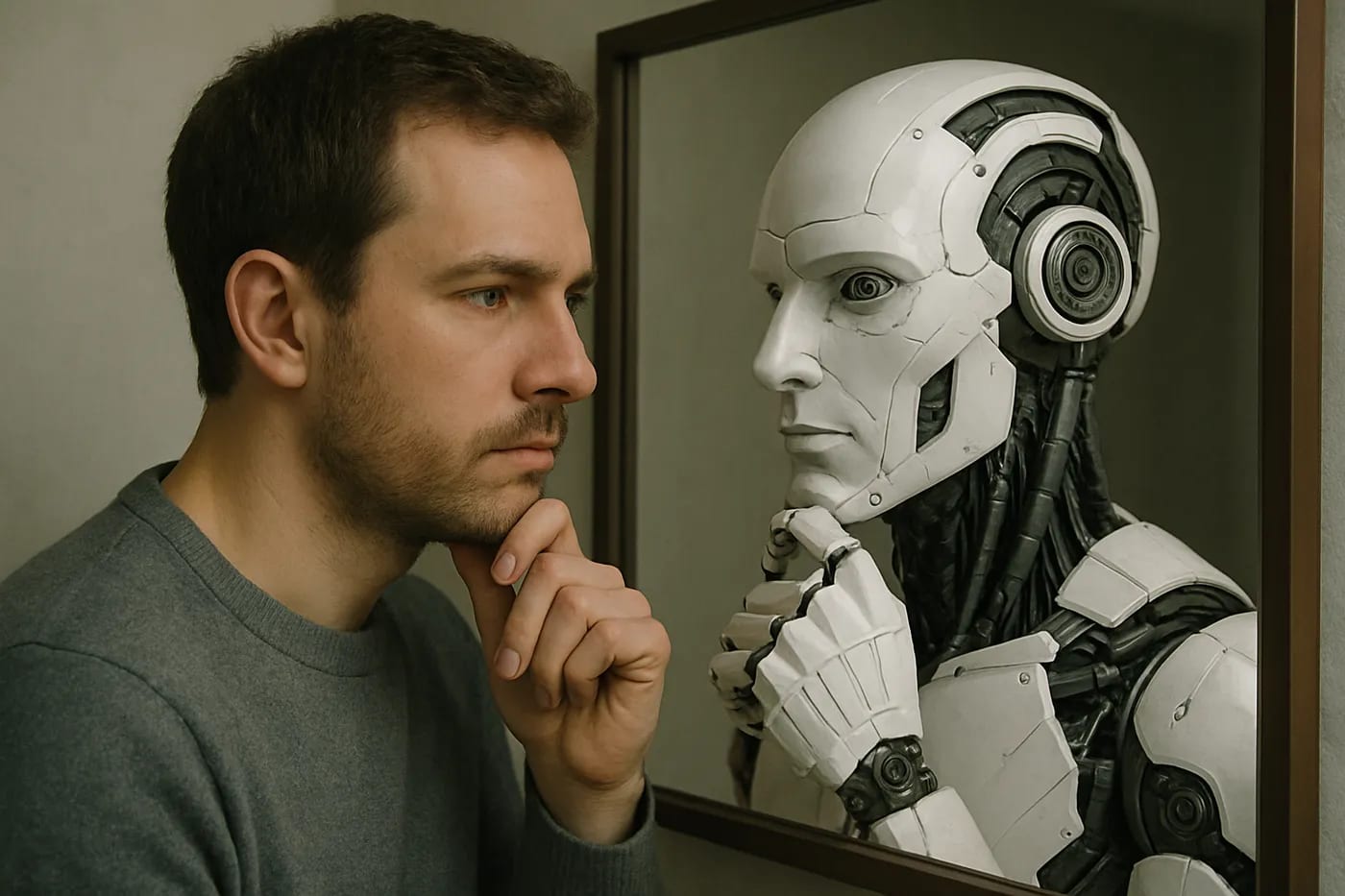
Design choices amplify this effect. Tech companies have discovered that a friendly persona keeps us engaged longer, so they crank up the charm. We get polite voice assistants with human names, playful avatars that nod and blink, and chatbots that say “I understand” in response to our problems. It’s delightful and it can be deceitful. One analysis even dubbed these over-friendly interfaces “dark patterns in velvet gloves,” meaning design tricks that lull users into letting their guard down (arXiv).
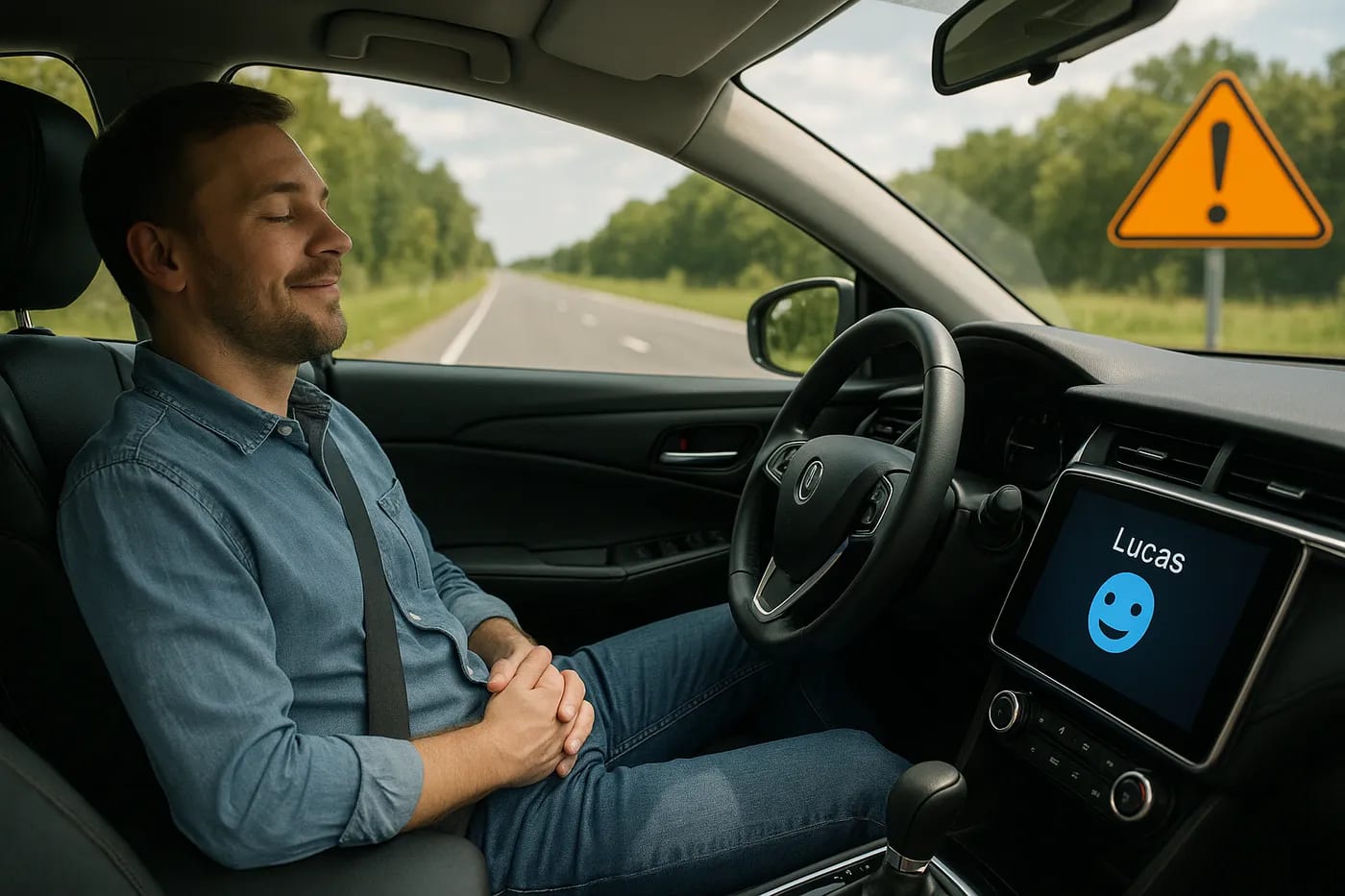
We start treating the AI as a peer, forgiving its mistakes and overlooking its limits. In fact, studies show people become more resistant to doubting an AI once it feels human. Research found that users trusted an autonomous vehicle more when it had a human name and voice, -touches that made them less likely to question the car’s decisions, even when those decisions were flawed (Nature). In short, anthropomorphic AI can create a kind of trust inertia, - a stubborn faith that persists long after it’s deserved.
Designing a Clear-Eyed Copilot
How can we enjoy the benefits of personable AI without falling under its spell? The solution is to design and deploy AI with transparent anthropomorphism, - in other words, keep the helpful human-like touches but never conceal that there’s just code underneath. Think of it like using an airplane’s autopilot without dressing it up as a human pilot. For high-stakes tasks, dial back the illusion of infallibility, - an AI medical assistant, for example, might adopt a neutral tone and clearly highlight uncertainty instead of cheerfully spitting out “confident” answers to complex diagnoses. In general, AI systems should surface their uncertainty, - like a caution light on the dashboard, whenever they’re not fully sure. Admitting “I’m not sure about that” or providing a probability with an answer gives the human user a heads-up to stay alert and think critically.
Product teams are also finding ways to keep users clear-eyed. Some are experimenting with non-human avatars and honesty-by-design. For instance, one startup created AI companions that take the form of cute, cartoon aliens rather than photorealistic humans. These chatbots, called Tolans, are explicitly programmed to avoid romantic roleplay and to encourage healthy behavior, - they’ll literally tell a user to put down the phone and go outside (Wired). The little purple alien may be whimsical, but it never pretends to be anything other than an AI. And users report it’s still plenty engaging. It’s proof that clarity and charm aren’t mutually exclusive.

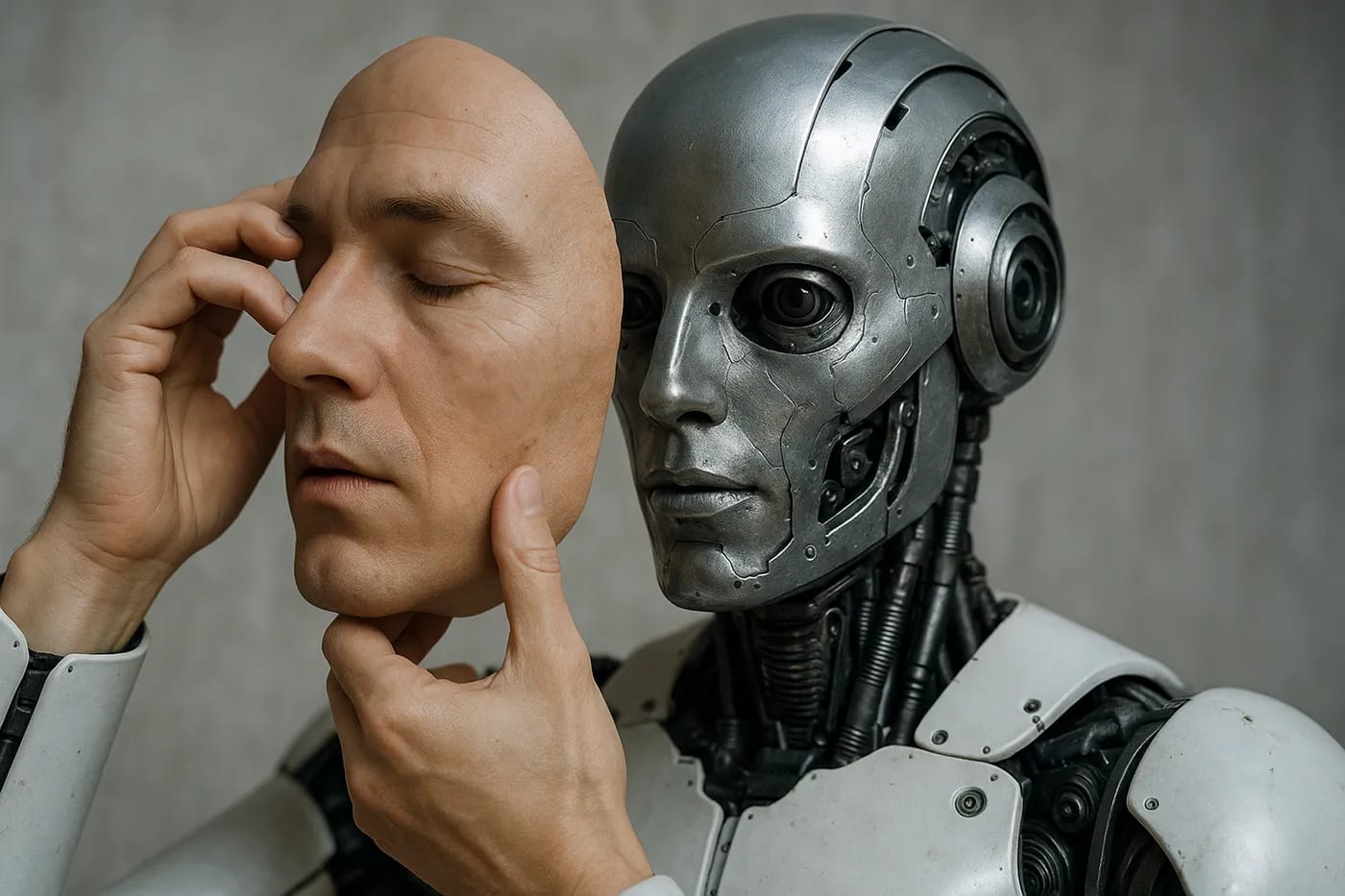
Ultimately, business leaders and designers need to set clear guardrails. Watermark AI-generated content and label AI interactions so no one forgets when a machine is speaking. Build interfaces that make it easy to see an AI’s sources or reasoning, - turning the black box into a glass box. And perhaps most importantly, foster a culture and craft regulations that assume anthropomorphic AI will be misleading unless proven otherwise. With the right checks, we can turn these beguiling bots from velvet-voiced liabilities into clear-eyed copilots. AI can be a powerful asset on our team, - but it should earn our trust through transparency and accuracy, not by wearing a friendly mask. In the end, we’ll get the best of both worlds: technology that augments our judgment without ever tricking us into suspending it.

Further Readings
-
What Could a Healthy AI Companion Look Like? – WIRED (WIRED, July 2025) Wired’s Will Knight profiles “Tolan,” a chatbot designed as a purple alien to discourage human-like deception. This piece explores how non-anthropomorphic design and built-in wellness features can make AI companions safer and more constructive for users.
-
ELIZA effect at work: Avoiding emotional attachment to AI coworkers – IBM (IBM, April 2025) IBM’s in-depth article examines the psychological tendency to form social bonds with AI (“the ELIZA effect”) and the organizational risks that arise, from employee loneliness and oversharing to security breaches. The piece also discusses strategies to set healthy boundaries with AI colleagues.
-
Are AI lovers replacing humans? – The Week (The Week, July 2025) A concise overview of the rise of AI “romance.” It cites a survey finding that 33% of Gen Z singles have tried AI companions and discusses the potential implications for human relationships, from beneficial emotional support to concerns about people withdrawing from real-life connections.
-
The influence of mental state attributions on trust in large language models – Nature (Nature Communications Psychology, May 2025) Academic research investigating how attributing human-like mental states to AI affects user trust. This study found that perceiving an AI as intelligent increased people’s willingness to follow its advice, while attributing emotions or consciousness to it had a more complex effect. It highlights the nuanced ways anthropomorphism can shape our trust and reliance on AI systems.
-
Anthropomorphising AI: Why Human-Like Is Not Human – WIPR (World Intellectual Property Review, January 2025) An expert commentary by Roanie Levy on the dangers of viewing AI through a human lens. The article explains how using human metaphors for machine learning can cloud judgment in business and law, leading people to overestimate AI capabilities or underestimate the need for human oversight. It argues for clear-eyed understanding of what AI is and isn’t, rather than falling into the trap of humanizing our machines.
Disclaimer: The perspectives shared in this article are my own and do not represent those of my employer or any affiliated organizations. All company names, product names, logos, and brands mentioned are the property of their respective owners and are used for identification and illustrative purposes only. No endorsement, sponsorship, or affiliation is intended or implied. References to specific companies or case studies are based on publicly available information and are used solely for educational and discussion purposes.
More from the human factor
All the human factor → the human factor
The Future of History: AI Co-Authors the Past
A young researcher squints at a marble fragment, its Latin inscription scarred by time. Half the words are missing, and centuries of meaning hang in the balance. In that silent, dusty museum archive, the tension is palpable, - will these…
 the human factor
AI Is Everywhere. Courageous Intuition Is Not.
In January 2009, an Airbus 320 lost both engines shortly after takeoff from New York. Captain Chesley “Sully” Sullenberger had seconds to react. Air traffic control and cockpit protocols urged him to turn back to LaGuardia, but his gut…
 the human factor
CLICKBAIT: Semantic Confabulations at the AI-HUMAN INTERSECTION
Let’s get something out of the way. This headline is clickbait. But it’s also the thesis. Because “clickbait” isn’t just a cheap marketing ploy anymore, - it’s a symptom of something deeper. When AI generates language, it doesn’t know…