Silicon Gold Rush: Inside the Global AI Chip Evolution (2023–2025)

🔊 Listen to the Podcast version here. 🔊
Picture a modern gold rush, but instead of panning rivers for gold, tech companies in 2023 were scouring the globe for graphics cards. In boardrooms and data centers alike, the conversation turned to GPUs, - those workhorse chips once powering video games, – now coveted like gold. For a moment, even the best AI ideas came with a humble caveat: great concept, but do we have enough GPUs to run it? Leaders watched as demand for these silicon brains outpaced supply, turning what used to be an offhand hardware detail into a strategic obsession.

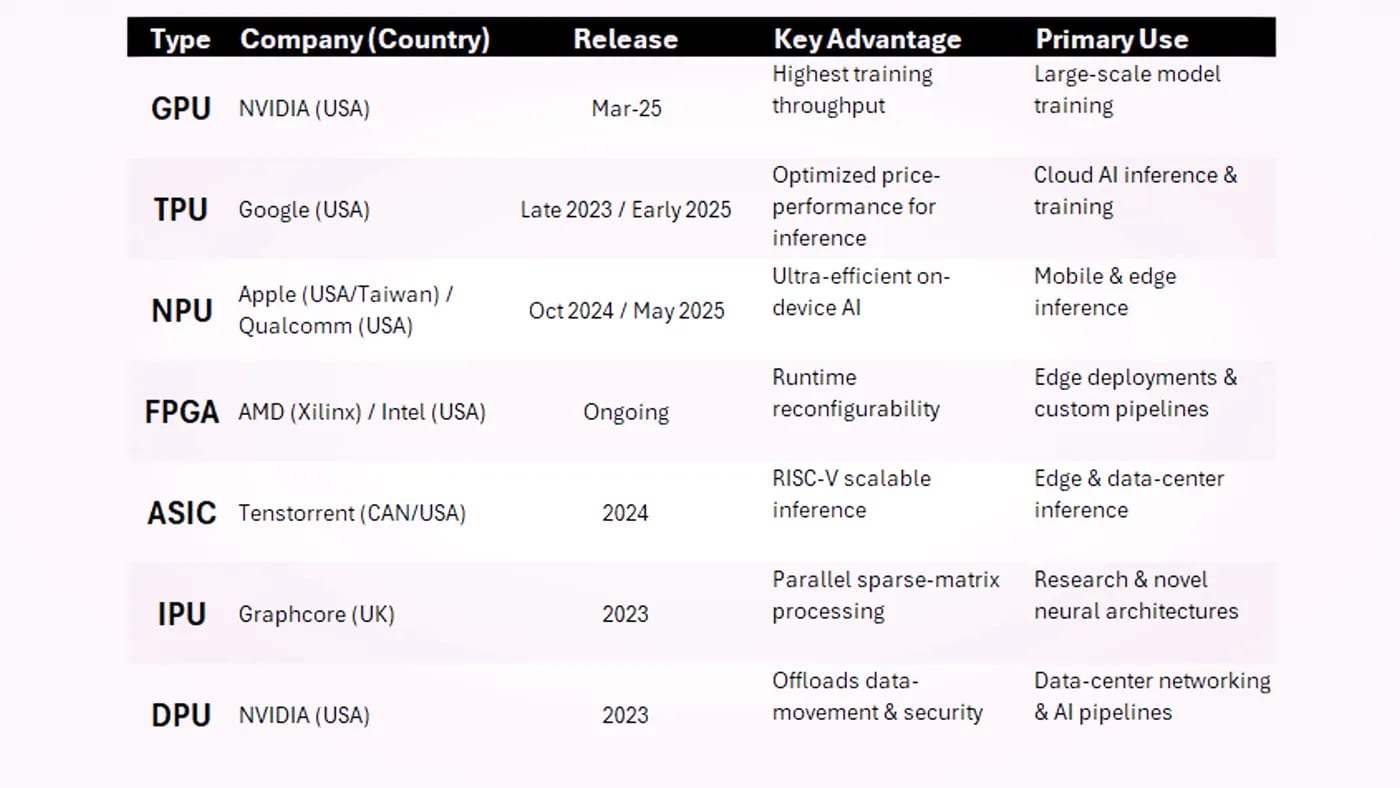
That frenzy was the opening act of a larger drama: the evolution of AI hardware from one-trick workhorses into a diverse cast of specialized processors. Over the next two years, the landscape exploded into a menagerie of chips built for AI, - GPUs, TPUs, NPUs, FPGAs, ASICs, IPUs, DPUs, each stepping into the spotlight with a unique role. It’s a tale of innovation under pressure. Global competition, corporate intrigue, and creative engineering have all converged to reshape the silicon engines that power our smartest machines.

GPU Gold Rush
GPUs went from supporting actors to the superstar of AI practically overnight. The same chips that rendered lush video game worlds were re-purposed to train neural networks, and they did the job so well that demand exploded. By 2024, data center GPU sales had soared into the hundreds of billions of dollars, with Nvidia commanding about 90% of that booming market. A graphics card, - once an accessory for gaming rigs, was now treated like the beating heart of the AI economy. Silicon Valley folklore has it that in 2023 some startups spent more time hunting for GPUs than hiring talent, and it’s only a slight exaggeration.

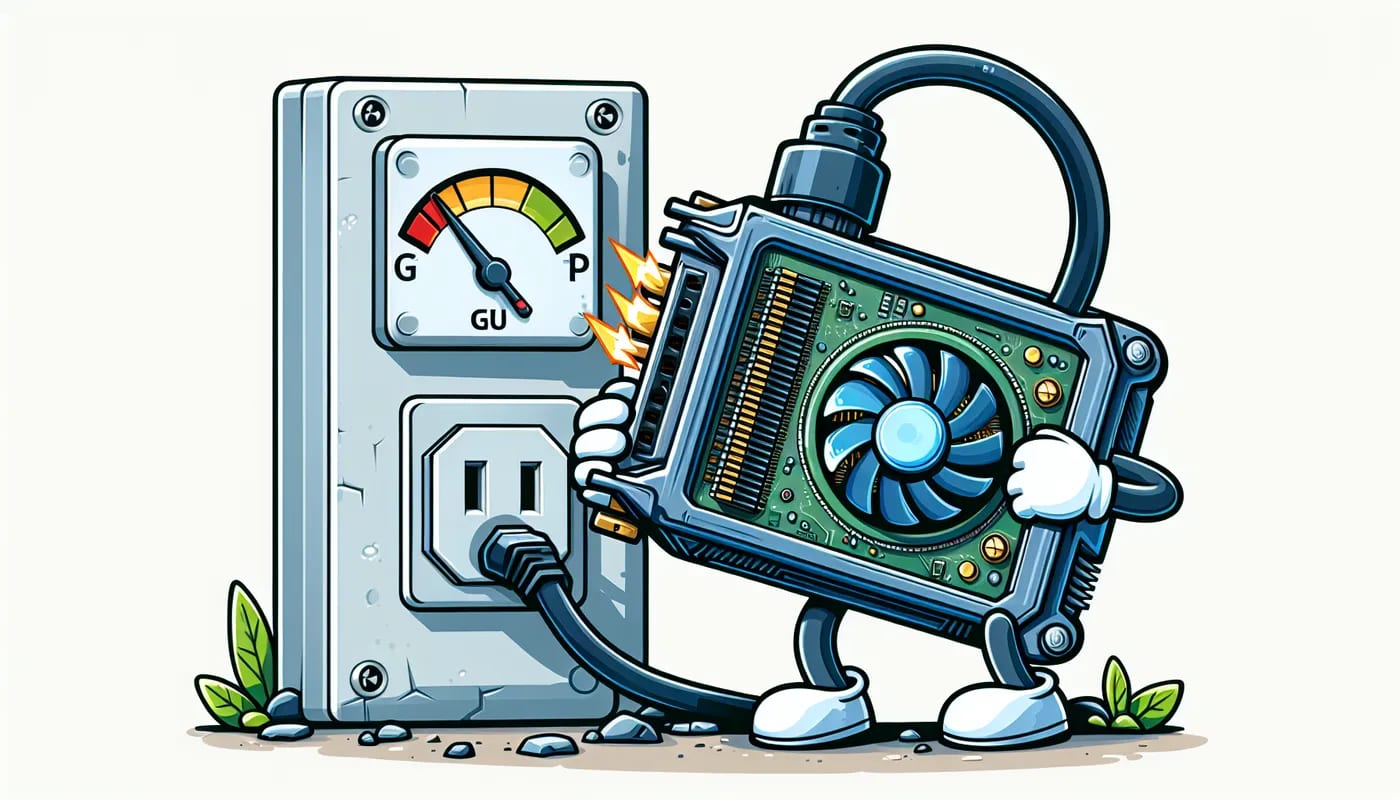
But riding one horsepower engine for the entire AI revolution came with a catch. GPUs are versatile and powerful, yes, but they guzzle energy and weren’t originally designed for running AI 24/7 at every scale. Data center electricity bills ballooned as models grew, and engineers began bumping into the limits of what general-purpose chips could do efficiently. The world started to realize that one size might not fit all, - training a massive model is one thing, but running thousands of queries a second is another. The scene was set for a new class of silicon specialists to emerge.
Enter the Specialists
Sure enough, the tech giants began forging their own silicon path. Google led the charge with its Tensor Processing Units (TPUs), - custom chips born in 2016 precisely to handle AI math. By 2025 Google’s TPU had evolved through multiple generations, culminating in a version code-named Ironwood focused purely on inference (answering questions, not just learning). These TPUs were like AI savants: less flexible than GPUs but blisteringly efficient at what they were built to do. This approach let Google power services like Search, Translate, and YouTube recommendations with fewer bottlenecks, proving that when you design hardware for a specific job, the gains can be game-changing.
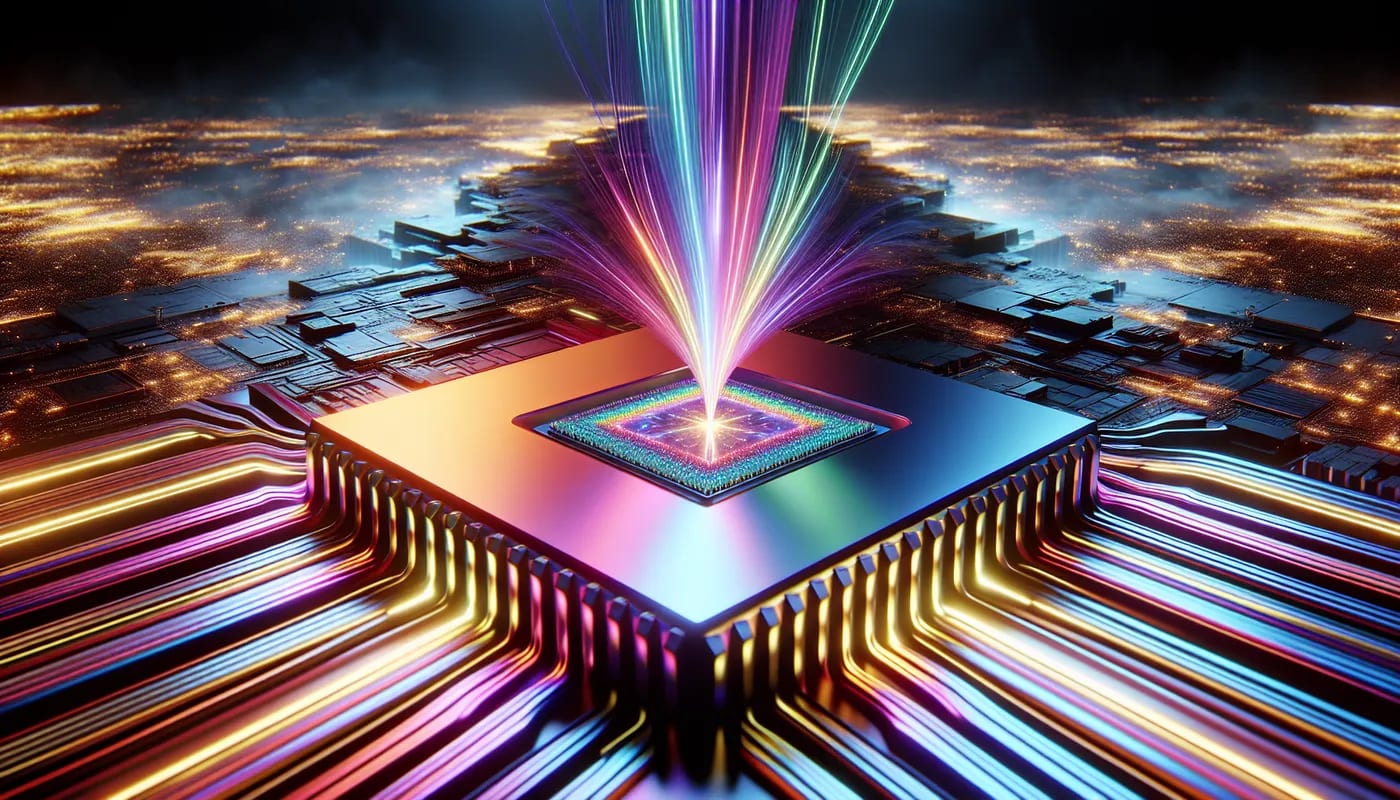
Others quickly followed suit. Amazon developed its own silicon for AWS, - Trainium chips for training AI models and Inferentia for serving them, - to reduce dependence on Nvidia and lower costs for cloud customers. Microsoft, not to be left behind, invested in secretive projects to craft AI accelerators for its Azure cloud. Even OpenAI, the poster child of AI software, was rumored to be planning custom chips. The logic was simple: owning the hardware stack could mean faster innovation and more control. In the high-stakes world of AI, nobody wanted to be stuck in a long line waiting for off-the-shelf silicon.
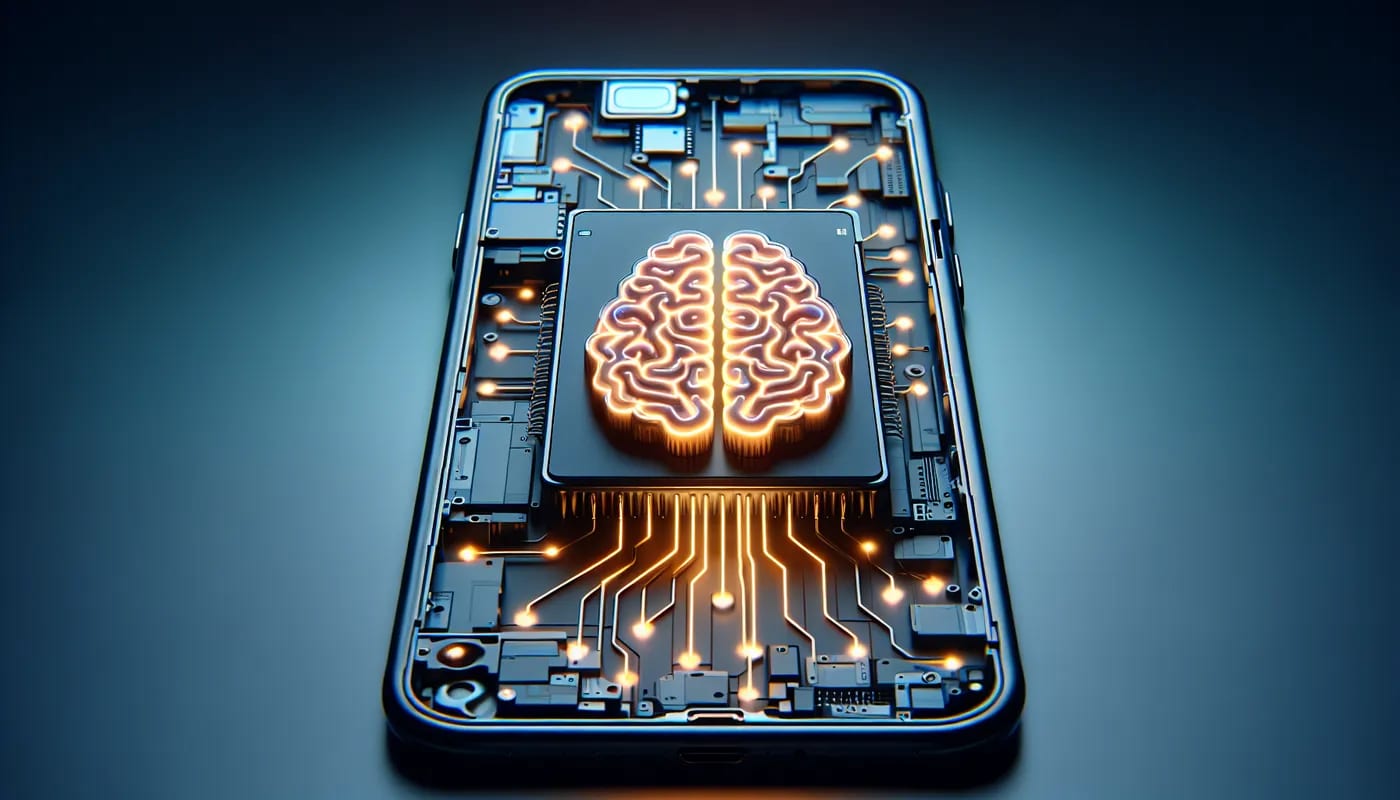
Meanwhile, a quieter revolution was happening in your pocket. Neural Processing Units (NPUs) embedded in mobile processors were turning phones into mini AI workhorses. By 2024, devices like the latest iPhones and Android phones could run advanced machine learning tasks right on the device, think real-time language translation or on-the-fly image enhancement, without needing to send data to the cloud. From Apple’s Neural Engine to Qualcomm’s AI cores, these NPUs don’t grab headlines like data center chips, but they’ve made AI features faster and more private. They ushered in an era where even a wristwatch might boast a ‘neural engine’ under the hood, quietly transforming everyday gadgets into intelligent assistants.
Not every AI problem was a nail needing the GPU hammer. Some companies turned to **Field Programmable Gate Arrays (**FPGAs), - chips you can rewire on the fly, to tailor hardware to niche AI tasks. An FPGA might, for example, be configured one moment to accelerate a specific algorithm for high-frequency trading and the next moment reconfigured for a speech recognition pipeline. The type of processor would have enormous benefits when applied to the yet-popular MVL processing. This shape-shifting ability made FPGAs the Swiss Army knives of AI hardware, albeit ones that required specialist skills to wield.
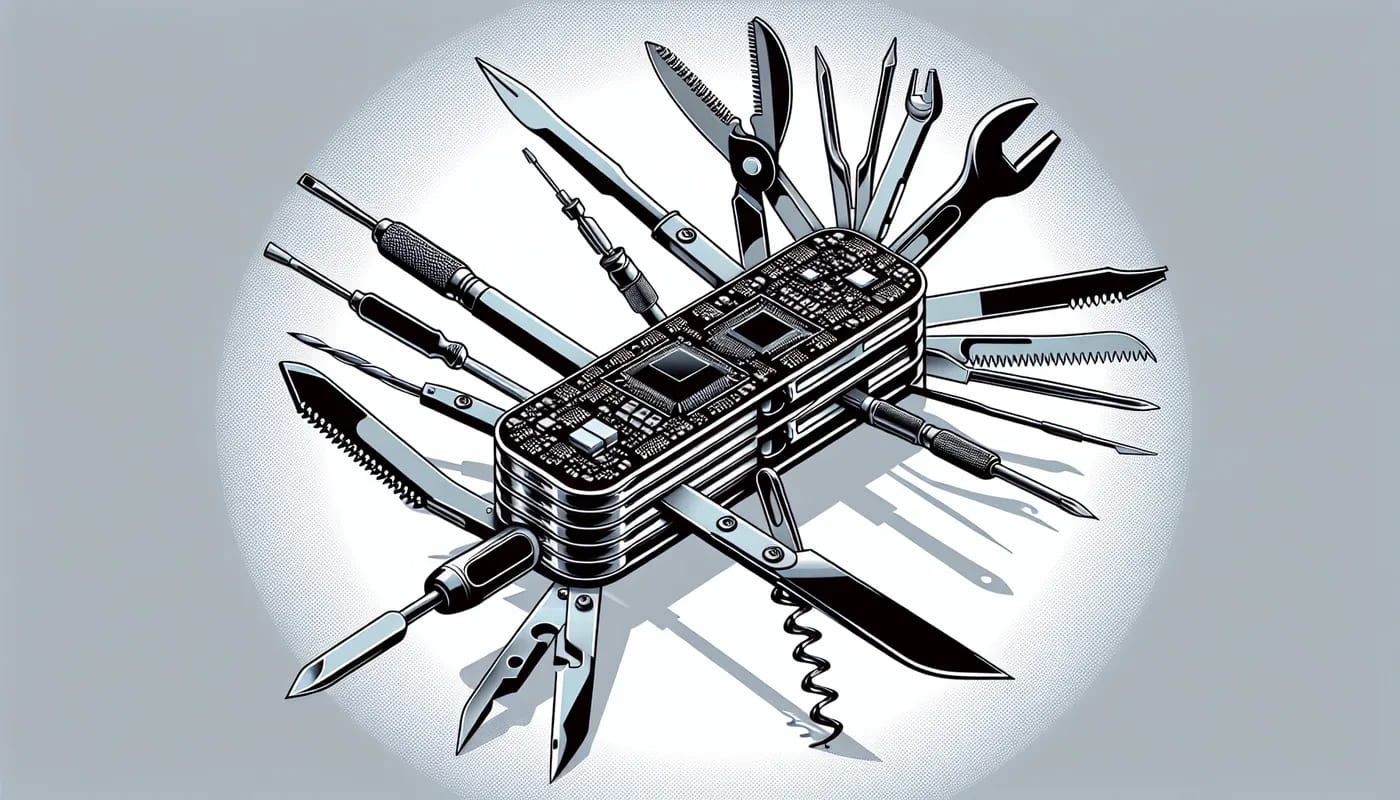
Then there were the truly exotic experiments. Graphcore’s Intelligence Processing Units (IPUs) proposed a novel architecture to juggle massive parallel computations with unprecedented efficiency, challenging the GPU approach. Cerebras went even further, building a single wafer-sized chip, - larger than an iPad, that could fit an entire neural network on one slab of silicon. These moonshot designs weren’t mainstream by 2025, but they boldly pushed the boundaries of how we define an ‘AI processor’, expanding the realm of possibility for future architects.

Amid all these new “brains,” there was also a need for better nerves connecting them. Enter the Data Processing Unit (DPU), an unsung hero of the AI era. DPUs are specialized processors that handle data movement, encryption, and networking tasks in data centers, offloading that grunt work from the CPU (and GPU). It’s like hiring a dedicated logistics manager so your star engineers can focus on inventing. By 2025, even networking giants like Cisco were building DPUs into high-end switches and servers to create smarter, AI-ready infrastructure. In an AI factory, the machines aren’t just the ones doing the thinking, - they also ensure data keeps flowing smoothly, securely, and fast.
The Turning Point
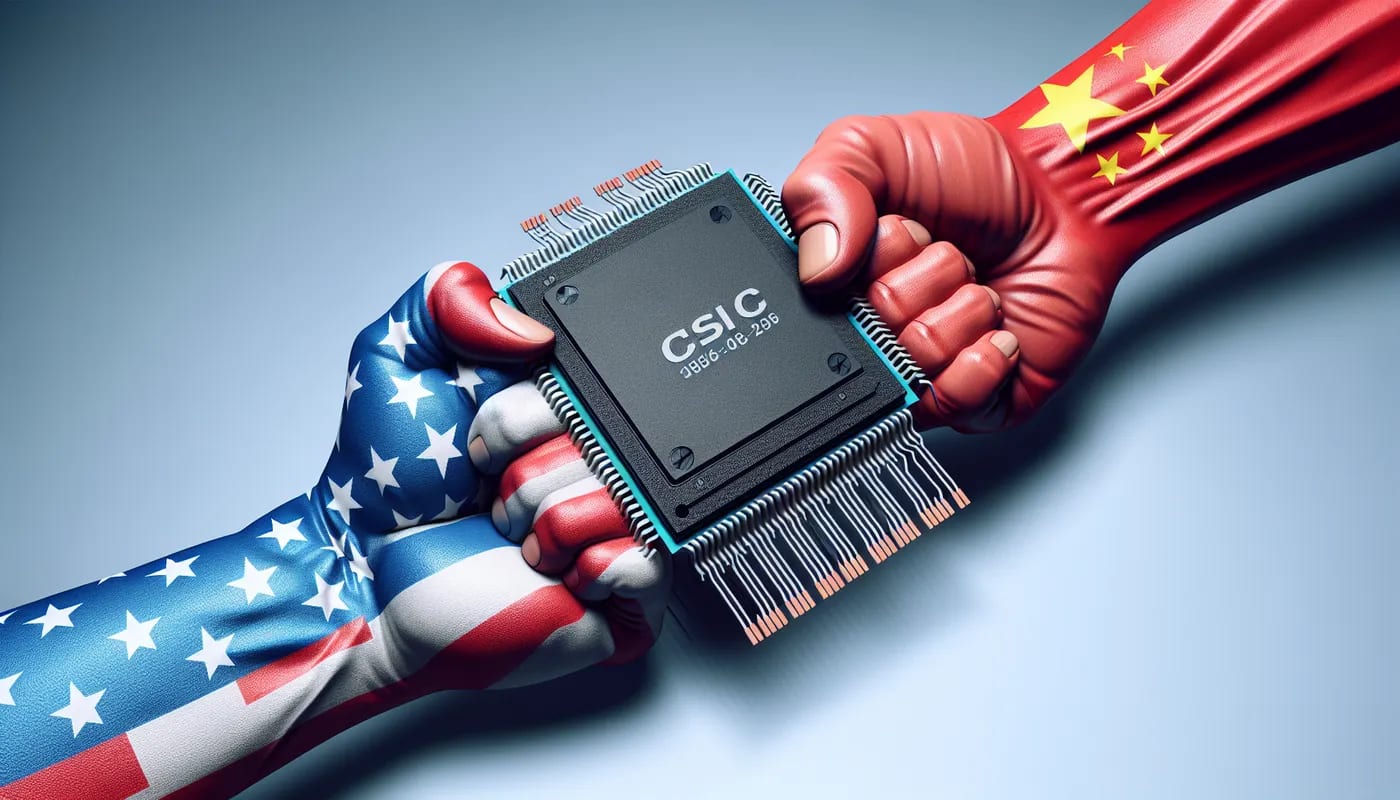
If there was a single moment that crystallized the stakes, it might have been when geopolitics hit the AI chip supply. In late 2022 and again in 2023, the United States slammed export controls on advanced AI processors, cutting off China’s access to Nvidia’s top-tier GPUs. This was a rude awakening: a reminder that AI supremacy isn’t just about algorithms, but also who controls the silicon. China, suddenly deprived of the usual chips, doubled down on homegrown efforts. By 2025, companies like Huawei were rolling out their own AI engines (such as the Ascend series) to fill the void, and Chinese startups were racing to build GPU alternatives. In a way, policy decisions forced a hardware renaissance, - an AI chip arms race that went global.
Around the same time, another inflection was playing out in boardrooms and engineering labs: the shift from experimental AI to deployed AI. It was one thing to train a monster neural network in a research lab. It was another to serve millions of users with it daily. Executives started asking not just, “Can we build a smarter model?” but, “Can we run it at scale without breaking the bank?”. This new Age of Inference where the challenge is delivering AI answers quickly, cheaply, and ubiquitously, - flipped priorities for chip design. Efficiency (performance per watt), latency (response time), and throughput (requests per second) became as critical as raw horsepower. In this light, chips like Google’s inference-focused TPU or Amazon’s Inferentia went from nice-to-have to must-have for anyone aspiring to global AI services.
New Rules of the Silicon Game
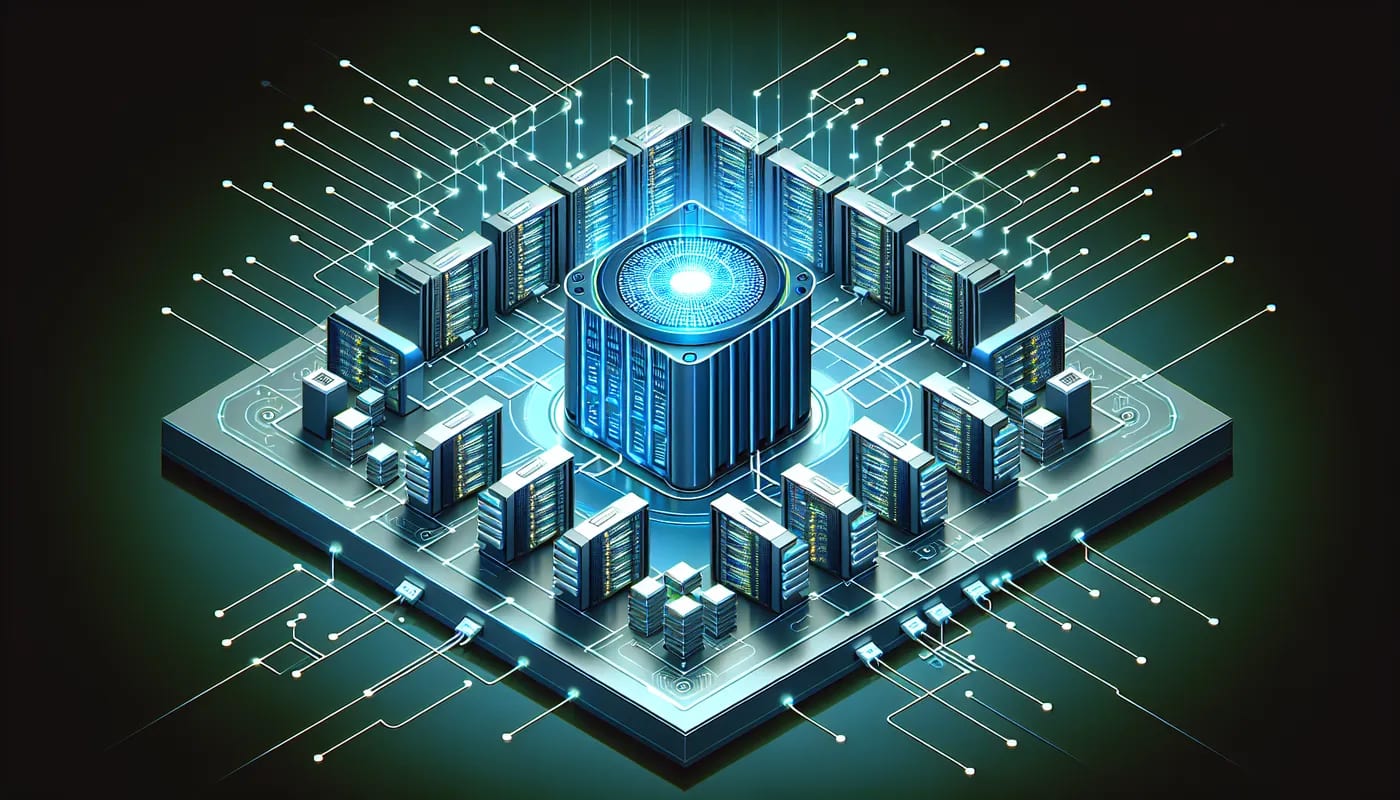
All these new processors haven’t replaced the GPU so much as joined it. The future of AI isn’t about one chip to rule them all, but a harmonious ensemble. In a modern data pipeline, a deep learning model might train on GPUs, then move to specialized inferencing chips like TPUs or NPUs for deployment, while DPUs keep data flowing between them. This heterogeneity is the new normal. Choosing the right silicon for the right task has become a competitive advantage, - much like choosing the right team members for a project. Leaders are learning that pairing workloads with their ideal processors can mean significant savings in cost and time, or unlocking capabilities that were impractical before.

This shift also upends some old assumptions. In the past, many business leaders left hardware decisions to the IT folks and focused on software. Now, the boardroom is very much involved, - discussions around AI strategy inevitably include questions of chip supply, power consumption, and even design collaborations. Having a custom chip (or a preferential supply of one) can be a strategic moat, - just look at how tightly big cloud providers guard their silicon secrets. Conversely, relying on a single hardware vendor is a vulnerability, as 2023’s shortages showed. The evolution of AI processors has essentially made hardware a first-class citizen in business strategy. Those who understand and plan for this multifaceted silicon landscape are a step ahead in the AI race.

The Road Ahead
The next breakthroughs in AI won’t come from algorithms alone but from a co-evolution of software and hardware. For leaders, this means getting comfortable with a new layer of strategy. It means working hand-in-hand with engineers, rethinking build-vs-buy decisions for critical tech, and keeping a radar on upstart innovations that could upend incumbents.

It’s also time to ask some hard questions about your AI hardware approach. Do you have the right chips (and suppliers) for your ambitions? Should your organization collaborate on designing its own silicon for a critical advantage? Are you prepared for supply chain shocks or a rival unveiling a breakthrough chip that changes the game?

In this era, the winners will be those who treat silicon as a strategic asset, not just a technical detail. AI may be driven by data and algorithms, but without the right engines to run them, even the brightest ideas stall.

The story of 2023–2025 was a wake-up call that the future of AI will be written in both code and silicon. Those who grasp that will not just adapt to the future, - they’ll shape it.

Further Readings
-
Nvidia announces $3,000 personal AI supercomputer called Project Digits (Kylie Robison, January 2025) Nvidia unveils ‘Project Digits,’ a compact $3,000 AI supercomputer powered by its Grace-Blackwell chip platform. The device offers a petaflop of AI performance on a desktop, underscoring efforts to democratize high-end AI hardware.
-
Google Unveils Ironwood TPU for AI Inference (Steef-Jan Wiggers, May 2025) Google reveals its seventh-generation TPU, ‘Ironwood’, built specifically for large-scale AI inference. The new chip delivers high efficiency and massive scalability for serving AI models, marking Google’s push into specialized hardware for the ‘age of inference’.
-
Exclusive: Huawei readies new AI chip for mass shipment as China seeks Nvidia alternatives, sources say (Fanny Potkin et al., April 2025) Huawei prepares to mass-produce its Ascend 910C AI chip for Chinese firms as a homegrown substitute for Nvidia’s high-end GPUs. The 910C combines two earlier processors to achieve performance on par with Nvidia’s flagship, highlighting China’s push for domestic AI silicon amid U.S. export bans.
-
Cisco Goes All-In on AI with Data Center, Connectivity and Networking Offerings (Zeus Kerravala, February 2025) Cisco unveils new data center and networking hardware equipped with AI-focused features, including built-in DPUs (data processing units). By integrating specialized chips into switches and servers, Cisco aims to better handle the data-intensive needs of AI workloads and optimize infrastructure for AI applications.
-
The leading generative AI companies (Joaquin Fernandez, March 2025) An industry analysis of the booming generative AI sector. It notes the data center GPU market reached $125 billion with NVIDIA holding about 92% share, underlining NVIDIA’s dominance in AI hardware even as new specialized chips and competitors enter the fray.
Disclaimer: The perspectives shared in this article are my own and do not represent those of my employer or any affiliated organizations. All company names, product names, logos, and brands mentioned are the property of their respective owners and are used for identification and illustrative purposes only. No endorsement, sponsorship, or affiliation is intended or implied. References to specific companies or case studies are based on publicly available information and are used solely for educational and discussion purposes.
More from silicon & systems
All silicon & systems → silicon & systems
The AI That Grew a Brain: Neuromorphic Computing Comes of Age
In a cozy rural clinic, a doctor calmly assists a patient whose hand shows the early signs of an impending seizure. Although the nearest specialist and hospital are hours away, help is already here, - in the form of a small, innovative…
 silicon & systems
How Google Solved the Impossible: Making Smart Search Actually Fast
Picture this: It's 2024, and somewhere in the gleaming halls of Google Research, a team of engineers just casually solved one of computing's most stubborn problems, - making multi-vector search as fast as single-vector search. They called…
 silicon & systems
IT SEES, IT CLICKS, IT WORKS: The Operating System Built for AI - Not You
When a digital employee shows up for work, it doesn’t need a desk or a coffee mug. In fact, it doesn’t even need sleep. Instead, it lives in the cloud, clicking through Slack messages and Salesforce forms at 3 AM while you’re asleep. This…