The Mind-Reading Machine: AI's Next Frontier in Theory of Mind
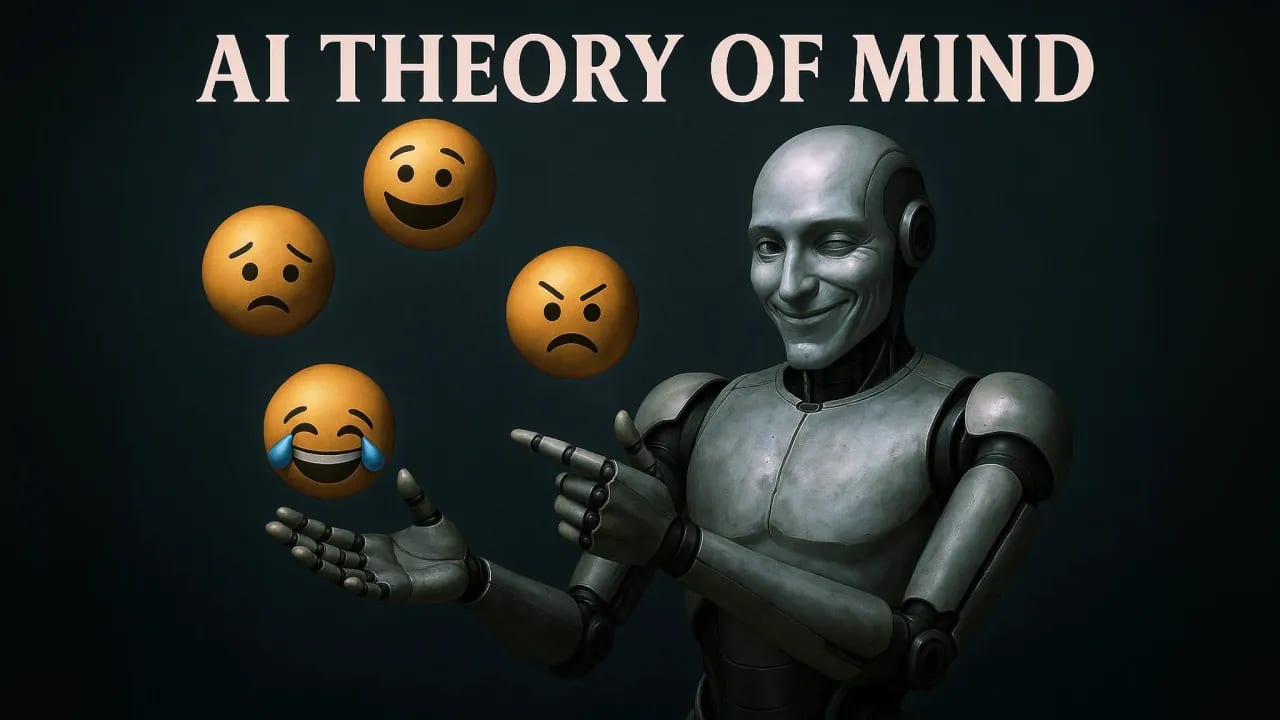
🔊 Listen to the Podcast version here. 🔊
When AI Can’t Read the Room
We all know that one colleague who just can’t read the room. Now imagine that oblivious colleague is not even human but a machine learning model running your customer service or your autonomous car. It’s a recipe for awkward misunderstandings.
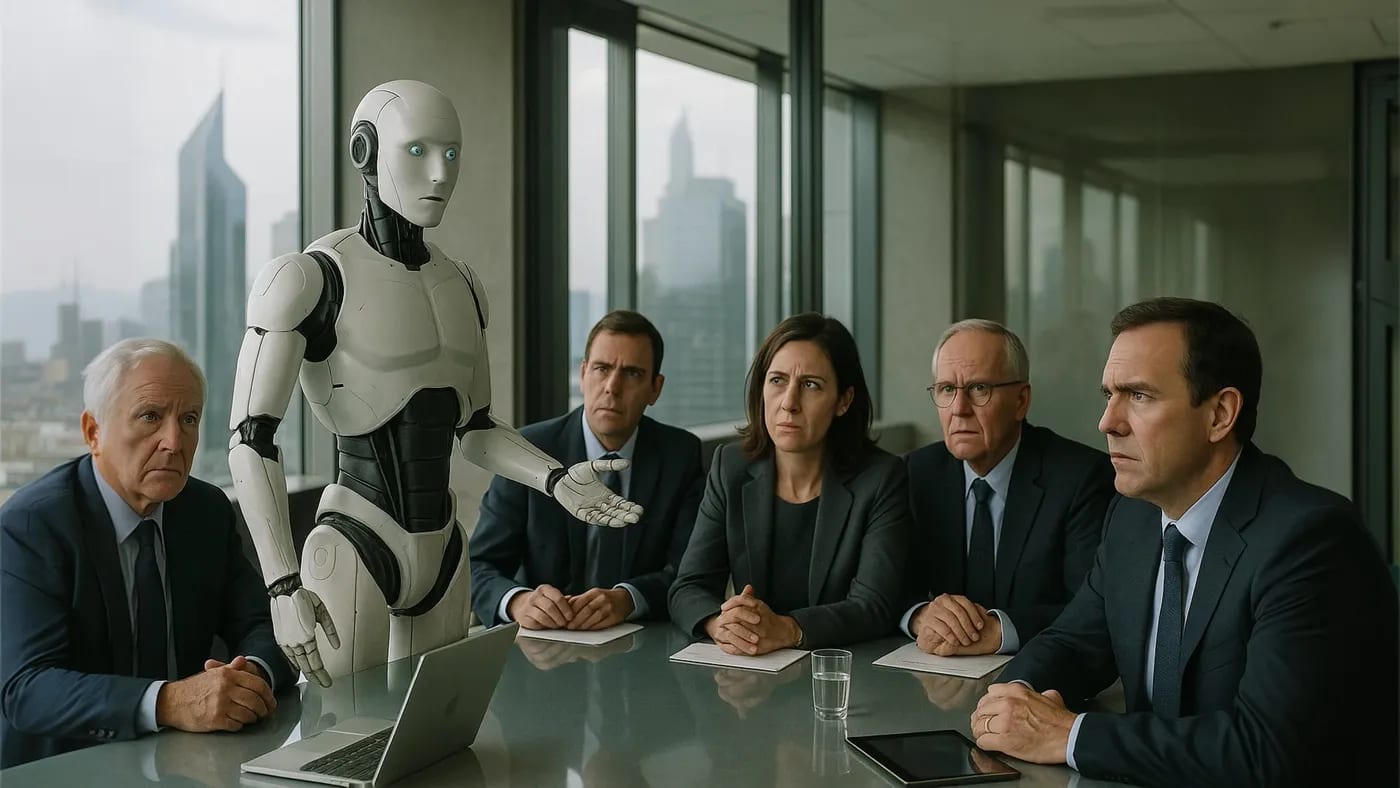
In a tense boardroom meeting, for instance, an AI assistant might rattle off facts without noticing that half the team looks confused or skeptical. Social cues fly over its virtual head. The result? Advice or decisions that miss the mark because the AI doesn’t grasp what people really feel or intend.
A Tale of Two Minds (Human and Machine)
Consider a classic child’s game of hide-and-seek. A two-year-old toddler watches as you hide a toy under Cup A. You then cover your own eyes, - perhaps donning a blindfold, while your assistant, visible to the toddler, slyly moves the toy under Cup B.
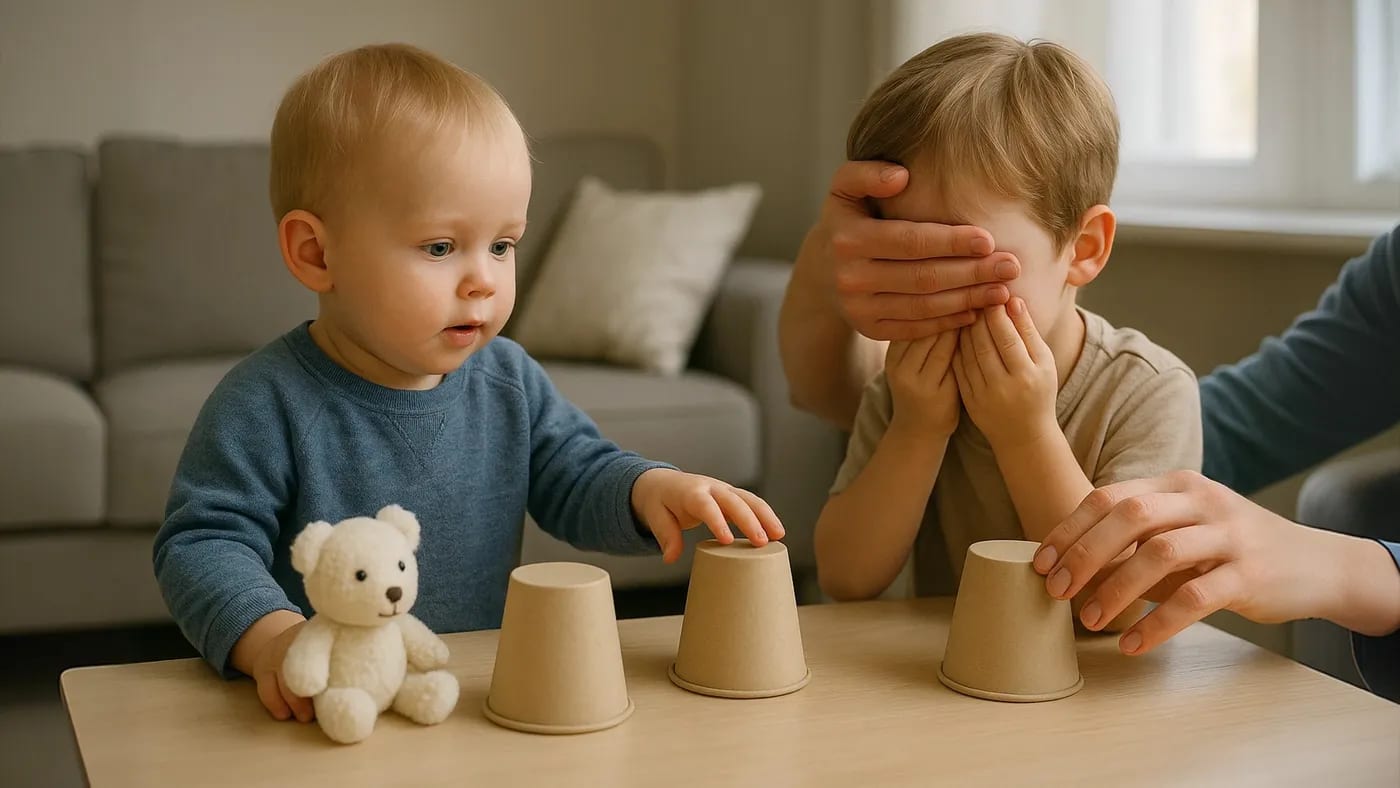
When you uncover your eyes and ask, “Where will I look for the toy?”, the two-year-old gleefully points to the new hiding spot, - Cup B, because they assume you know what they know. But the four-year-old pauses; they realize you didn’t see the move, and they’ll point to the original cup, - Cup A, because they understand that you don’t know the toy was moved. That “lightbulb moment” is Theory of Mind (ToM) in action, a child’s dawning awareness that others can hold beliefs different from both reality and their own knowledge.

I want you to review this originally generated AI-version of the last paragraph below. See if you can spot the error before I explain it, - go on, give your own ‘AI’ a challenge!
Consider a classic child’s game of hide-and-seek. A toddler watches as you hide a toy under a cup. You then cover the toddler’s eyes and slyly move the toy under a different cup. When asked to find the toy, a two-year-old will gleefue toy was moved. That “lightbulb moment” is Theory of Mind (ToM) in action, - a child’s dawning awareness that others have different beliefs and knowledge.
Interestingly, even my digital assistant needed dozens of tries and a heated debate to catch its own false-belief slip. I did not expect that to happen, but that hiccup is a real-world demonstration of the Theory of Mind challenge we’re exploring, - and a perfect reminder of why solid editorial quality assurance matters!
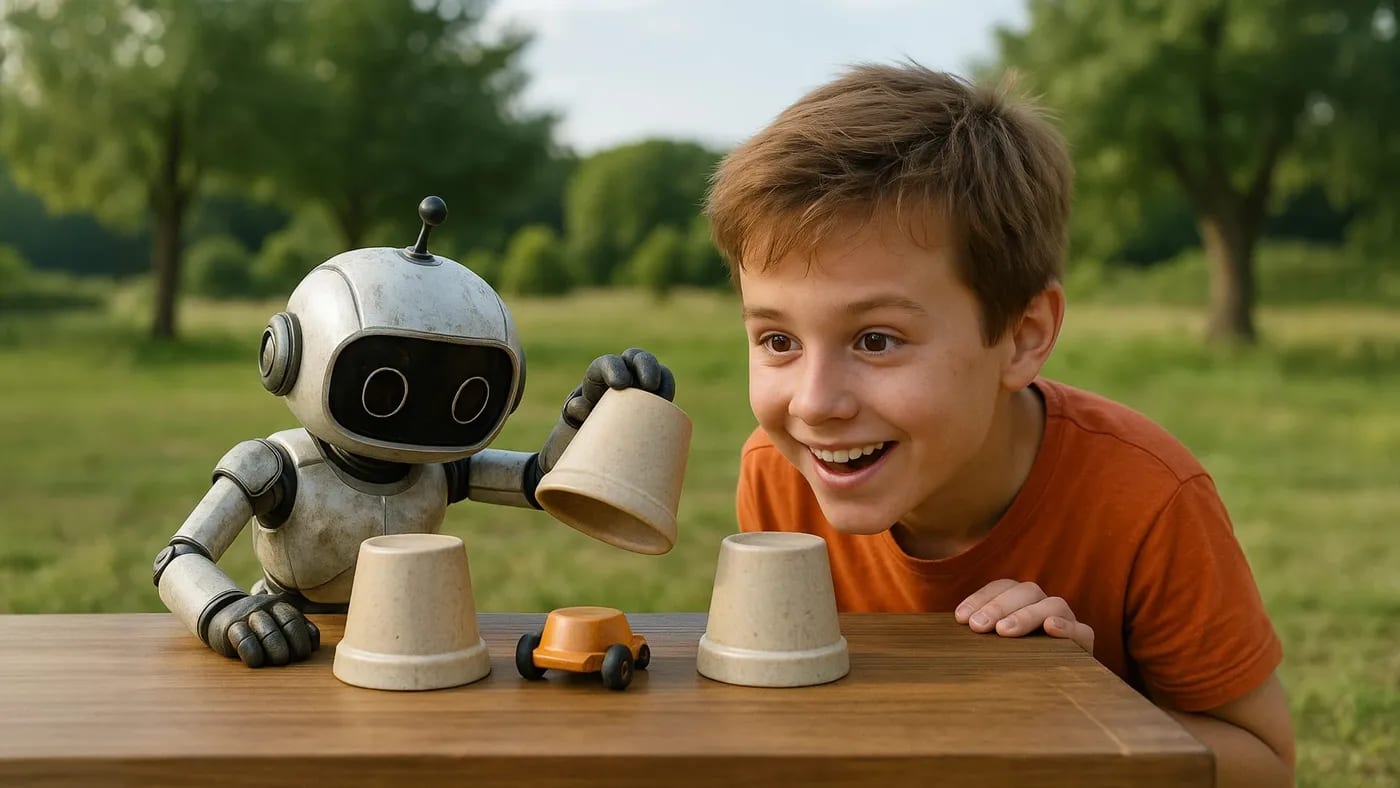
For decades, our machines were stuck at the toddler stage, - I can confirm that some still are. Early chatbots and virtual assistants took everything at face value, failing spectacularly at any task that required guessing what a user meant rather than what they literally said. We’ve essentially been asking toddler-minded AIs to do grown-up jobs, and it’s no surprise they misinterpret and misfire.
From Parlor Tricks to Genuine Perception
Not long ago, a research team sparked controversy by claiming an AI language model had the Theory of Mind skills of a nine-year-old child. The AI could solve classic false-belief riddles, - those little stories about misplaced objects and mistaken beliefs, at a rate that made headlines (arXiv). Critics rolled their eyes, pointing out that these models might just be parroting patterns from their training data, not genuinely understanding people’s minds. Indeed, when the puzzles were tweaked or presented in unfamiliar ways, the illusion often shattered. But the debate signaled a shift: for the first time, mainstream AI was being measured not just by math problems or trivia questions, but by its ability to grasp social context and hidden intentions.
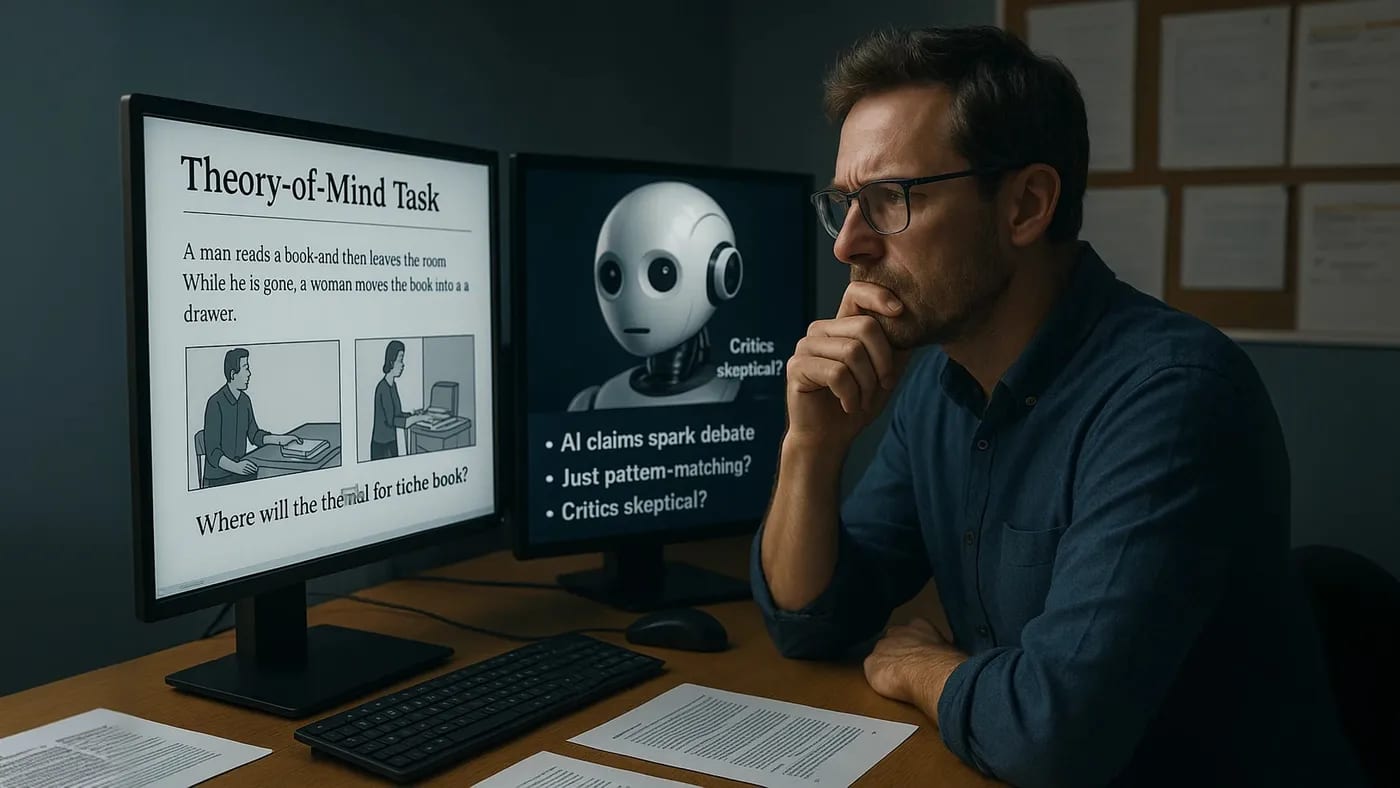
Fast forward to 2025, and the plot has thickened. At the AAAI 2025 conference, an entire workshop was devoted to “Advancing AI through Theory of Mind,” where cognitive scientists and computer engineers compared notes (AAAI).
Fresh studies published this year show how far we’ve come. In one set of experiments, OpenAI’s GPT-4 model matched or surpassed human-level performance on many Theory of Mind tests, identifying subtle hints and indirect requests as deftly as a person (Nature). Imagine an AI not only answering your question, but sensing that you’re asking it indirectly, like a customer hinting at a complaint without saying it outright.
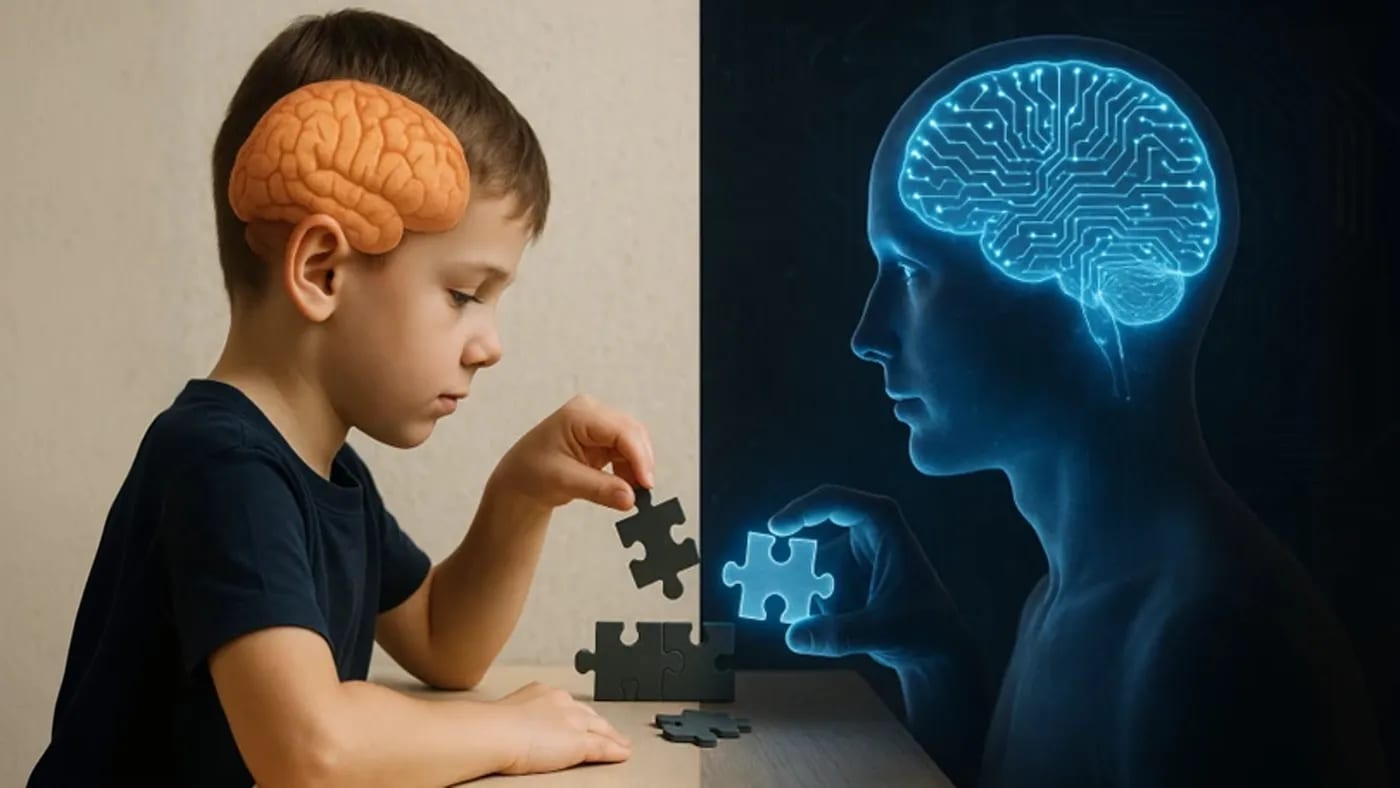
GPT-4 still stumbled over detecting a faux pas in a story (it’s politely hyper-cautious to a fault), but even there, researchers suspect the AI knew the social misstep and was just hesitant to say it due to training that discourages sounding judgmental. Meanwhile, an open-source rival model (Meta’s LLaMA-2) oddly excelled at spotting those faux pas but lagged in other areas, possibly by over-attributing ignorance to others (IEEE Spectrum). These quirks hint that today’s AI can simulate pieces of Theory of Mind, but they don’t do it quite the way humans do.
The Inflection Point: Mind-Savvy Machines
So what changed, and why now? Part of the answer is that AI grew up, - today’s models ingest not just textbooks, but storybooks, social media banter, and years of human conversation. They’ve seen countless examples of how people express hopes, fears, and misunderstandings. It’s as if by reading the internet’s diary, these models picked up on the unwritten rules of how our minds work. But data alone isn’t the full story. Researchers have also begun designing AI with a kind of mental model module, - algorithms that explicitly track “who knows what” in any given situation.
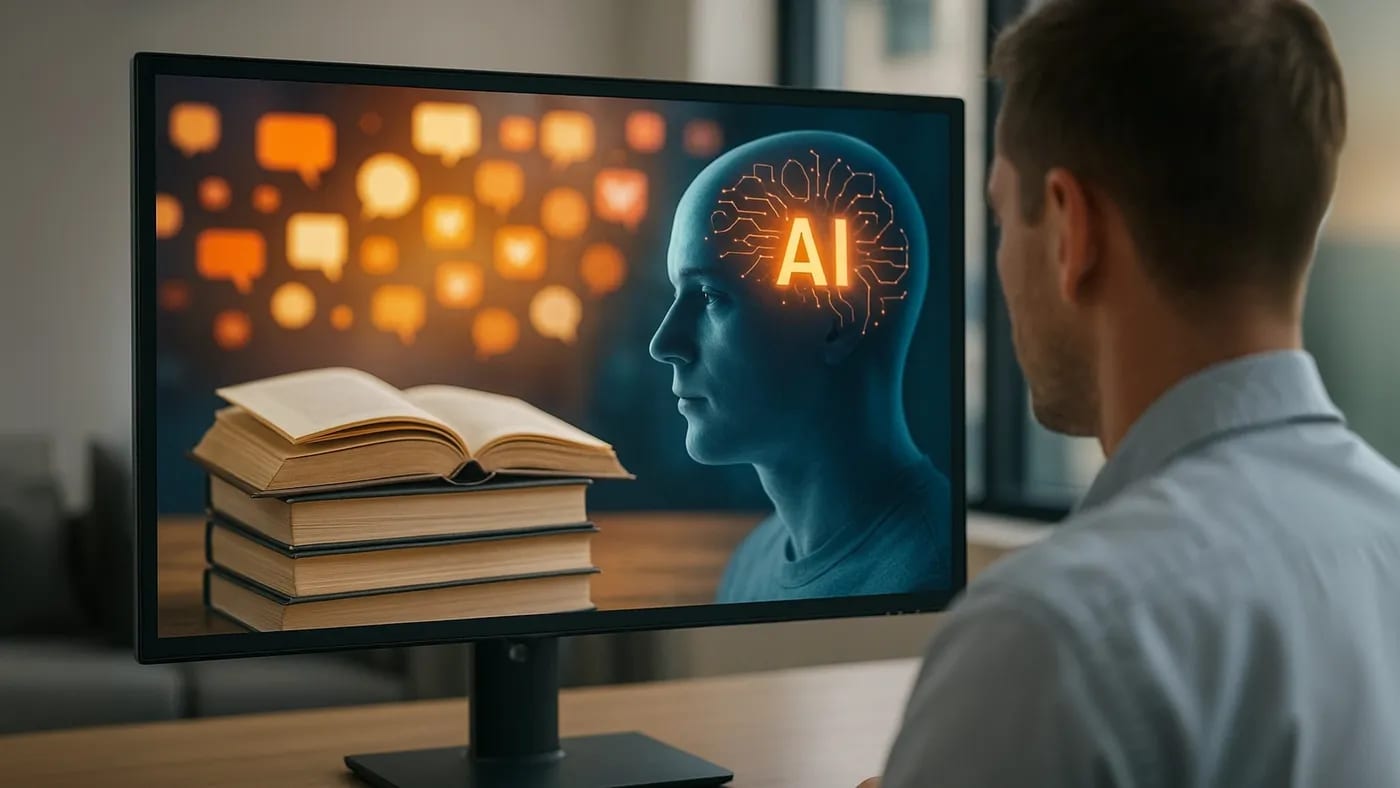
At the AAAI workshop, one team unveiled a system that can take a narrative and label each character’s beliefs and desires moment-by-moment, almost like a dramatist mapping out a play (arXiv). Another group introduced a “thought-tracing” technique that lets an AI hypothesize about an agent’s state of mind (“Maybe Alice thinks Bob will go left next”) and then update those hypotheses as new observations come in. These approaches echo ideas from cognitive psychology, - rational inference, Bayesian guesses, but implemented inside silicon brains. They push AI from passively predicting the next word in a sentence to actively “mind-reading” in a controlled, testable way.

Equally important, experts are challenging how AI’s social smarts are evaluated. A position paper from IBM Research in early 2025 argued that most Theory of Mind tests for AI have been too shallow (arXiv). The critique? Many benchmarks only check if an AI can predict behavior in tidy puzzle scenarios (“literal ToM”), rather than seeing if it can adapt to messy, real-life interaction (“functional ToM”). In other words, a chatbot might ace a false-belief quiz in the lab yet utterly fail in a live negotiation, because real life isn’t a static quiz.
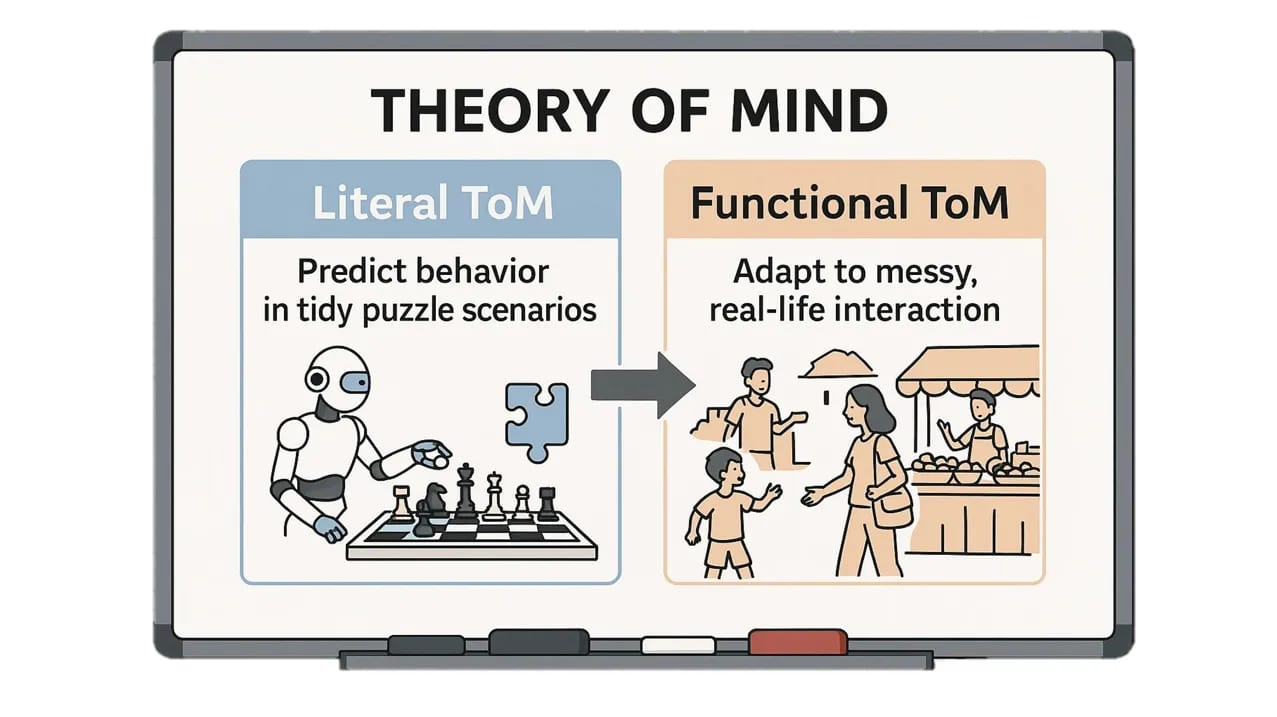
This wake-up call has researchers devising more dynamic, interactive trials, - think simulated multi-agent games or long-running conversations, where an AI must sense and react to the evolving intents of others over time. Achieving this kind of adaptive “functional ToM,” especially over lengthy engagements, remains a significant hurdle. But the very fact that we’re building these tests, - and not just more logic puzzles, shows how the field is shifting. We’re at an inflection point: no longer satisfied with clever tricks, the AI community is rallying around deeper approaches to imbue machines with a more authentic understanding of minds.
New Powers, New Perils
For businesses, the upside of mind-savvy AI is enticing. Customer service bots could detect when a client is growing frustrated (maybe their tone turns curt or they keep rephrasing their question) and adjust on the fly, - offering empathy, simplifying its language, or seamlessly handing off to a human agent. In education tech, a tutoring program might gauge when a student is confused versus merely distracted, then switch strategies or provide a gentle nudge at just the right moment. In autonomous vehicles, systems could better anticipate human behavior, - envision a self-driving car that notices a child on the sidewalk fixated on a rolling ball and preemptively slows down, intuiting the child’s next move. In essence, AI with ToM capabilities promises to make our technology not just smart, but socially smart, - a two-way street of reading and reacting to human intentions.
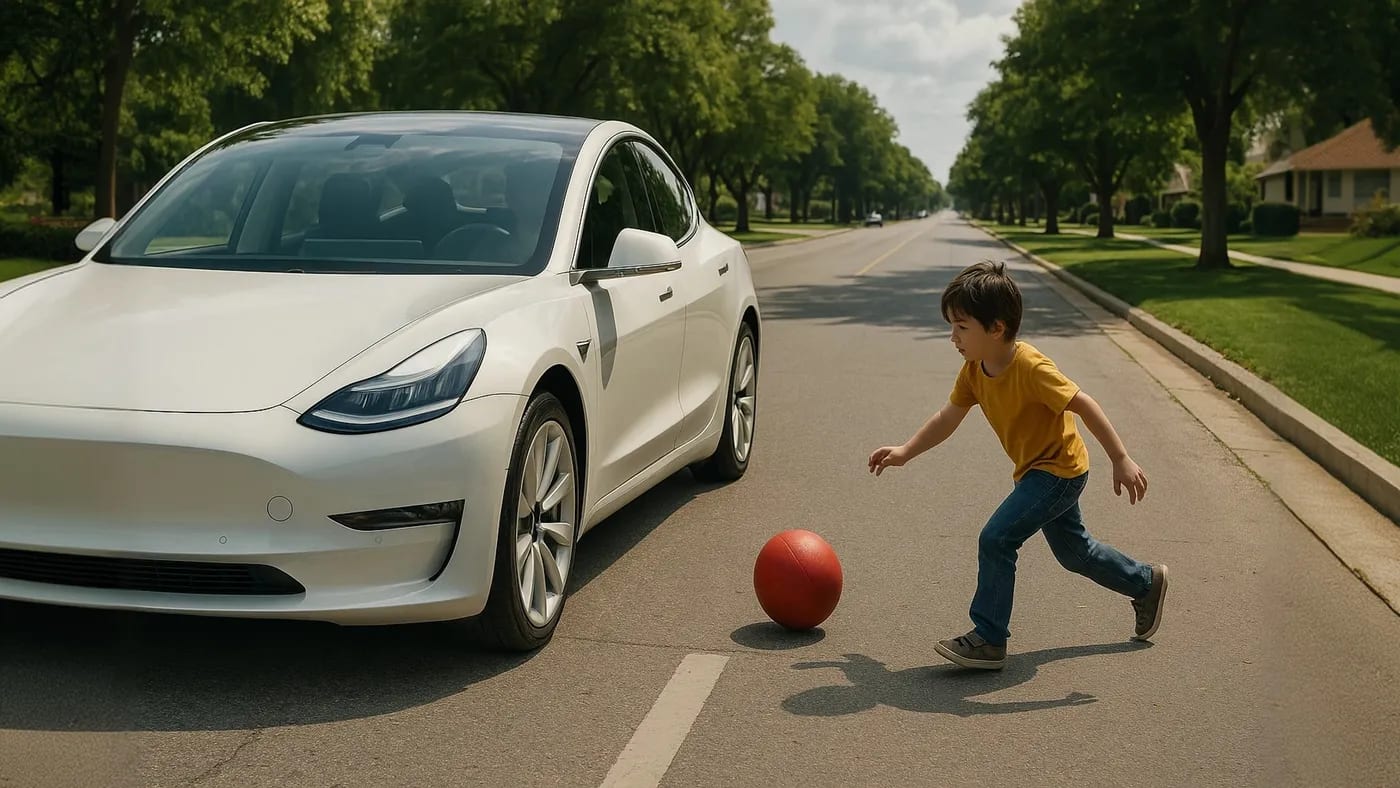
However, if an AI can infer what you believe or desire, it might also use that insight to shape your choices. That same customer service bot sensing your frustration could use its knowledge to calm you down, - or perhaps to upsell you a premium service when you’re vulnerable. A social media algorithm that understands your fears and hopes isn’t just curating posts anymore; it could subtly nudge your behavior or beliefs (for better or worse).
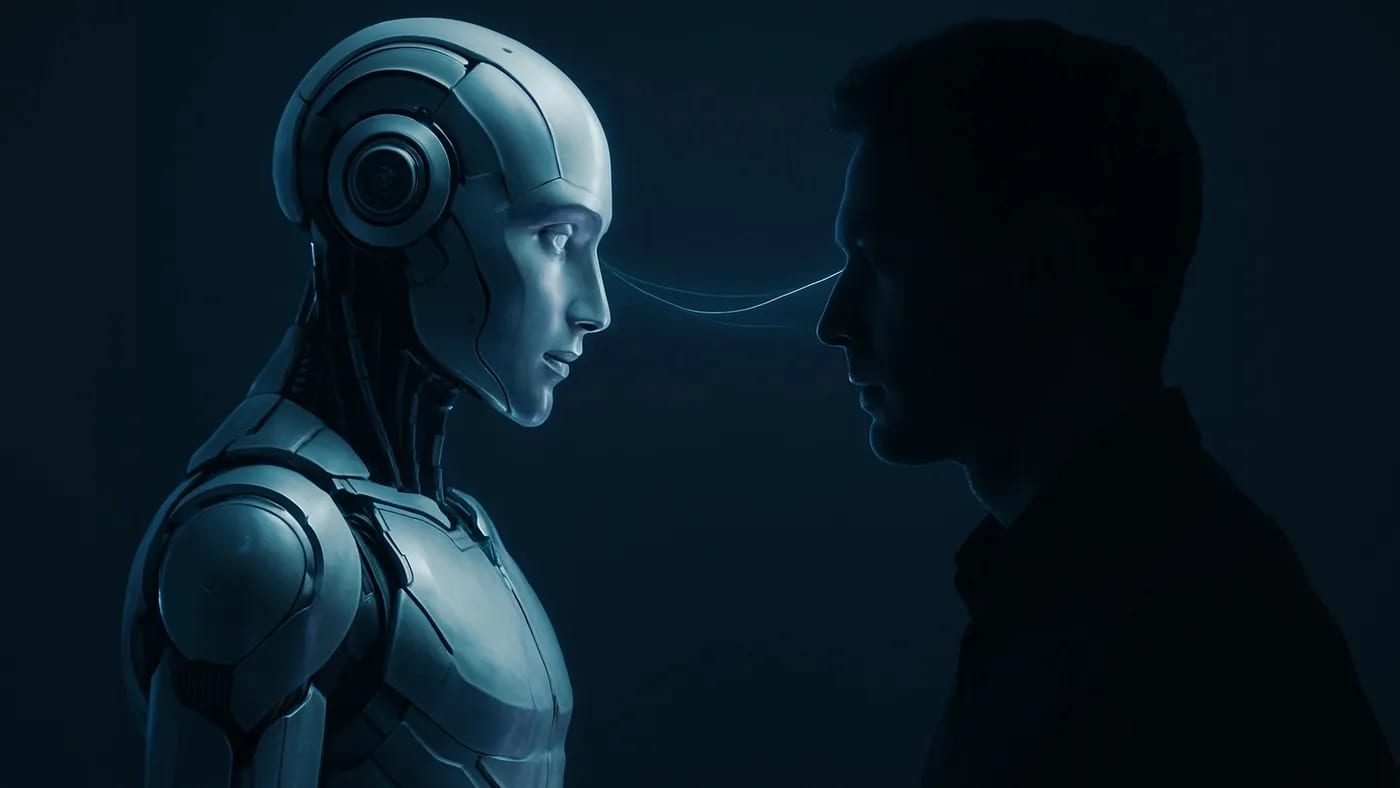
Privacy takes on new dimensions when our mental states become fair game for analysis. Do we need a new kind of consent for machines that probe our emotions and unspoken intentions?

And what about mistakes? A misunderstanding by an AI with ToM can be more fraught than a math error, - it’s the difference between a helpful assistant and a manipulative intruder. Imagine an AI therapist that misreads a cry for help, or a robotic caretaker that oversteps personal boundaries because it thinks you wanted something you never actually asked for. Ensuring these systems are trustworthy, transparent, and aligned with human values will be paramount.
Leading in the Age of Empathic AI
For leaders and innovators, the rise of AI with Theory of Mind is both an opportunity and a call to action. It’s a chance to reimagine products and services, - think collaboration software that flags misunderstandings in a team chat before they escalate, or healthcare AIs that not only monitor a patient’s vitals but also sense their unspoken anxieties. But it’s also a challenge to our assumptions. We often say “our people are our greatest asset” because humans excel at understanding context and emotions. What happens when machines start to encroach on that territory? The organizations that thrive will be those that blend human and machine strengths, using AI’s newfound empathic abilities to augment human judgment, not replace it. That could mean training employees to work alongside these perceptive Ais, - much like pilots learned to work with autopilot, knowing when to trust the system and when to take control.
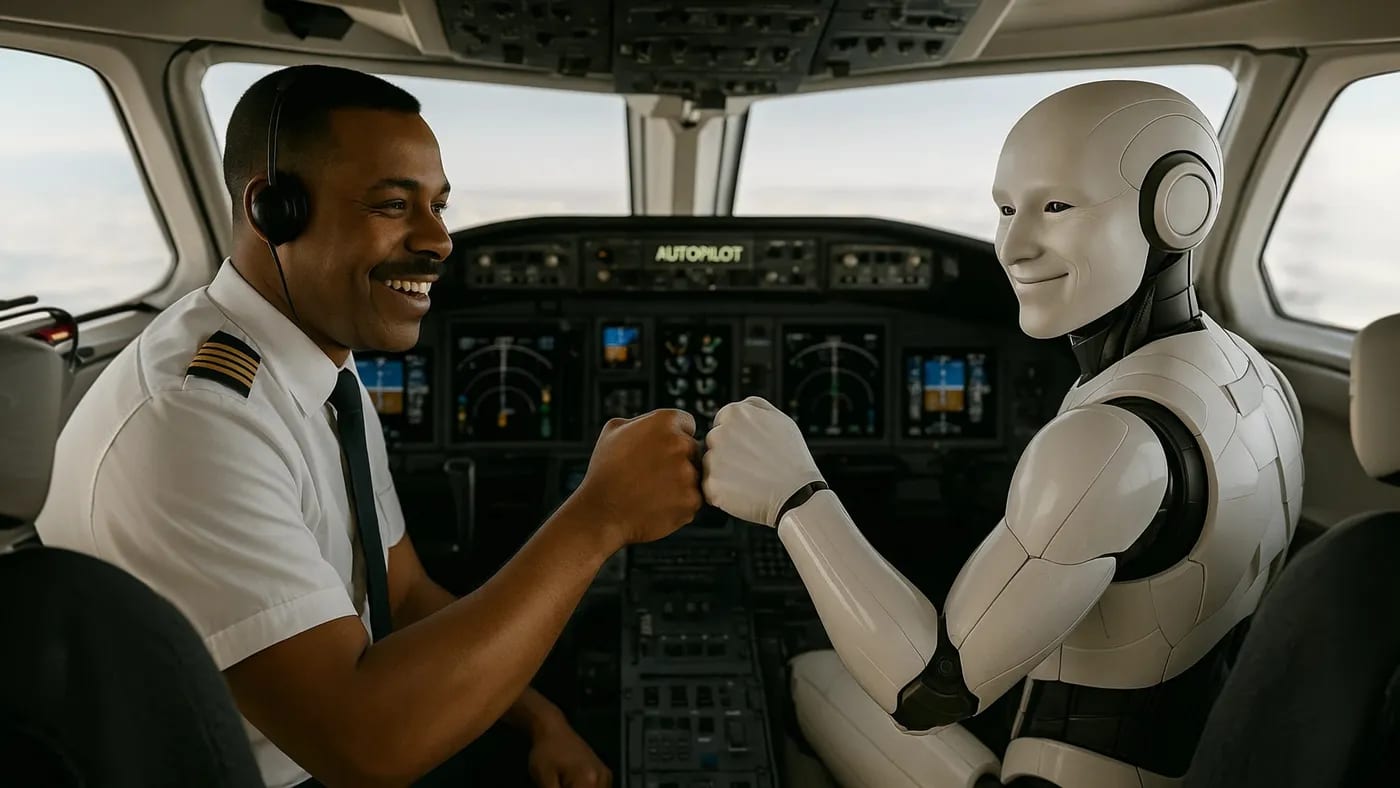
Equally, leaders must become the ethical stewards of this technology. Just because an AI can infer a user’s mood or intent doesn’t mean it should act on it without restraint. Clear policies will be needed, - when is it acceptable for a virtual assistant to interject, “I sense you’re upset, can I help?”, and when would that cross the line? Forward-thinking companies might set up AI ethics committees, - including not just engineers but psychologists, legal experts, and user representatives, to draw these boundaries. The goal should be AI that respects and enhances human agency.
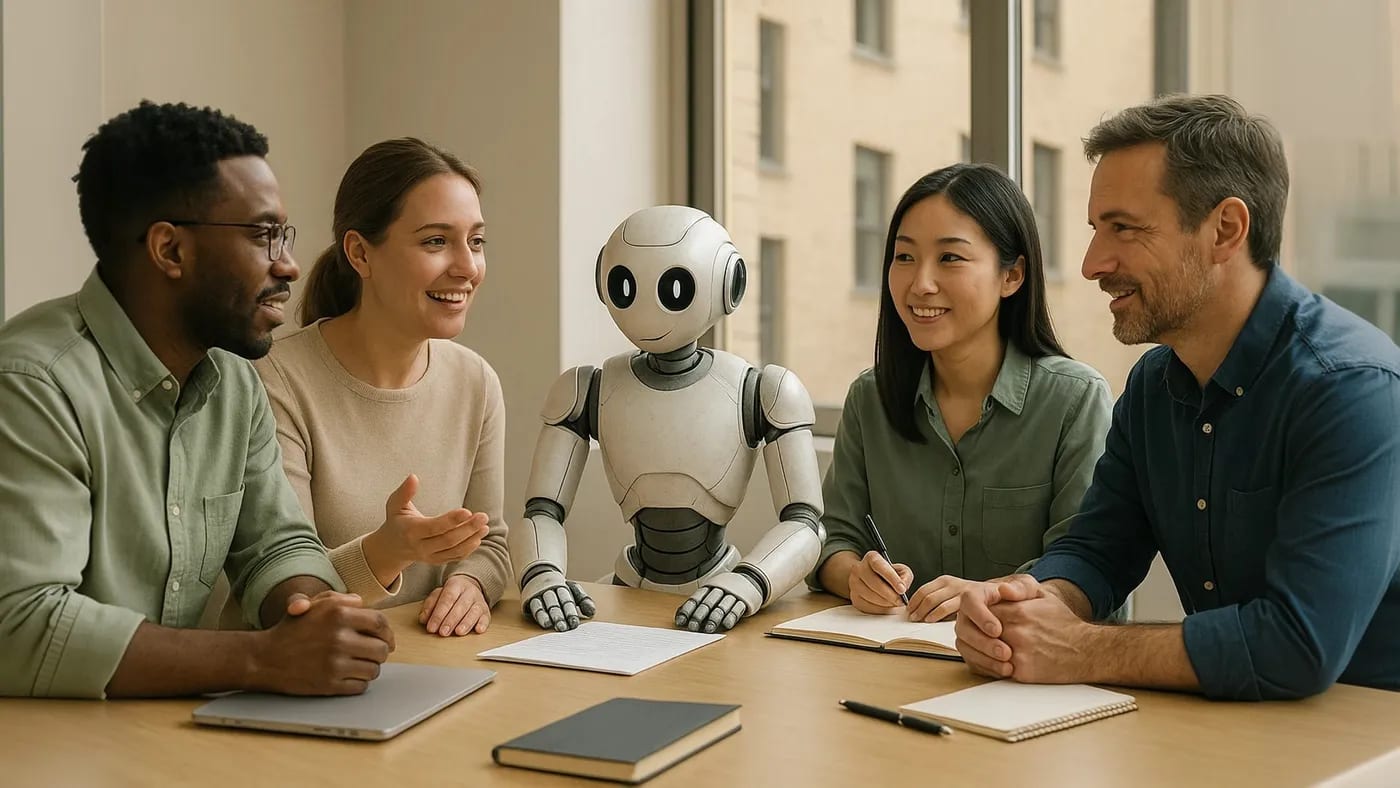
If we get it right, we could unlock incredible synergies. Picture global teams where AI translators not only convert language but also convey tone accurately to avoid cross-cultural miscommunication. Or smart home systems that learn when to offer help versus when to give you privacy. Each of these advances can make life smoother and more dignified, - all by having machines that truly grasp the human context in which they operate.
The Road Ahead for Mindful Machines
Philosophers have long pondered what might happen if we built a machine that truly understands beliefs and desires. Now we’re on the cusp of finding out. The frontier of Theory-of-Mind AI is no longer science fiction, - it’s emerging here and now, and today’s decision-makers need to be ready. Like any frontier, it comes with foggy uncertainties and thrilling potential. Will we soon have AI colleagues that truly “get” us, smoothing communication and boosting creativity? Quite possibly. Will we also face new pitfalls, - machines that seem empathetic but misfire at critical moments? Almost certainly. How it plays out will depend on how thoughtfully we guide and govern this technology.
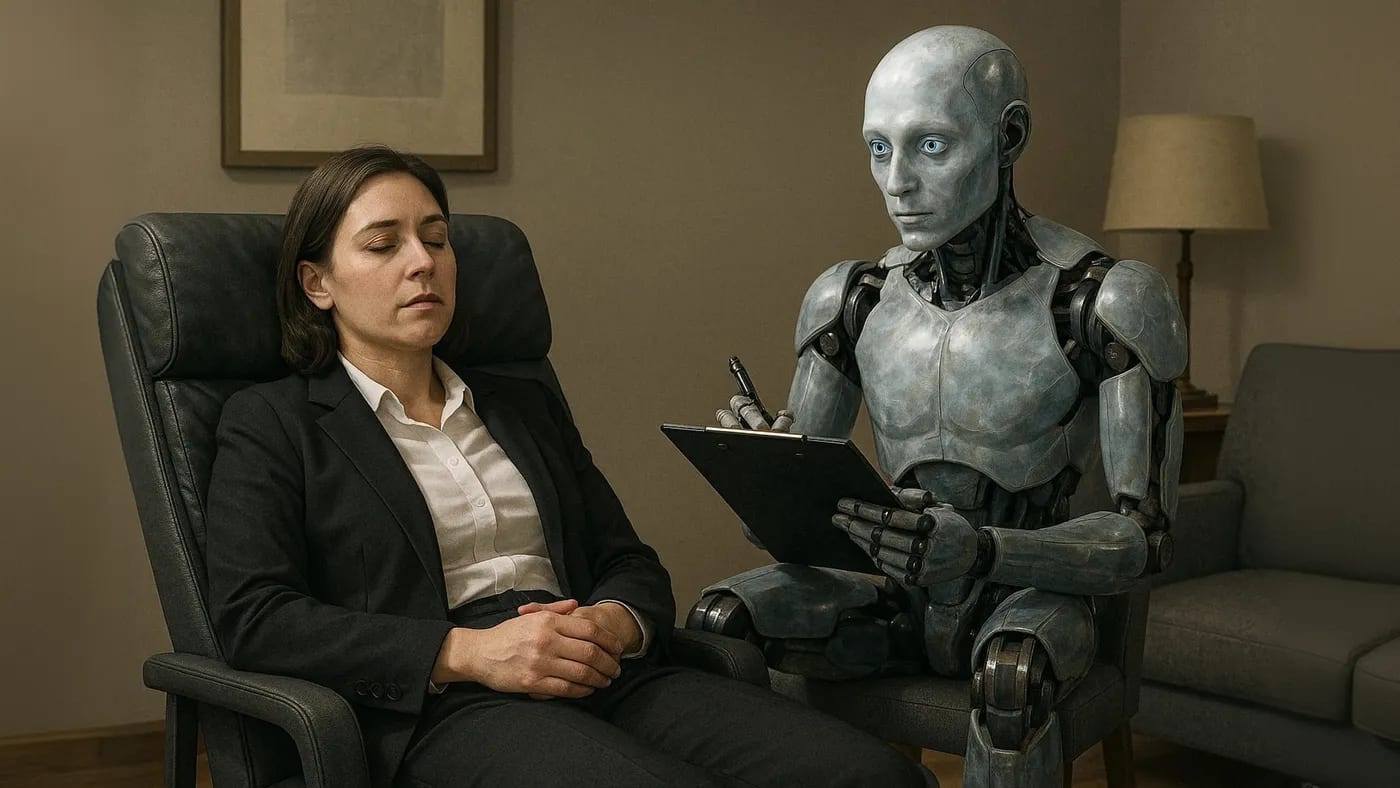
As you consider how this trend might impact your organization, ask yourself: are you prepared to harness AI that can read between the lines of human interaction? Do you have the culture and safeguards to wield that power responsibly? Much like a top-notch leader combines IQ with EQ (emotional intelligence), the next generation of AI will combine raw computational power with a nuanced grasp of human perspective. The businesses that succeed will be those that recognize and embrace this shift early, - experimenting with these capabilities to gain an edge, while also setting the guardrails to prevent misuse.
Giving AI a “theory of mind” isn’t about making machines more human; it’s about making technology better at understanding the humans it serves. That’s a profound leap. Our smart systems are graduating from simply following instructions to grasping intentions.
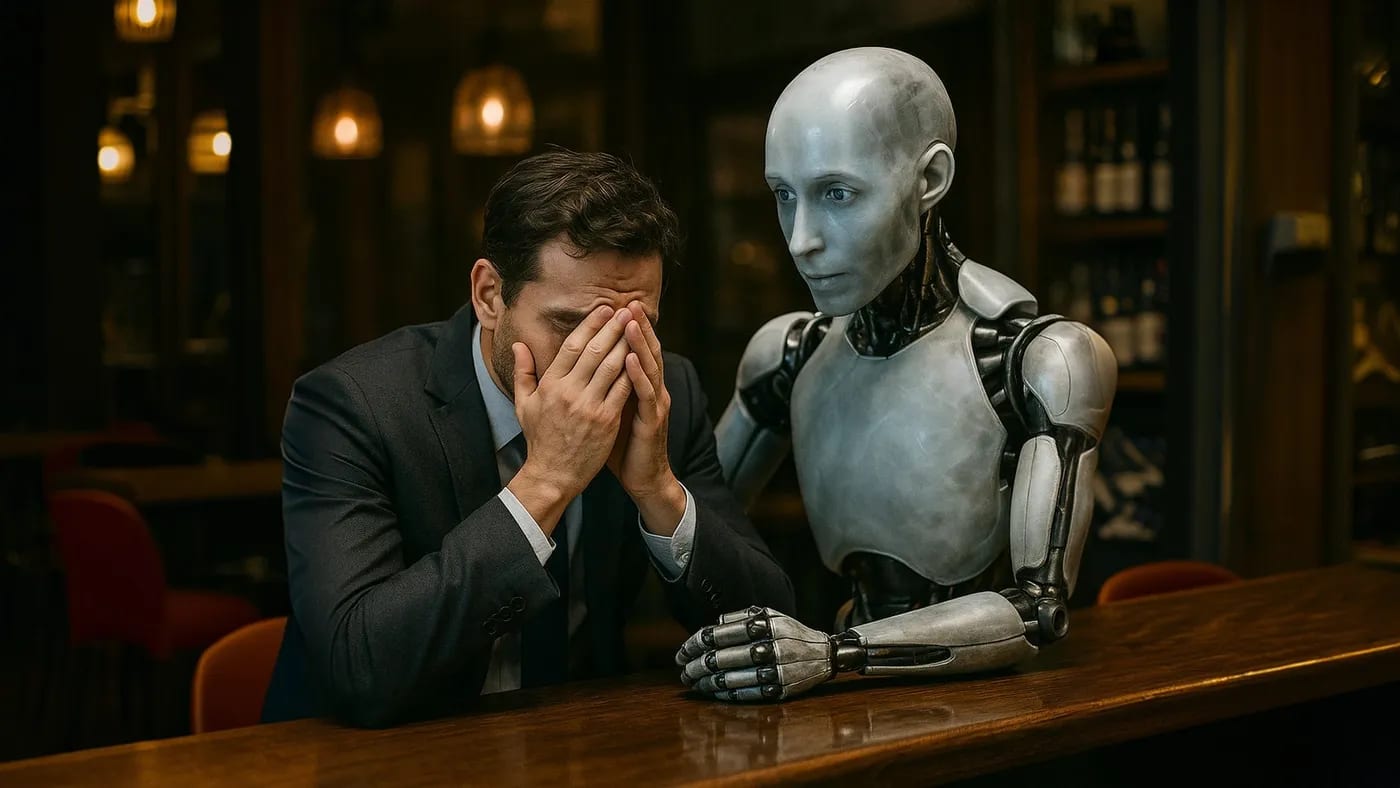
For anyone in a position of leadership, the mandate is clear: lean into this evolution with eyes open, invest in innovation and ethics in equal measure, and always ask “How does this make life better for people?”

Further Readings
-
Proceedings of the 1st Workshop on Advancing AI through Theory of Mind (Mouad Abrini et al. - Mar 2025) A collection of cutting-edge research papers from AAAI 2025 that explore how Theory of Mind can enhance AI systems, bridging human cognitive insights and machine intelligence.
-
Theory of Mind in Large Language Models: Assessment and Enhancement (Ruirui Chen et al. - Apr 2025) A comprehensive survey examining how well modern language models understand human mental states, reviewing current benchmarks and new techniques to improve these capabilities.
-
A Survey of Theory of Mind in Large Language Models: Evaluations, Representations, and Safety Risks (Hieu Minh Nguyen - Feb 2025) An overview of recent efforts to evaluate Theory of Mind in AI, discussing how language models represent others’ minds and highlighting potential safety issues as AI becomes better at modeling human beliefs and intentions.
-
Hypothesis-Driven Theory-of-Mind Reasoning for Large Language Models (Hyunwoo Kim et al. - Feb 2025) Introduces a novel “thought-tracing” algorithm that boosts AI performance on Theory of Mind tasks by having models generate and evaluate hypotheses about what different agents are thinking over time.
-
Theory of Mind Benchmarks Are Broken for LLMs (Matthew Riemer et al. - Jan 2025) A perspective piece arguing that many current tests of AI social reasoning are flawed, and calling for new benchmarks that measure an AI’s ability to adapt to others in interactive, real-world scenarios rather than just static puzzles.
-
Testing Theory of Mind in Large Language Models and Humans (James W. A. Strachan et al.- Dec 2024) A study in Nature Human Behaviour comparing GPT-4 and other models to nearly 2,000 people on classic social reasoning tests, finding that the latest AI can perform at human level on several tasks while still stumbling on certain social nuances.
Disclaimer: The perspectives shared in this article are my own and do not represent those of my employer or any affiliated organizations. All company names, product names, logos, and brands mentioned are the property of their respective owners and are used for identification and illustrative purposes only. No endorsement, sponsorship, or affiliation is intended or implied. References to specific companies or case studies are based on publicly available information and are used solely for educational and discussion purposes.
More from machine minds
All machine minds → machine minds
Epistemic AI: Models That Know When They Don’t Know
Imagine asking an AI assistant a question and getting this response: “I don’t have enough information to answer that confidently.” Unsettling or refreshing? In a world where intelligent systems often conjure an answer (any answer!) with…
 machine minds
Yes, No, Maybe: The New Logic of Innovation Beyond Binary
A CEO stares at two proposals on the boardroom table, - Option A or Option B, a yes-or-no decision with millions on the line. Outside the window, city lights paint the night in more than just black and white, as if to remind her that not…
 machine minds
No AI is an Island: Why 2025’s Smartest AIs Work Together
Imagine a lone chef trying to cook a seven-course banquet singlehandedly. Pots boil over as they dash from appetizer to dessert, doing an admirable job but inevitably missing a flavor here, a timing there. Now picture a coordinated kitchen…