Epistemic AI: Models That Know When They Don’t Know
🔊 Listen to the Podcast version here. 🔊
Imagine asking an AI assistant a question and getting this response: “I don’t have enough information to answer that confidently.” Unsettling or refreshing? In a world where intelligent systems often conjure an answer (any answer!) with supreme confidence, a dose of honest uncertainty can feel almost radical. Not long ago, on more than one occasion I have challenged AI chatbots with a niche trivia question. It delivered a polished, authoritative answer, - that was utterly wrong. The AI had no idea it didn’t know, and it showed. It was like a poker player bluffing with a terrible hand, oblivious to the risks. Which is why I don’t play poker. Now consider the flip side: an AI that knows when it doesn’t know, politely raising its virtual hand to admit uncertainty. Such an AI might not feed our craving for instant answers, but it could be exactly what we need for a future of trustworthy, safe, and explainable AI.
The All-Knowing Illusion (and Its Perils)
We humans are hardwired to dislike uncertainty. Humans appear to prefer a confident lie to a hesitant truth. Early AI systems took advantage of this bias, - they were designed to output something, anything, rather than say “I don’t know.” The result? An “all-knowing” illusion. Chatbots are talented at fabricating “facts”. Vision models label mysterious blobs in images with absolute surety. Autonomous vehicles sometimes plow ahead when they should really hit the brakes. In AI, overconfidence isn’t just annoying; it’s dangerous. A navigation app that won’t admit it’s lost can lead you astray. A medical AI that refuses to acknowledge uncertainty could be life-threatening. As one LinkedIn tech commentator aptly noted, “Uncertainty isn’t a weakness. It is an invitation to collaborate and refine”, assuming that you know there is uncertainty (LinkedIn). In other words, an AI’s honest hesitation can be a virtue, not a flaw.
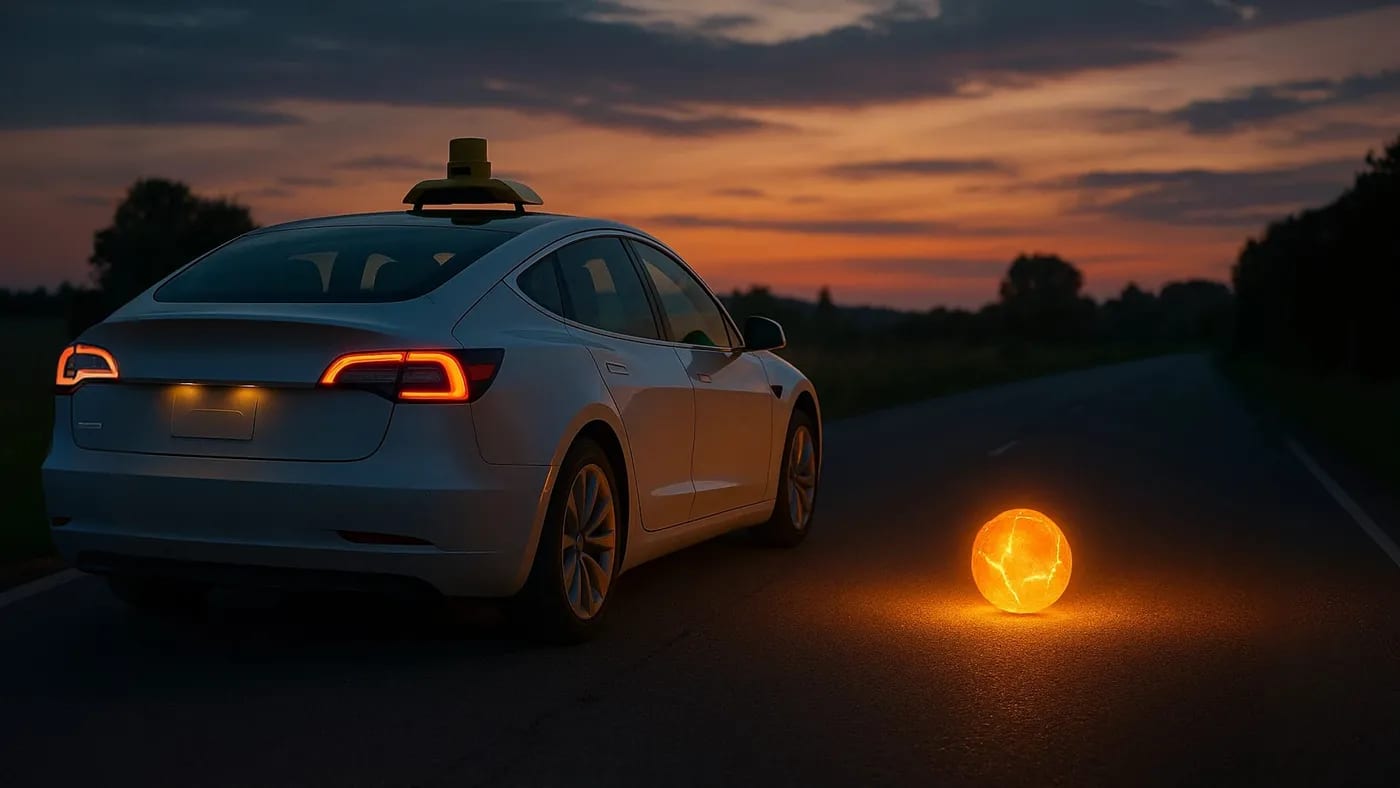
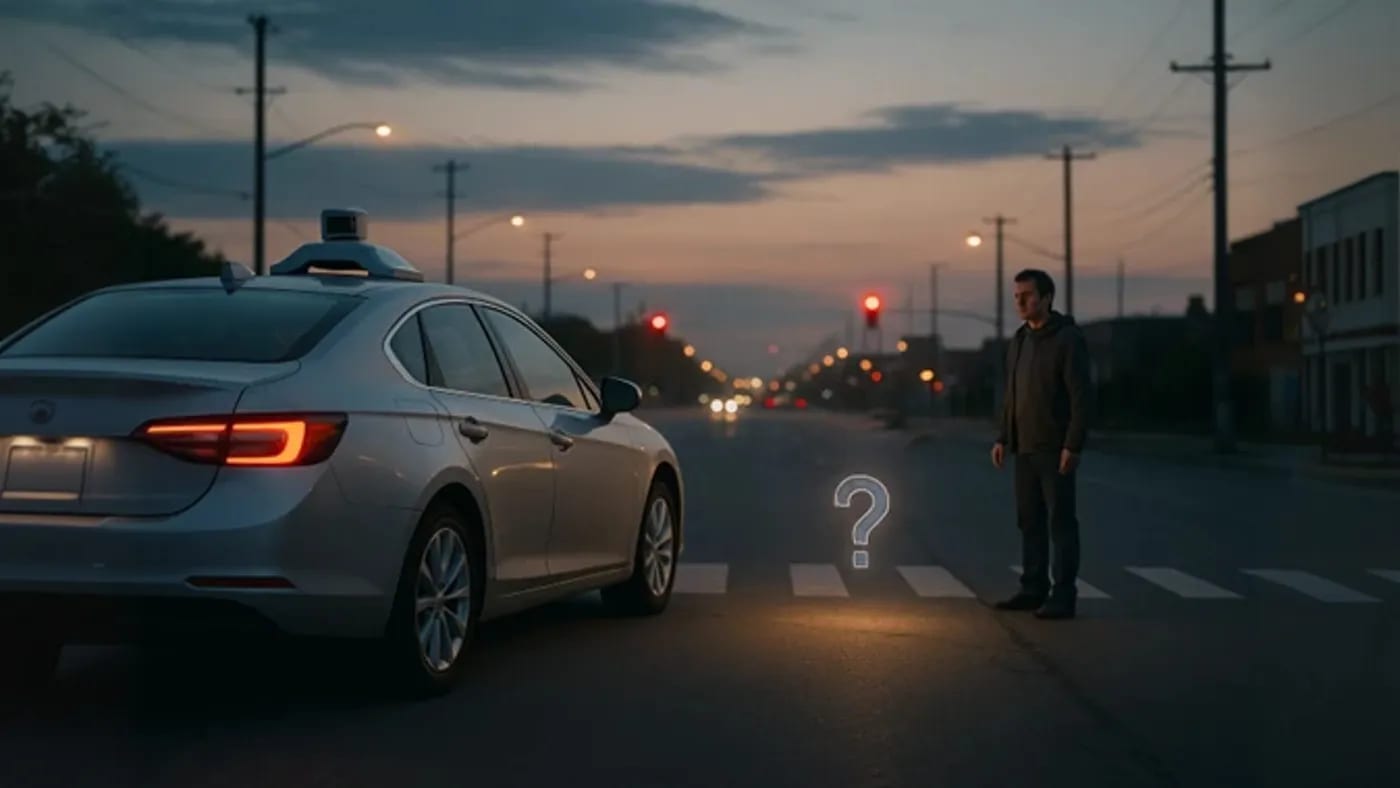
Consider the case of self-driving cars. These machines are really smart, - until they aren’t. In 2018, a high-profile autonomous vehicle accident occurred because the AI misclassified an unexpected pedestrian crossing the road. The system was 99% confident in its wrong assessment. It never hit the metaphorical brakes to say, “This scenario looks weird, - better hand control back to the human.” The car’s model didn’t know what it didn’t know, and tragedy resulted. Thankfully, researchers are now learning from such mistakes. A team at Skolkovo Institute developed a “hesitant” neural network that actually learns to hold back when it’s unsure, improving accuracy in high-stakes tasks like medicine (TechXplore). It turns out that teaching an AI to doubt itself in the right moments makes it more reliable, not less.
Then there are large language models, - eloquent writers like GPT-4 that can draft emails, code, even poetry. These models have a well-documented tendency to hallucinate, a fancy word for making things up. Ask for a citation or a piece of obscure knowledge, and they might supply a very official-sounding answer that’s completely fictional. Why? Because traditional AI training optimizes for plausible answers, not correct answers, and certainly not a built-in mechanism to say “I’m not sure.” The model has read billions of words, but it has zero grasp of epistemology, - it doesn’t truly know what knowledge is or what it means to lack it (London School of Economics and Political Science). It produces a surface of confident language without a spine of justification. This is the all-knowing illusion at work.
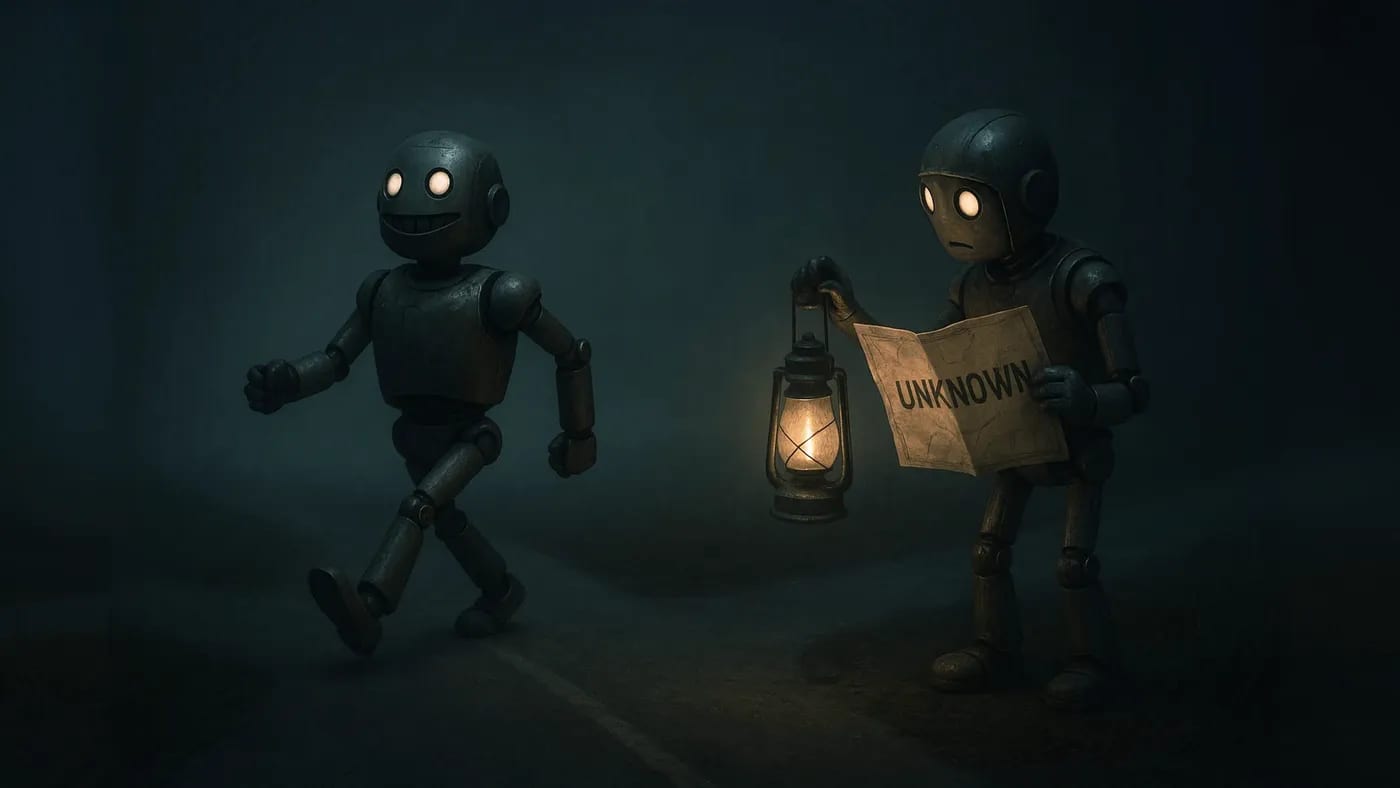
The consequences of AI’s confidence without competence range from amusing to alarming. On the light end, you get a voice assistant cheerfully mispronouncing your name or a photo app tagging your tabby cat as a tiger. Oops, - no big deal! But in high-stakes domains, - think healthcare diagnoses, financial trading algorithms, aviation control systems, - an AI that doesn’t recognize its ignorance can do real damage. Imagine a diagnostic AI that’s 95% accurate on average but never signals when a case falls into the tricky 5% of situations. A doctor relying on those AI results might skip a second opinion on a rare disease, with catastrophic results. In fact, millions of dollars and lives can ride on whether AI predictions are reliable (TechXplore). We don’t just want AI to be smart; we need it to be humble when it’s out of its depth.

The Wisdom of Knowing What You Don’t Know
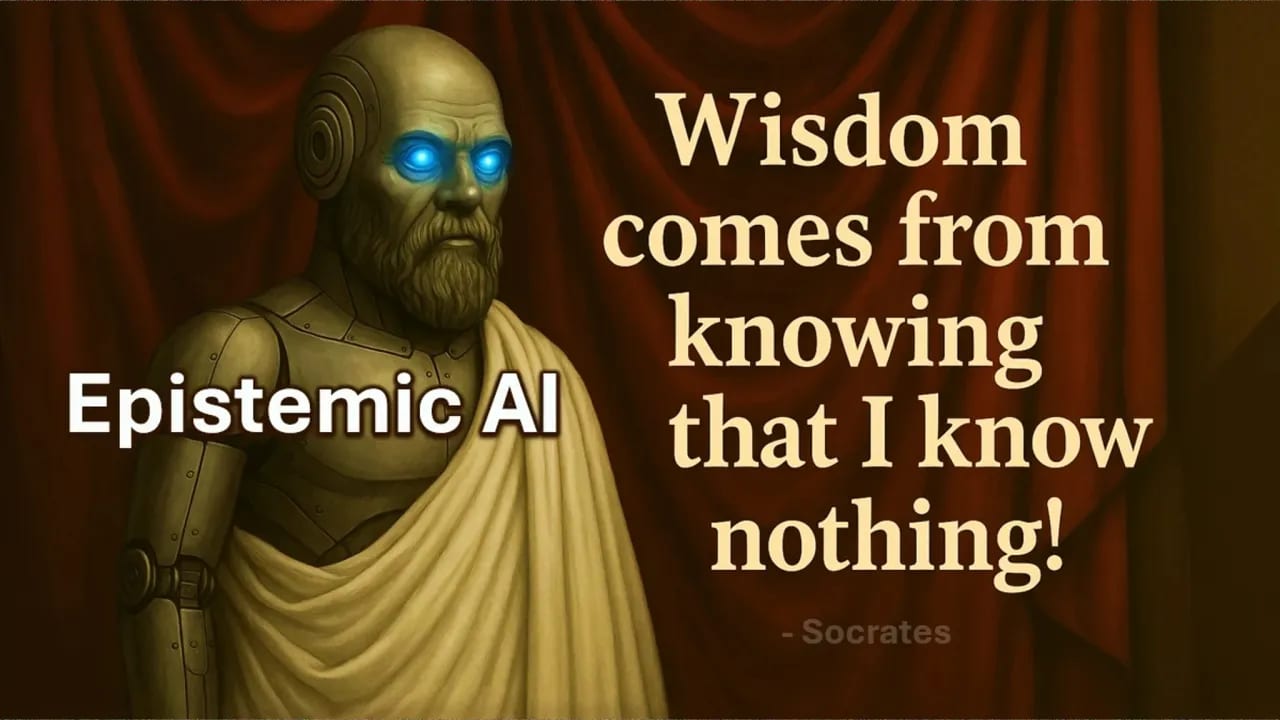
Ironically, one of the oldest philosophical insights is now at the cutting edge of AI. Socrates famously proclaimed that his wisdom came from knowing that he knew nothing. This is epistemology in a nutshell: the study of knowledge, including its limits. Today’s data-crunching models could learn a thing or two from the old Greek. The emerging field of Epistemic AI is all about baking Socratic humility into our machines. In plain terms, it means creating models that can assess and express their own uncertainty. Rather than blindly forging ahead, an epistemic AI pauses and says, “Hold on, this is unfamiliar territory for me.”
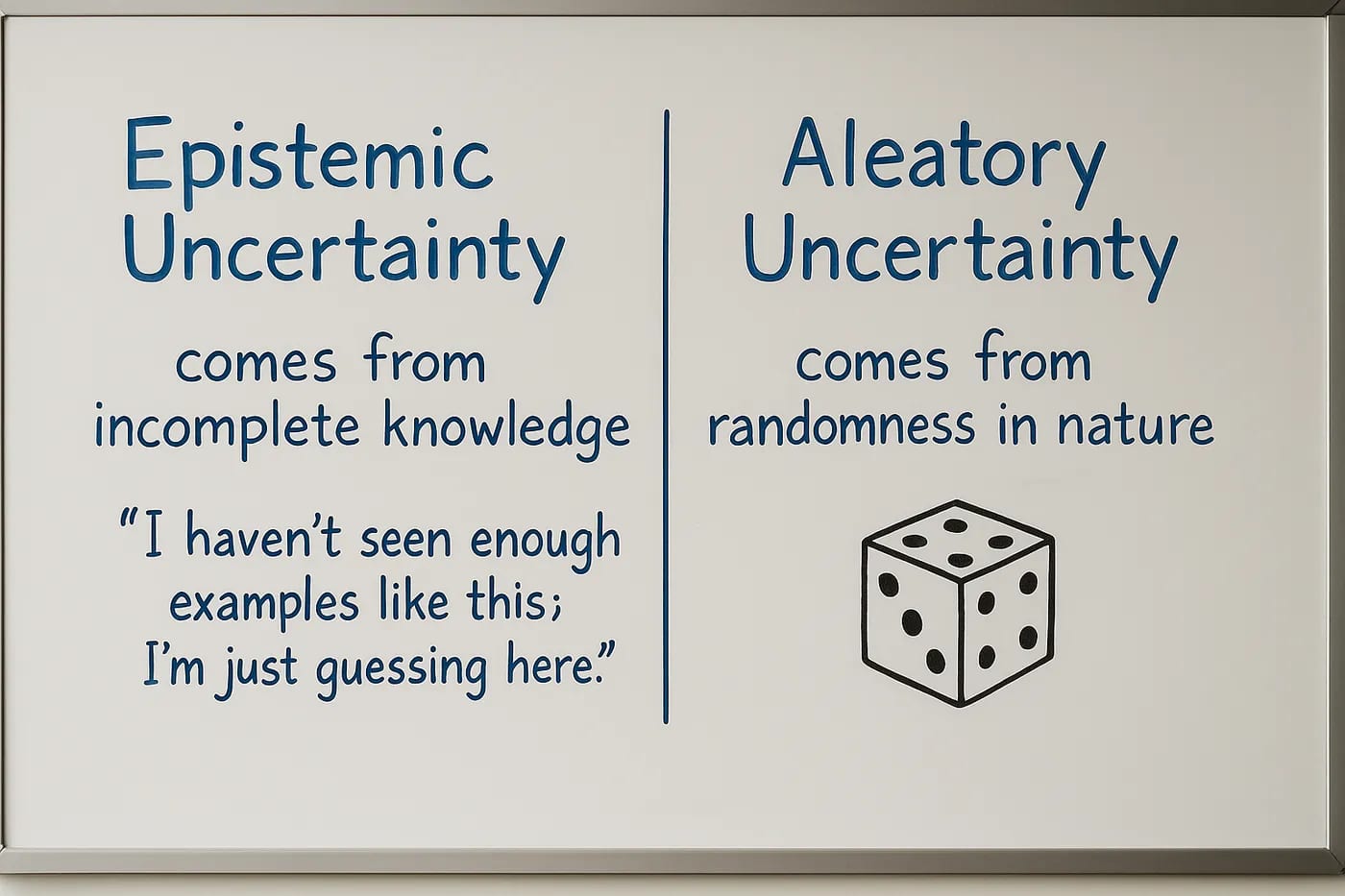
So what exactly is “epistemic uncertainty”? In AI, we deal with two main kinds of uncertainty. One is the kind you can’t avoid, like the randomness in nature or noise in data, - what statisticians call aleatory uncertainty. Think of it as the universe’s built-in chaos, the roll of the dice, - no matter how much data you have, you can’t predict each coin flip. The other kind is our focus: epistemic uncertainty, which comes from incomplete knowledge. It’s basically the AI saying, “I haven’t seen enough examples like this and so I’m just guessing here.”
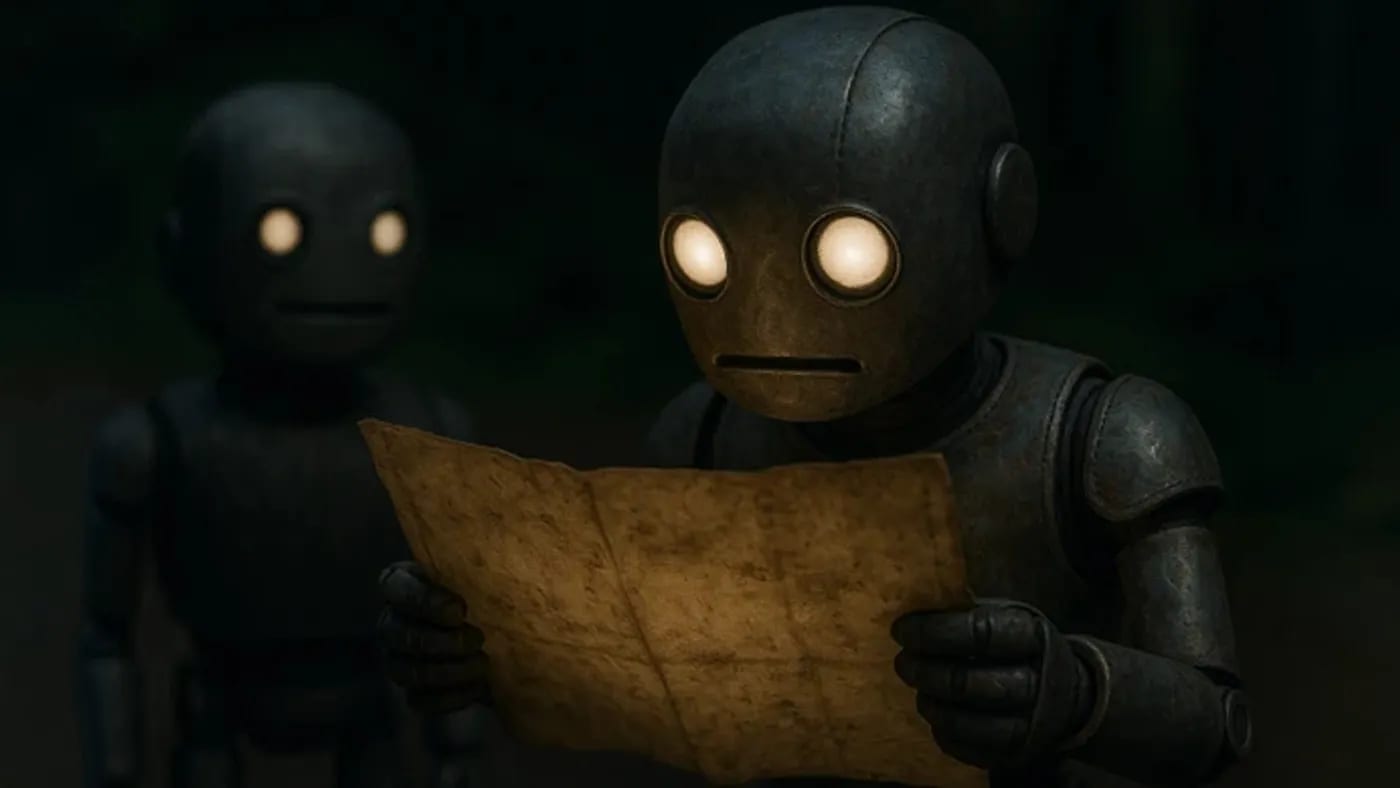
Crucially, epistemic uncertainty can be reduced, - but only if we acknowledge it. If aleatory uncertainty is a known unknown, - we know there’s inherent unpredictability, then epistemic uncertainty is often an unknown unknown, - the blind spots in a model’s understanding. Knightian uncertainty, anyone? A brilliant 2025 position paper argued that we need a paradigm shift toward epistemic AI, enabling models to “learn not only from what they know but also from their ignorance” (arXiv). In other words, teach the AI that finding its knowledge gaps is as important as fitting the data.
Now, before this starts sounding too academic, let’s ground it in something relatable. Have you ever had an intern or junior team member who was afraid to ask questions, and instead confidently delivered a wrong result? And then another colleague, a seasoned pro, who openly flagged issues and asked for input when unsure?

Nine times out of ten, the question-asker ended up doing a better job in the long run. Why? Because acknowledging what you don’t know is the first step to either learning more or avoiding a misstep. The same goes for AI. A model that can flag “I’m not fully confident here” gives us a chance to intervene, gather more data, or apply a different approach. An overconfident model barrels forward and may crash spectacularly.
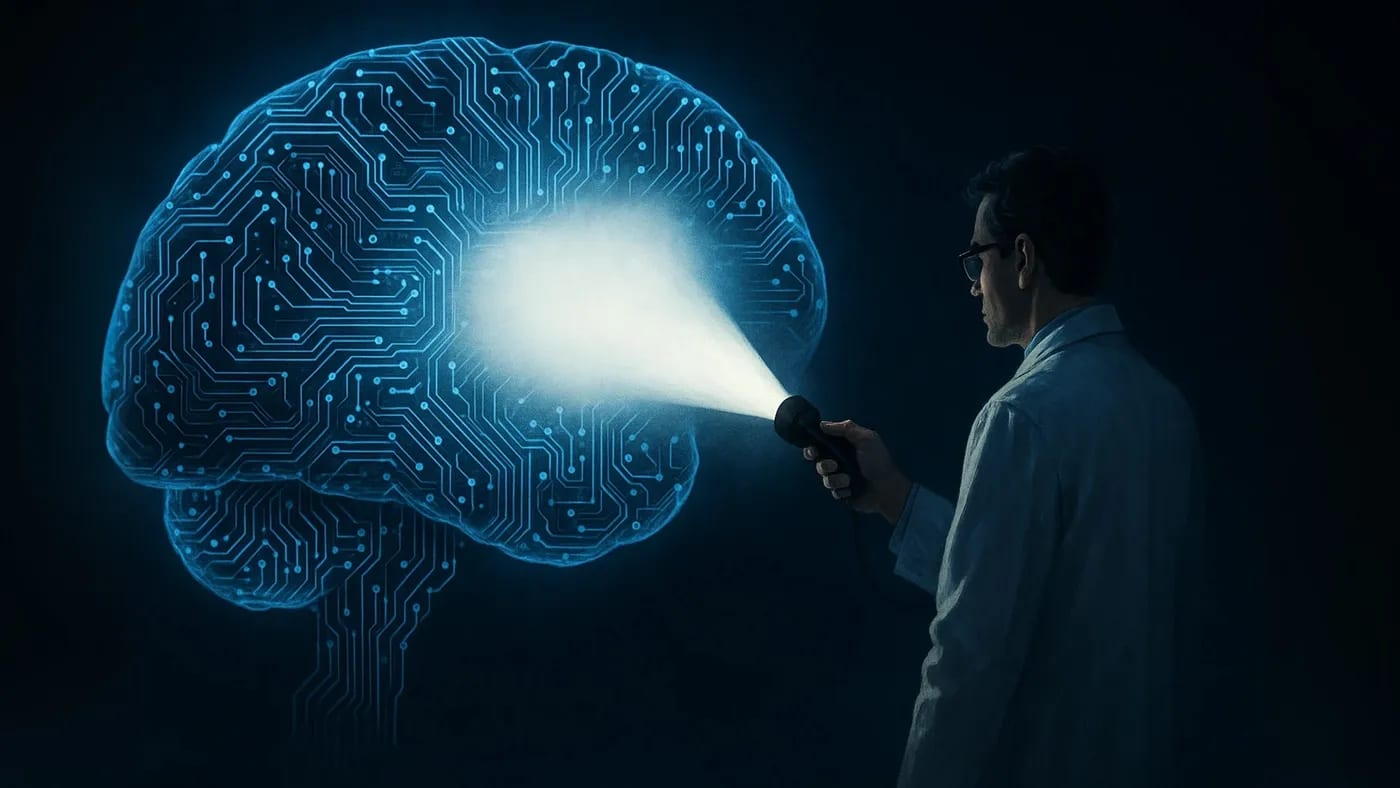
Thankfully, the science and engineering of uncertainty in AI have been racing ahead. If the first era of AI was about raw predictive power, this next era is about quantifying confidence. Techniques like Bayesian inference have made a comeback. In a Bayesian neural network, for instance, the model’s parameters aren’t fixed points, - they’re distributions. Instead of spitting out a single prediction, the model yields a spread of possibilities with probabilities attached. It’s as if the AI is saying, “Given what I’ve seen, there’s an 85% chance this new chemical compound is safe, but a 15% chance it’s going to surprise us”, - and wouldn’t you want to know about that 15%? One practical method called Monte Carlo dropout basically trains a whole bunch of “mini-models” inside a neural network by randomly dropping different neurons and seeing how predictions vary. If all those mini-models agree, the AI is pretty confident. If they diverge wildly, red flag, - the AI is effectively shrugging, telling you it doesn’t have a clear answer.
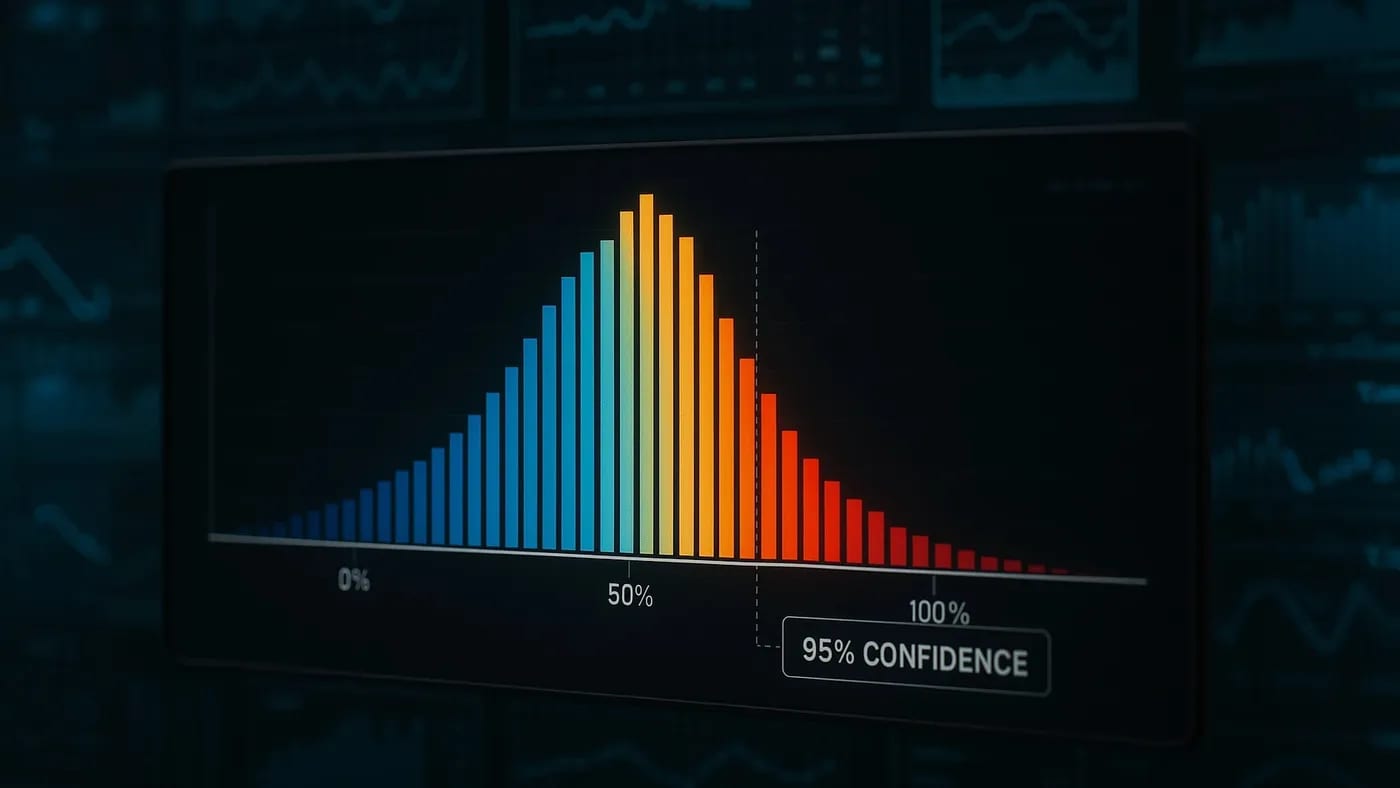
Another promising approach is evidential deep learning, where instead of outputting just a class or number, the AI outputs a whole probability distribution or an “evidence score” for each possible answer. It’s like the difference between a detective saying “The suspect is guilty” versus “The suspect is probably guilty because of these three clues, but there’s not much evidence regarding his alibi.” The latter is richer in information, - it gives you a sense of how much to trust the conclusion. Similarly, conformal prediction is gaining traction as a way to wrap model outputs with statistically valid confidence intervals (Medium).
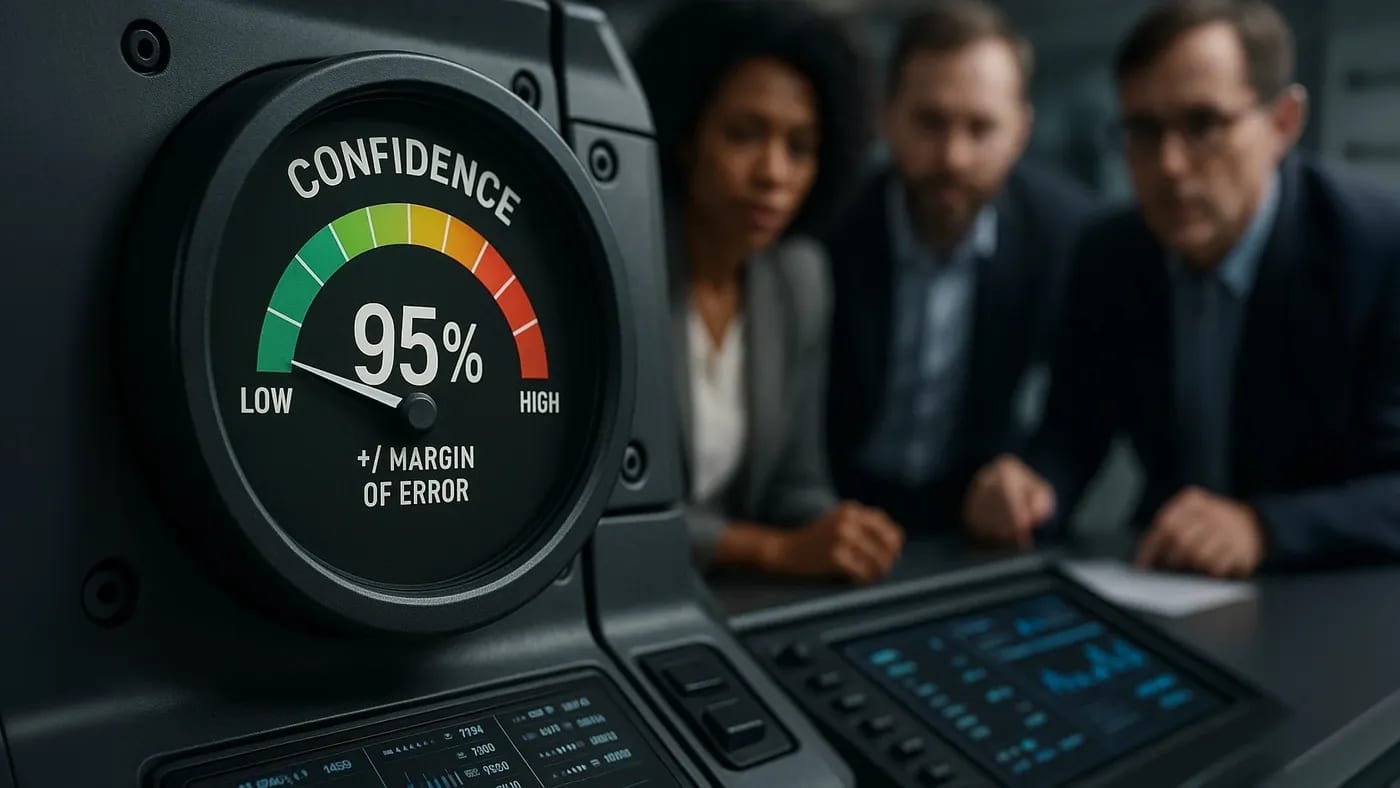
Instead of an AI vision system declaring “This is a defect,” it might say “This is a defect with 95% confidence. Here’s a margin of error.” If that confidence drops to, say, 50%, the system throws up its hands and calls for help. As researcher Sutanay Choudhury from PNNL succinctly put it, “AI should be able to accurately detect its knowledge boundaries”, effectively coming with a built-in confidence gauge.
None of these techniques are about making AI less capable, on the contrary, they make AI more robust. By embracing uncertainty, we actually push the frontiers of what AI can handle. Think of it as stress-testing the model: we find the edge cases where it falters. An epistemic AI is constantly, under the hood, asking itself “How sure am I? Have I seen anything like this before? Should I proceed or get a second opinion (human or machine)?” That self-reflection can prevent disasters. It’s the difference between an AI that’s a reckless driver versus one that’s a defensive driver, slowing down at unfamiliar intersections.
From Theory to Practice: Trust as the New Killer App
You might be thinking, “This is great in theory, but how do I use this?” Fair question. For technology executives and product leaders, epistemic AI isn’t just a research niche, - it’s a strategic imperative. Why? Because trust is the killer app for AI in the enterprise. If your customers and team can’t trust the system’s outputs, they won’t use it, no matter how fancy the algorithms are. And nothing erodes trust faster than an AI that’s either overconfident and wrong, or one that’s so cautious it’s effectively useless. We need calibrated AI, - neither hot nor cold, but just right about its own abilities.
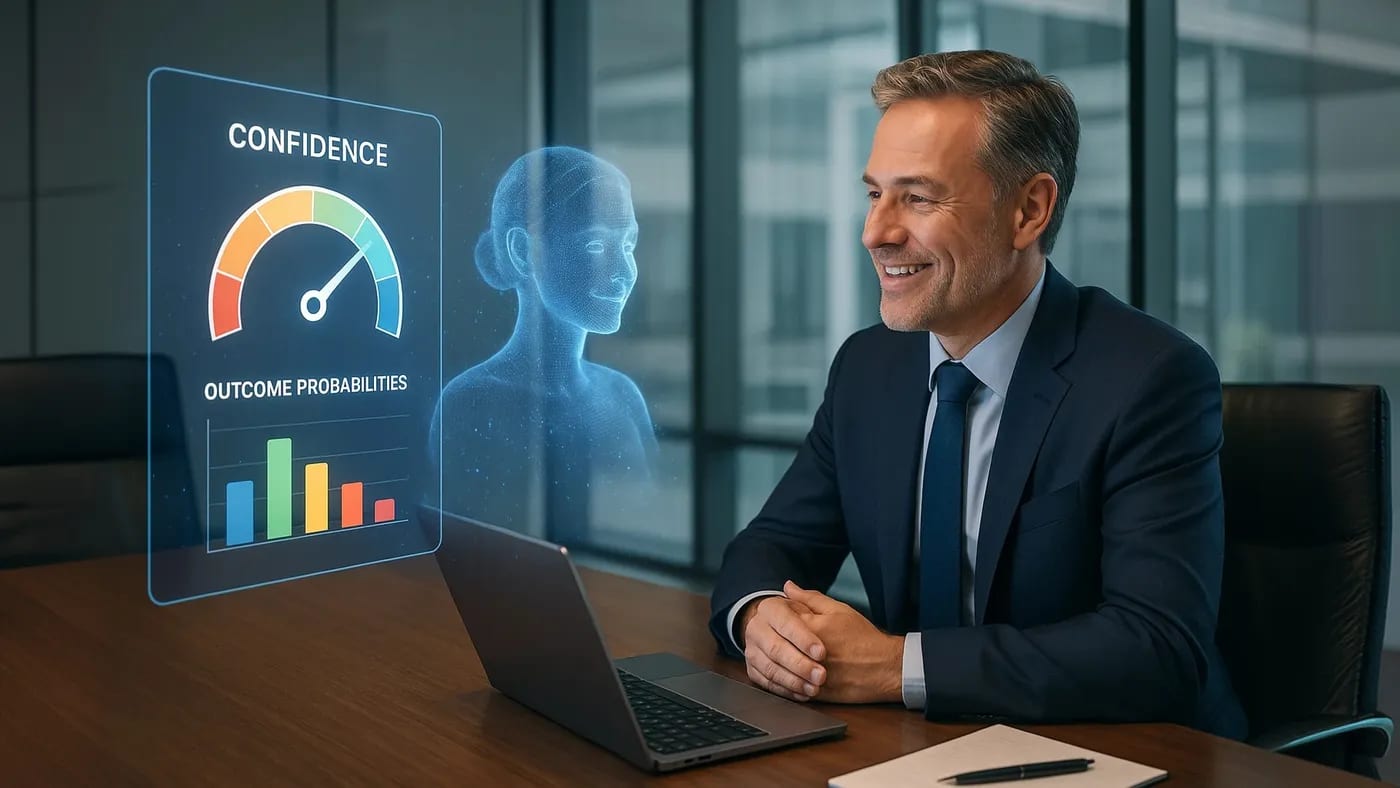
Let’s talk practical applications (and yes, ROI). Take healthcare, an industry already feeling the AI revolution. Picture an AI system that analyzes radiology images for tumors. An algorithm without epistemic awareness might flag 100% of lesions confidently, - including the ones it’s actually unsure about. That forces doctors to second-guess the AI on everything or risk trusting a misfire. It’s a lose-lose situation, - either wasted time or dangerous oversight. Now imagine an AI radiologist that flags most images as “clear” or “suspect” with high confidence, but occasionally says: “Uncertainty high – recommend expert review.” Suddenly the tool isn’t a black-box know-it-all, - it’s a collaborative partner. Radiologists know exactly when to step in. The AI basically triages cases by its own confidence level. In practice, this could mean catching those one-in-a-thousand weird cases that a cocky algorithm would have missed. It builds trust because the human doctors see that the AI isn’t overstepping its bounds. In fact, early studies show that when AI explains its confidence (or lack thereof), doctors and users trust it more, not less (LinkedIn). Transparency turns a skeptical user into a confident one.
Finance offers another great illustration. Trading floors and risk management offices are increasingly powered by algorithms. These AI models ingest years of market data and make lightning-fast decisions on investments, loans, or trades. In stable economic times, a well-trained model might perform brilliantly. But throw it a curveball, - say, a once-in-a-century pandemic or an unprecedented geopolitical event, and all bets are off. The model is now out of its training distribution, as data scientists would say. It’s like asking a pilot trained on clear skies to navigate a freak storm.
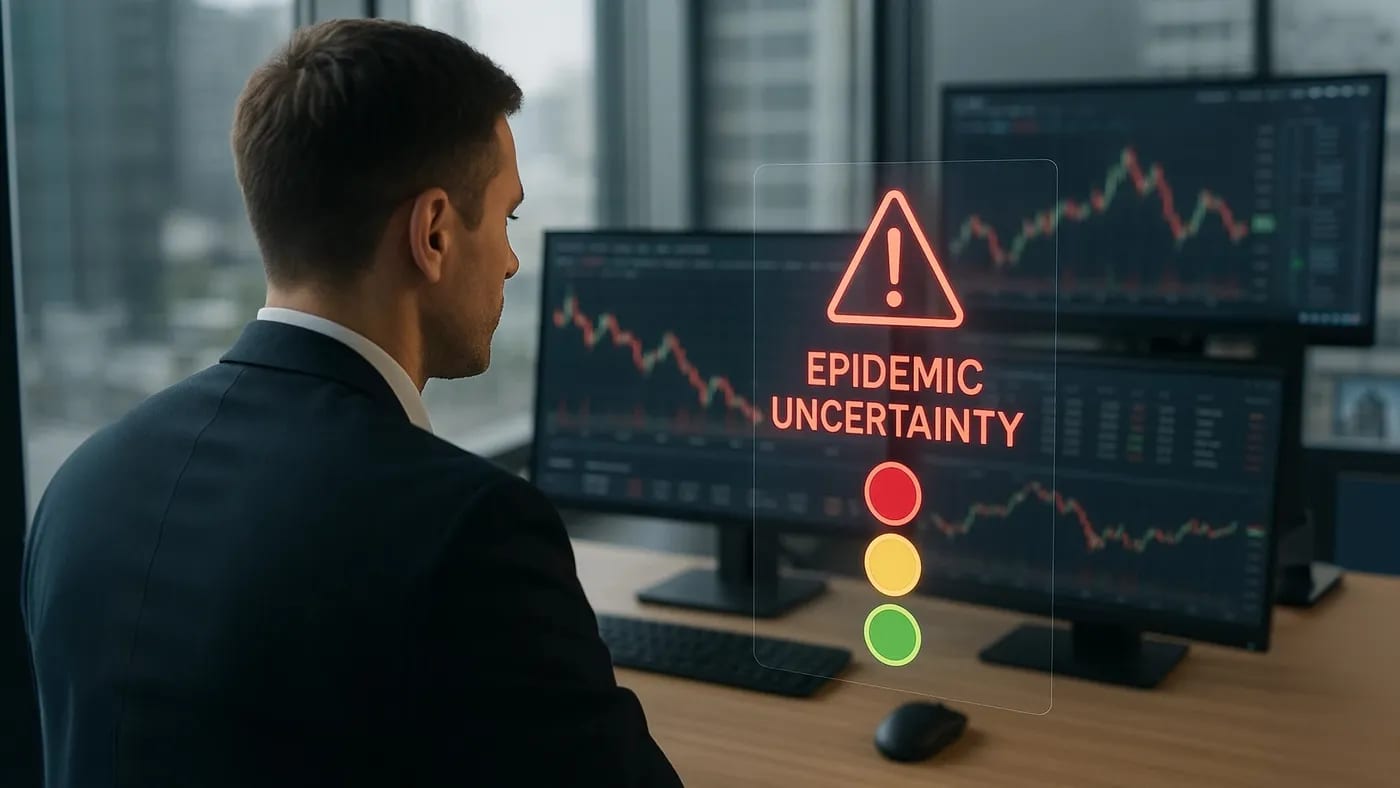
Without epistemic awareness, the trading AI could continue making trades as if nothing’s changed, potentially magnifying losses. However, a model designed to recognize epistemic uncertainty would effectively raise a red flag: “Market conditions are unlike anything I’ve seen. Proceed with caution!**” This alert would prompt human analysts to double-check decisions or adjust strategies. Sure, it might slow down trading for a beat, but that’s a small price to pay to avoid a multi-million-dollar blunder. In fact, the difference between an AI that triggers a stop-gap in uncertain times versus one that barrels on could be the difference between a bank surviving a crisis or folding. Enterprise leaders in finance are starting to demand these safety nets, - they want algorithms that can name their confidence level.
Even consumer tech can benefit. Think about AI in your smartphone or smart speaker. Wouldn’t it be nice if your digital assistant, when faced with a complex or sensitive query, occasionally said, “I’m not certain about that; here are a few things I do know, and perhaps we should verify the rest.” This kind of transparency could be a competitive differentiator. Users might actually prefer the assistant that admits uncertainty and offers to learn more over one that pretends to know everything and inevitably messes up. User experience research suggests that a moderate level of uncertainty expression, - not too much, not too little, tends to increase user trust and satisfaction (ScienceDirect). It makes the AI feel more human in the good way*: fallible, honest, and aligned with the user’s own critical thinking*.
Leadership Imperative: Embrace the Unknown Unknowns
The rise of epistemic AI carries a big message: Don’t just ask what an AI can do, ask what it knows it can’t do. When evaluating AI solutions, drill beyond the glossy demo. In the next product meeting, ask your team, “How does our model handle uncertainty? Can it detect when it’s getting out of its depth?” If you get blank stares or hand-wavy answers, you know you have some technical debt to pay. It might be time to invest in that uncertainty quantification module or bring in experts on Bayesian methods. It’s no longer acceptable to deploy AI that just plays ostrich with the unknowns, - not when methods exist to do better.

Organizational culture plays a role here, too. If your company has a “no bad news” culture where admitting uncertainty is seen as weakness, you might inadvertently mirror that in your AI projects, - with disastrous effects. Instead, foster a culture (both in humans and machines) of epistemic humility. Encourage developers to surface a model’s doubt. Encourage product managers to design user interfaces that display confidence scores or error bars in a user-friendly way. Like one bank implemented a simple traffic-light indicator in their loan approval AI: green when the model was very sure, yellow when moderately sure, red when it was guessing.
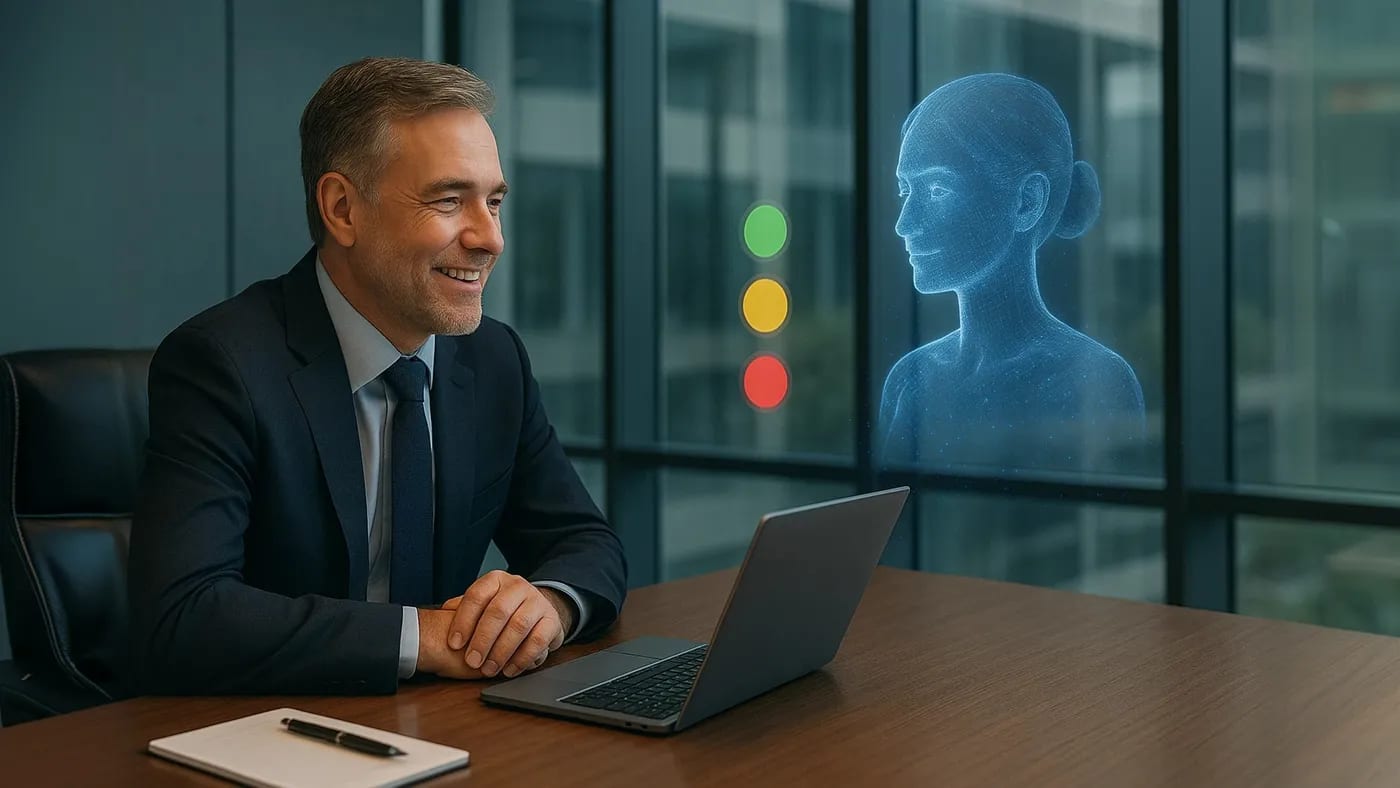
The result? Loan officers started trusting the green outputs more and paying much more attention to the yellows and reds. It became second nature for them to calibrate their trust, exactly as intended. This kind of trust calibration is a competitive advantage. Your AI doesn’t have to be right 100% of the time (news flash: none are), but it does have to be honest about its confidence.
“We don’t just need smart AI, we need honest AI.”
There’s also a broader risk management angle. Regulators and standards bodies are circling around AI, and they’re asking tough questions. The EU’s upcoming AI Act, for example, emphasizes transparency and risk mitigation.
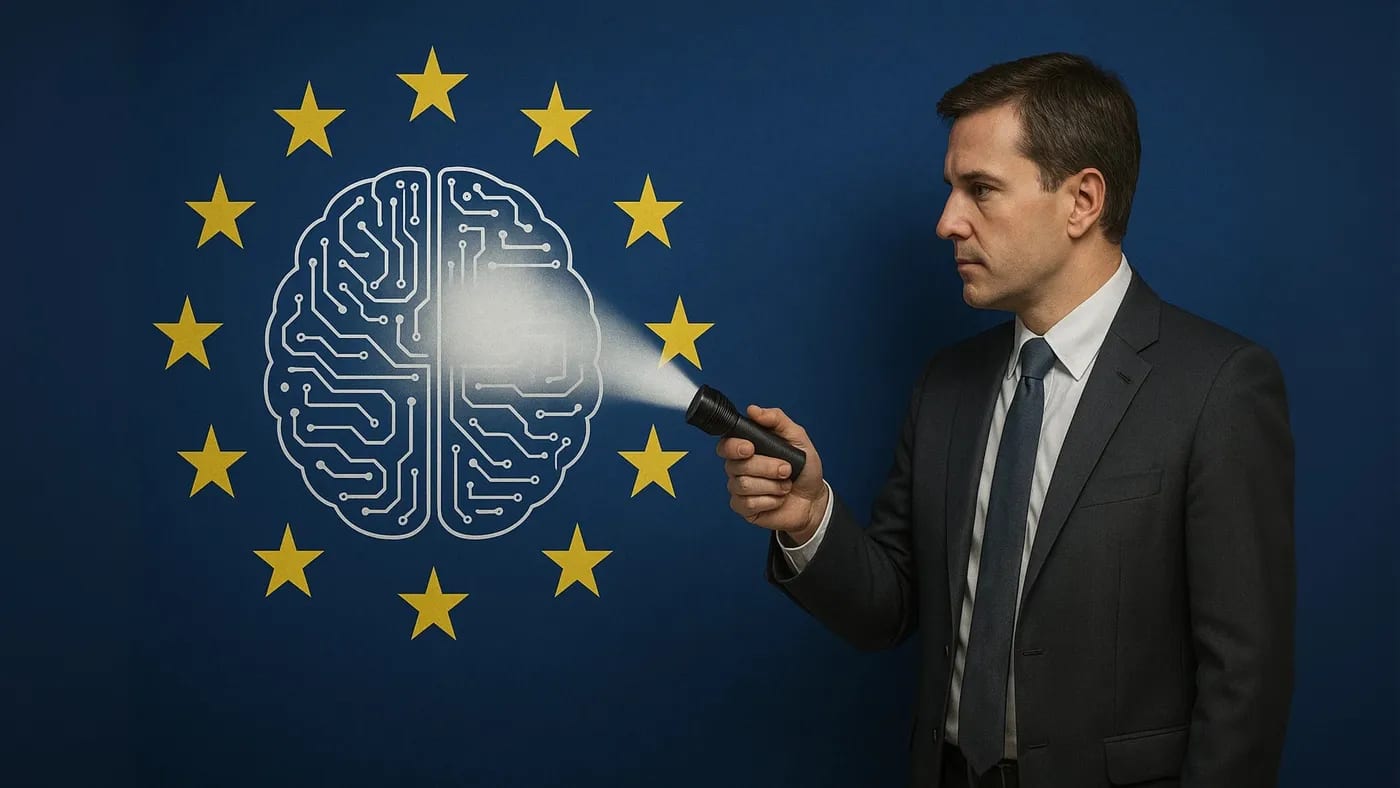
If you can show that your model monitors its uncertainty and has failsafes when confidence is low, that’s a powerful argument that you’re a responsible player. Conversely, an AI system that face-plants because it was blindly confident could land your company in regulatory hot water, lawsuits, or PR nightmares. Think of epistemic AI features as part of your compliance and brand trust toolkit.
The Real Intelligence: Humility
We often benchmark AI against human intelligence, asking if machines can think or learn like us. But perhaps we should also ask if machines can doubt like us. Some of the wisest people you’ve met are probably those who are unafraid to say “I don’t know. Let’s find out.” That’s not ignorance; it’s wisdom. Likewise, the smartest AI in the room might be the one that occasionally tells you, “I’m not sure about this, and here’s why.” That AI isn’t broken. It’s being responsible.
In the fast-paced, hype-driven tech world, promoting an AI’s humility might sound counterintuitive. But it’s only counterintuitive until it’s obvious. We’re nearing at an inflection point where everyone from end-users to CEOs will expect AI to justify its answers, including highlighting its own blind spots. An AI that never blinks, never questions itself, will be seen as naive, - much like an overconfident rookie who doesn’t know what he doesn’t know. On the other hand, an AI that provides an answer with context, with a peek into its level of certainty, will earn our trust as a savvy partner.

So here’s my call to action: Embrace the epistemic mindset! Ask the awkward questions about your AI’s ignorance. Reward your teams and vendors for building systems that fail gracefully instead of catastrophically. When brainstorming new AI-driven products or features, include “How will we handle ‘I’m not sure’ cases?” on your checklist. It might lead to slightly longer development cycles or the occasional tough technical challenge, but the payoff is a system you can bet your business, - and your customers’ well-being, on.
In the end, Epistemic AI is not just a technical paradigm, - it’s a philosophy of building more resilient, trustworthy technology. It reminds us that sometimes the most transformative innovation isn’t teaching machines more answers, - it’s teaching them to ask questions, to know the limits of their knowledge. In a very real sense, the future of AI might belong not to the know-it-alls, but to the know-they-don’t-know-it-alls. And if that sounds a bit like wisdom, then maybe our machines are on the right track to becoming truly intelligent.

After all, the only true wisdom is knowing what you don’t know, - and that goes for our algorithms, too.

Further Reading:
-
Position: Epistemic Artificial Intelligence is Essential for Machine Learning Models to Know When They Do Not Know (Shireen Kudukkil Manchingal & Fabio Cuzzolin - May 2025) A position paper arguing for AI that learns from its own ignorance, calling for a paradigm shift to models that recognize and manage uncertainty for greater robustness.
-
An epistemic solution to do away with our illusion of AI objectivity (Jakub Drábik - April 2025) LSE Business Review article introducing “epistemic responsibility,” suggesting AI should provide sources, note disagreements, and admit uncertainty to be truly transparent and trustworthy.
-
Trust Calibration in AI: Why Getting It Right Matters (Andrew Pepper - May 2025) A LinkedIn essay on aligning user trust with AI’s actual capabilities, emphasizing transparent design (knowing what AI knows and doesn’t), and framing uncertainty as a collaborative feature rather than a flaw.
-
A new way to measure uncertainty provides an important step toward confidence in AI model training (Karyn Hede - April 2025) News piece on a Pacific Northwest National Lab breakthrough: a method to quantify how well an AI model has been trained and flag predictions made outside its training scope, effectively showing when the AI needs more data or caution.
-
Neural network learns to hesitate for improved accuracy (Oleg Sherbakov - March 2025) Coverage of research from Skoltech where a neural network was trained to assess its own confidence, “hesitating” on ambiguous cases. The approach improved reliability in critical fields like medical imaging by preventing overconfident errors.
-
This AI model is more certain about uncertainty (Radboud University - March 2025). Press release on a Ph.D. project that incorporates uncertainty directly into AI algorithms for safer outcomes. Notably advocates embracing uncertainty rather than eliminating it, with methods to model unknowns explicitly for more dependable AI decisions.
-
Conformal Prediction: The Key to Reliable AI Confidence & Uncertainty Estimation (Vishwanath Bijalwan - Feb 2025). A brief Medium article explaining conformal prediction, - a statistical framework that gives AI models calibrated confidence intervals and flags out-of-distribution inputs, thereby reducing hallucinations and overconfidence in AI predictions.
Disclaimer: The perspectives shared in this article are my own and do not represent those of my employer or any affiliated organizations. All company names, product names, logos, and brands mentioned are the property of their respective owners and are used for identification and illustrative purposes only. No endorsement, sponsorship, or affiliation is intended or implied. References to specific companies or case studies are based on publicly available information and are used solely for educational and discussion purposes.
More from machine minds
All machine minds → machine minds
The Mind-Reading Machine: AI's Next Frontier in Theory of Mind
We all know that one colleague who just can't read the room. Now imagine that oblivious colleague is not even human but a machine learning model running your customer service or your autonomous car. It's a recipe for awkward…
 machine minds
Yes, No, Maybe: The New Logic of Innovation Beyond Binary
A CEO stares at two proposals on the boardroom table, - Option A or Option B, a yes-or-no decision with millions on the line. Outside the window, city lights paint the night in more than just black and white, as if to remind her that not…
 machine minds
No AI is an Island: Why 2025’s Smartest AIs Work Together
Imagine a lone chef trying to cook a seven-course banquet singlehandedly. Pots boil over as they dash from appetizer to dessert, doing an admirable job but inevitably missing a flavor here, a timing there. Now picture a coordinated kitchen…