Knowledge Protocol Engineering: Teaching AI the How, Not Just the What
🔊 Listen to the Podcast version here. 🔊
Imagine hiring a brilliant intern who has read every document in your company’s knowledge base but still fumbles basic tasks. They can recite facts verbatim yet don’t know how to apply them. This, in a nutshell, is the state of many AI assistants today. Modern Large Language Models (LLMs) are encyclopedic whizzes. They can regurgitate static information on command. But ask them to perform a complex, domain-specific workflow, - say, drafting a nuanced legal brief or planning a multi-phase R&D project, and they often deliver answers that sound confident but miss the mark procedurally. They lack the contextual rigor and step-by-step logic that seasoned professionals take for granted, much like that overly keen intern who doesn’t know what they don’t know. It’s not for lack of intelligence. It’s for lack of protocol.

The Limits of Fact-Feeding AI
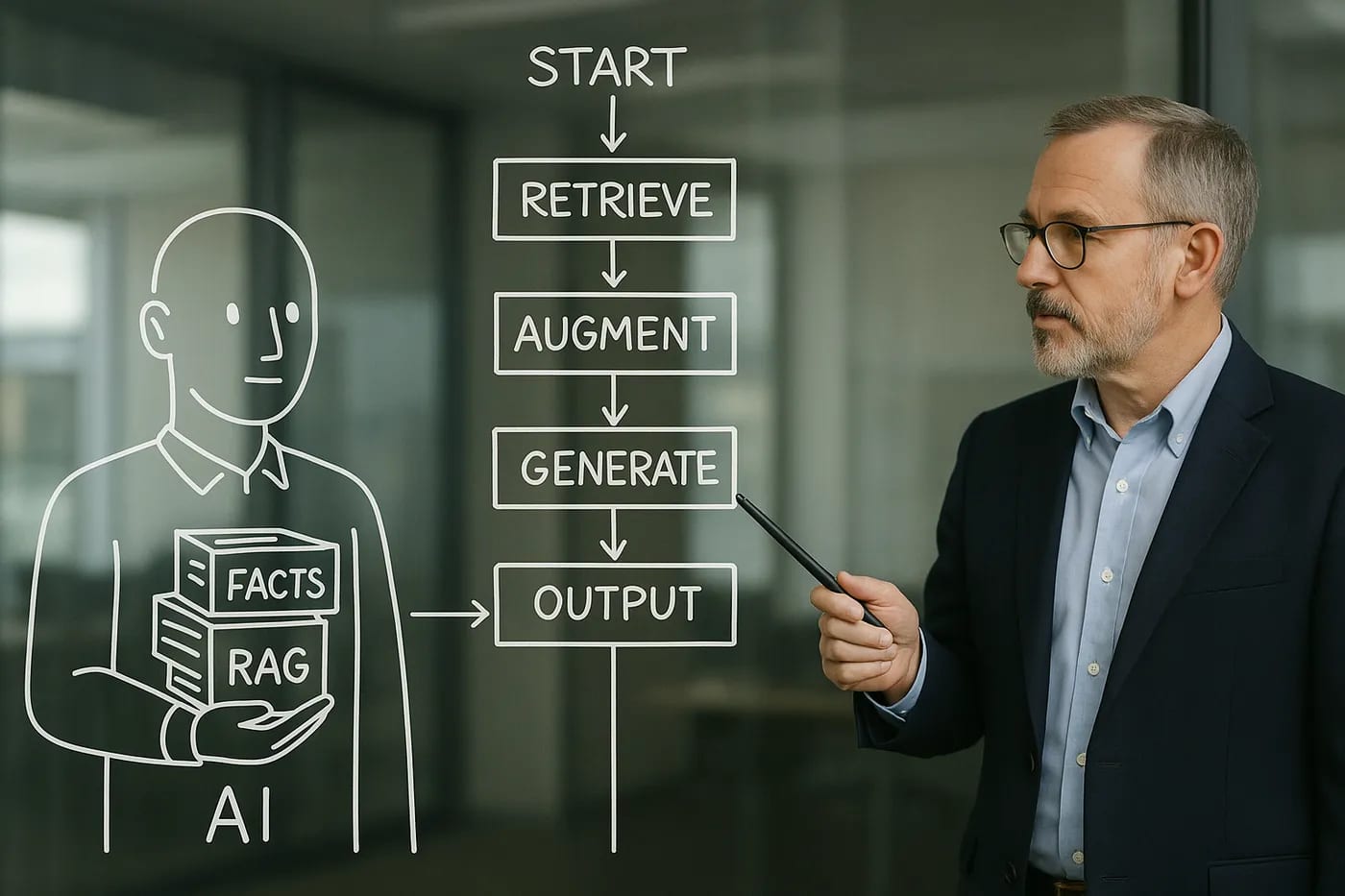
For the past few years, we’ve tried to remedy this gap by feeding LLMs more information. The go-to method has been Retrieval-Augmented Generation (RAG), - essentially, stuffing an AI’s prompts with relevant documents or snippets so it has the facts at hand. RAG does boost factual accuracy by giving the model an open-book exam, but it’s like giving our hapless intern a stack of binders without teaching them how to follow the company playbook. It augments knowledge, not know-how*.* Recent research succinctly points out RAG’s key shortcoming: it provides helpful reference material but “struggles to convey the procedural and abstract reasoning frameworks that define expert-level problem-solving” (arXiv). In other words, it dumps static knowledge on the AI, yet the logical frameworks, - the if-thens, the flowcharts, the methodologies*, -* remain elusive. The result? An AI that might cite the right regulation paragraph but fails to assemble a valid legal argument. It’s an open-book examinee with no sense of how to use the book.
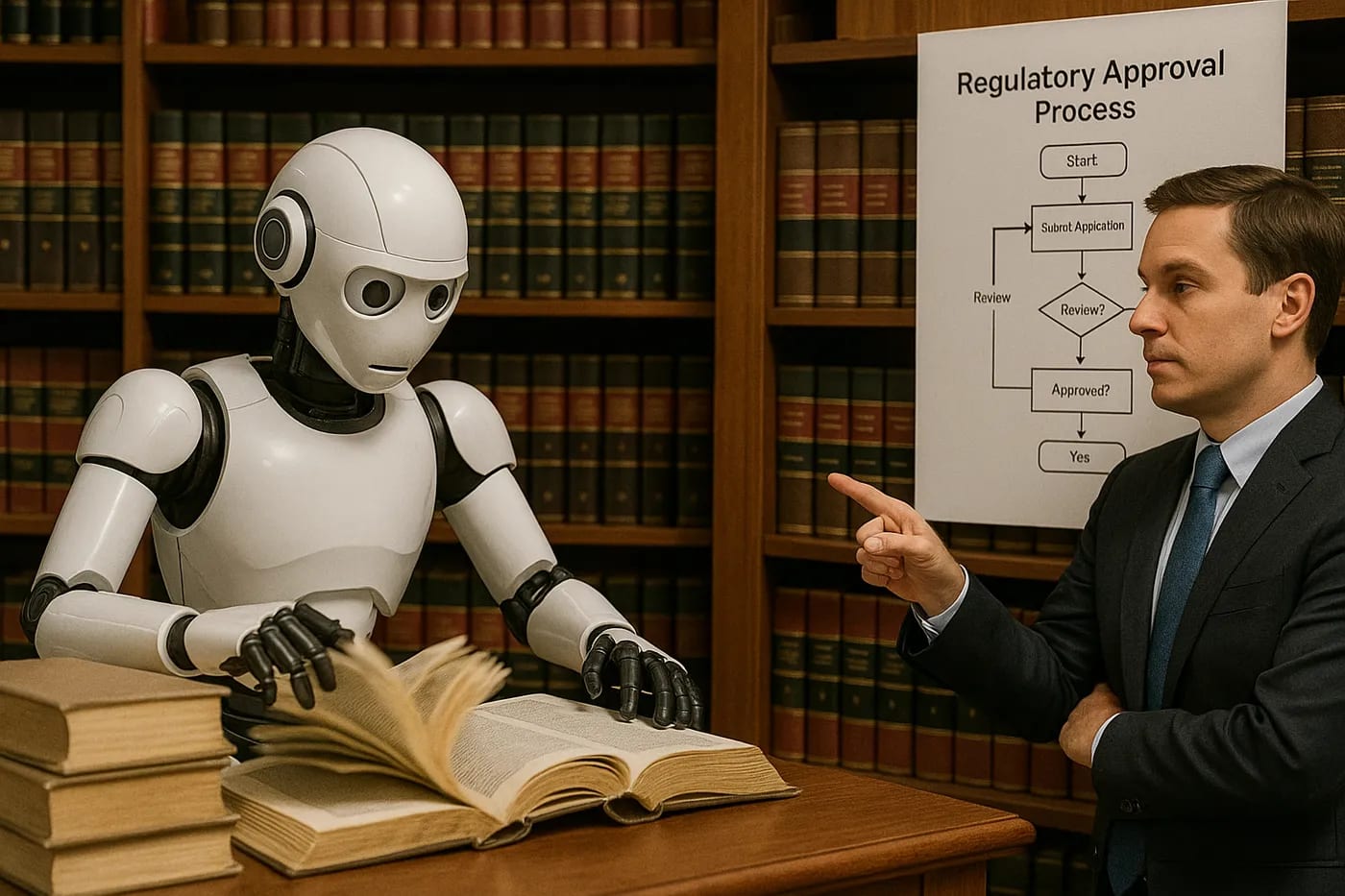
On the flip side, some have tried to make AI more active in tackling complex tasks. Tool-using agent systems let an AI call external tools, databases, or code in iterative steps. Think of these as giving the intern a smartphone with access to Google and a bunch of apps. It’s powerful, but without guidance it can become chaotic. These general-purpose agentic AIs often “act like a detective with a phone – trying things, calling tools – but without domain-specific heuristics, they can be inefficient and unpredictable” (arXiv). They might solve a problem eventually, or they might wander down rabbit holes. When every step is self-directed, the results range from impressive ingenuity to head-scratching blunders. For a business aiming to rely on AI in serious workflows, - compliance checks, design processes, strategic analyses, this unpredictability is a dealbreaker. You don’t want your AI acting like a junior detective who might crack the case or might just as likely get lost following a false lead.
Enter Knowledge Protocol Engineering (KPE): There comes a moment in every hype cycle where a promising idea flips the narrative. For AI in specialized work, that inflection point is happening now with Knowledge Protocol Engineering. KPE is a newly coined paradigm that asks a simple question: What if, instead of just handing our AI more facts or more freedom, we taught it the actual processes and principles of our domain*?* If RAG is about giving AI the reference material, and agent frameworks give it general tools, KPE gives it the instruction manual and the apprenticeship it always needed. The approach was introduced in a July 3, 2025 position paper as a direct response to AI’s struggle with deep expertise tasks. At its core, KPE is about systematically translating human expert knowledge, - often found in thick manuals, standard operating procedures, academic texts, into a machine-executable protocol. In plainer terms, it’s taking the way an expert thinks and acts in a domain and encoding that as a structured game plan the AI can follow. Instead of treating an expert’s documents as just passive text to quote, KPE treats them as source code for the AI’s behavior.

Think of a Knowledge Protocol (KP) as the secret recipe or playbook of a domain, distilled into a form an AI can execute. Under KPE, a generalist AI becomes more like an apprentice with a manual to follow. The human expert no longer just hopes the AI will “pick up” the method via a prompt. Instead, the expert actively becomes a Knowledge Architect, explicitly programming the AI’s approach. We shift the focus from content to methodology. As the KPE paper puts it, the protocol’s primary payload is not raw info but the “intrinsic logic, operational strategies, and methodological principles” of the domain. This is a philosophical shift: the human-authored content isn’t merely background reading for the model, it’s the blueprint for reasoning. By following a well-designed protocol, a once-general AI can suddenly handle specialist tasks. In effect, the AI wears the hat of a lawyer, or a bioinformatician, or a project manager by internalizing that domain’s way of thinking. The results can be dramatic: a generalist LLM, guided by a robust knowledge protocol, can “function as a specialist, capable of decomposing abstract queries and executing complex, multi-step tasks”. In short, we’re teaching the AI how to fish, not just handing it a fish.

How a Knowledge Protocol Works (The KPE Workflow)
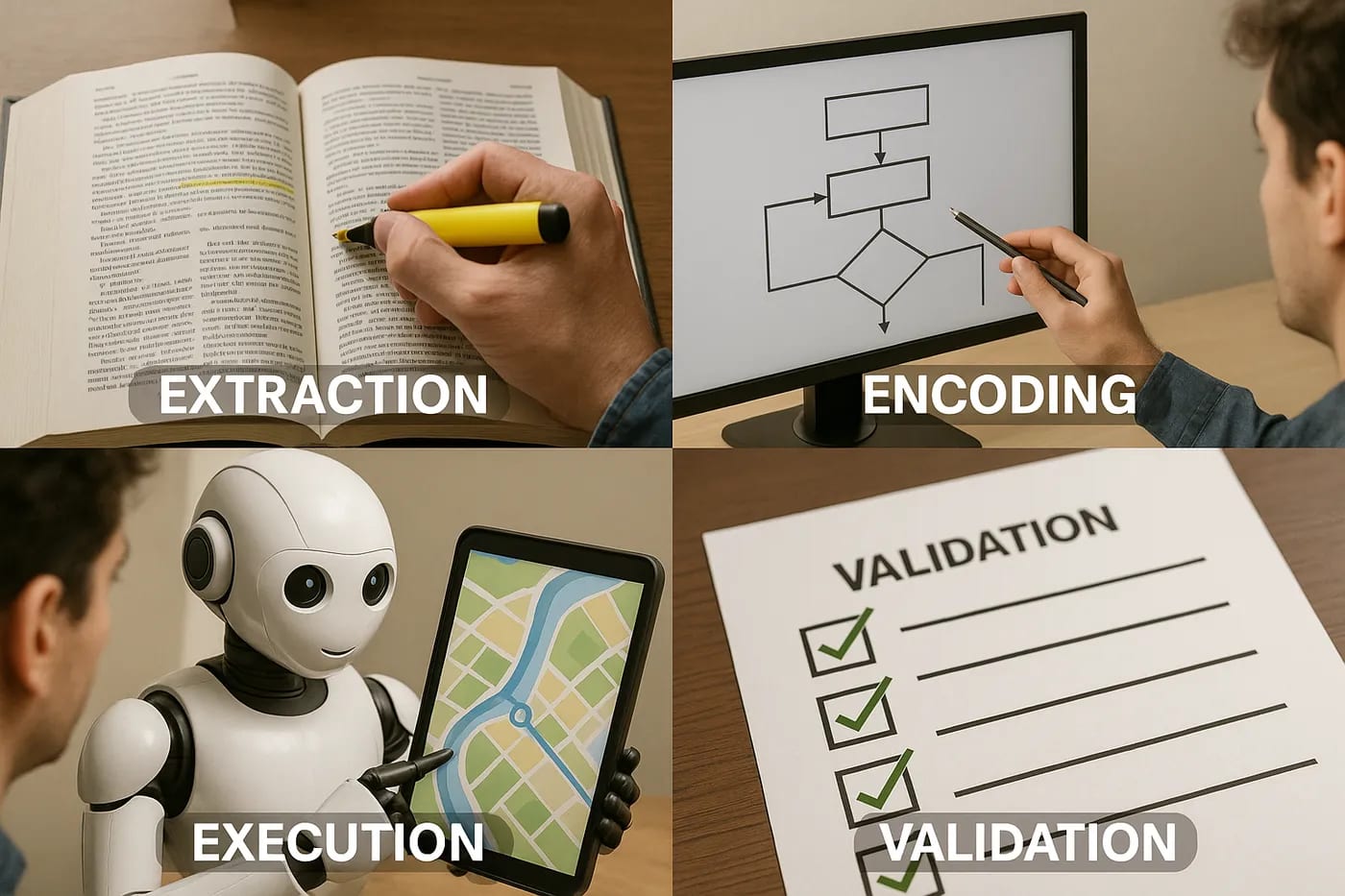
Let’s demystify what it actually means to “encode a protocol” for an AI. The KPE workflow can be thought of in four stages, which map closely to how a human mentor might train an apprentice:
1. Protocol Extraction
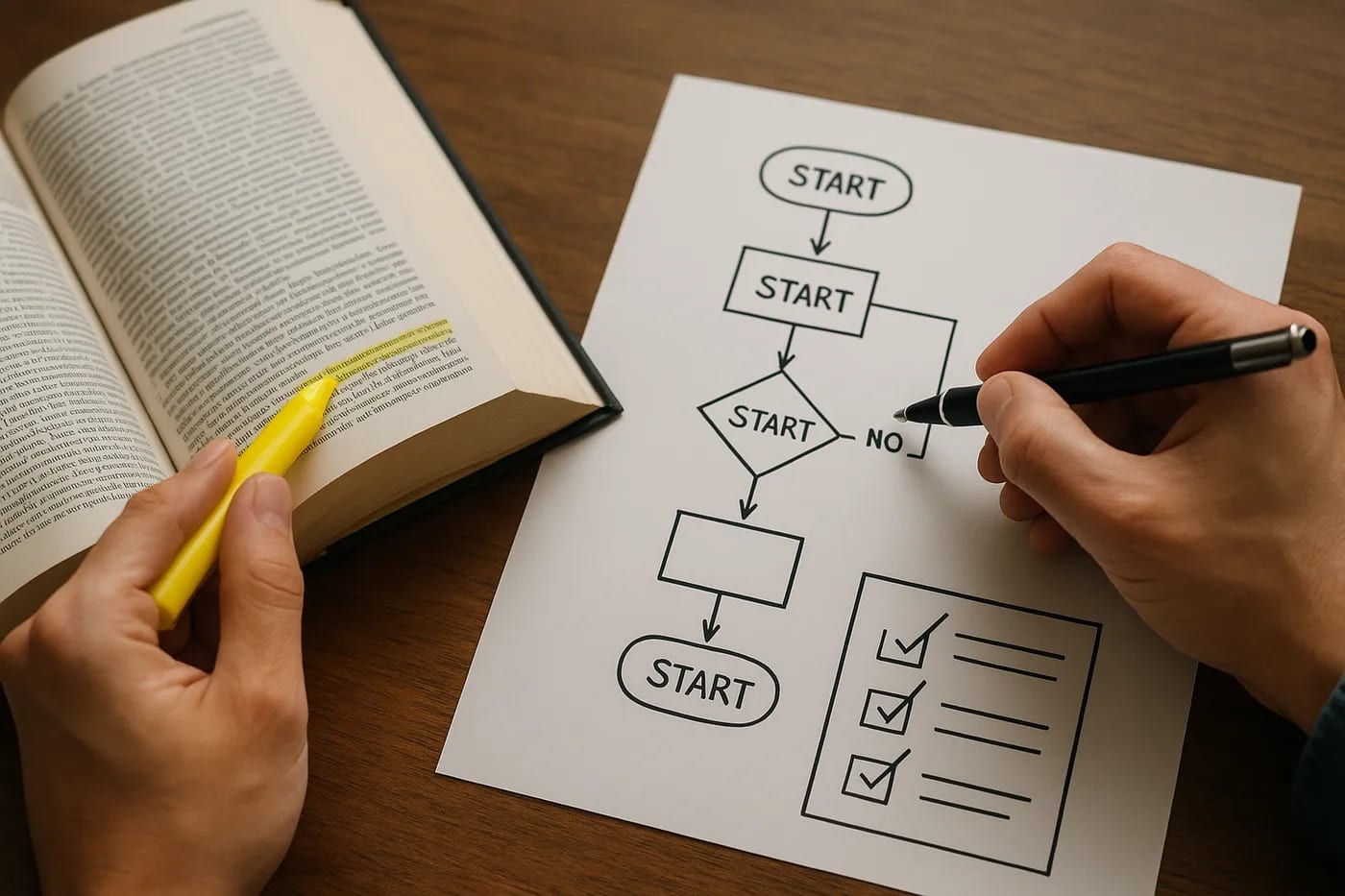
First, you identify and extract the expert knowledge from its source. This could be a textbook chapter on clinical trial design, a legal practice guide, an internal SOP document, or an ISO quality standard, - anything that spells out how to solve problems in that domain. Instead of leaving that text in prose form, you distill it into the key steps, decision points, and heuristics. Imagine condensing a 50-page manual into a flowchart or a decision tree. In practice, this might involve the expert (or a KPE specialist) reading through and highlighting “This is how we approach X, first do A, then check B” et cetera.
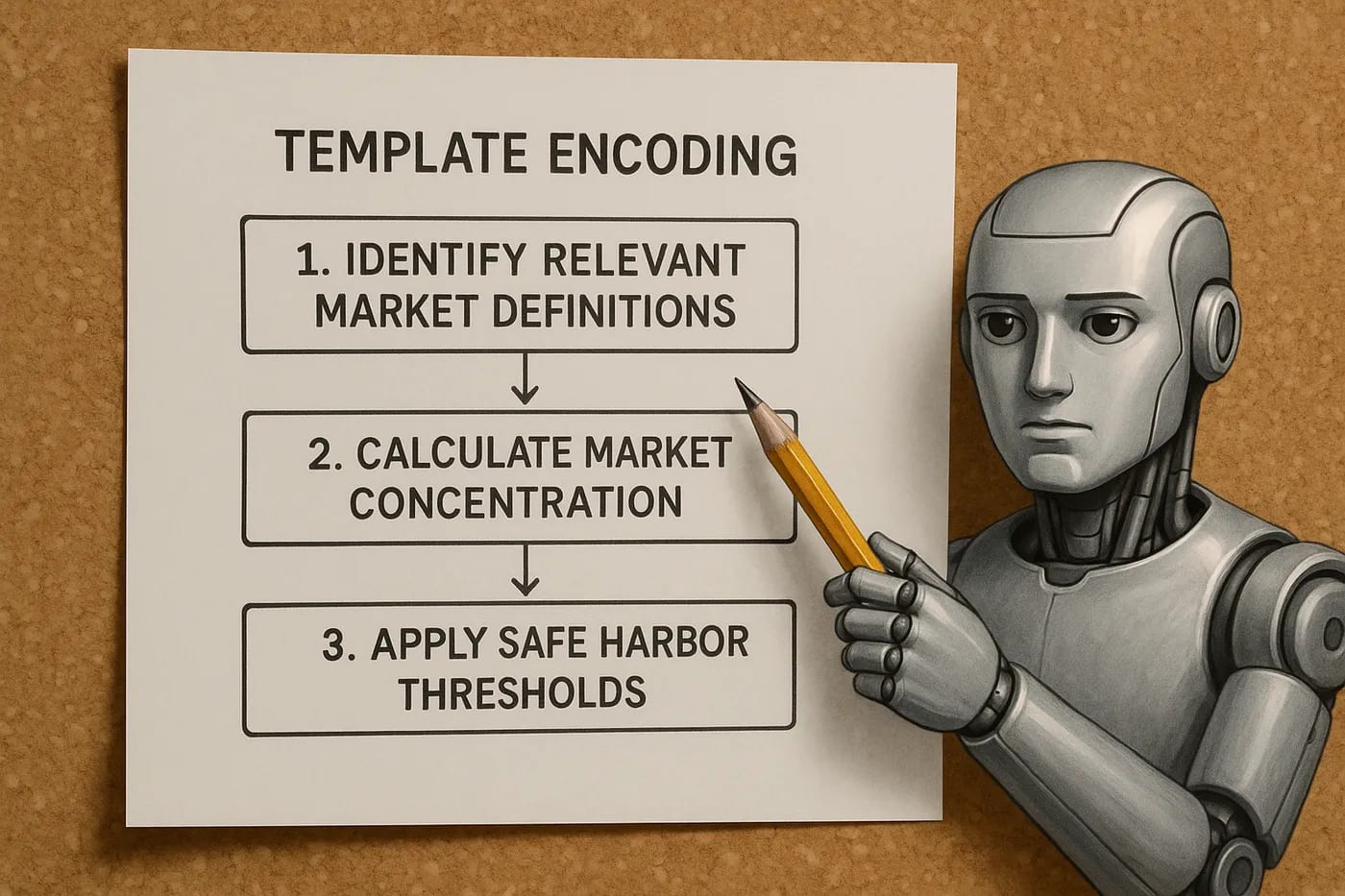
2. Template Encoding
Next, those steps and rules are turned into a structured template that the LLM can follow during its reasoning process. This often means writing guidance prompts or pseudo-code in natural language that the AI will interpret. For example, you might create a template that says: “When faced with a merger query, step 1: identify relevant market definitions; step 2: calculate market concentration (use Herfindahl index); step 3: apply safe harbor thresholds…”. Each step might be a sub-prompt or function in a larger prompt framework. The key is that the template encodes sequence and logic, - it’s not just one big question, it’s a scaffold that the AI will fill in or execute step-by-step.
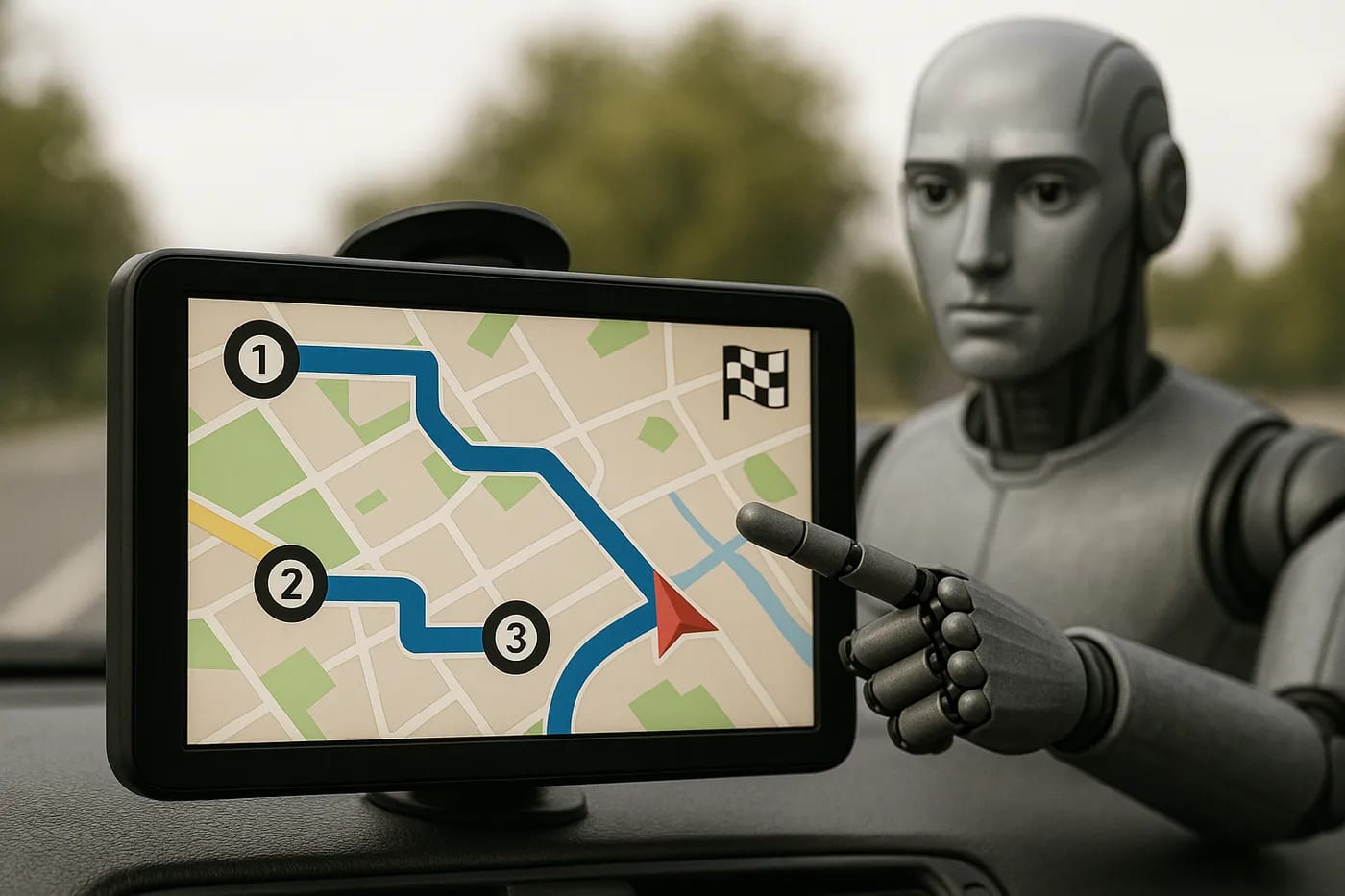
3. Guided Execution
Now, when a query comes in, the AI uses the encoded protocol as its game plan. It doesn’t freestyle or forget steps. It is guided, almost like an AI GPS following a route. For instance, given a complex legal question, the AI referencing our merger protocol will first output something like “Step 1: Define the relevant market,” perhaps ask for or retrieve needed info, then proceed to “Step 2: Calculate HHI,” and so on. Each action is informed by the protocol’s logic. The result is a more methodical, transparent chain of reasoning. The AI is effectively walking in the expert’s footprints. In one example, researchers illustrated how an LLM guided by a KP systematically went through a bioinformatics workflow, - querying one database for gene-disease links, another for drug targets, and then intersecting the results to answer a complex biomedical question, - instead of chaotically pinging APIs, it followed a clear pipeline.
4. Validation
Finally, because the protocol defines what “success” looks like at each stage, the AI’s output can be automatically or manually checked against the expected steps and outcomes. Did it follow the procedure correctly? Do the conclusions align with domain rules? In many cases, validation is built-in: if Step 3 of the protocol says “the answer must cite the regulatory clause that applies”, and the AI’s answer doesn’t, we know something went wrong. This stage is about catching any deviations or errors before they become business problems. The protocol provides a sort of checklist for quality control. In a sense, the AI’s work is auditable because it left a trail: you can trace its line of thought along the protocol and verify each part. This dramatically increases trust in the AI’s output, a welcome change from the usual LLM mystery-meat responses that leave you guessing how it derived an answer.
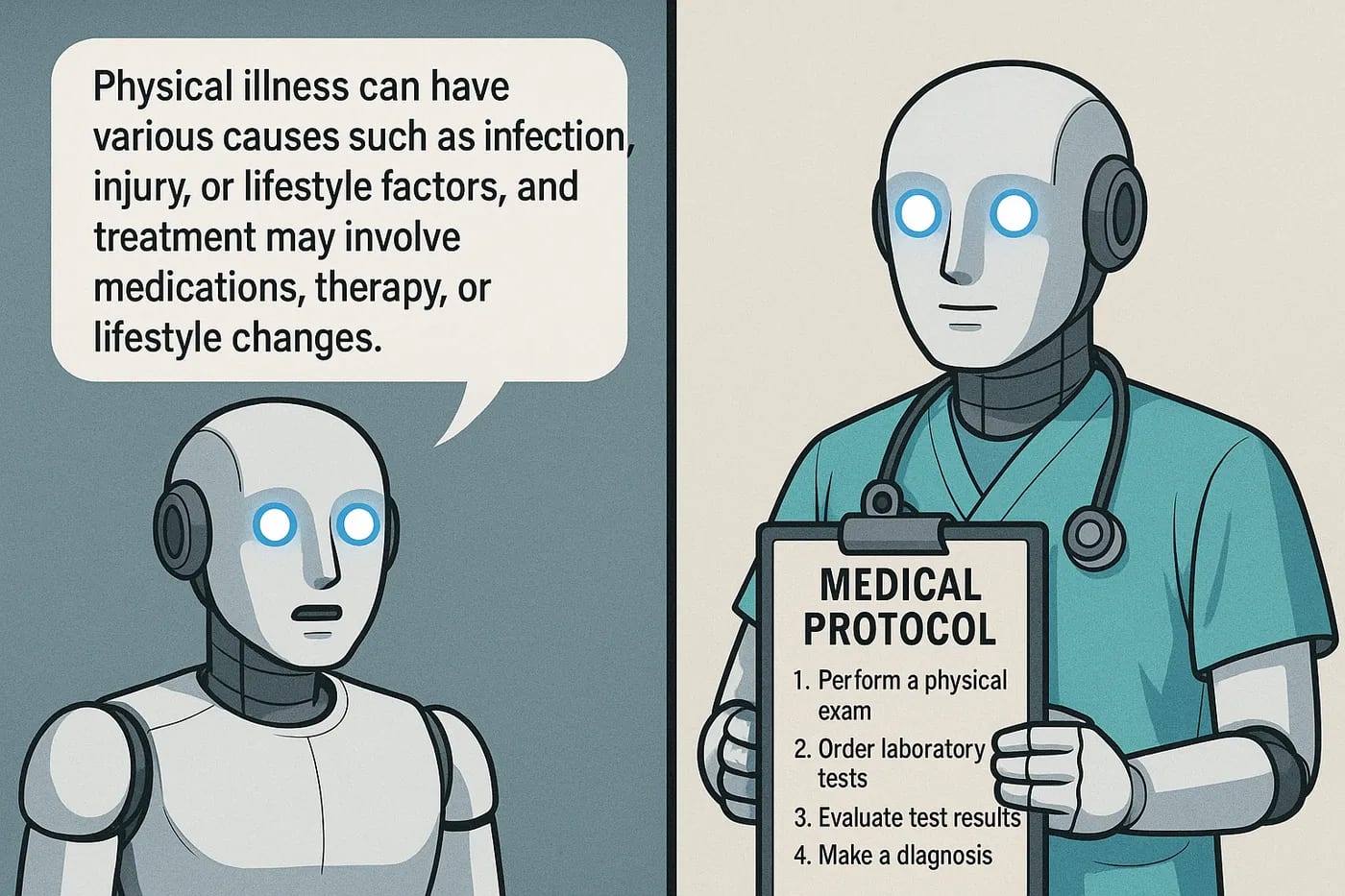
By following this workflow, KPE ensures the AI isn’t just knowledgeable, but procedurally competent. It’s akin to transforming a talented amateur into a consummate professional by enforcing discipline and sequence. And notably, this approach is domain-agnostic. Whether it’s law*,* medicine*,* finance*, or* engineering, every complex field has bodies of knowledge and standard methods that can be protocolized. Early examples highlight legal analysis. The AI was far better at forming a valid legal argument when following a legal protocol. And in bioinformatics, the AI successfully executed a multi-database research query via a predefined scientific pipeline. We can easily imagine other domains: in compliance reviews, an AI could follow a checklist derived from regulatory guidelines, systematically checking each clause for violations; in R&D project planning, an AI could use a protocol drawn from project management best-practices to ensure no stage of experimentation or validation is skipped. In accounting or auditing, an AI could apply a protocol from financial standards to catch irregularities. The beauty is that KPE scales domain expertise without having to retrain the entire model for each domain, - the protocol becomes a modular add-on of expertise.
Why KPE Changes the Game (Benefits for Business)
Adopting Knowledge Protocol Engineering isn’t just an academic exercise, - it comes with very concrete benefits for organizations looking to leverage AI in a serious way.
1. Procedural Precision
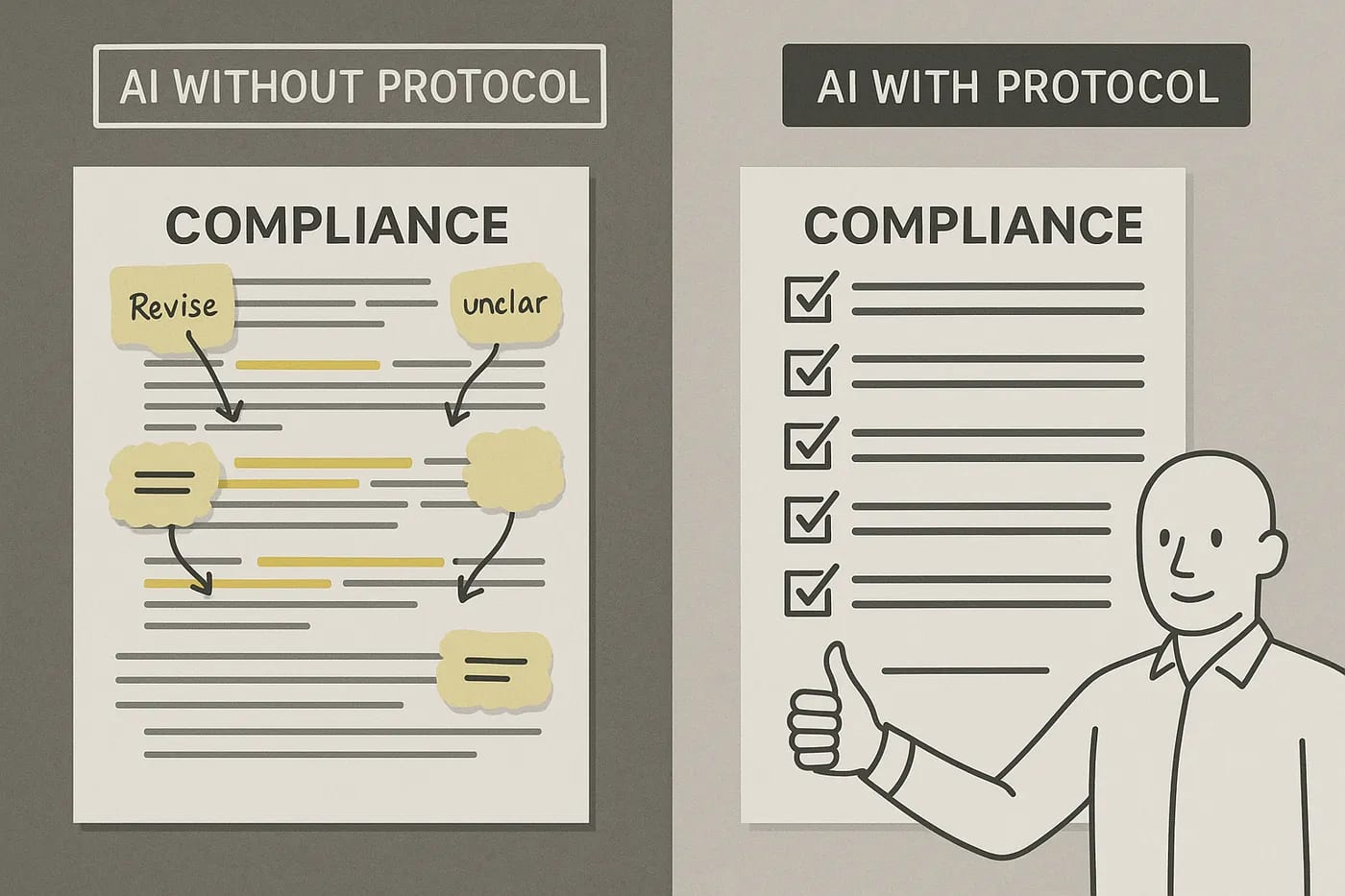
Perhaps the most immediate payoff is the dramatic increase in accuracy and consistency of AI outputs on complex tasks. Because the AI is following a vetted procedure, it’s far less likely to skip critical steps or make logical leaps. It’s the difference between an AI that “sounds kinda right” and one that actually arrives at a correct, well-supported answer. For example, a KPE-powered AI drafting a contract will methodically check each relevant clause and legal requisite in order, rather than just generating a wall of text that looks lawyerly. This procedural rigor reduces the risk of errors in high-stakes outputs. One might say it brings Six Sigma-like discipline into AI-generated work, - a welcome thought if you’re, say, validating a pharmaceutical trial design or conducting a safety compliance analysis. The KPE approach inherently builds a second layer of quality assurance into the AI’s process.

2. Domain Scaling Without Massive Re-training
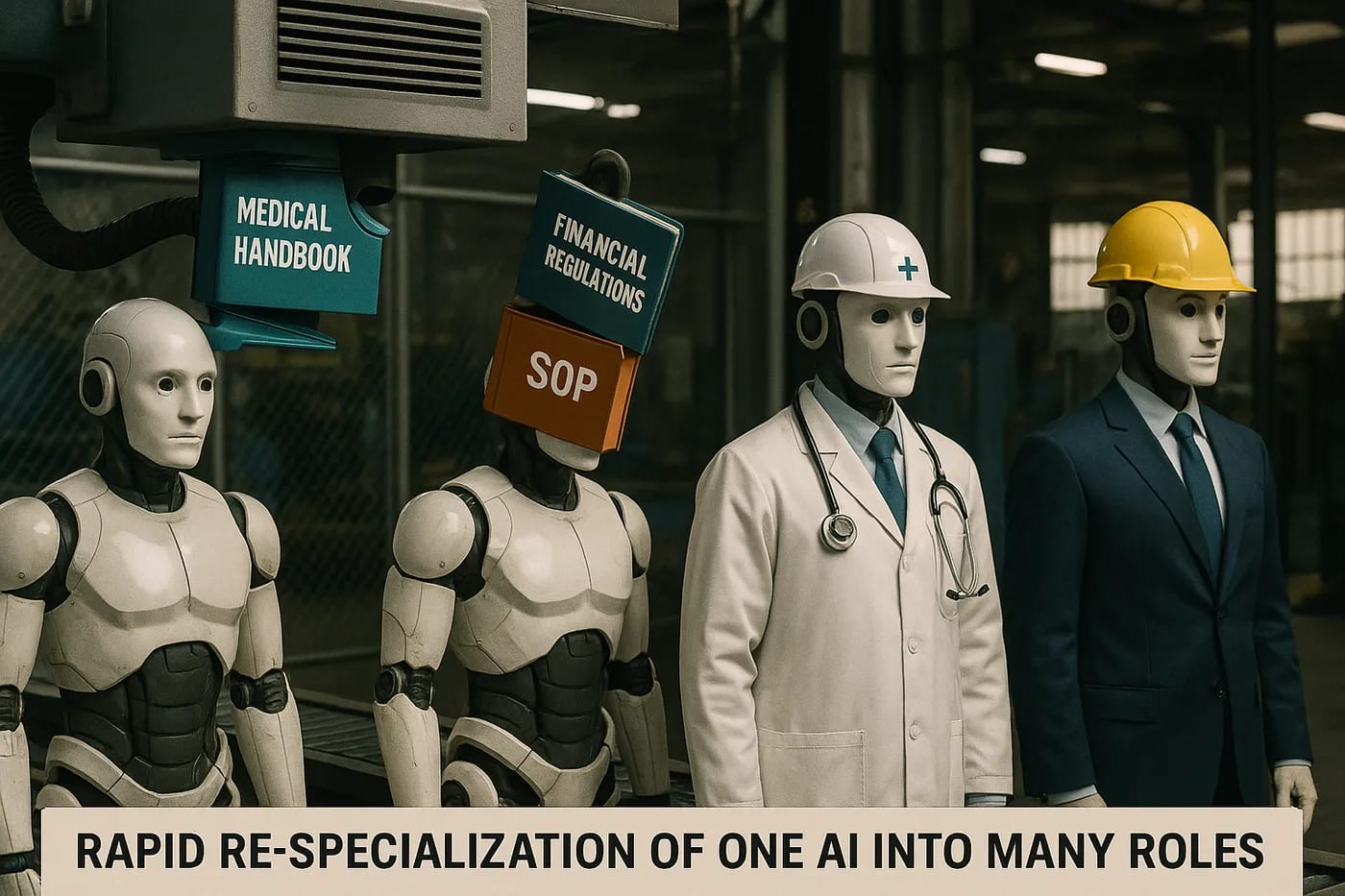
In the traditional machine learning world, tailoring an AI to a new domain often means expensive fine-tuning or training a specialist model from scratch. Think months of work and tons of data. KPE offers a shortcut: you leverage an existing general LLM and simply “plug in” a new protocol to specialize it. It’s analogous to hiring a very smart generalist and giving them an intensive on-the-job training manual for a week, instead of sending them to four years of domain-specific college. This means rapid deployment of AI solutions into niche areas. Want an AI for intellectual property law and another for supply chain logistics? As long as you have the protocols which could be extracted from your senior experts or authoritative texts, you don’t need a new model, - you just load a new playbook. This dramatically lowers the barrier to entry for AI in specialized fields. Companies can roll out pilot projects in new areas in a matter of days or weeks, not months, by encoding the domain knowledge they already possess. It’s a very lean approach to AI specialization, and it appeals greatly to tech executives who care about time-to-value. In essence, KPE treats domain expertise as a software layer that you can iterate on quickly, rather than a model property that requires re-training the whole AI. Early evidence suggests this modularity could make it much easier to maintain and update AI behavior too, - update the protocol when policies or best practices change, and the AI immediately adapts, no retraining needed.
3. Transparency and Auditability
With KPE, every decision the AI makes has a lineage back to the protocol. This is a boon for highly regulated industries or any scenario where you need to explain or defend an AI’s output. Instead of shrugging when a result appears (“the model is a black box, we hope it’s right”), you can trace: Here’s the procedure it followed, here are the references it used at each step*.* This transparency builds trust. Auditors, regulators, or skeptical clients can be shown the logical trail. In sectors like finance, healthcare, or aviation, this could be the difference between getting an AI-approved versus being stuck in pilot purgatory. Essentially, KPE gives LLMs a conscience and memory of their process, something standard AI outputs lack. This also helps catch errors. If the AI did something odd, you can pinpoint which step in the protocol might need adjustment or where the understanding faltered. It turns AI oversight into a manageable review of steps, rather than an unpredictable game of whack-a-mole with random errors.

4. Evolution of Human Roles (Prompt Engineer to Protocol Engineer)
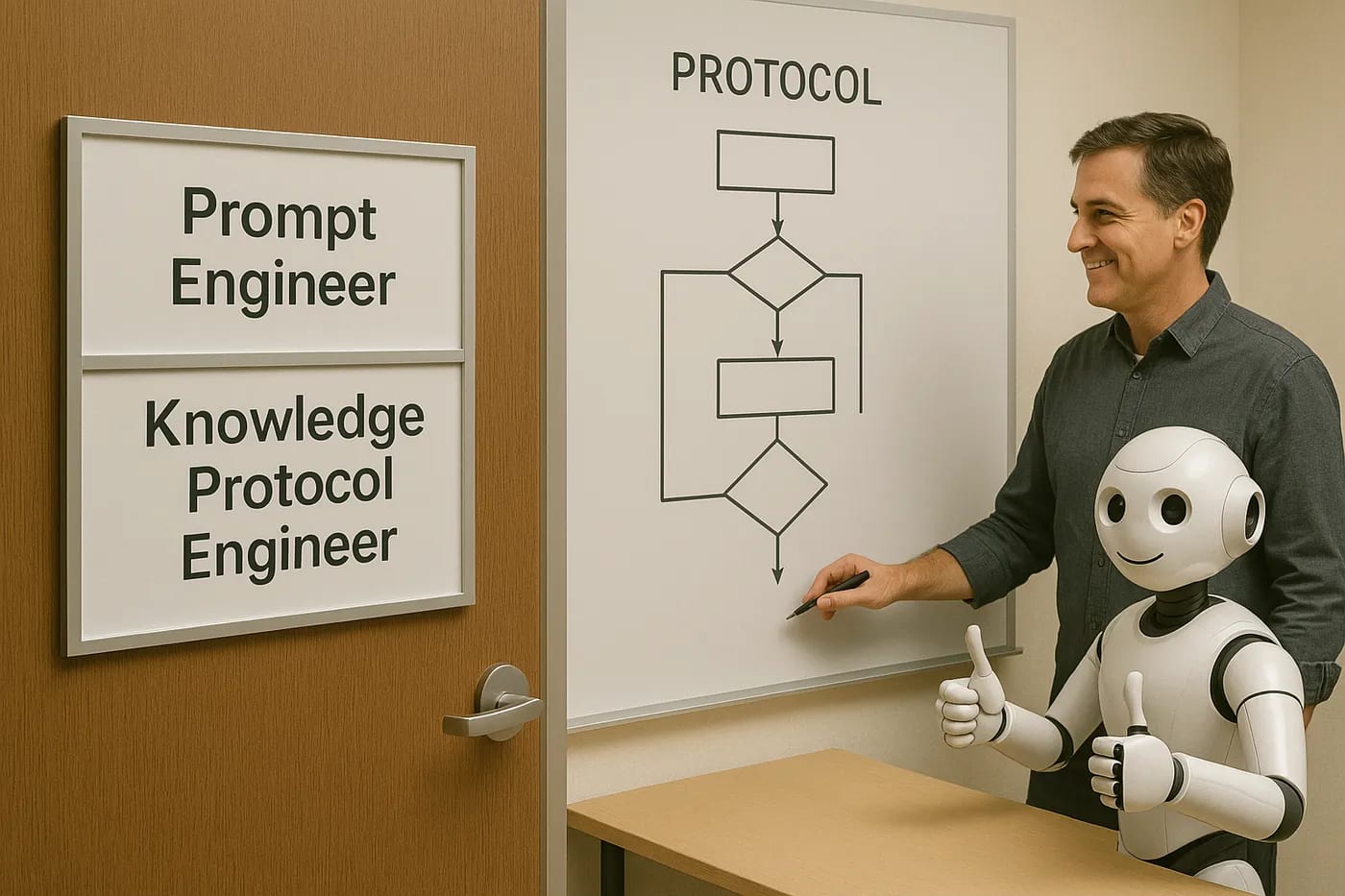
Perhaps one of the most profound shifts and one execs should anticipate is the changing skill set your team will need. We’ve spent the last couple of years talking about “prompt engineering”, - the quirky art of cajoling AI with clever phrasing. But in the KPE paradigm, the focus moves up a level. The valuable skill is now protocol engineering. Instead of crafting one-off prompts, you’re designing entire workflows and knowledge frameworks for the AI. It’s a bit like moving from writing individual Excel formulas to designing a full macro-enabled financial model. This requires deeper domain understanding and an ability to structure that knowledge logically for a machine. In fact, the KPE vision explicitly “elevates the role of the domain expert, transforming their knowledge writing and structuring into a direct form of AI programming.” The domain expert becomes a sort of software developer, and their domain documents become the source code. For organizations, this means retraining or hiring people who can bridge expertise with a systems mindset. Your best tax expert or supply chain guru might not have been coding before, but with KPE tools, they will effectively code their expertise into protocols. It’s a new kind of collaboration between AI and humans: the human designs the game plan, the AI executes the plays. Forward-thinking companies are already hinting at job titles like “AI Protocol Architect” or “Knowledge Engineer”. These are the pioneers who will package tribal knowledge into AI-ready formats. Just as IT departments evolved from a few developers hacking scripts to whole teams architecting solutions, AI deployment will evolve from a prompt-tinkering exercise to a full-fledged engineering discipline around knowledge protocols. It’s an exciting career evolution for many, - far more impactful and creative than fine-tuning prompts ad nauseam.
In practice, adopting KPE doesn’t mean abandoning all other AI techniques. Think of it as an additional layer that works synergistically with retrieval and tools. You might still use RAG to pull in fresh facts within a protocol step, and you might use agent tools as part of execution. The difference is, now these actions occur within a coherent game plan rather than an ad-hoc improvisation. It’s like moving from jazz improv to playing off a well-composed sheet of music, - there’s room for dynamic riffs, but you won’t veer off into cacophony. Researchers are exploring related ideas, such as integrating retrieval with reasoning in training. One March 30, 2025 approach dubbed Retrieval-Augmented Reasoning explicitly trains models to use external info plus domain thinking, underscoring the same core insight: knowledge alone isn’t enough. How it’s used is key (arXiv). All signs point to a new convergence in AI. Those who master injecting structure and method into AI interactions will leap ahead.
Embrace the Protocol Mindset
For technology executives, the rise of Knowledge Protocol Engineering is both a challenge and an opportunity. It challenges us to go beyond the novelty of chatting with AI and to start operationalizing AI as a true partner in our domain-specific processes. The opportunity is that we can finally leverage AI not just as a encyclopedia or a gadget, but as a trained specialist that augments our teams. So how do you begin?
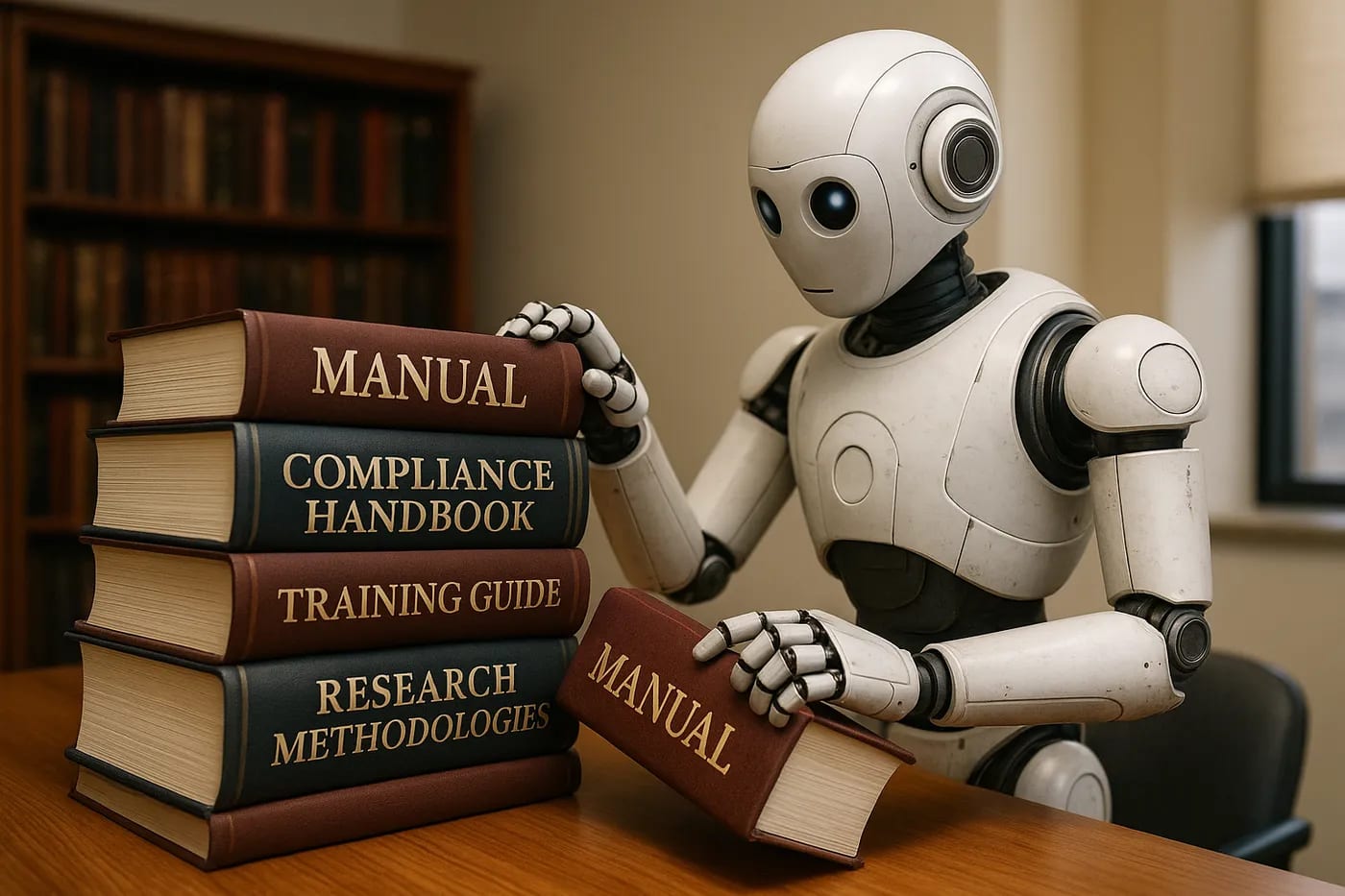
First, identify the “manuals” in your organization that drive critical workflows.
Every company has them, - the thick compliance handbook, the new-hire training guides, the proprietary research methodologies. These are gold mines for KPE. Instead of leaving them gathering dust or expecting a generic AI to miraculously absorb them from the internet, initiate projects to convert them into knowledge protocols. Start small and pick a narrow use-case where mistakes are costly and processes are well-defined. Perhaps it’s the process for reviewing a financial transaction for fraud, or the steps of onboarding a new vendor in a supply chain system. Work with your domain experts to map out the protocol and implement it with your AI platform of choice.
Second, invest in your people.
Encourage your subject matter experts to “play” with prompt-based frameworks that allow multi-step guidance. Many off-the-shelf AI tools now support some form of custom “chain” or “agent” programming. Use these as a sandbox for early KPE experiments. Simultaneously, upskill your data scientists or prompt engineers in understanding domain processes. Pair them with domain experts in cross-functional “AI protocol task forces.” The best protocols will come from this marriage of deep expertise and technical know-how.

Lastly, cultivate a culture that values methodology as much as answers.
When your team asks the AI for something, start asking back: “How did it get this answer?” If the explanation isn’t clear, that’s a hint that a protocol might be needed to enforce clarity. Reward teams that document and formalize their successful AI-driven workflows, - those are proto-protocols in the making. Set a vision that in a year’s time, your organization won’t just have AI tools, but a library of knowledge protocols that capture your unique processes. This not only supercharges your AI efforts, but also preserves institutional knowledge in a highly actionable form. It’s a win-win: AI performs better, and your organizational know-how becomes more accessible and standardized.

It’s worth remembering that every major leap in technology adoption has required a shift in mindset and roles. We went from code craftsmen to software engineers with the rise of structured programming. From sysadmins to cloud architects with the rise of the cloud.

Now, with AI’s next chapter, we’re poised to go from prompt tinkerers to protocol engineers. Those who make this shift early will lead the pack in AI-driven innovation. Instead of asking your AI just for answers, start teaching it how to arrive at answers. Hand it the manual, - your manual, and watch it transform from a clever novice into a reliable expert. The companies that do this will have AI that doesn’t just sound smart, but works smart. And in the coming years, that will spell the difference between flashy demos and real, dependable business value.

Further Readings
-
Knowledge Protocol Engineering: A New Paradigm for AI in Domain‑Specific Knowledge Work (Zhang, July 2025) Introduces the KPE concept and argues for translating expert knowledge into machine-executable protocols. Presents core principles differentiating KPE from retrieval-based and agentic approaches, with use cases in law and bioinformatics demonstrating how a well-crafted protocol lets an LLM act as a domain specialist.
-
RARE: Retrieval-Augmented Reasoning Modeling – decoupling knowledge & reasoning in LLMs (Wang et al., March 2025) Proposes a training paradigm that externalizes domain knowledge via retrieval and internalizes reasoning patterns in the model. By injecting facts during training and focusing on higher-order thinking, this approach shows how smaller models can achieve strong domain-specific performance, highlighting the importance of reasoning frameworks alongside knowledge.
-
Pre-Act: Multi-Step Planning and Reasoning Improves Acting in LLM Agents – multi-step agent planning (Rawat et al., May 2025) Demonstrates a method to enhance agentic AI systems by generating explicit multi-step plans before taking actions. The paper shows that having an LLM “think then act” in a structured way (as opposed to ad-hoc tool use) greatly improves accuracy and goal completion, underlining the value of procedural structure in AI reasoning.
-
Self-Reflective Planning with Knowledge Graphs: Enhancing LLM Reasoning Reliability for QA – hybrid KG reasoning approach (Zhu et al., May 2025) Explores a framework where an LLM uses an external knowledge graph to guide its reasoning. The AI plans a path, retrieves verified facts, and iteratively refines its approach, resulting in more consistent and correct answers. It exemplifies how adding structured knowledge and self-checking loops can reduce hallucinations and improve reliability in complex question answering.
-
Learning with Local Search MCMC Layers – DeepMind research (DeepMind, May 2025) DeepMind’s research paper integrating combinatorial optimization routines (via MCMC sampling) directly into neural network layers. While not about domain knowledge per se, it showcases an advanced method of injecting problem-solving structure into AI models. By guiding neural networks with algorithmic logic, it hints at the broader trend of blending traditional procedural techniques with learning systems to tackle complex real-world problems.
Disclaimer: The perspectives shared in this article are my own and do not represent those of my employer or any affiliated organizations. All company names, product names, logos, and brands mentioned are the property of their respective owners and are used for identification and illustrative purposes only. No endorsement, sponsorship, or affiliation is intended or implied. References to specific companies or case studies are based on publicly available information and are used solely for educational and discussion purposes.
More from machine minds
All machine minds → machine minds
From Goldfish Memory to Elephant Recall: MemOS, Meet AI
Imagine hiring a brilliant analyst who aces every task but forgets everything by the next day. Albeit, a lot of AI chatbots save the sessions, but it's limited to those specific sessions. Frustrating, right? Today’s AI systems are a bit…
 machine minds
The Kepler Trap: When AI Mimics Understanding
In the early 1600s, Johannes Kepler mapped the heavens with astonishing precision. Night after night, he charted the planets’ dance around the sun, nailing the what and when of their motion. But ask Kepler why the planets move as they do,…
 machine minds
Herding Bots: AI and Peer Pressure
At 2:45 PM on an otherwise calm trading day, a single algorithm flinches, - dumping a chunk of stock, and within milliseconds its digital peers do the same. Screens flash red as prices plummet. There's no human panic on the floor, - just a…