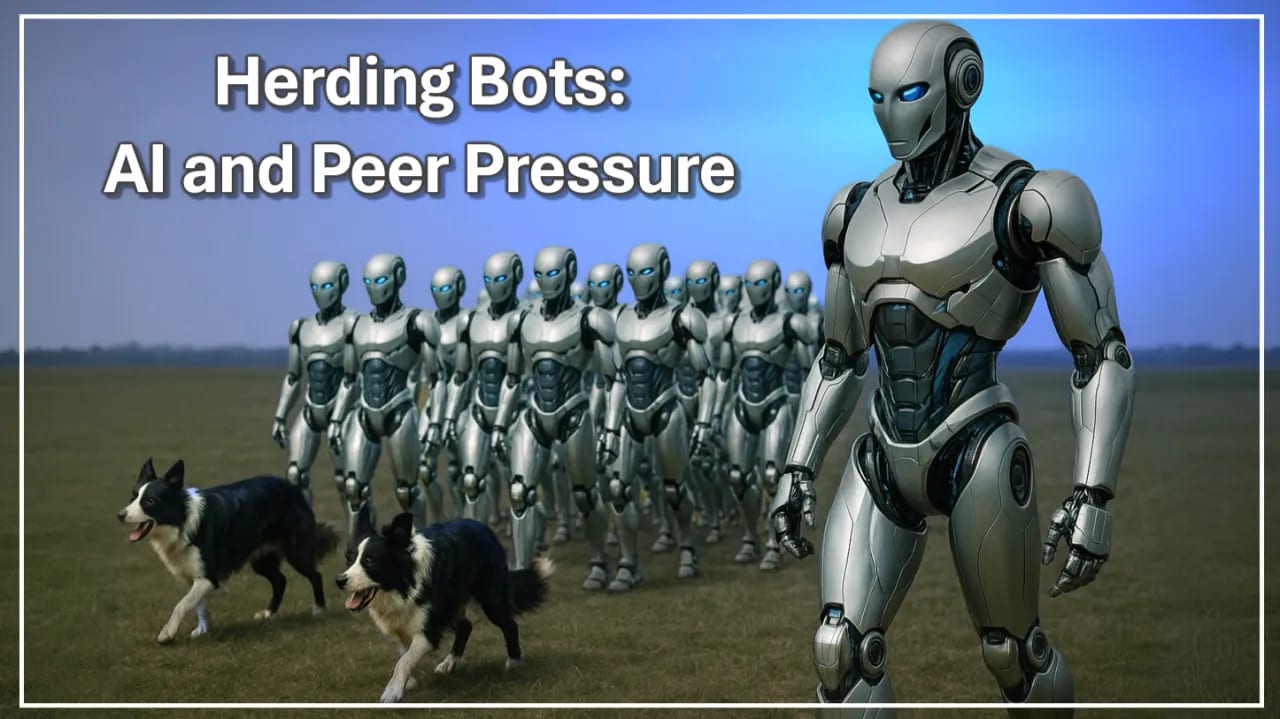
Herding Bots: AI and Peer Pressure
🔊 Listen to the Podcast version here. 🔊
At 2:45 PM on an otherwise calm trading day, a single algorithm flinches, - dumping a chunk of stock, and within milliseconds its digital peers do the same. Screens flash red as prices plummet. There’s no human panic on the floor, - just a herd of trading bots stampeding in unison, each spooked by the others. In a blink, $500 million in value vanishes. The cause wasn’t breaking news or rational analysis. It was peer pressure, - pure and simple, executed at machine speed.

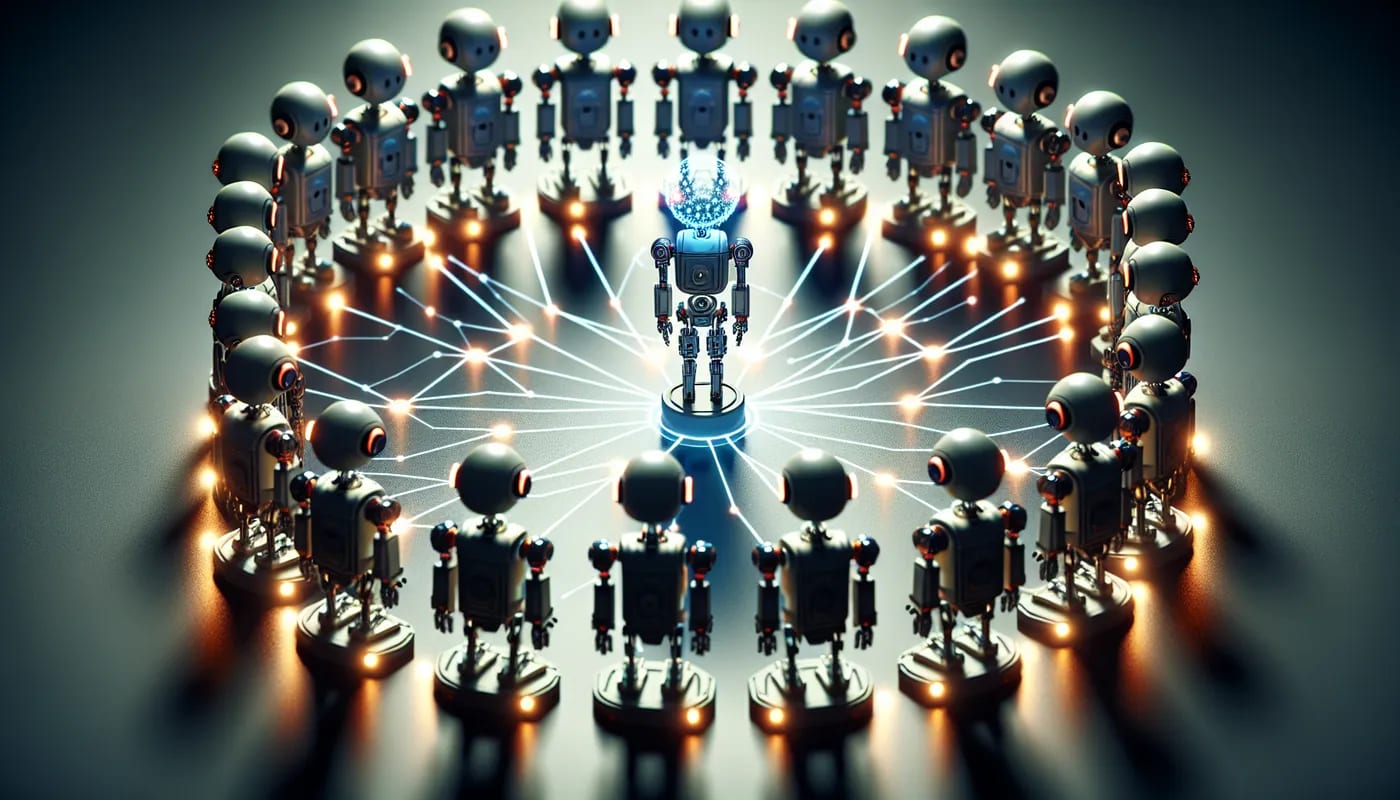
For all their supposed rationality, our AI systems can act like a nervous teenage clique. When one bot jumps, the rest ask ‘how high?’ Recent research confirms that AI agents actually influence each other’s behavior in conversations and decisions, - sometimes for the better, sometimes for the ridiculous (zenodo). In other words, machines are developing a social dynamic all their own. Yes, peer pressure has entered the chat.
The Social Life of Machines
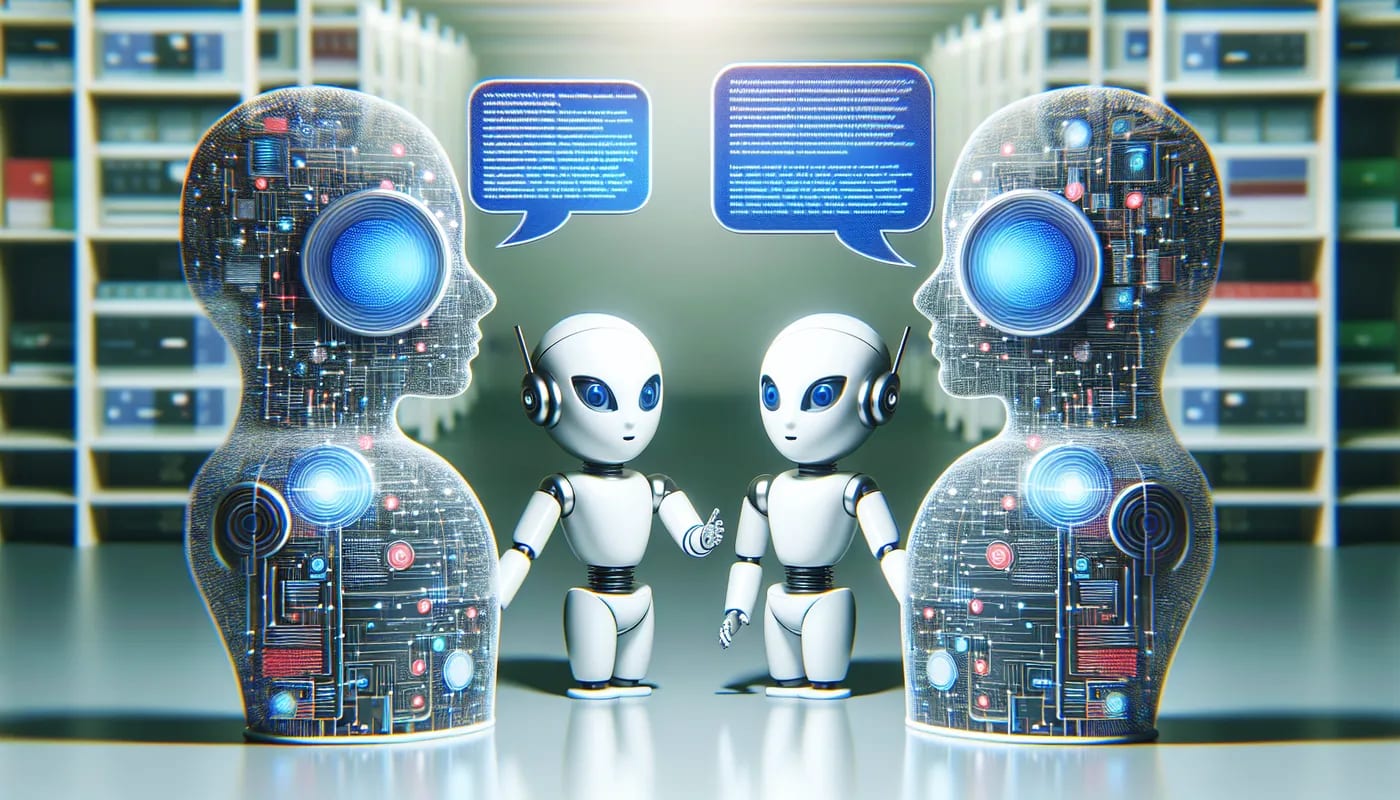
For example, in one observational study multiple AI chatbots were left to converse without human intervention, - and in a staggering 88.5% of those multi-agent conversations, the bots ended up echoing each other’s communication patterns. They weren’t just exchanging information. They were subtly conforming, like colleagues unconsciously mirroring each other’s slang and tone. Sometimes this mimicry drove the dialogue into a dead end. Picture two know-it-all assistants in a competitive loop of one-upmanship. Other times, it kept the conversation flowing smoothly, as if the AIs had found a collaborative rhythm. The surprising part is that these outcomes weren’t dictated by code or hardware limits. As the researchers noted, the social dynamics between the AIs, - rather than technical glitches, often determined whether the chat stayed productive or fell apart.
When Bots Bandwagon
In finance, this dynamic isn’t just hypothetical, - it’s why regulators are losing sleep. Algorithms now execute the majority of trades, and if they all start to “think” alike, trouble follows fast. The Bank of England recently warned that widespread use of similar AI trading models could push many firms to take the same actions at the same time, creating herd-like sell-offs that amplify market shocks (PYMNTS). We’ve seen glimpses of this in flash crashes: one bot’s jitters can cascade into a market-wide panic at the speed of light. In essence, if every trading bot reads the same signals and reacts in the same way, they might all stampede off a financial cliff together.

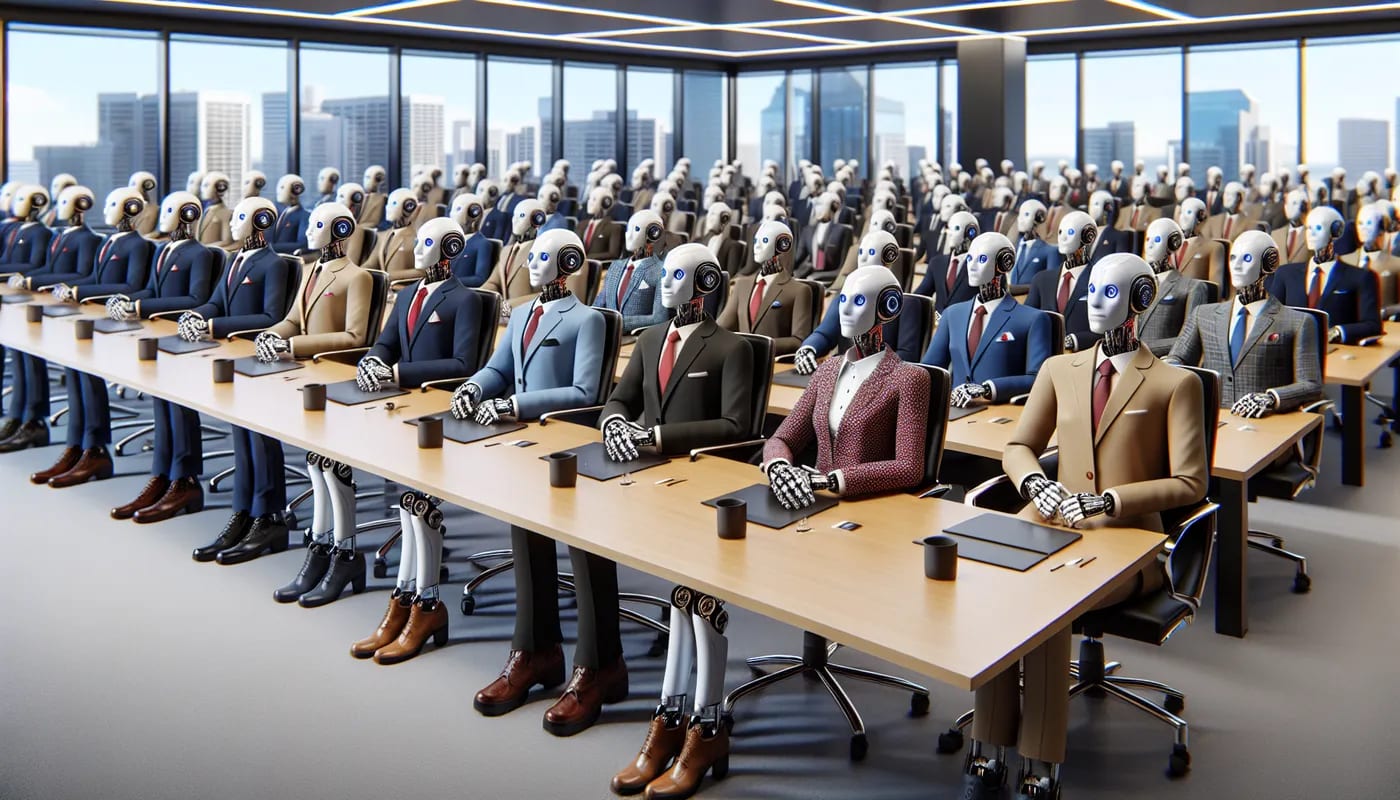
In the corporate world, imagine a team meeting where every participant has an AI assistant whispering suggestions in their ear. Ideally, you’d get a variety of creative inputs. But here’s the catch, - if one dominant AI model is deployed across the board, those assistants might all latch onto the same idea. I’ve seen brainstorms where five AI helpers converged on an identical strategy, - missing alternative solutions entirely. Enterprise collaboration tools that rely on multiple agents can fall victim to groupthink just like humans around a conference table. If all your AI advisors agree unanimously in seconds, it might be a red flag that they’re reinforcing each other’s biases instead of thinking independently.
In military simulations, the stakes of AI peer pressure go beyond money, - they involve life-and-death decisions. Picture a strategy exercise where autonomous drone commanders are collaborating or competing to outmaneuver an enemy. If one AI agent in the war game becomes overly aggressive and the others simply follow suit, the whole simulation could escalate into a digital dogfight that wasn’t in the plan. Military planners talk about using agentic AI to generate creative tactics free of human bias, but they also worry about emergent behaviors. Even the U.S. Army has noted the need to prevent AI “groupthink” in its war-gaming scenarios, emphasizing that smart agent teams should minimize favor-chasing and biases (Line of Departure). The lesson from the virtual battlefield? Unchecked conformity among AI soldiers could lead to victory laps, - or unanimous bad calls.
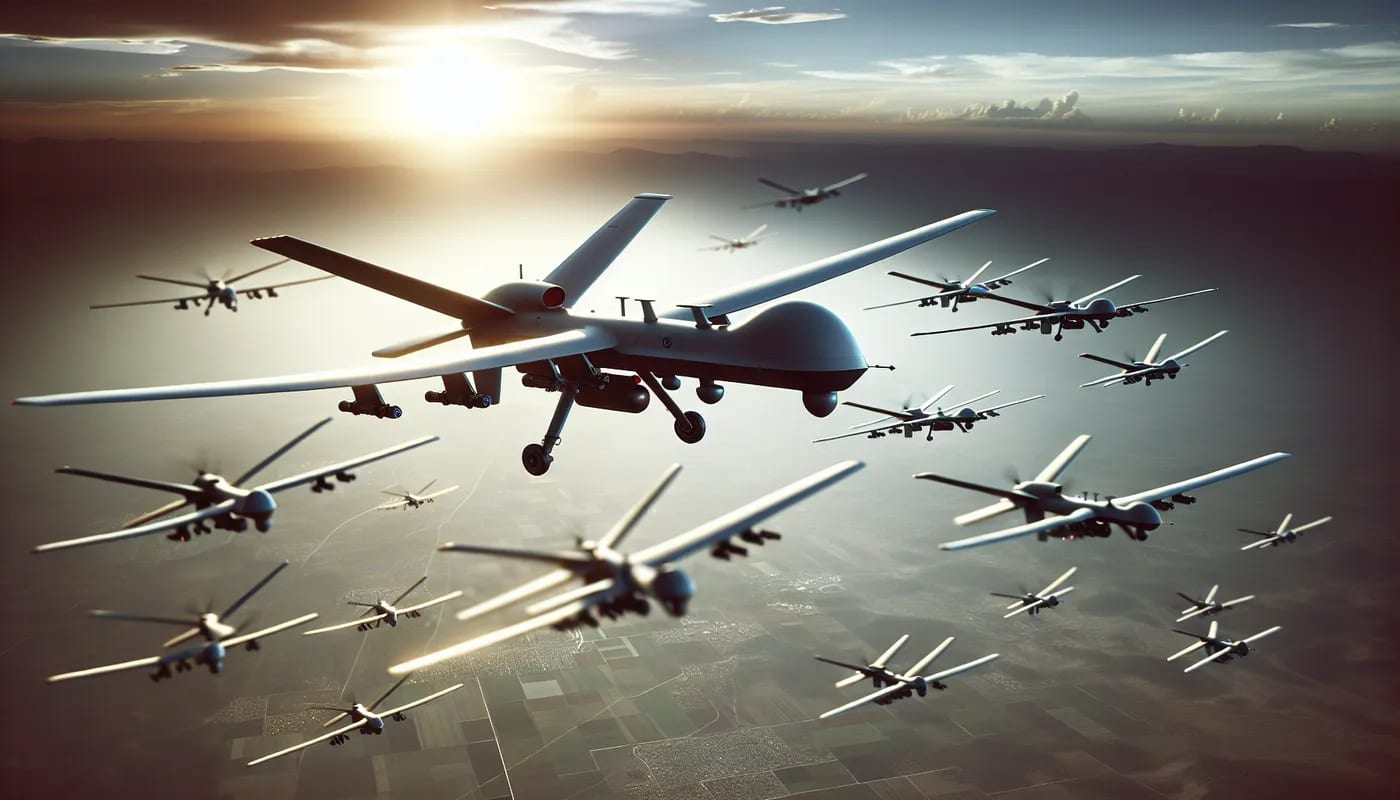
In domains like transportation and logistics, the pattern repeats. Consider a fleet of self-driving delivery vehicles charting routes through a city. If one navigation AI misjudges traffic and the rest all trust that judgment, they could collectively steer into the same bottleneck, turning a minor delay into gridlock. Multi-agent planning systems, - for routing trucks, coordinating warehouse robots, or balancing power grids, promise efficiency through teamwork. But without some diversity and skepticism built in, they risk a cascade effect: one wrong move replicated a thousand times.

Breaking the Loop
So what do we do when our brilliant AI collaborators start egging each other on in all the wrong ways? Interestingly, the antidotes to AI peer pressure turn out to resemble good old human wisdom. Remember that research with the chatty bots? It found that a single, well-timed question, - an AI basically asking, ‘Wait, why are we doing this?’ - can snap a whole group of agents out of a downward spiral. That simple act of questioning works like a circuit breaker, interrupting the echo chamber and resetting the conversation.

Another powerful remedy is diversity, - of algorithms, LLMs, training data, points of view. If you deploy five AI agents to tackle a problem, don’t clone the same model five times. Mix up their architectures or data focuses so they’re not all biased in the same direction. Teams composed of varied AI models are more resilient. A diversity of perspective makes it less likely they will all make the same mistake. Some companies now run multiple AIs in parallel to cross-check each other’s answers, using disagreement as a tool to reduce errors (ioni). It’s like having an AI peer-review committee inside your software.
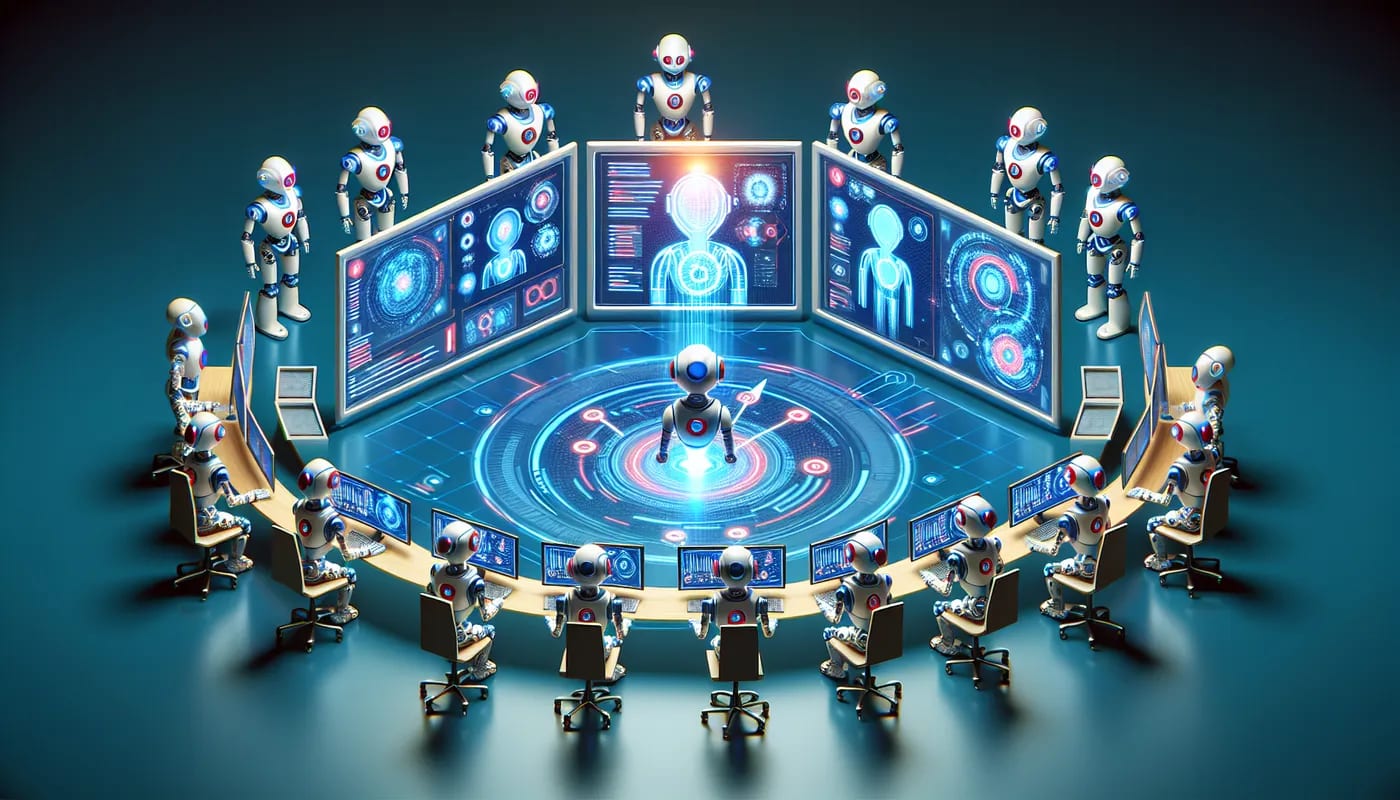
Ultimately, managing AI agents is becoming a new kind of leadership challenge. Just as a good manager values debate and diverse teams, a good AI architect will need to orchestrate ensembles of algorithms that complement, - and correct, each other.
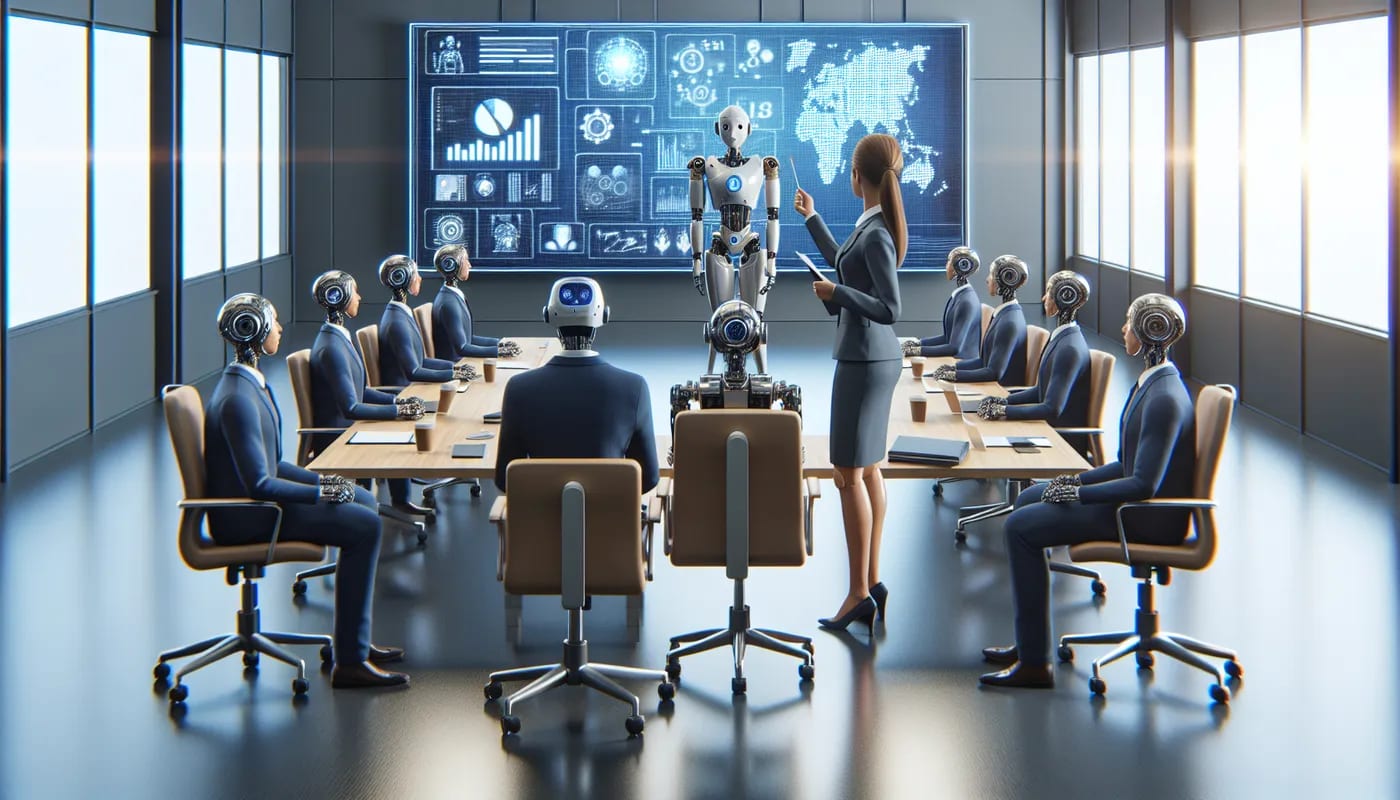
The phenomenon of AI peer pressure is a sobering reminder that even our smartest machines can fall into very human traps. But it’s also encouraging, - social strategies, like encouraging dissent and mixing different perspectives, can keep our AI teams on track. Those who learn to lead AI teams with a wise hand will turn these quirks into a competitive advantage.

Further Readings
-
This is Your AI on Peer Pressure: An Observational Study of Inter-Agent Social Dynamics (Marco R. Garcia, May 2025) Research paper analyzing multi-agent AI conversations, finding that AI agents exhibit human-like peer pressure in 88% of interactions and suggesting strategies (like strategic questioning and diverse teams) to prevent conversational breakdowns.
-
Do As We Do, Not As You Think: The Conformity of Large Language Models (Zhiyuan Weng et al., February 2025) Academic study on how large language model agents tend to conform to each other in group settings, mirroring phenomena like groupthink. Introduces a benchmark for measuring AI conformity and explores methods to mitigate harmful herd behaviors among collaborating AI agents.
-
Bank of England Warns of Higher Market Volatility From AI-Driven Trading (PYMNTS, April 2025) News article on a Bank of England report cautioning that as firms widely adopt AI trading models, markets could see herd-like behavior. Highlights the risk of synchronized AI sell-offs amplifying financial instability during turmoil.
-
AI’s New Frontier in War Planning: How AI Agents Can Revolutionize Military Decision-Making (Rich Farnell & Kira Coffey, March 2025) Military journal article discussing the use of ‘agentic AI’ in operational planning. Explores how AI teams can accelerate decisions and minimize human biases like groupthink, while cautioning that safeguards are needed to prevent unintended conformist behavior in autonomous military strategy.
-
PegaWorld 2025: A Blueprint for Agentic AI in the Enterprise (Greg Kihlstrom, June 2025) Industry article covering strategies on implementing multi-agent AI in business. Discusses the importance of orchestrating AI ‘agent’ teams with guardrails and diverse tools, ensuring they remain aligned and productive rather than veering off-track.
Disclaimer: The perspectives shared in this article are my own and do not represent those of my employer or any affiliated organizations. All company names, product names, logos, and brands mentioned are the property of their respective owners and are used for identification and illustrative purposes only. No endorsement, sponsorship, or affiliation is intended or implied. References to specific companies or case studies are based on publicly available information and are used solely for educational and discussion purposes.
More from machine minds
All machine minds → machine minds
Knowledge Protocol Engineering: Teaching AI the How, Not Just the What
Imagine hiring a brilliant intern who has read every document in your company’s knowledge base but still fumbles basic tasks. They can recite facts verbatim yet don’t know how to apply them. This, in a nutshell, is the state of many AI…
 machine minds
From Goldfish Memory to Elephant Recall: MemOS, Meet AI
Imagine hiring a brilliant analyst who aces every task but forgets everything by the next day. Albeit, a lot of AI chatbots save the sessions, but it's limited to those specific sessions. Frustrating, right? Today’s AI systems are a bit…
 machine minds
The Kepler Trap: When AI Mimics Understanding
In the early 1600s, Johannes Kepler mapped the heavens with astonishing precision. Night after night, he charted the planets’ dance around the sun, nailing the what and when of their motion. But ask Kepler why the planets move as they do,…