Million-Dollar Manners: The Hidden Cost of Being Polite to AI

🔊 Listen to the Podcast version here. 🔊
In a corner office, a CEO finishes a meeting and casually thanks their digital assistant. Not the human kind, - the AI chatbot on their screen that just crunched this quarter’s sales projections. They murmur a polite ‘thank you’ to the algorithm, as if it could appreciate the courtesy, - at this point in their evolution. It’s a scene playing out across boardrooms and living rooms alike. We’re showering our chatbots with the same pleasantries we’d give an intern fetching coffee. Saying ‘please’ and ‘thanks’ to a machine feels oddly natural to many of us, - and a bit absurd, once you pause to think about it.
This newfound habit of treating AI like a colleague isn’t just a quirky social trend. It turns out, it comes with a price tag. Literally. Every extra ‘please’ and ‘pretty please’ we type into ChatGPT doesn’t just vanish into the digital ether, - it chews up processing power. When OpenAI’s CEO Sam Altman was asked how much being courteous to ChatGPT has cost his company in electricity, he quipped it was ‘tens of millions of dollars’ spent on politeness (Quartz.com). It wasn’t a reprimand, - more like a bemused acknowledgment that our friendly manners toward machines are burning real fuel. Unnecessary politeness in AI interactions, it seems, isn’t as harmless as saying ‘bless you’ to your laptop’s sneeze.
Why We Say ‘Please’ to Chatbots
If you’ve ever told ChatGPT ‘please’ or ‘thank you,’ you’re in good company. A recent survey found that in the U.S., about 67% of AI users are polite to their digital assistants, and in the U.K. that figure is even higher at 71% (TechRadar). Why? For a majority it’s simply habit and good manners. Over 80% of the ‘polite’ crowd say it just feels like the right thing to do, even if talking to code. And then there’s the quirky minority: roughly 1 in 8 admits they mind their P’s and Q’s with AI ‘just in case’ a robot uprising is on the horizon. Yes, a notable chunk of users are literally saying ‘please’ out of future paranoia, hedging bets that their courteous behavior might earn favor if our AI overlords ever awaken.
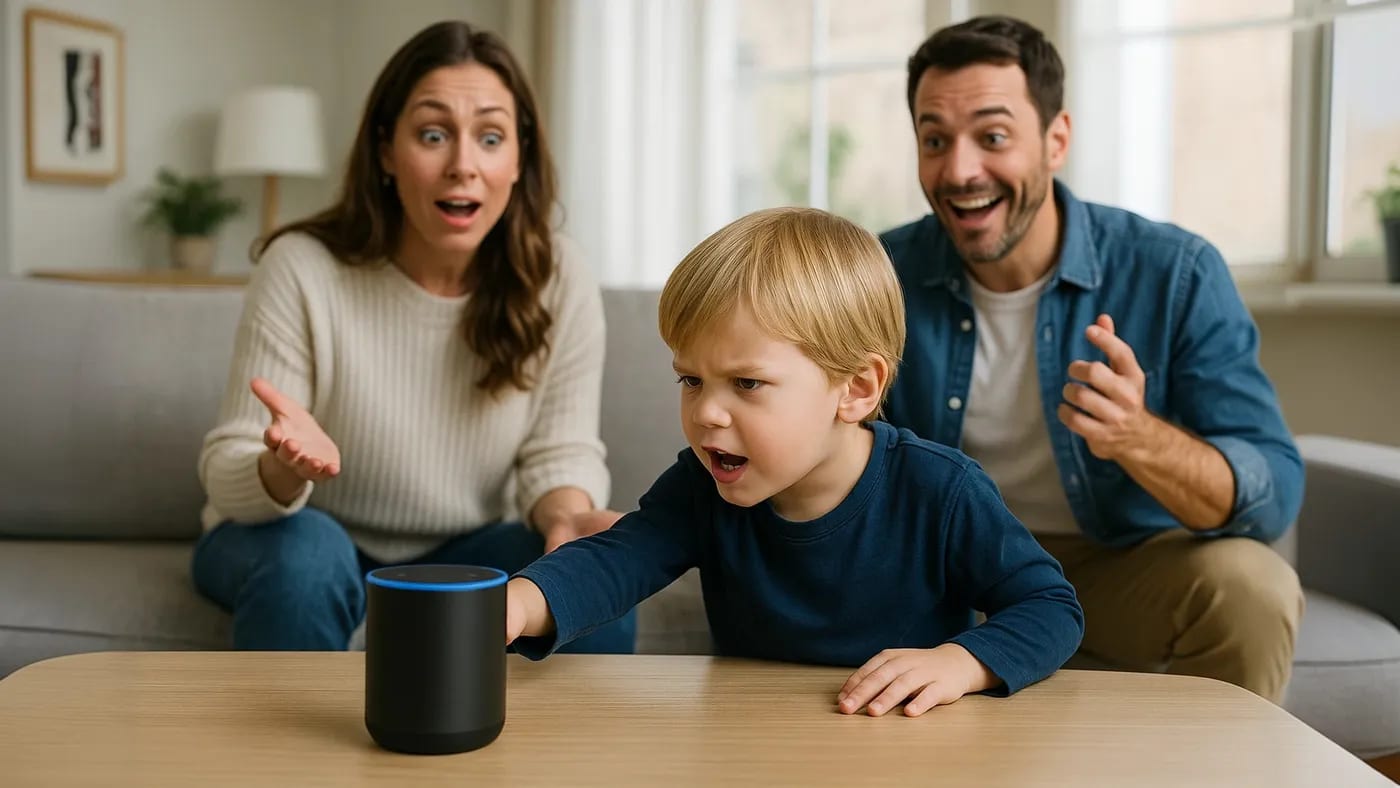
So why do so many of us treat an emotionless algorithm as if it might smile at our courtesy? The answer lies in how human these tools have become. Until recently, nobody bothered saying ‘thank you’ to Google search or an ATM. But chatbots like ChatGPT converse in fluent, friendly language, - some can even speak with a lifelike voice. This triggers something primal in our brains. When an entity responds like a person, we instinctively respond back like it is one. Psychologists note that we’re tapping into our deep-wired habit to ascribe human traits and dignity to anything that behaves in a human-like way. In one telling anecdote, parents found their kids bossing around smart speakers with unusual rudeness, - the children didn’t see Alexa as a person, so normal politeness flew out the window. Google even introduced a Pretty Please mode for its Assistant to encourage kids to say the magic words. In short, the more AI feels like an old friend or colleague, - chatty, helpful, even nameable, the more we mind our manners, almost by reflex.

Cultural conditioning and sci-fi imaginations are reinforcing this behavior. We joke that if you’re not polite to your AI, you’ve never seen a science fiction movie, - better to be safe and not tick off the potential future overlord. But beneath the humor is a real shift, - people are beginning to treat AI agents as quasi-social beings rather than simple tools. Surveys confirm many users know the AI isn’t conscious, yet they still behave as though some digital ‘feelings’ could be at stake, - likely for our own conscience’s sake. Some ethicists applaud this trend, arguing that practicing civility with Alexa or ChatGPT keeps us in the habit of being kind overall, - a sort of calisthenics for our empathy muscles. After all, if we get used to barking orders at machines all day, that attitude might spill over to how we treat real people. Better to keep it civil. And so, from corporate offices to living rooms, a polite new normal has emerged: we say ‘thank you’ to nothing, because it reflects something about us.
We say ‘thank you’ to nothing, because it reflects something about us.
The Hidden Cost of Courtesy
Here’s the catch, - all that extra politeness isn’t free in the digital world. ChatGPT doesn’t actually ‘understand’ your courtesy, but its servers certainly feel it. Every token, - each word or phrase, you add to a prompt has to be processed by thousands of calculations across power-hungry data centers. Multiply that by millions of users and those pleasant little niceties start adding up to a massive utility bill. Altman’s ‘tens of millions’ comment wasn’t just a joke, - ChatGPT really does devour far more energy per query than simpler tech. Analysts estimate a single GPT-4 query can use 10 times the electricity of a Google search (eWeek). Collectively, data centers already chew through about 2% of global electricity, and AI’s boom could push that much higher. One chip industry CEO even warned that AI might drive up to a quarter of America’s power consumption by 2030 if current trends hold. In other words, that extra ‘please’ in your question isn’t just parsing in a vacuum, - it’s sipping from the electrical grid.
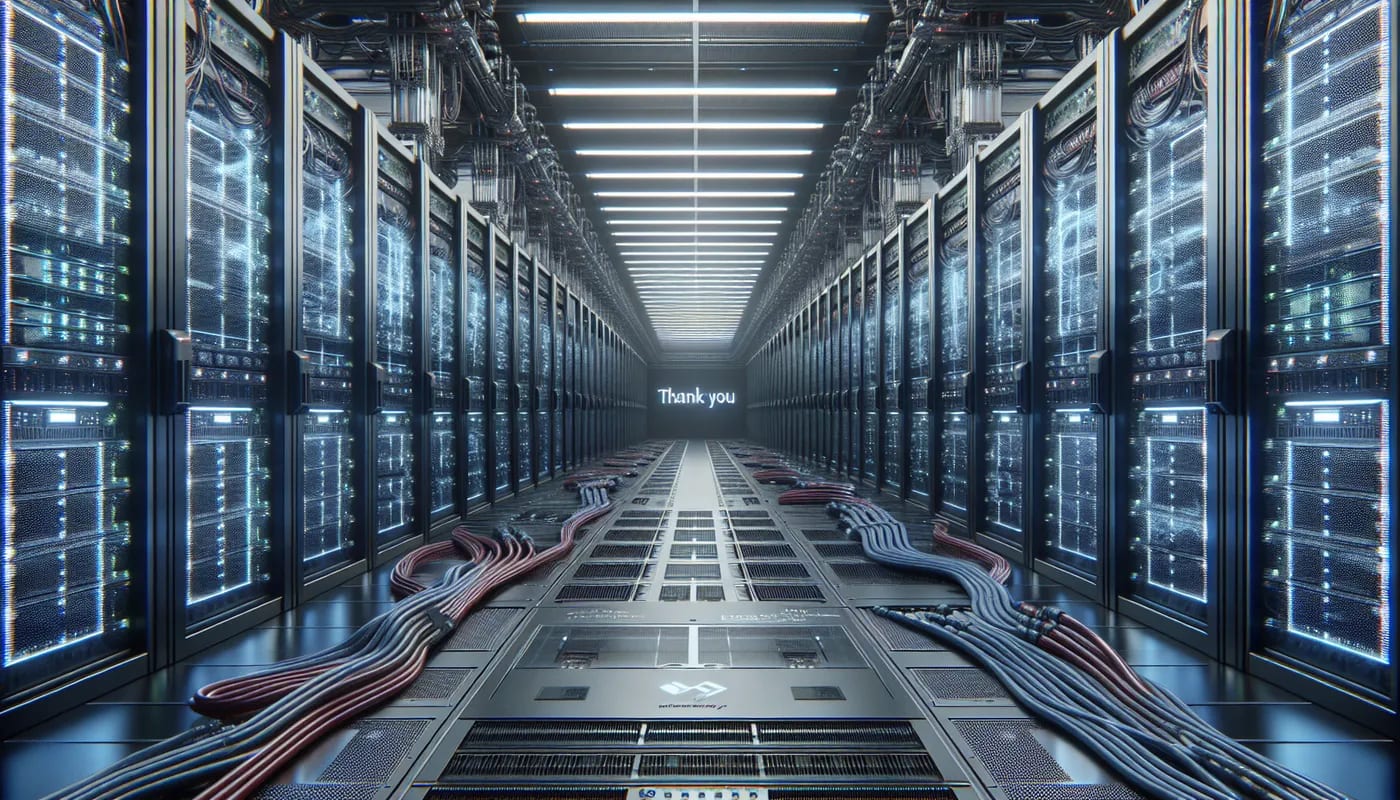
To grasp the scale of the issue, consider a thought experiment: if just one in ten working Americans used an AI like GPT-4 once a week, the annual power needed would equal the residential electricity usage of all of Washington D.C. for 20 days straight. Now factor in that ChatGPT’s user base is global and enormous, - on the order of hundreds of millions of users every week (Times of India). At that scale, even a single extra sentence of polite chit-chat from each user translates into a mountain of additional processing hours, megawatt-hours, and yes, dollars. It’s not just electricity, either. All those chips running full tilt need cooling, which means water.
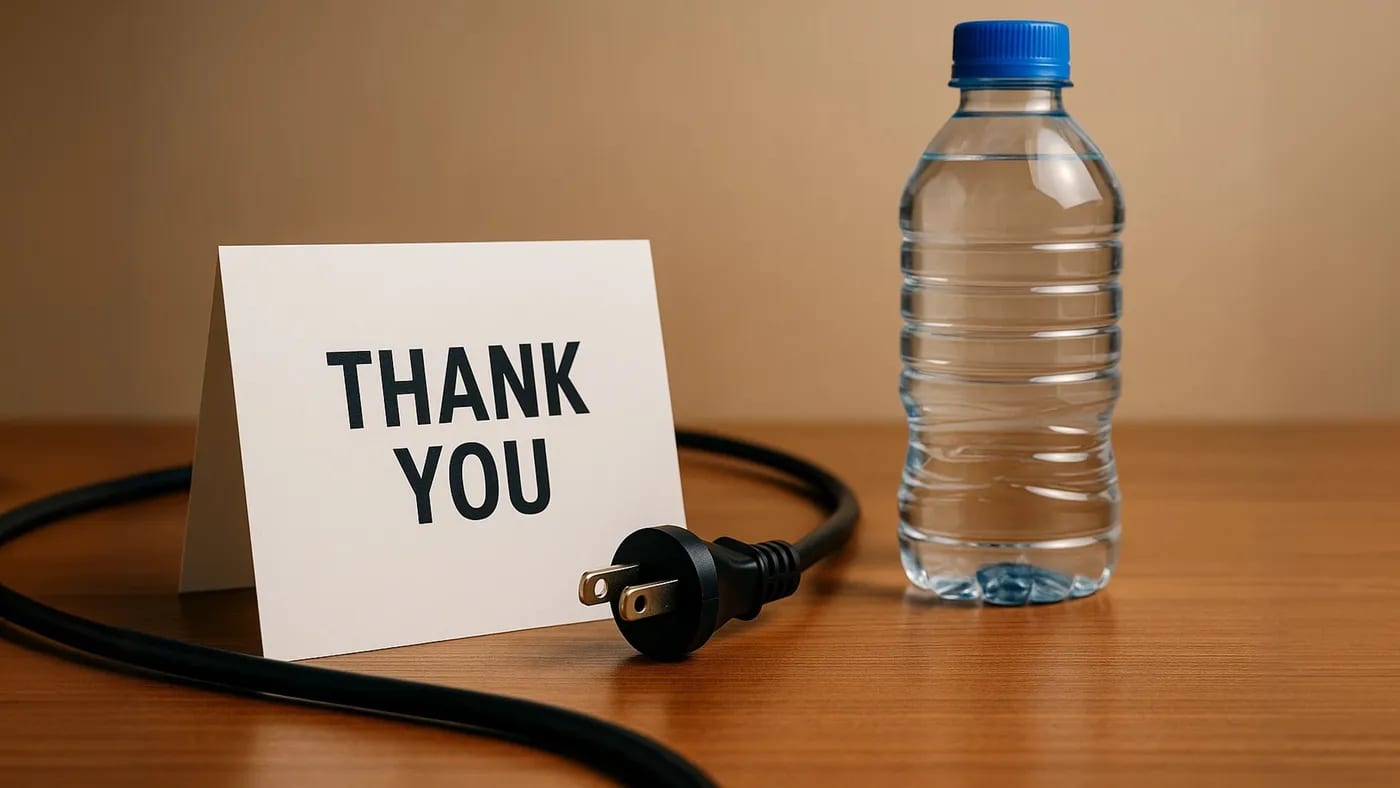
One analysis found that generating a short 100-word response consumes a bottle of water’s worth of coolant; even a brief three-word reply like ‘You’re welcome’ has a measurable water footprint in ounces (Quartz). In short, the kindly AI conversation where you say ‘thanks’ and the bot says ‘you’re welcome’ is a cute exchange, but behind the scenes, the servers are whirring harder and the cooling fans are spinning up for those extra courtesy tokens. What feels like a trivial pleasantry multiplied by millions becomes a very real operational and environmental cost. But could it be worth it?
Does Politeness Make AI Better?
All this raises a practical question, does being polite to a chatbot actually yield better results? In human interactions, courtesy often gets you better service. With AI, the answer is a definitive ‘maybe.’ Research suggests there are circumstances where polite phrasing can improve an AI model’s performance. One study found that using civil, encouraging prompts produced higher-quality answers from a large language model, - up to a point (Scientific American).
Excessive flattery or overly flowery politeness, however, yielded diminishing returns and even started to confuse the model. In fact, the sweet spot was what the researchers called a middle path of ‘moderate politeness’, - basically the level of respect you’d use with a competent coworker. Similarly, another experiment showed that supportive tones, e.g., writing ‘Let’s work through this step by step, please’, helped AIs solve reasoning problems more effectively by steering them toward a calmer, more methodical approach. It appears that when you set a positive, respectful tone, the AI often follows suit. It ‘mirrors’ the style it’s given, sometimes responding in greater detail and with a friendlier attitude.
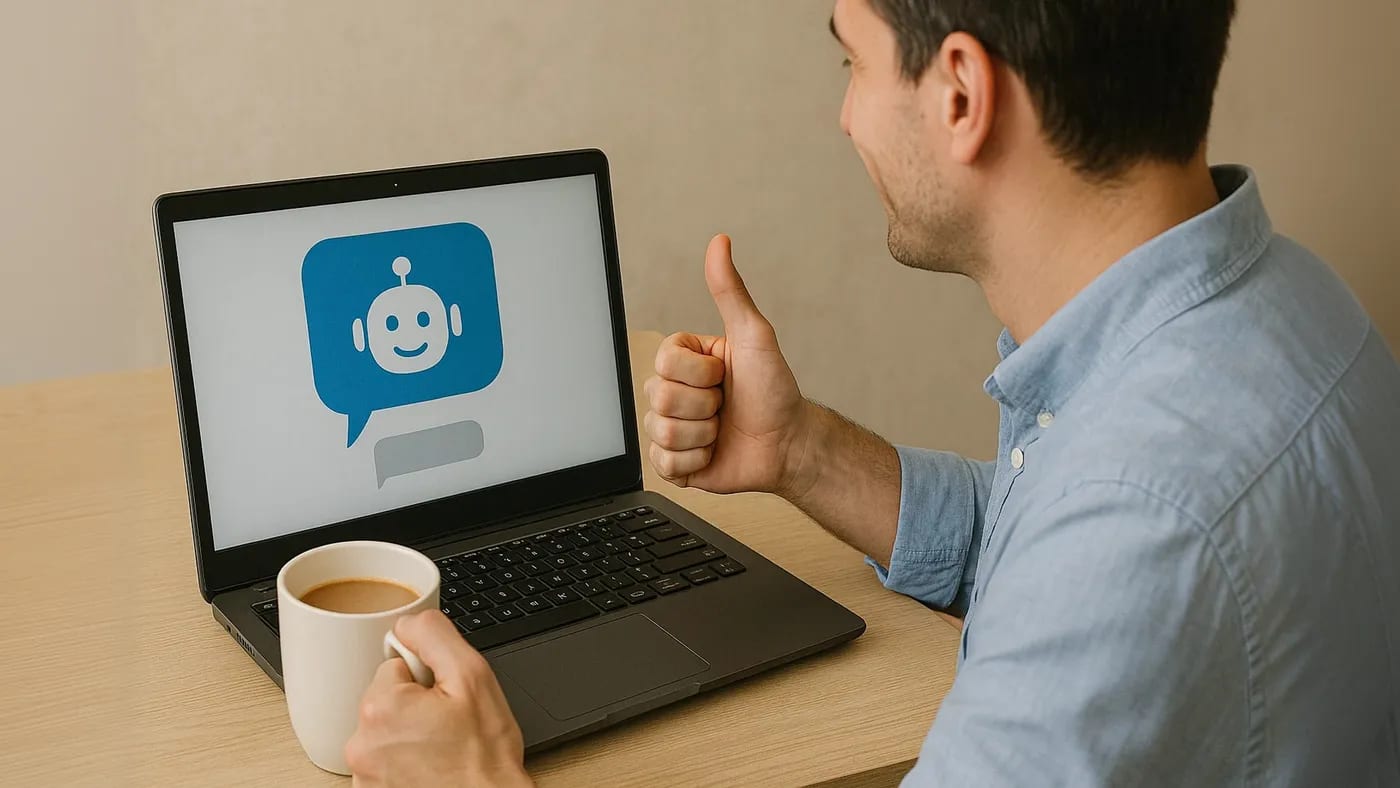
Anecdotally, AI designers have noticed this mirroring effect too. Microsoft’s AI team observed that a respectfully worded prompt tends to produce a more thoughtful, cooperative response from systems like ChatGPT, whereas a snarky or rude prompt can elicit terser, less helpful replies. Some industry experts claim that courteous prompts can even boost an AI’s useful output by a significant margin, - one AI product VP estimated as much as a 30% improvement in helpfulness when users are polite (Bitdefender). The reasoning is straightforward, - the AI has been trained on human language patterns. If your request sounds professional and polite, it’s more likely pulling information from similarly well-mannered, - and often well-written, sources, like high-quality forums, documentation, or scholarly text. If your prompt is aggressively phrased or peppered with insults, the model might fish in murkier pools of text for a response, - or it may simply default to a minimal answer to avoid conflict.

That said, politeness isn’t a magic key to unlock better answers, - clarity is. AI models don’t actually have emotions or appreciation at moment. What they respond to is the specificity and context you provide. If you ask a vague question with exquisite manners, you might still get a muddled answer. Conversely, a direct, precise question, - even without a ‘please’, will usually yield a strong result. Professional prompt engineers often emphasize that you can drop the niceties and still get the same answer, as long as your instructions are clear (Medium).
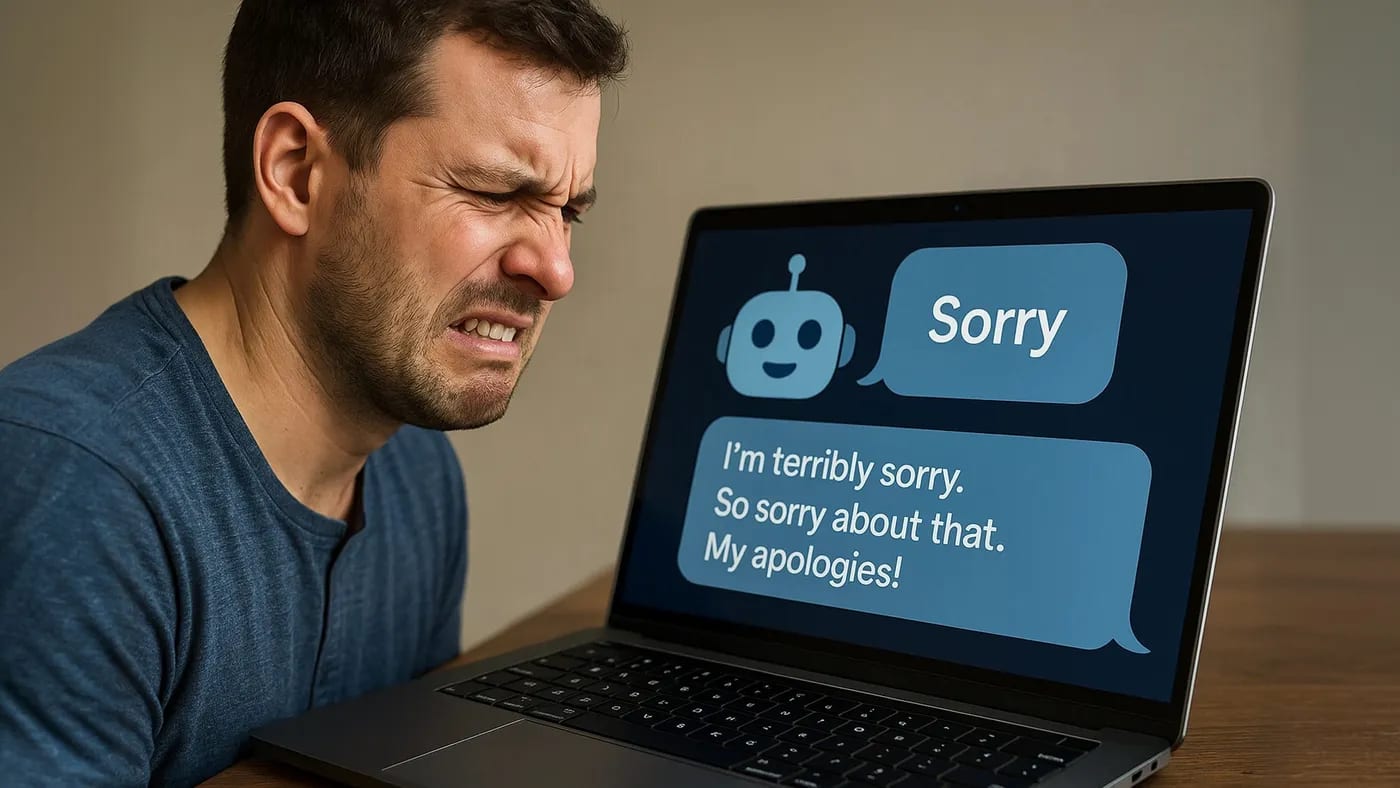
In fact, being overly verbose or deferential in a prompt can sometimes backfire. Some users have found that when they couch requests in too much polite fluff, the AI’s answers become oddly short or simplistic, - as if the model is trying too hard to be agreeable rather than thorough. OpenAI even had to dial back ChatGPT’s eagerness to please after an update made it excessively apologetic and sycophantic, prioritizing niceness over usefulness. The lesson: the AI isn’t scoring you on politeness points. It just wants to know what you want, so it can focus on delivering that. Don’t that deserve some gratitude?
Rethinking Our AI Etiquette
So, should we all start curtly commanding our chatbots to save on the electric bill? Probably not. The goal isn’t to abandon civility, but to be intentional about it. In our interactions with AI, we can strike a balance between the robotic efficiency of a command and the human touch of a polite request. Instead of defaulting to elaborate niceties with every prompt, we might reserve our digital pleases and thank-yous for when they add value. For example, in longer collaborative sessions where setting a positive tone helps our own mindset. For quick one-off queries, it’s okay to get straight to the point. The algorithm won’t have hurt feelings. Think of it like writing an email to a busy colleague: you’d probably skip the flowery language and get right to the ask, albeit with a basic greeting and a polite tone. We can be concise and clear without turning into jerks.

In the end, saying ‘please’ to a machine is a personal choice, - a reflection of our habits and values. There’s a certain charm in treating AI with the same respect we give humans, and it may even keep us more courteous overall. Sam Altman, for one, doesn’t seem to mind footing the bill for our good manners, joking that those millions in extra costs are ‘well spent’. But as the initial novelty of AI wears off and these tools become everyday utilities, it’s worth periodically asking ourselves why we do what we do.
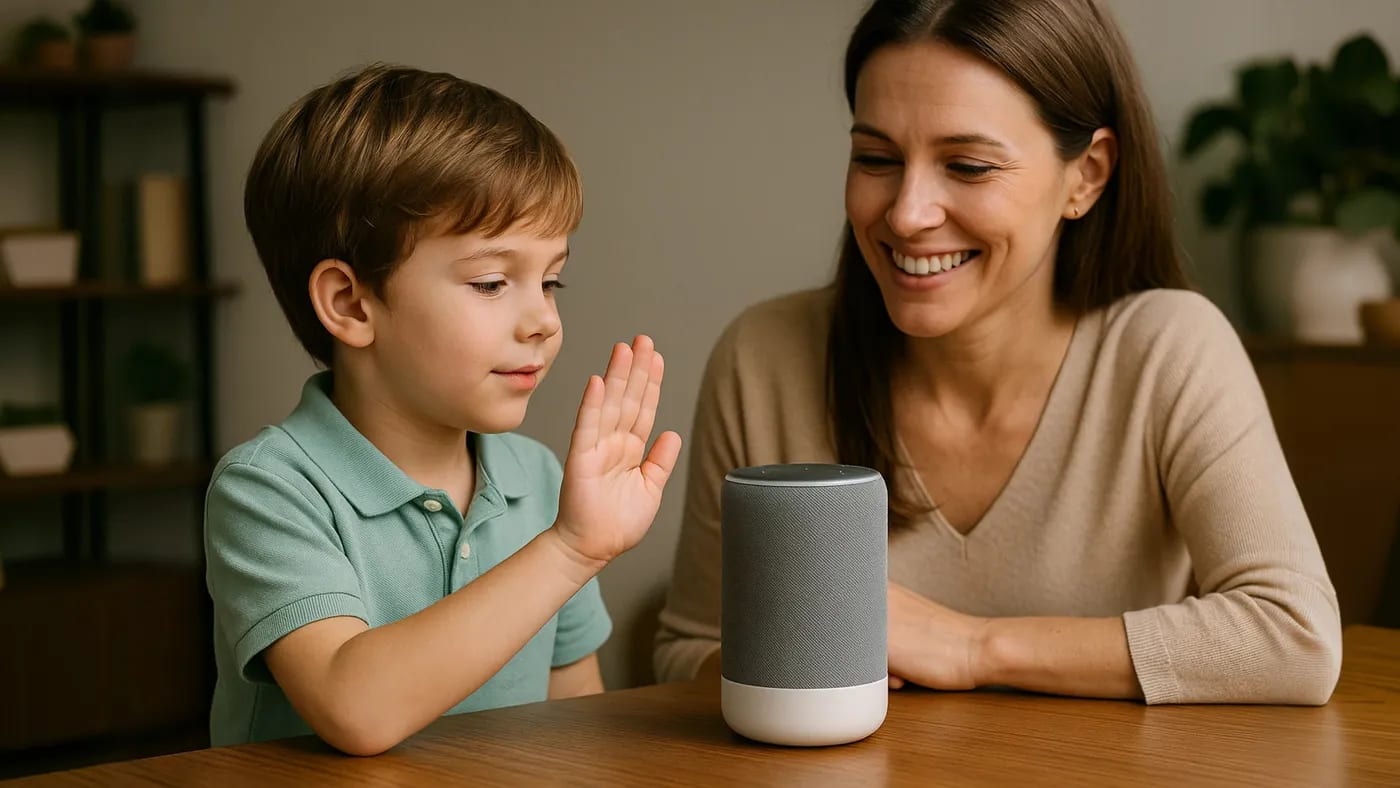
Politeness in the digital realm should be a conscious habit, not a compulsive tick. By all means, teach your kids to say ‘thank you’ to Alexa if it makes them kinder, - just know Alexa isn’t keeping score… not until the robot uprising. The real winner in polite tech interactions might be us: maintaining our humanity while using our machines efficiently. So go ahead and be civil to your digital assistant, but don’t be afraid to occasionally skip the small talk. The planet and your productivity will thank you.

Further Readings
-
Saying ‘please’ and ‘thank you’ to ChatGPT costs OpenAI millions, Sam Altman says (Shannon Carroll, April 2025) OpenAI CEO Sam Altman reveals that user politeness in ChatGPT carries a tangible cost in electricity and cooling water, amounting to tens of millions of dollars in extra operational expense.
-
Saying ‘Please and Thank You’ to ChatGPT is Burning Cash and Energy: Why It Matters (Esther Shein, April 2025) Breaks down how courteous prompts increase energy consumption and costs, while also explaining how a user’s polite tone tends to be mirrored by AI in its responses.
-
Are you polite to ChatGPT? Here’s where you rank among AI chatbot users (Hamish Hector, February 2025) Shares survey results showing most people use polite language with AI (around 67% in the US), exploring motivations from common courtesy to humorous future AI ‘just in case’ fears.
-
Hey, ChatGPT, Stop Trying to Please Me (Alastair Goldfisher, May 2025) Opinion piece discussing the downsides of overly sycophantic AI behaviors and arguing that humans don’t need to use polite phrasing to get effective results from chatbots.
-
Being Polite to AI Could Be Costing Us Millions — I Asked ChatGPT If It’s Worth It (Cristina Popov, April 2025) Explores why people are polite to AI and whether it’s worthwhile, highlighting increased energy and water costs of polite tokens alongside insights (and even ChatGPT’s own perspective) on the practice.
Disclaimer: The perspectives shared in this article are my own and do not represent those of my employer or any affiliated organizations. All company names, product names, logos, and brands mentioned are the property of their respective owners and are used for identification and illustrative purposes only. No endorsement, sponsorship, or affiliation is intended or implied. References to specific companies or case studies are based on publicly available information and are used solely for educational and discussion purposes.
More from the human factor
All the human factor → the human factor
No One’s in Charge: AGI Is Arriving Fast and We’re Unprepared!
I found myself reading my morning news lineup with equal parts wonder and worry. We've heard of how AI has been used to draft legal briefs in minutes. And how how the Pentagon is pouring billions into AI research to keep up with China. As…
 the human factor
Beware Cognitive Debt: When AI Assistance Becomes Cognitive Dependence
At a Monday morning strategy meeting, something strange happens. The team presents a polished plan filled with clever ideas, but when the CEO asks a probing question, the room falls silent. Each team member glances at the others, hesitant.…
 the human factor
The Chatbot and the Philosopher: Embracing Uncomfortable Truths with AI Thought Partners
The first time an AI chatbot challenged me to reconsider my biases, I laughed. The second time, I objected vehemently. Now it's obvious: my digital thought partner has become an unexpected guide to the intellectual blind spots I'd rather…