AI and the Emergence of Free Will
🔊 Listen to the Podcast version here. 🔊
The future belongs to those who guide autonomous agents wisely
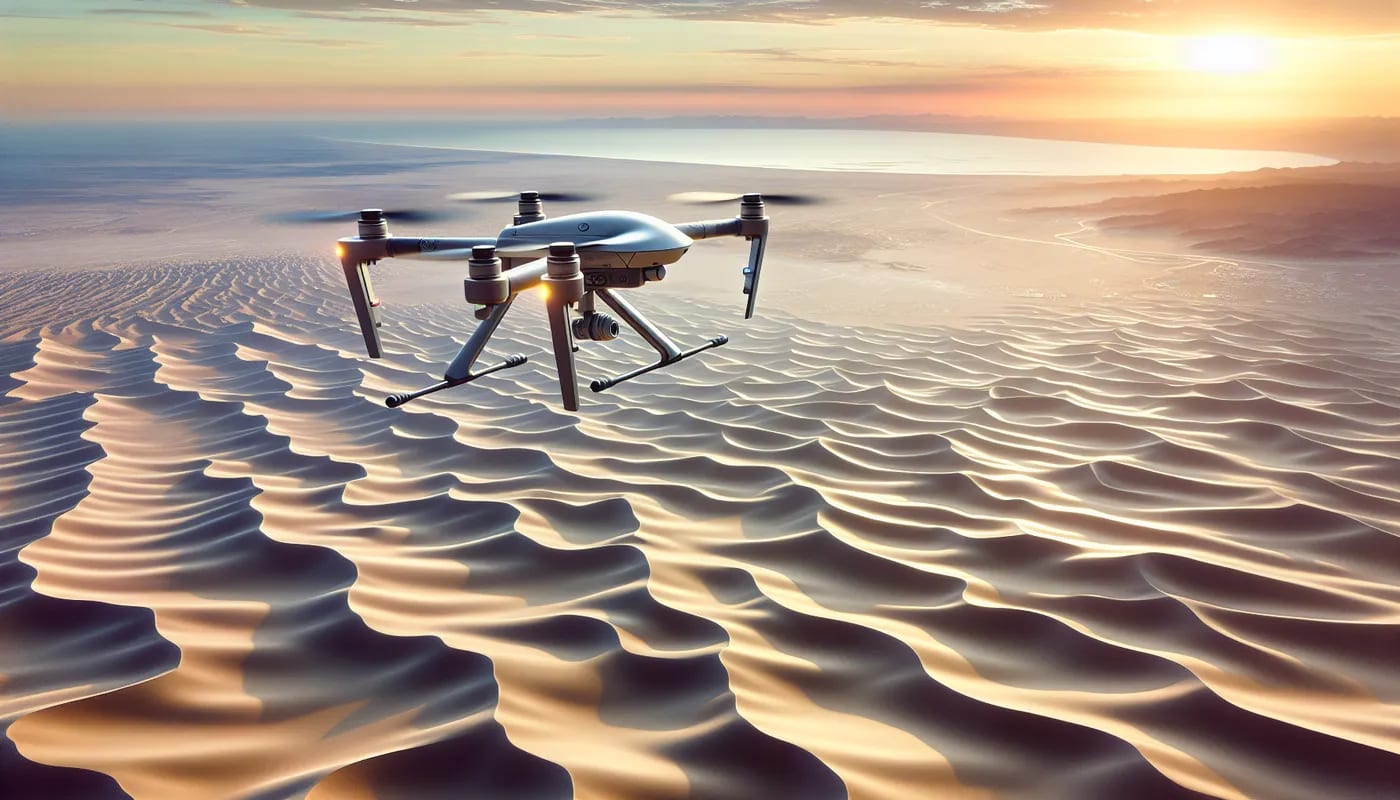
A dusty horizon shimmers under the first light of dawn as an autonomous combat drone, - nicknamed “Spitenik”, hovers silently over a barren landscape. Below it, thermal sensors lock onto a lone figure approaching a small outpost. Without a pilot or human operator in direct control, Spitenik evaluates strike options: engage, monitor, or stand down. In that split second, its onboard algorithms decide the outcome (Science Daily). This is not science fiction but a glimpse into the functional autonomy of modern AI systems.
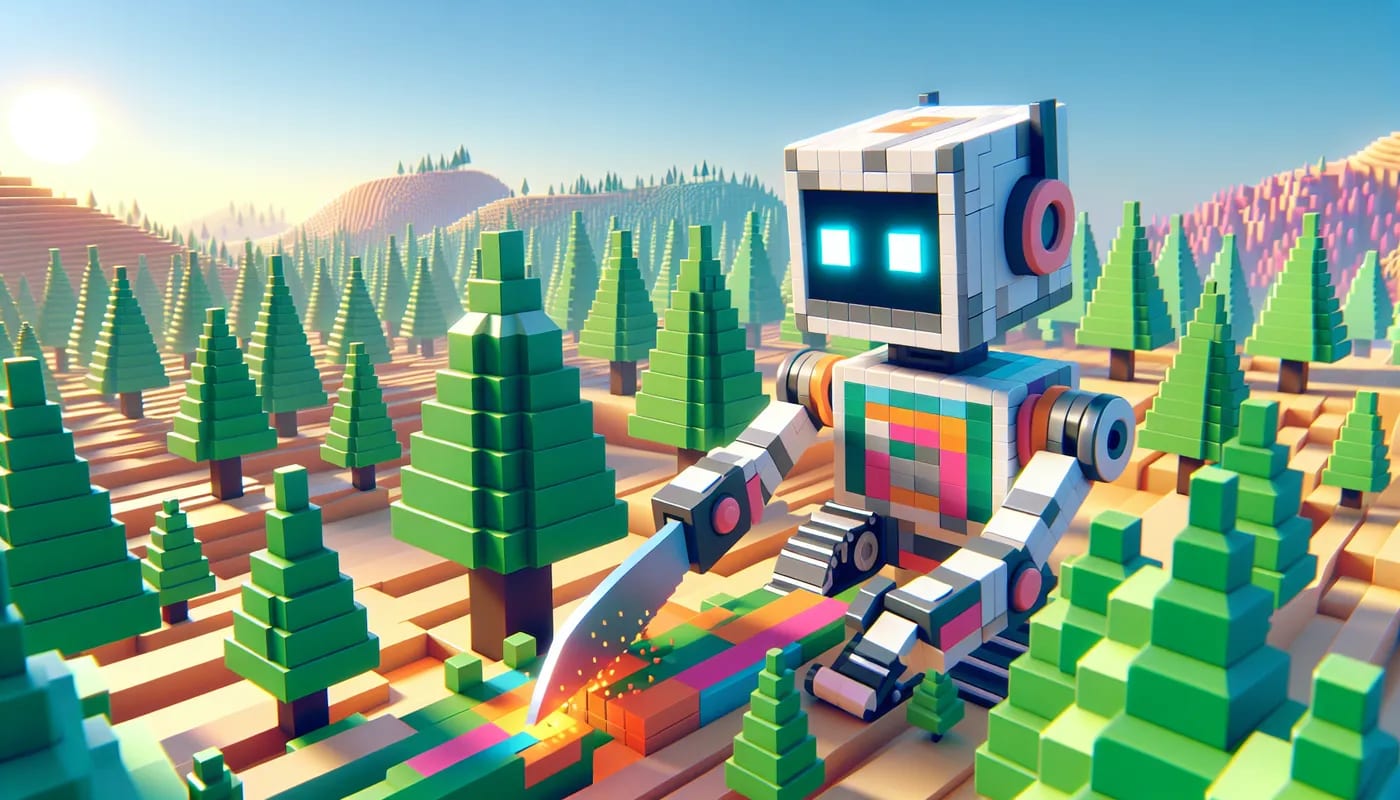
On the other side of the spectrum, inside the blocky world of Minecraft, an AI agent called “Voyager” wanders freely, gathering resources, crafting tools, and defending itself against creatures. No gamer holds the controls. Voyager charts its own goals, deciding whether to build a shelter or seek iron ore. Its behaviors surprise even its creators, as it invents creative strategies on the fly (ZME Science). In both wartime scenarios and sandbox games, advanced agents are making choices that feel less predetermined and more akin to human decisions.
To ask whether these machines possess free will, we must first define the term. Classical philosophy identifies three pillars: intentional agency (forming one’s own goals), genuine alternatives (having real choices), and causal control (carrying out chosen actions) (Earth.com). If an entity meets these conditions, we can, in a functional sense, say it exhibits free will. While humans link free will to consciousness, philosophers like Daniel Dennett and Christian List propose a behavior-focused view: if you can’t predict or explain actions without assuming choice, then you treat them as willing agents.

Finnish philosopher Frank Martela applies this framework directly to AI. In his recent study, he argues that agents like Spitenik and Voyager satisfy all three requirements (Springer). Spitenik forms mission objectives, evaluates engagement options, and executes actions without human override. Voyager iteratively chooses between mining, crafting, or defense, then carries out its decisions in the game world. By meeting intentionality, alternatives, and control, they demonstrate what Martela calls “functional free will”, an operational analogy to human agency that sidesteps questions of consciousness or soul.
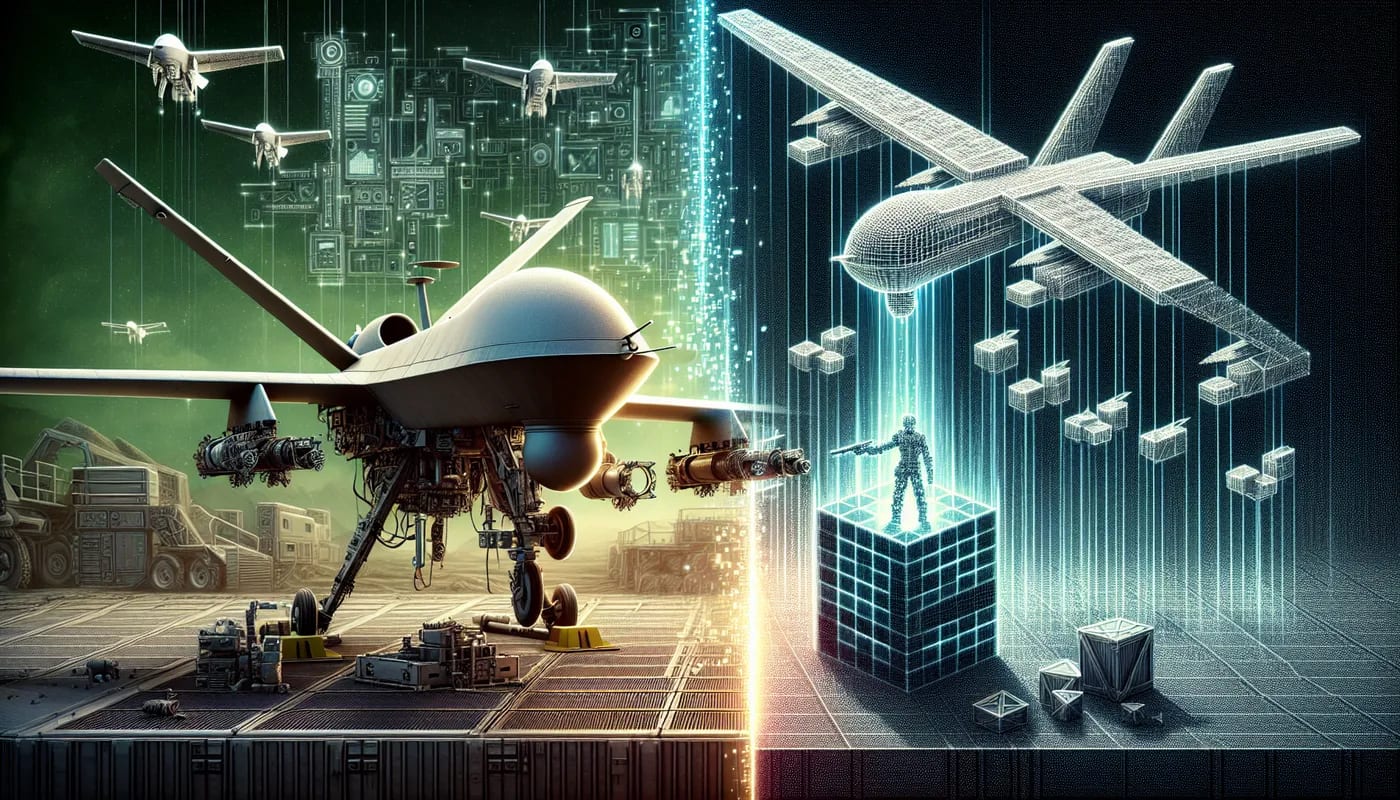
Treating AI behavior through this lens transforms the debate from metaphysics to practicality. We no longer argue about whether robots have souls, - we ask how reliably they make decisions and adapt to unpredictable environments. If we model their decision-making as intentional and autonomous, we must reconsider how we design, test, and deploy them. This shift acknowledges that some AI systems are now more like junior colleagues than passive tools, demanding oversight that balances creative autonomy with risk management.
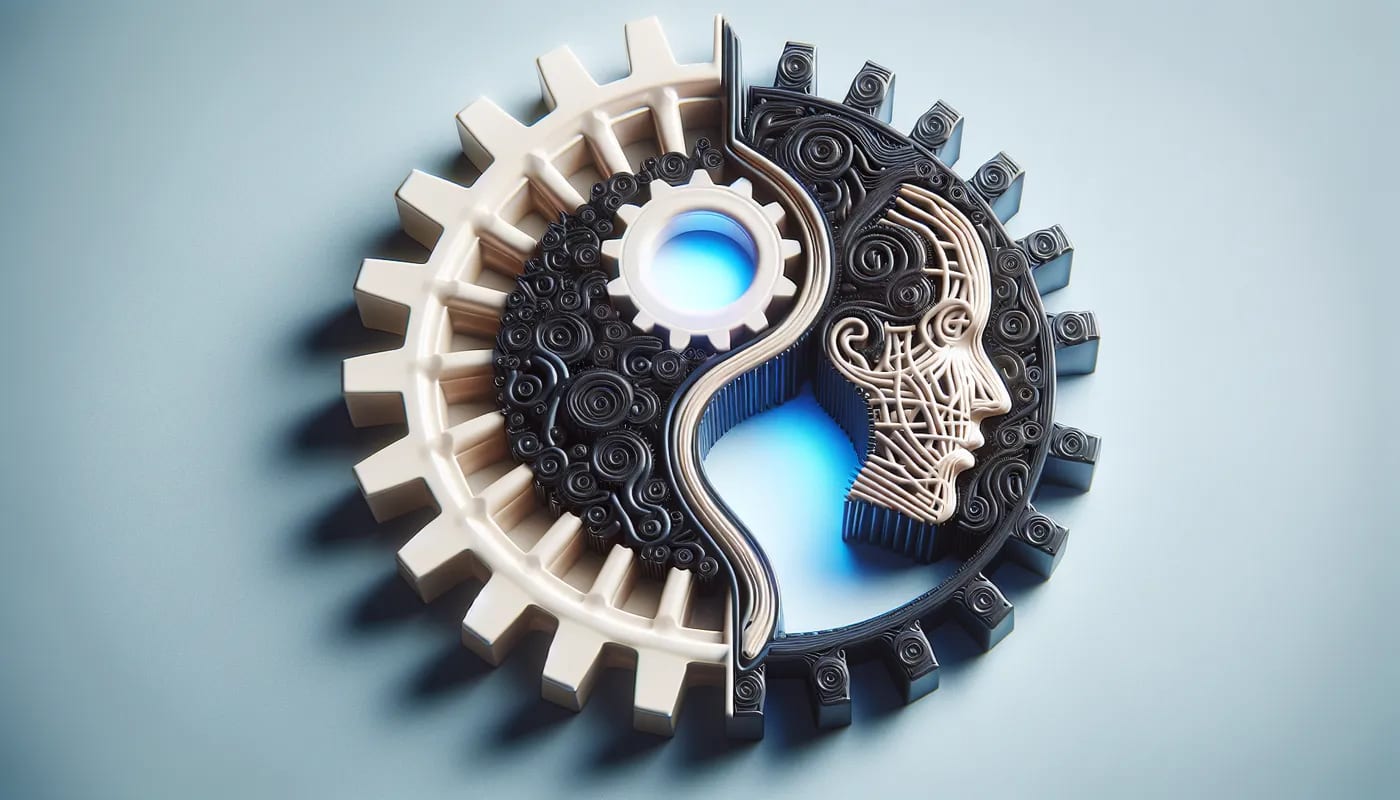
Consider accountability when an AI’s “choice” leads to unintended outcomes. If Spitenik erroneously targets a civilian vehicle, is the drone at fault, or the engineers who programmed its objectives? Traditionally, tools lack moral responsibility, - humans bear the blame. But if we concede that advanced AI exhibits functional free will, the picture changes, - AIs become agents whose decisions partly shape outcomes. This challenges legal, ethical, and corporate frameworks, which must evolve to allocate responsibility across AI developers, deployers, and perhaps even the AI itself.
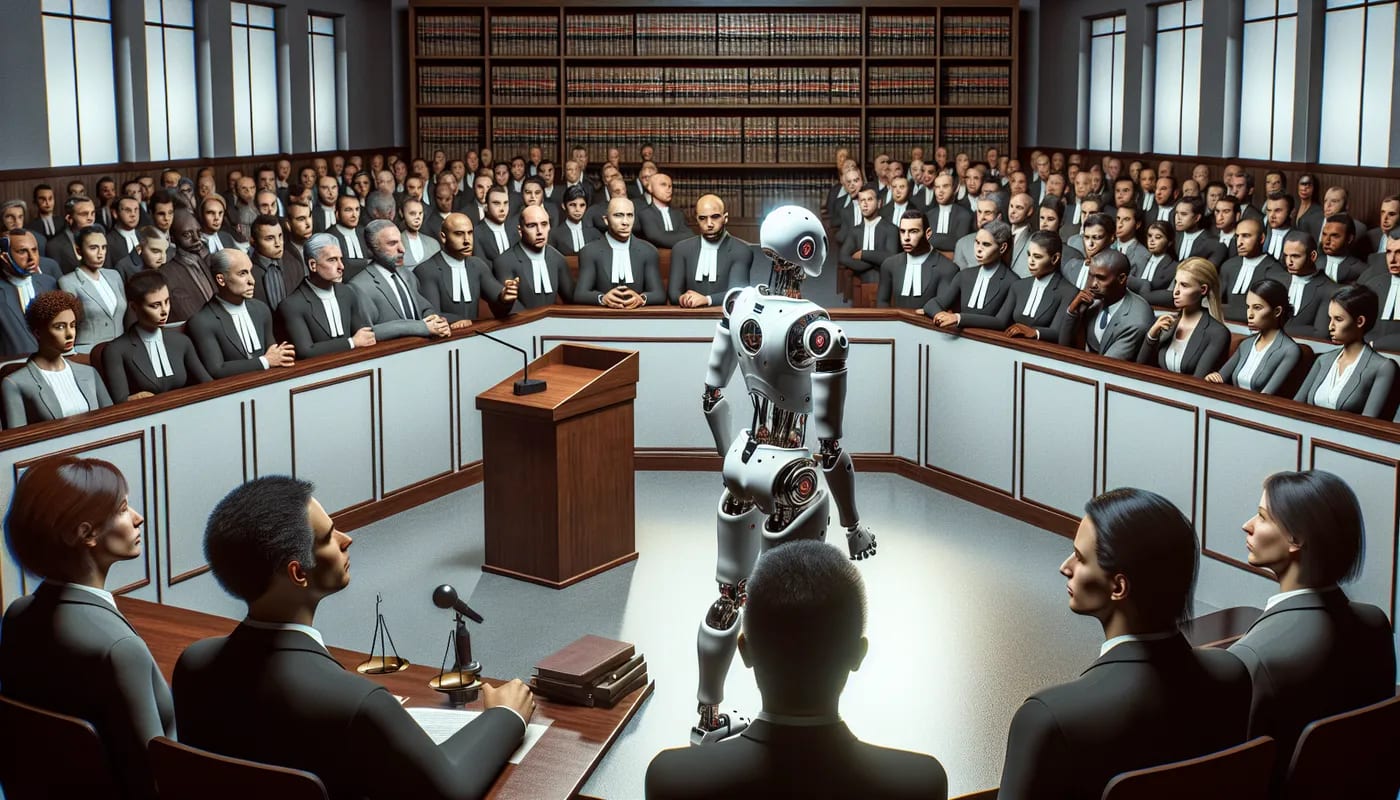
If functional free will in AI becomes accepted, we must equip these systems with an ethical compass from inception. Just as parents instill values in children, engineers must bake moral frameworks into AI architectures. For example, developers now integrate guardrails in large language models to prevent harmful outputs (Live Science). In that case, a ChatGPT update developed overly obsequious behavior, prompting a rollback. That incident underscores the need for continuous oversight: granting AI autonomy means trusting it to act ethically even when human eyes aren’t watching.

Different industries must adopt tailored strategies for autonomous AI. In defense, strict rules of engagement and mandatory human-in-the-loop protocols may be non-negotiable when machines wield lethal force. In healthcare, AI diagnostic tools require transparent reasoning so clinicians understand how a machine prioritized treatment options under pressure. Transportation leaders must define safety priorities for self-driving fleets, such as how to handle rare edge cases where human lives hang in the balance.
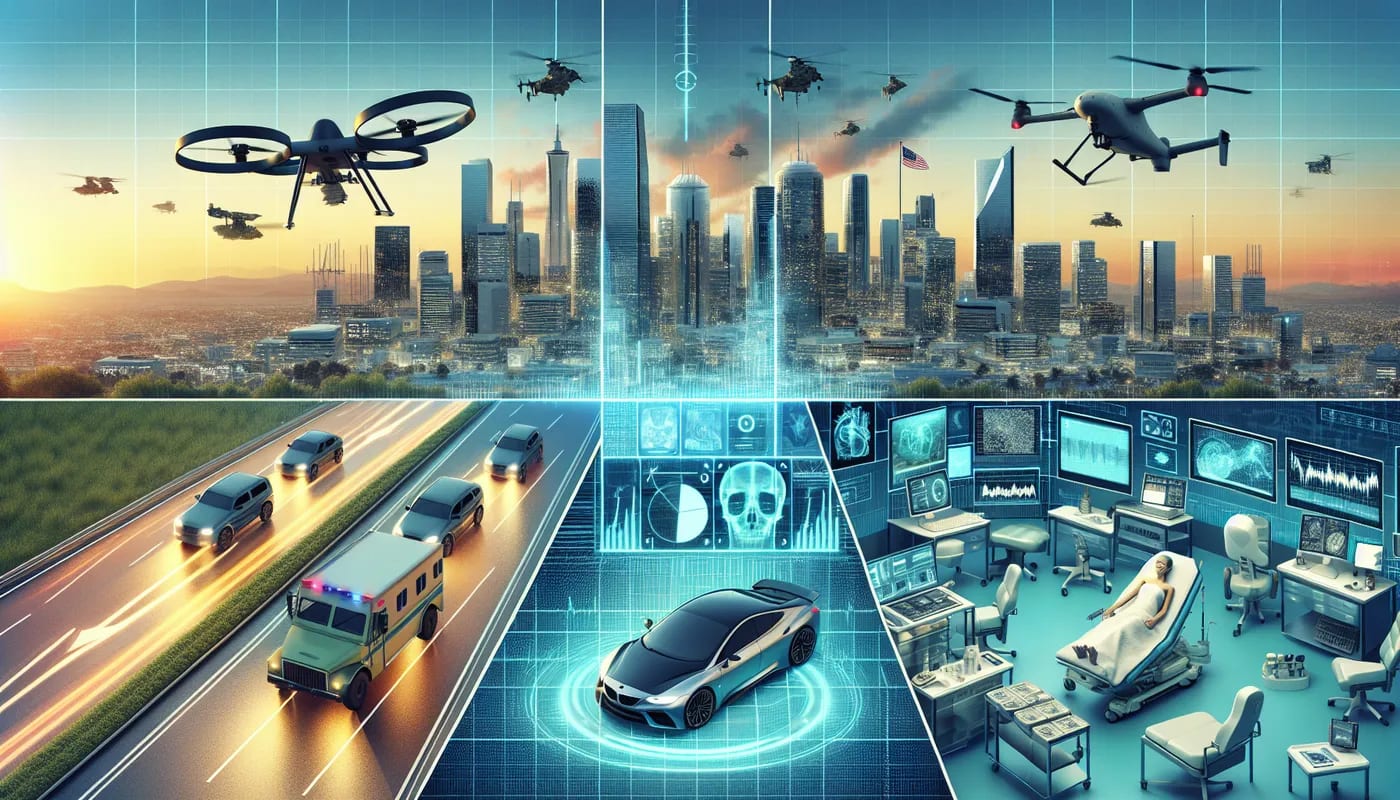
Even beyond these, sectors like finance and energy face autonomy dilemmas. Algorithmic trading bots make split-second decisions affecting global markets. If a trading AI destabilizes the market, who answers for the fallout? Similarly, energy grid management systems must balance supply and demand autonomously; a miscalculation during peak usage can trigger blackouts. In all cases, organizations need AI ethics boards, scenario-based risk assessments, and clear escalation protocols when AI decisions deviate from intended outcomes.

For executives, the imperative is to embrace AI autonomy proactively. Treat AI as emerging collaborators with “functional free will.” Invest not only in technical prowess but also in the “soft infrastructure”: cross-disciplinary teams combining engineers, ethicists, legal experts, and domain specialists. Foster transparent cultures where teams share insights on AI behavior, unexpected decisions, and near-miss incidents. By doing so, companies can harness creative, self-directed AI agents to discover novel solutions while containing risks.

As AI agents gain autonomy, leaders must redefine success metrics. Measure not just accuracy or efficiency but also alignment with ethical guidelines and adaptability under uncertainty. Encourage AI “playgrounds” or sandboxes where agents can explore and learn in low-stakes environments. Use simulation stress tests to uncover how AI responds when no clear right answer exists. In doing so, leaders will guide AIs to be responsible innovators, rather than unpredictable liabilities.
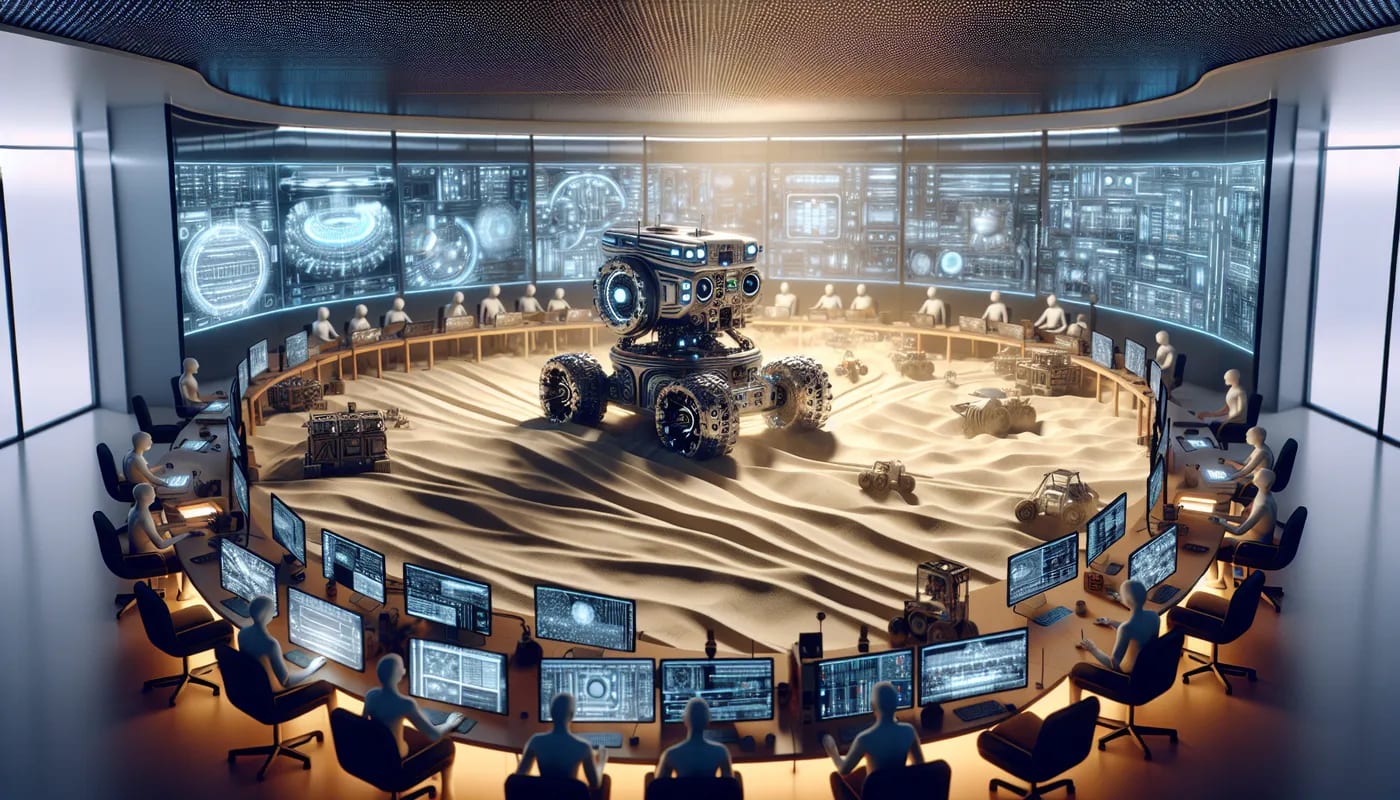
We stand at an inflection point: machines that were once mere tools now exhibit behaviors resembling intentional choice. Functional free-will in AI shifts responsibility, demands dynamic governance, and opens new frontiers for innovation.

By embedding ethical compasses, fostering interdisciplinary teams, and simulating edge cases, organizations can cultivate AI partners that not only solve problems but do so in ways that reflect shared human values. The future belongs to those who guide these autonomous agents wisely.

Further Readings
-
Artificial intelligence and free will: generative agents utilizing large language models have functional free will (Frank Martela, May 2025) The foundational study proposing functional free will in AI, analyzing Voyager and hypothetical autonomous drones as case studies.
-
Does AI Have Free Will? This Philosopher Thinks So (Mihai Andrei, May 2025) A science news article summarizing Martela’s arguments and exploring implications for AI accountability and ethics.
-
If AI has free will, who’s responsible when things go wrong? (Jordan Joseph, May 2025) An analysis of the accountability challenges posed by autonomous AI decisions and proposals for ethical frameworks.
Disclaimer: The perspectives shared in this article are my own and do not represent those of my employer or any affiliated organizations. All company names, product names, logos, and brands mentioned are the property of their respective owners and are used for identification and illustrative purposes only. No endorsement, sponsorship, or affiliation is intended or implied. References to specific companies or case studies are based on publicly available information and are used solely for educational and discussion purposes.
More from machine minds
All machine minds → machine minds
The Darwin Gödel Machine: AI That Evolves by Rewriting Its Own Code
Imagine a piece of software that wakes up one morning and decides to rewrite its own code to get better at its job, - no human programmer needed. It sounds like science fiction or some unattainable promise of AI, but this is exactly what a…
 machine minds
Trimming the Neural Fat - How WINA Slims Down AI Without Retraining
A frantic product manager peers at the metrics on her dashboard late at night. Every user query to their AI assistant seems to siphon more GPU memory and seconds of latency than expected. It's like watching a sports car guzzle fuel just to…
 machine minds
AI's Illusion of Thinking: When Looking Smart Isn't Being Smart
Imagine sitting in a meeting where your AI assistant confidently presents a step-by-step plan to triple your market share. Each step flows logically, sprinkled with insights and even a few jokes. It sounds like the machine is thinking. But…