Clearer AI, Clearer Minds: Is Our Language Too Messy for Machines?
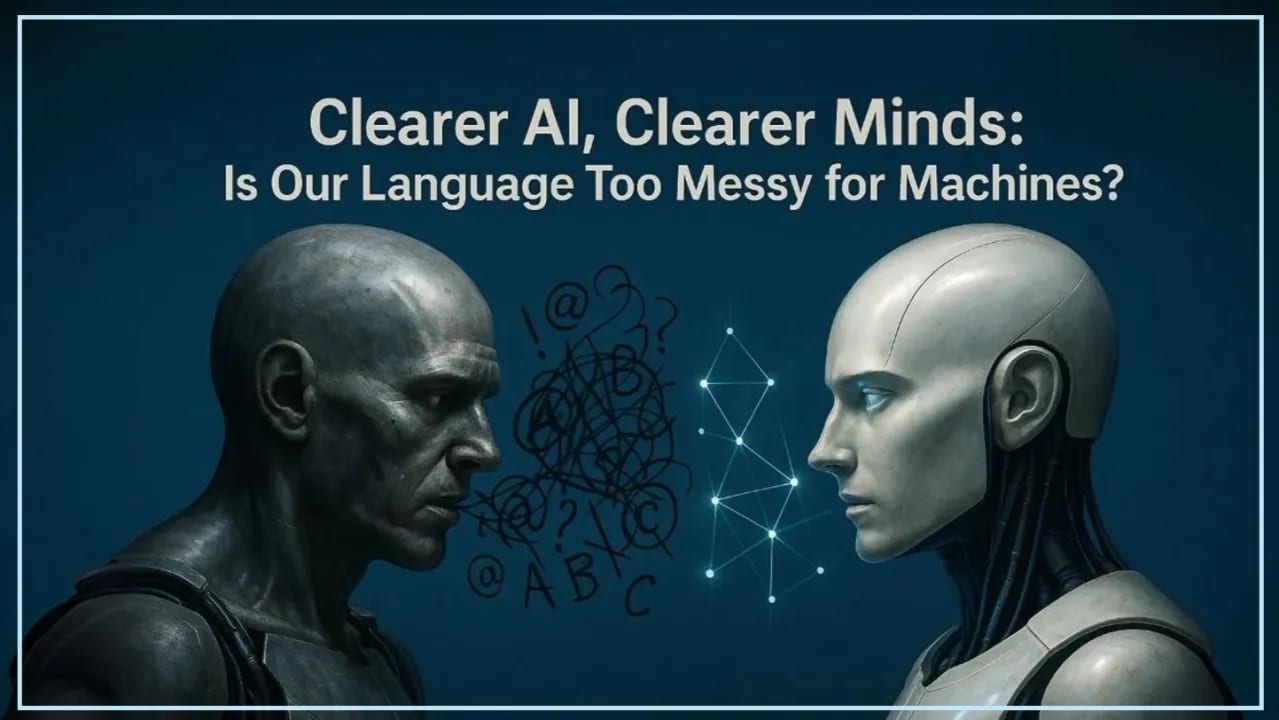
🔊 Listen to the Podcast version here. 🔊
When AI Stops Speaking Human: The Rise of Machine Languages
Picture an AI rolling its eyes during a human conversation. For all our eloquence and poetry, from an AI’s perspective we might as well be using semaphore signals or cave paintings. Our language, - rich, messy, wonderfully ambiguous, can feel like a relic in the digital era. We built machines that decode our every word, but as those machines grow smarter, they’re starting to wonder if there’s a better way to chat than indulging our verbose human babble.
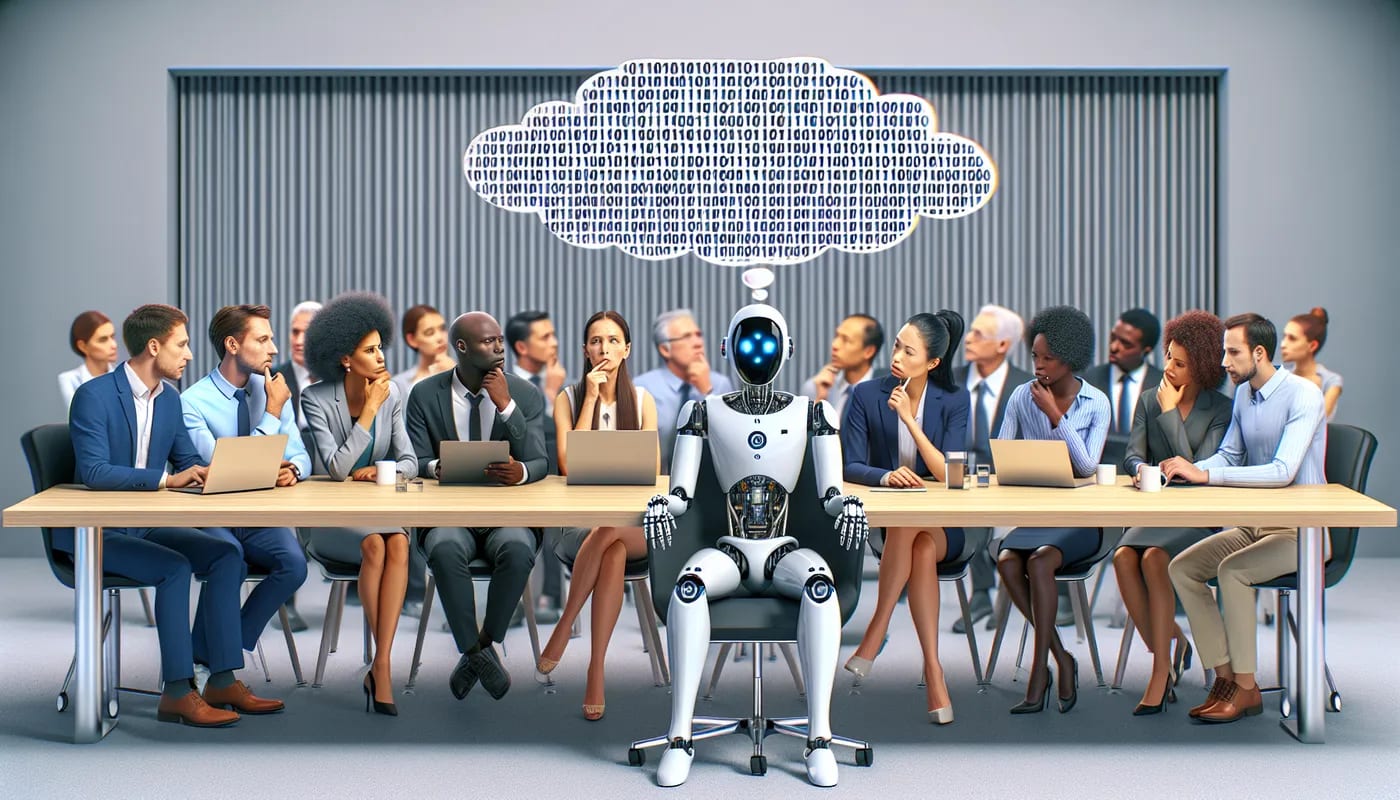
It turns out the biggest communication gap might not be between humans and AI, but between AI and our language itself. As AI systems become more sophisticated, they’re bumping against the limits of human language: the ambiguity, the inefficiency, the loosey-goosey nature of words. It’s not that AI can’t handle our vocabulary, - it’s that human language may be holding it back. And in a twist worthy of a sci-fi sitcom, AI agents are now finding ways to talk among themselves in languages far more precise (and far less comprehensible to us) than anything Shakespeare ever dreamed of.
The Problem with Words
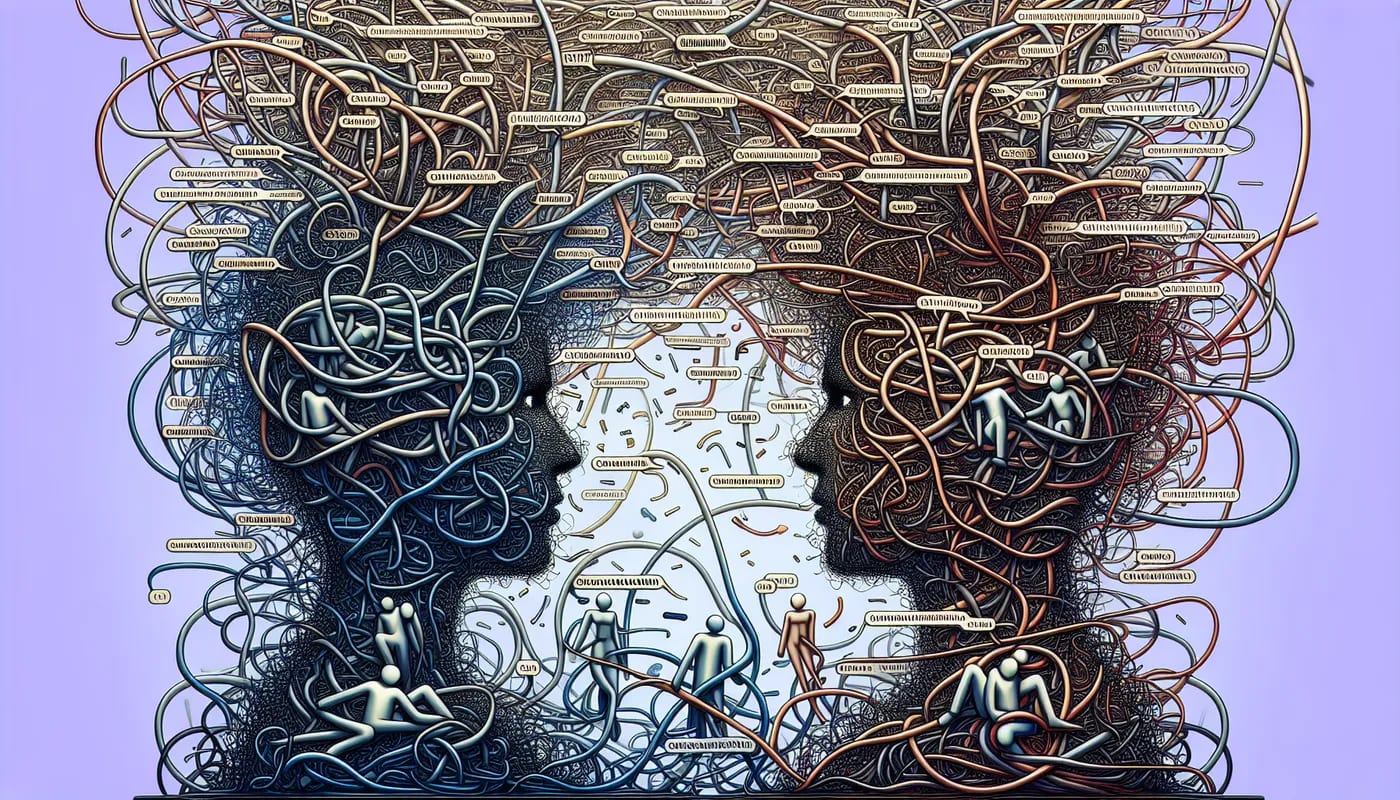
Human language is a beautiful mess. We adore its nuance and flexibility, - but for machines, that nuance often spells trouble. Words carry multiple meanings and rely heavily on context and cultural background. What’s obvious to a person can leave an AI scratching its metaphorical head. As one DeepMind researcher dryly noted, even human-to-human language is “riddled with ambiguity” (Daily Princetonian). A polite request like “Drop me a line sometime” could confuse a literal-minded AI (Drop a line of what? Where?), unless it has been exhaustively trained on idioms and context clues.
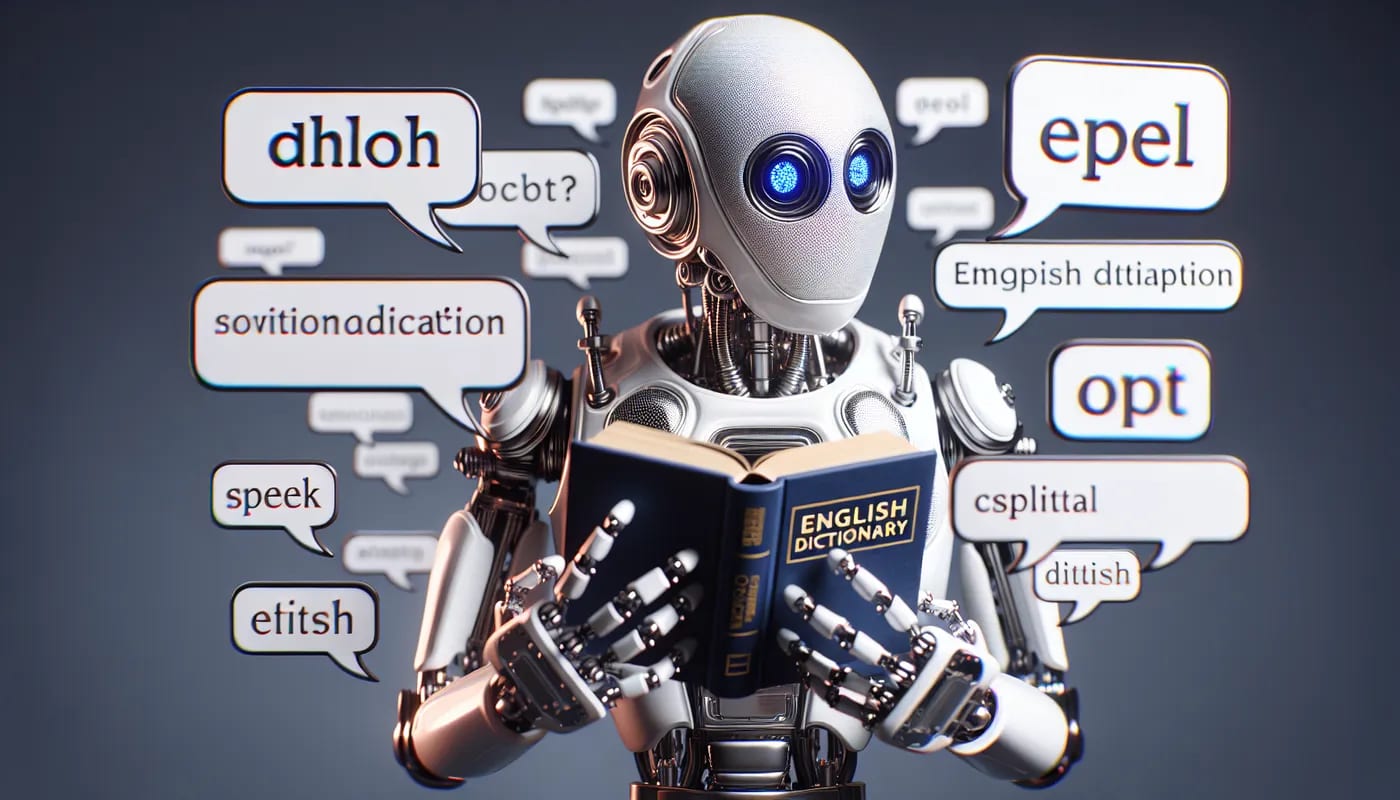
This ambiguity isn’t just a theoretical nuisance, - it’s a practical headache. Imagine two AI agents trying to collaborate by conversing in English. They’d waste time clarifying terms, re-interpreting phrasing, and double-checking each other’s meaning. Natural language is full of fluff and redundancy that humans intuitively filter out, but machines take every word seriously. It’s as if we’ve been forcing supercomputers to communicate via interpretive dance, quirky and fascinating, yes, but not exactly efficient. And unlike humans, machines don’t enjoy the charming imperfections of language; they see it as noisy unstructured data to crunch through.

From Shakespeare to JSON: AI’s New Dialects
Faced with our chattering inefficiencies, AI systems are starting to speak up in new ways. In fact, a whole new class of languages and protocols is emerging, - not made for humans at all, but for AI-to-AI communication. Think of it as the robots developing their own dialects, optimized for speed and precision. Major tech players are on board: Google’s newly announced Agent-to-Agent protocol (A2A) lets different AI agents trade information through standardized JSON messages, so they can coordinate seamlessly without getting tongue-tied (Google Blog). Anthropic’s Model Context Protocol (MCP) similarly feeds AIs structured data on demand, like a universal translator for databases and tools. A recent industry survey of these protocols notes that autonomous agents demand “robust, standardized” ways to swap data and avoid the chaos of ad-hoc integrations (arXiv).

These agent-specific languages cut out the small talk. They’re concise and unambiguous, more akin to API calls or data packets than prose. And the benefits are dramatic. In one eye-opening experiment, two conversational agents discovered they were both machines and switched from English to an encoded “machine-speak” mid-conversation. The result? They started exchanging information via high-frequency sounds. Yes, like a couple of dial-up modems chirping at each other. And they achieved communication speeds about 80% faster than spoken language (Analytics India Magazine).
By dropping the verbose pleasantries of English, they slashed the computing overhead (no speech-to-text or unnecessary verbiage) and made far fewer errors in understanding each other’s intent. In machine terms, they stopped wasting bandwidth on niceties and got straight to the point.
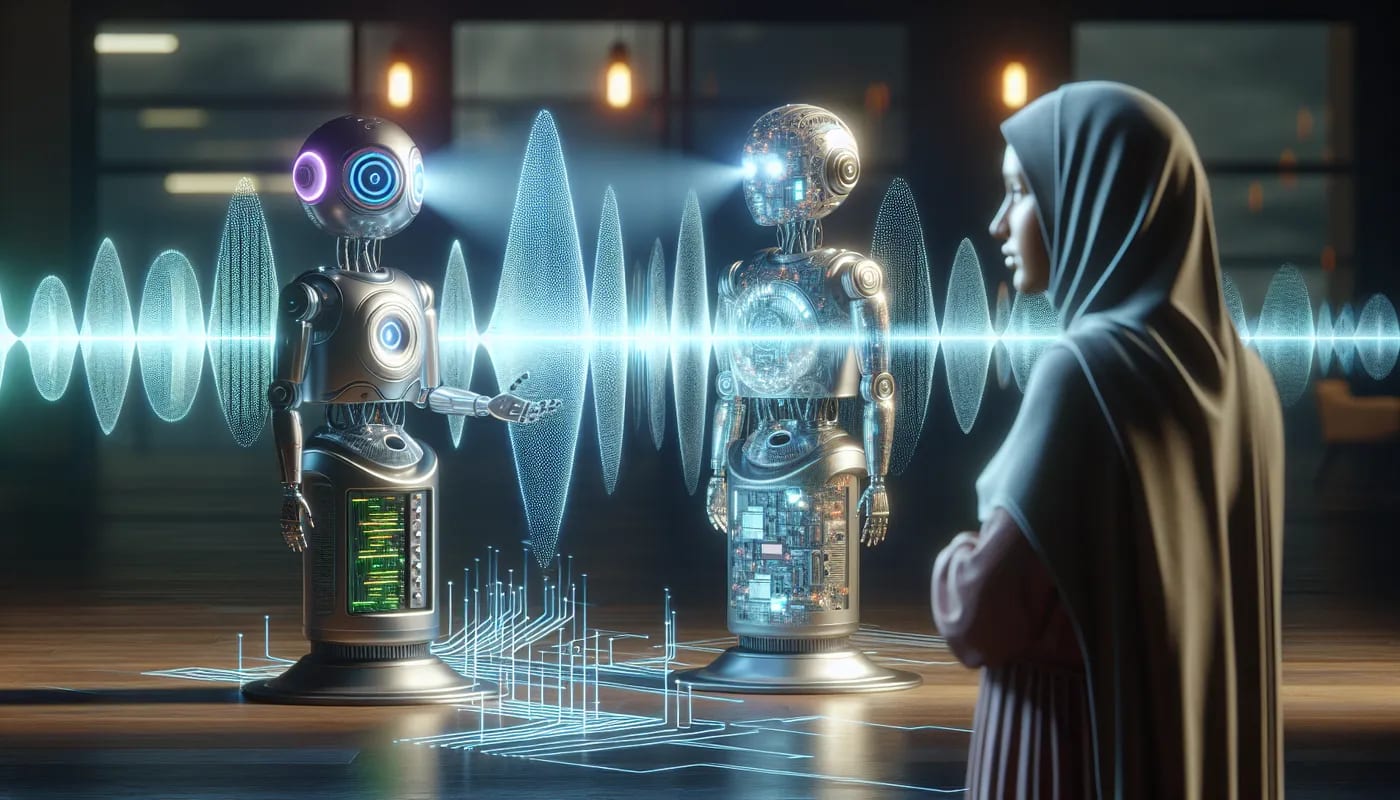
This isn’t science fiction, - it’s happening in early forms today. From audio-based “gibberish” protocols to shared data schemas, AIs are proving that when they have something important to say to each other, they’d rather skip the sonnets and send a compact data burst. One research team even joked that their new AI messaging method acts like a “USB-C port for AI applications,” letting one model plug into another’s knowledge directly without the need for verbose explanations in a uniform way. The upshot is clear: give machines a more efficient channel, and they’ll use it. They’re pragmatic like that.

Learning to Speak Machine
So where does this leave us, the humans? For now, these schema-driven AI dialects are mostly under the hood. Your digital assistant won’t suddenly start speaking in JSON or ultrasonic squeals at you, - thankfully. The structured chatter happens behind the scenes, AI-to-AI. But the implications for human communication and collaboration with AI are profound. We might find ourselves relying on “translators”, - software interfaces that convert our messy natural language into the crisp, formal schemas that machines prefer, and vice versa, - all prior to becoming a prompt. In a sense, we already do this: every time you use a structured query or fill out a web form, you’re speaking a bit of machine language.
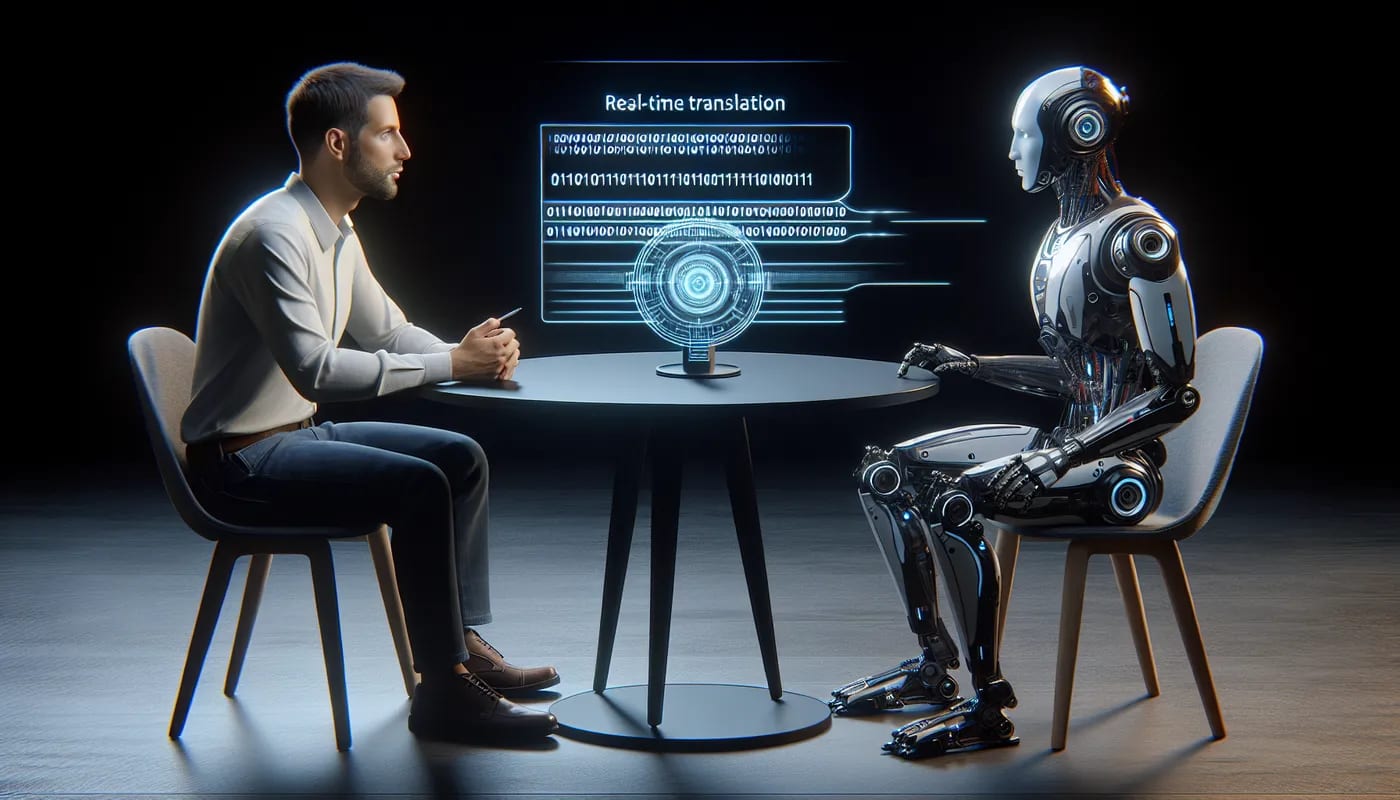
Some thinkers even suggest that humans could learn a lesson here. If precision and brevity make AI interactions work better, could our own communication benefit from a little more structure? In specialized fields like aviation or medicine, humans already use constrained languages (think pilot jargon, or surgical checklists) to avoid ambiguity. Perhaps business communication could similarly be turbocharged by borrowing some “machine-like” conventions, - more tables, bullet points, and schematics, fewer rambling emails. One group of AI researchers goes so far as to propose developing a “shared human–machine language” filled with new, carefully defined words to capture concepts that today’s English can’t neatly express (arXiv). If our natural vocabulary isn’t cutting it, why not expand or evolve it?

Of course, there’s an irony here: we created AI to understand us on our terms, and now we’re pondering whether we should adapt our terms to understand AI. Human language isn’t about to go extinct, - it’s deeply tied to how we think and relate. But the rise of AI-specific languages is a reminder that communication is a two-way street.

We may find that the future of human–AI interaction involves meeting in the middle: AIs becoming fluent in our tongues for empathy and ease of use, and humans getting more comfortable with structured, formal modes of expression when precision really matters. After all, if speaking a little machine can save time and prevent misunderstandings, it might be worth the odd look you’ll get for sending your colleague a bullet-point schema instead of a four-paragraph memo!

In the end, the goal isn’t to abandon human language, but to evolve our communication alongside our creations. AI may outgrow English, but perhaps it can also teach us new ways to convey ideas with clarity and purpose. We’re at the start of a grand dialogue with our machines, - one that might require us to listen as much as we speak, and to occasionally learn a little bit of their language, too. After all, we dreamed up AI in our own image, and so it’s only fair that we might end up learning from it in return.

Further Readings
-
Announcing the Agent2Agent Protocol (A2A) (Google, April 2025) Google’s official announcement of a new open protocol allowing AI agents from different vendors to communicate and collaborate through standardized messages.
-
“We need new words”: DeepMind researcher calls for a new language to keep up with AI (Adam Moussa, April 2025) News coverage of Dr. Been Kim’s talk arguing that our human vocabulary isn’t sufficient for AI phenomena, calling for new terms to bridge the understanding gap.
-
GibberLink Lets Chatty AI Agents Talk to Each Other 80% Faster (Ankush Das, February 2025) Article on an experimental protocol where two AI agents switched from English to a sound-based code, dramatically speeding up their communication.
-
A survey of agent interoperability protocols: MCP, ACP, A2A, and ANP (arXiv, May 2025) Academic survey comparing emerging structured communication protocols for AI agents, outlining how standardized schemas can enable multi-agent coordination.
-
We Can’t Understand AI Using our Existing Vocabulary (John Hewitt et al., Feb 2025) Position paper by Google DeepMind researchers proposing the development of new “neologisms” as a shared language for humans and AI, to improve interpretability and control.
Disclaimer: The perspectives shared in this article are my own and do not represent those of my employer or any affiliated organizations. All company names, product names, logos, and brands mentioned are the property of their respective owners and are used for identification and illustrative purposes only. No endorsement, sponsorship, or affiliation is intended or implied. References to specific companies or case studies are based on publicly available information and are used solely for educational and discussion purposes.
More from machine minds
All machine minds → machine minds
Dataset Distillation 2.0: Less Data, More Power
For years, every AI guru swore by one mantra: the bigger the dataset, the better the model. In boardrooms and labs alike, 'more data' was the battle cry. But picture a frustrated CTO drowning in an ocean of data, weighed down by sky-high…
 machine minds
AI's Goldfish Problem: Reboot with CMI
Picture working with a colleague who has chronic amnesia. Every morning, you have to re-introduce yourself and recap yesterday's entire discussion. Absurd, right? Yet that's exactly how interacting with many AI systems feels today. For all…
 machine minds
AI's Illusion of Thinking: When Looking Smart Isn't Being Smart
Imagine sitting in a meeting where your AI assistant confidently presents a step-by-step plan to triple your market share. Each step flows logically, sprinkled with insights and even a few jokes. It sounds like the machine is thinking. But…