Breaking the Idea Trap in the Age of AI
Somewhere right now, one of your best engineers is sitting at a kitchen table at 11 p.m., building something extraordinary with an AI assistant. She is not stealing company secrets. She is not moonlighting for a competitor. She is solving a problem she noticed three weeks ago during a sprint review, - a problem nobody had budget, bandwidth, or appetite to explore. By morning, she will have a working prototype. And she will tell absolutely no one at work about it. Not because she is disloyal. Because she is rational.

That silence is not a character flaw. It is a strategic response to a system that punishes disclosure. In thousands of organizations worldwide, the safest thing a creative employee can do with an independently developed idea is hide it. The innovation culture most companies advertise, - open doors, hackathons, intrapreneurship programs, collides with the fine print of employment agreements that claim ownership over anything remotely adjacent to the business. The result is an idea trap: a structure where offering a concept is more dangerous than concealing it.
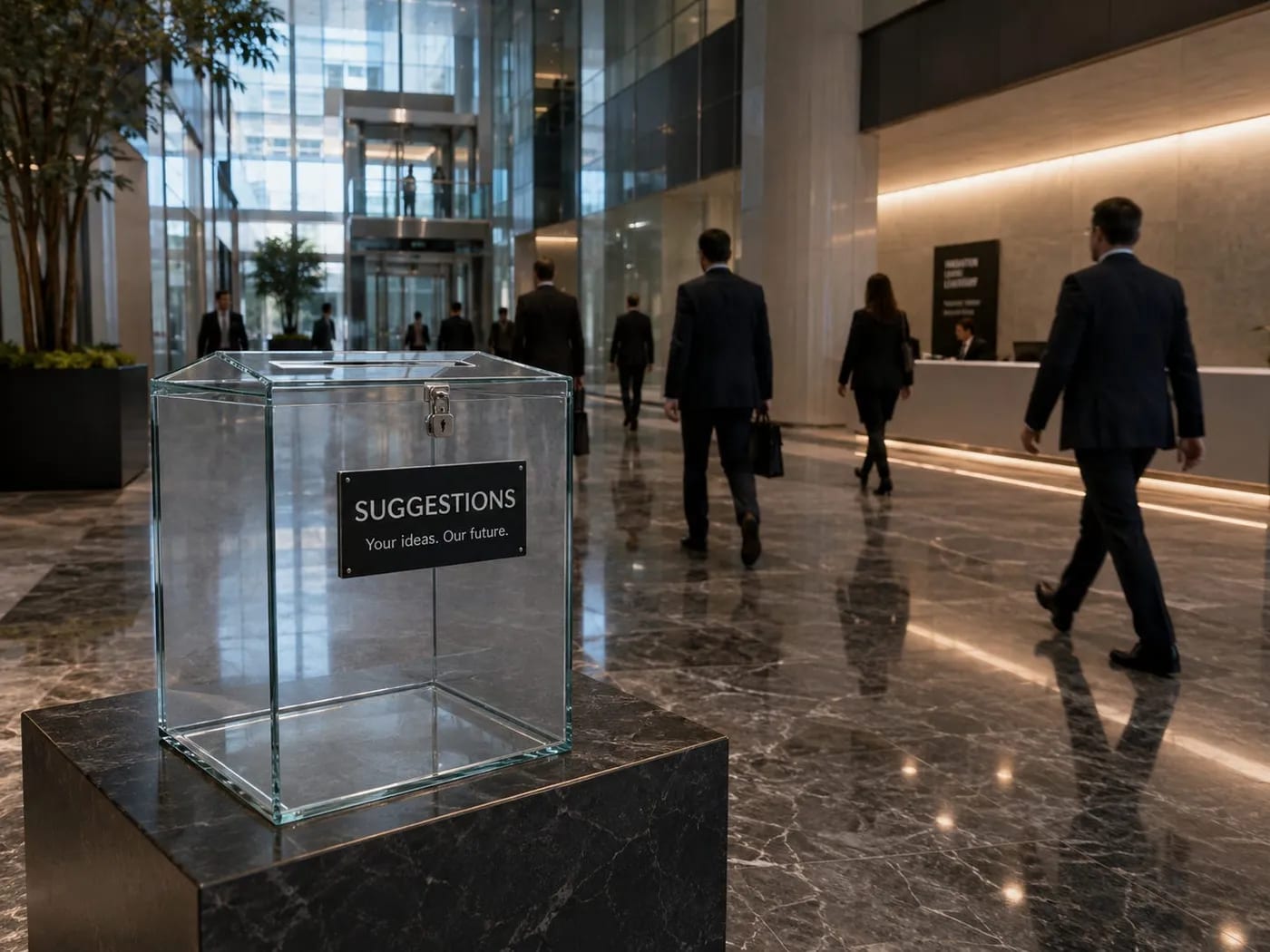
This article makes a simple argument: an employer should not be able to decline an independently developed idea and still own its future. That principle, - contribution without forfeiture, is not anti-business radicalism. It is the operating logic that will separate AI-era winners from companies that wonder why their best people stopped sharing. The companies that build a trustworthy bridge between independent creativity and institutional scale will attract a steady flow of voluntary innovation. The companies that build higher walls will preside over increasingly empty rooms.

The Old Mountain Is No Longer Exclusive
For most of modern corporate history, serious innovation required serious infrastructure. Companies owned the laboratories, the computing power, the data pipelines, the customer relationships, and the capital to convert speculation into products. Employees contributed labor within that structure. The company funded exploration. The company expected to own the output. Broad invention assignment clauses felt natural when almost every experiment depended on institutional machinery. If you needed a mainframe to test your hypothesis, the mainframe’s owner had a reasonable claim to the result.

That mountain is eroding fast. The democratization of AI through no-code platforms, embedded assistants, and natural language interfaces has placed sophisticated creative tools into the hands of employees across every department (https://www.aptean.com/en-US/insights/blog/democratizing-ai-with-no-code-tools). A designer can now explore entire product concepts overnight. An analyst can follow an unexpected data pattern into a viable business model. A domain expert can move from speculation to working demonstration without requesting a single dollar from IT. Organizations that have extensively adopted AI democratization report significant gains in both productivity and innovation velocity (https://www.ibm.com/think/insights/democratizing-ai).

Microsoft Research’s 2025 report on the future of work captures this shift precisely: AI is transforming employees from pure producers into curators, critics, and strategic guides (https://www.microsoft.com/en-us/research/blog/new-future-of-work-ai-is-driving-rapid-change-uneven-benefits/). The human role is not diminished, - it is elevated to exercising nuanced judgment, navigating ambiguity, and crafting the prompts that direct machine capability toward meaningful problems. An organization may still possess the scale to turn an idea into global impact. It no longer holds a monopoly on where ideas become real. And that shift changes everything about who should own what.

The Idea Trap: Where Loyalty Meets Legal Quicksand
Here is the paradox that should keep every Chief Innovation Officer awake at night. The employee most likely to build something valuable outside work hours is also the employee most committed to the company’s mission. They are not scheming competitors. They are curious professionals who notice problems faster than the organization can assign them. They explore because they care. And the moment they consider sharing what they have built, they face an impossible calculation.
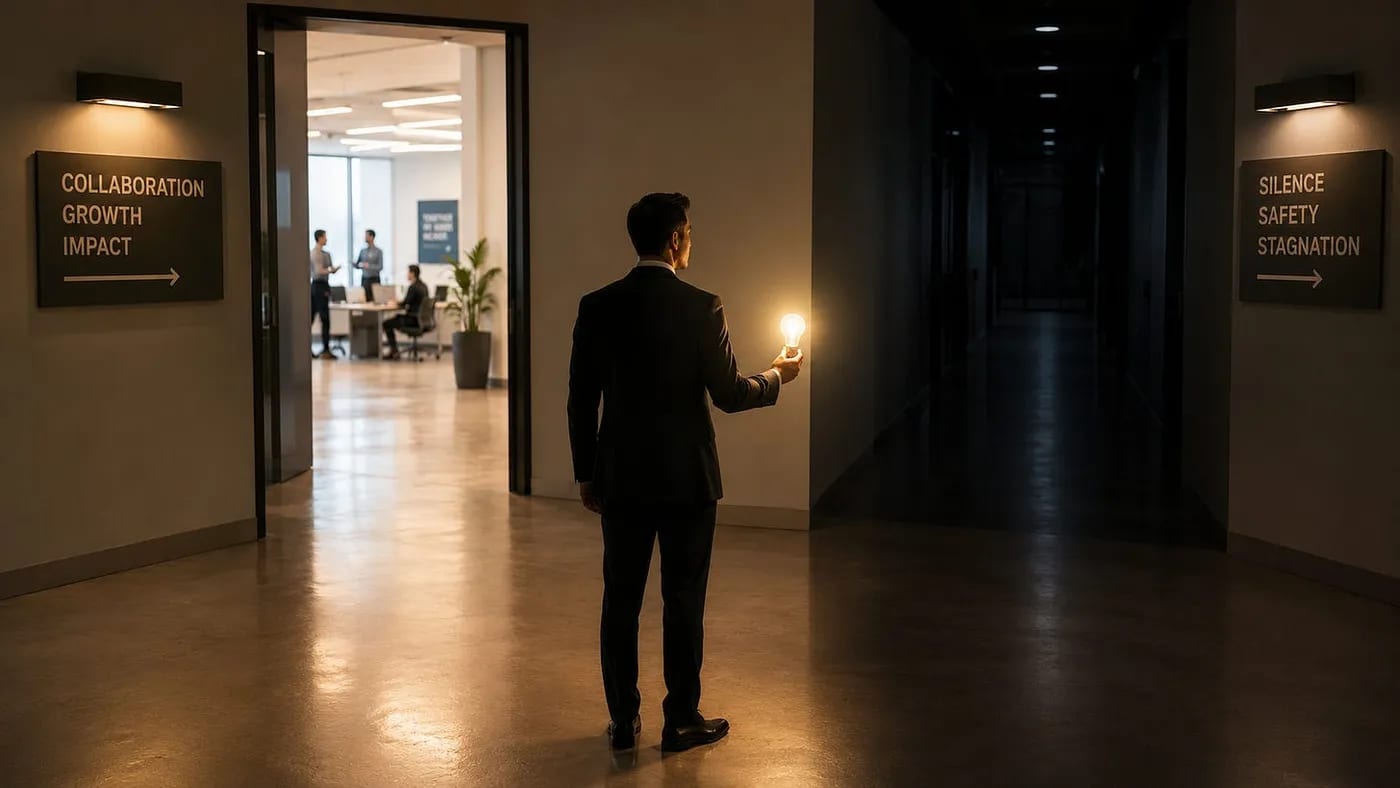
The trap works like this: the employee may offer an independently developed idea to the company but cannot predict whether offering it will cause the idea to be claimed, shelved, restricted, or cited as evidence of misaligned priorities, - even if the company never acts on it. New York’s Labor Law Section 203-F, effective since September 2023, and similar statutes in California, Washington, and Illinois attempt to protect employee-inventors from precisely this dynamic (https://www.wsgr.com/en/insights/new-york-redefines-the-permissible-scope-of-invention-assignment-provisions.html). Yet many employment agreements still contain language broad enough to swallow the exception.
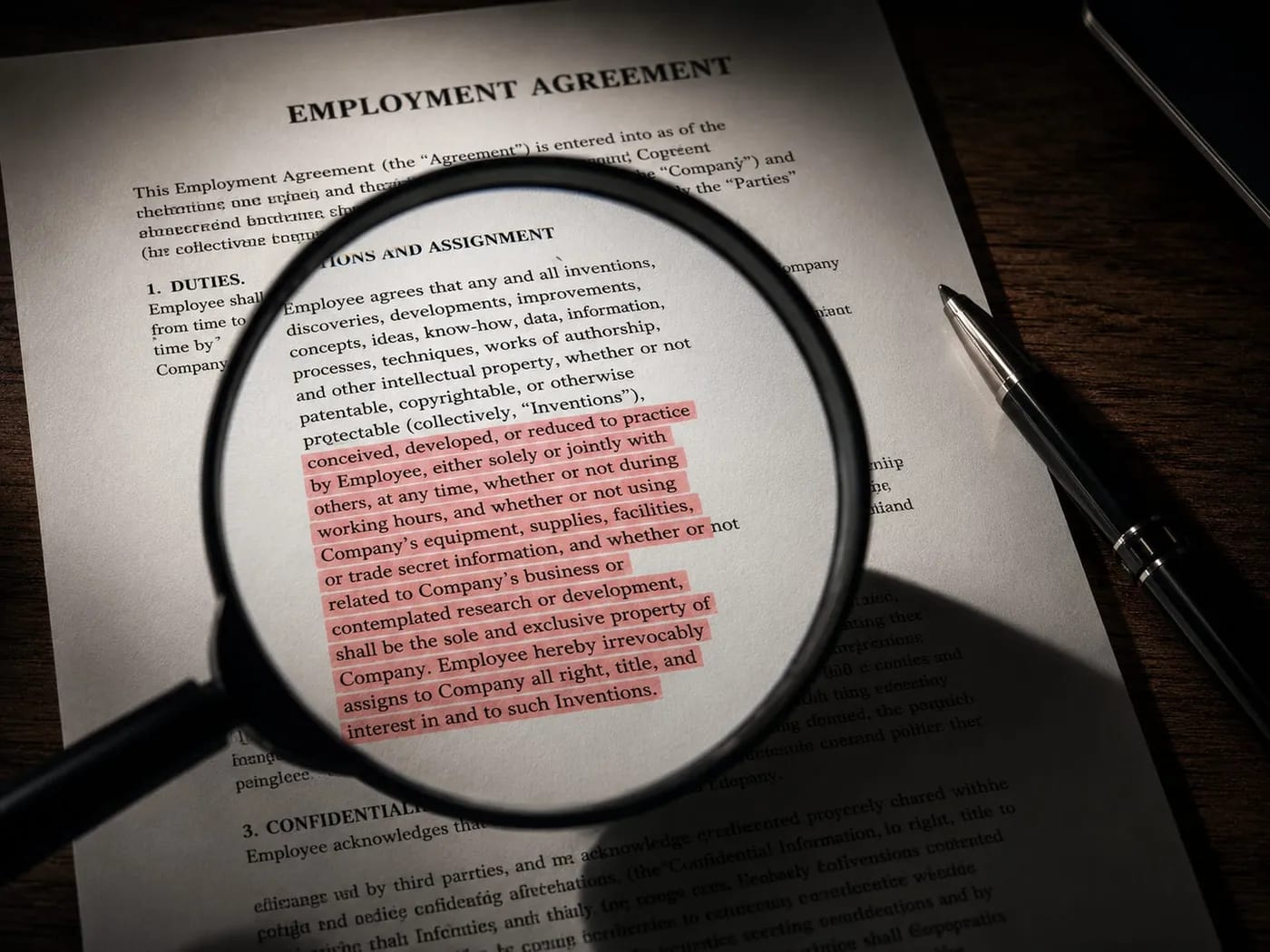
Cornell Law Review’s 2024 analysis makes the case for uniform reform, documenting how overly broad holdover clauses, - provisions that claim rights to inventions created even after employment ends, disincentivize the very entrepreneurial energy companies claim to want (https://publications.lawschool.cornell.edu/lawreview/2024/09/23/the-case-for-a-uniform-invention-assignment-agreement-act-uiaaa/). The hidden economic cost is staggering: there is no dashboard for prototypes never disclosed, no innovation report counting the experiments abandoned because their creators feared ownership ambiguity. The loss remains silent, and therefore easy to ignore.
Innovation Enclosure and Its Sharper Cousin: Cognitive Feudalism
When a company’s implicit posture is that any idea adjacent to its business, technologies, customer problems, or market interests may fall under corporate control, - regardless of how, when, or where it was developed, call it what it is: innovation enclosure. The fence is ambiguous before disclosure and expansive afterward. The employee is not merely asked to respect trade secrets and avoid direct conflicts. Those are reasonable obligations. Instead, the employee begins to sense that the intellectual horizon itself is dangerous. If an idea is relevant enough to be valuable, it may be too risky to reveal.

The human experience of that enclosure deserves a sharper name: cognitive feudalism. Under medieval feudalism, a person could cultivate land but never fully own the harvest because the lord controlled the territory. In its modern form, an employee may think, explore, and build, - but the harvest of their private imagination may belong to the institution, provided the institution can argue the field was adjacent enough. IPWatchdog’s 2026 analysis documents how AI accelerates this dynamic: AI-enabled systems can now observe, codify, and convert an employee’s tacit knowledge into structural capital and enforceable trade secrets (https://ipwatchdog.com/2026/04/13/ai-raising-stakes-intellectual-capital-ip-rights/).

Let me be precise about what this critique is not. Employment is legitimate. Companies should absolutely own commissioned work, funded research, products built within assigned responsibilities, and anything developed using confidential information. Those boundaries are real and necessary. The critique is narrower and more consequential: employment should not grant an organization indefinite dominion over the independently cultivated intellectual life of its people. A company has a legitimate claim to what it commissions, funds, and entrusts. It does not become more innovative by behaving as though it owns the surrounding imagination of every employee before they have even offered it.

The Moment of Reversal: AI Does Not Expand the Fence. It Makes Fences Irrelevant.
Here is where the story turns. Leaders facing the AI revolution have a natural defensive instinct: if employees can now produce functioning prototypes, business cases, and technical architectures on personal time, surely we need broader restrictions. That instinct is understandable. It is also catastrophically wrong. The desire to control more assumes the old mountain still exists, - that institutional ownership remains the primary mechanism through which ideas become possible. AI demolishes that premise daily. Employees do not require permission to remain curious. They do not require a corporate laboratory to run experiments.

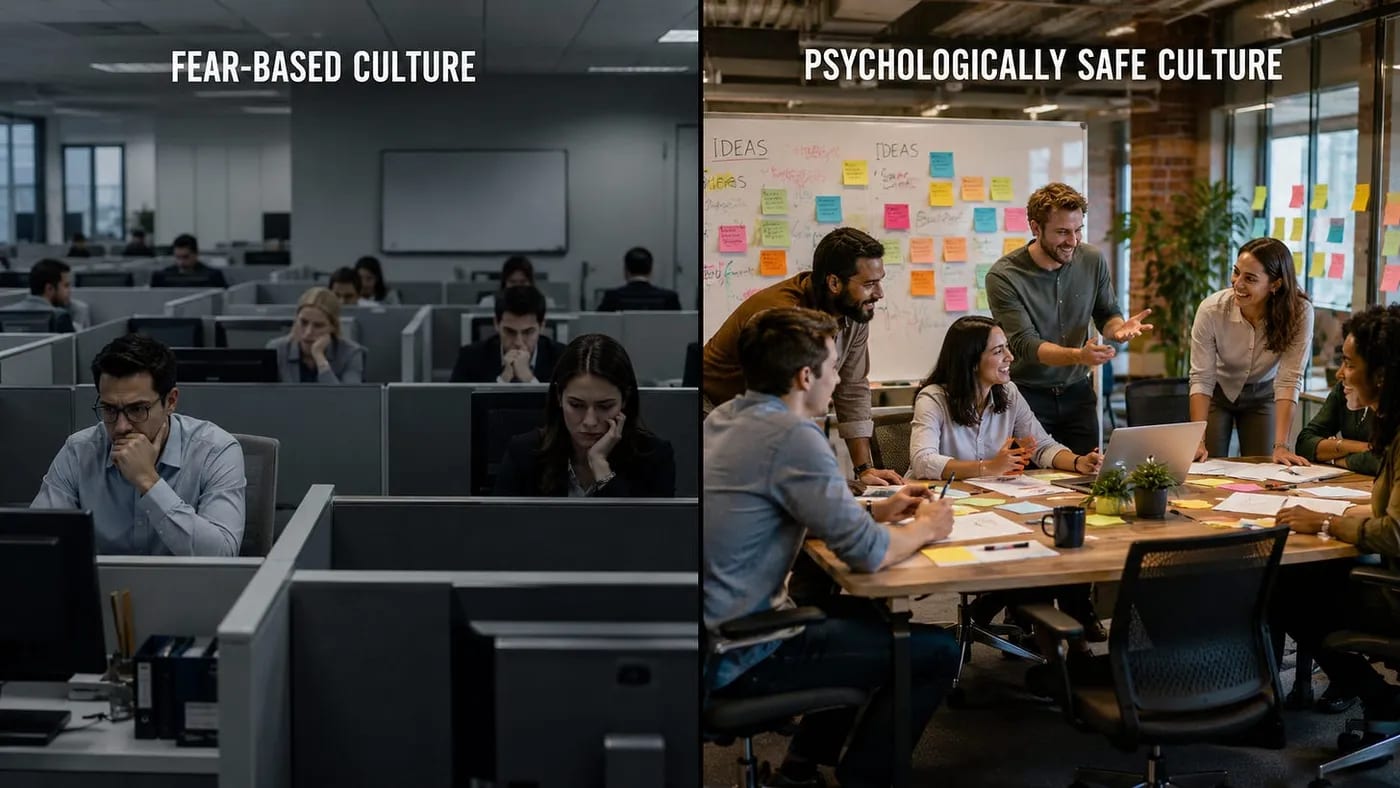
More aggressive enclosure does not produce more ideas inside the organization. It produces more ideas withheld, disguised, delayed, or independently pursued. Harvard Business Publishing’s research on psychological safety confirms the mechanism: when employees fear retribution for speaking up, valuable insights vanish, preventable errors go uncorrected, and opportunities evaporate (https://www.harvardbusiness.org/insight/why-psychological-safety-is-the-hidden-engine-behind-innovation-and-transformation/). A meta-analysis of research in this area confirms a significant positive relationship between psychological safety and innovation behavior, with particularly strong effects in knowledge-intensive teams (https://www.atlantis-press.com/article/125971563.pdf).
The inflection point cuts deeper than psychology. The World Economic Forum’s 2026 analysis of AI and talent strategies reveals that the real risk is not AI replacing workers, - it is organizational inertia preventing companies from leveraging distributed creative power (https://www.weforum.org/stories/2026/01/how-ai-will-affect-work-in-different-industries/). The companies clinging to enclosure are not protecting innovation. They are building elaborate fortifications around an increasingly empty castle while the real creative action happens in kitchens, coffee shops, and personal repositories across the globe.

Trust Is the New Infrastructure
When the power to explore is widely distributed, a company does not need to own every possible invention to benefit from it. It needs to become the most trusted destination for ideas worth scaling. That is a profound strategic shift. The old organization could depend on control because meaningful exploration usually required its resources. The AI-era organization must earn access to independently emerging innovation. SHRM’s research on workplace trust illuminates the cost of failure: employees who distrust leadership become risk-averse, withhold bad news, and, critically, hide their best ideas (https://www.shrm.org/topics-tools/news/hr-magazine/trust-matters-work).
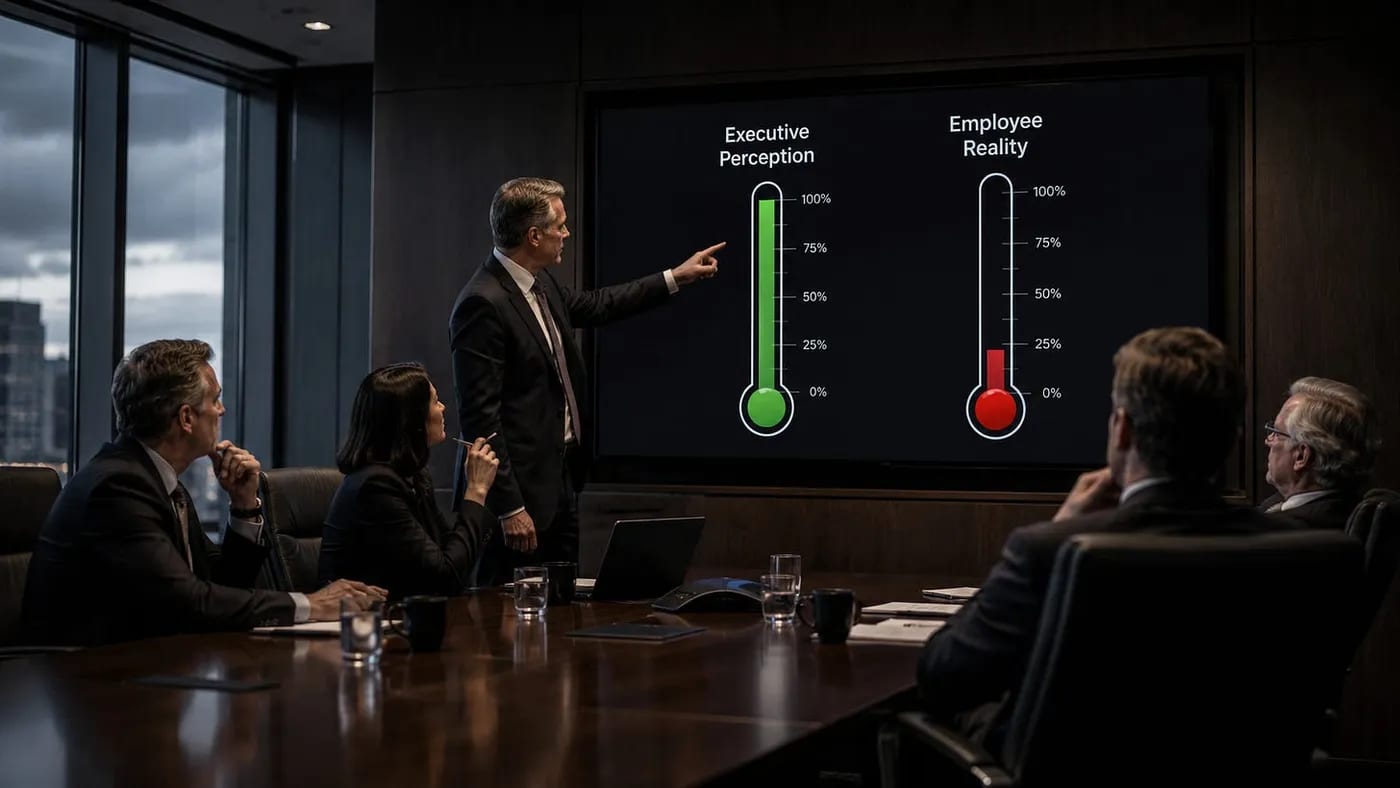
Research consistently reveals an alarming executive-employee trust gap: leaders perceive far higher levels of organizational trust than employees actually feel (https://lornawestonsmyth.com/trust-driven-workplace-culture-why-it-matters/). This disconnect is frequently C-suite driven, stemming from leadership actions such as avoiding difficult conversations, breaking promises, or communicating dishonestly when the news is bad (https://lornawestonsmyth.com/building-bridges-overcoming-trust-issues-workplace/). The gap is not abstract. It directly determines whether your most creative people share their best thinking or quietly save it for their next employer, - or their first startup.

Building trust requires leaders to model the behaviors they demand. They must invite participation, respond productively to dissent, frame work as collective learning, and demonstrate through action that every contribution is valued, - not merely the contributions that confirm existing strategy (https://www.grantthornton.global/en/insights/articles/Inclusively-leading-through-change/psychological-safety-underpinning-innovation/). A trusted company will see more ideas earlier, discover adjacent possibilities no planning cycle would have commissioned, and retain employees who believe their imagination is an asset to cultivate, not a risk to contain.

The Bridge: Contribution Without Forfeiture
The alternative to the idea trap is elegantly simple. Its governing principle is contribution without forfeiture: employees should be able to offer independently developed ideas to their employer without automatically surrendering those ideas if the employer declines to support, license, acquire, or develop them. This does not ask a company to fund every personal project or accept unbounded risk. It does not turn confidential information into personal opportunity. It asks for one decisive change: do not make the act of offering an idea more dangerous than the act of concealing it.

The operational model has three clean steps. First, Offer: the employee voluntarily presents an independently developed concept through a trusted channel, affirming it was explored without company resources or confidential information. The offer is an invitation to collaborate, not an automatic transfer of ownership. Second, Decide: the company receives a defined, reasonable window to evaluate the idea and choose from explicit paths, - build together, sponsor exploration, license, acquire, enter a shared arrangement, or decline. Third, Release: if the company declines, it returns the idea cleanly to its creator, subject only to existing protections around confidential information.

That third step, Release, is the heart of the bridge. A company cannot credibly invite innovation while preserving the power to reject an idea and quietly prohibit its future. A declined idea should not become a dead idea. An employee who offered value in good faith should not regret trusting the employer enough to show it. Release is not a concession. Release is the promise that makes offering possible in the first place. When creators see that the system operates with integrity, future creators step forward. When they see ideas disappear into a corporate black hole, rational silence prevails.

When an employee offers an independently developed idea and the company chooses to pursue it, the response must not be a reflexive claim of prior ownership. Fair dealing means negotiated terms: a license, an acquisition payment, meaningful innovation awards, participation in the initiative’s upside, funded time to lead development, visible authorship, or career advancement connected to the contribution. The point is not that every idea deserves extraordinary compensation. The point is that independently produced value offered in trust should be met with fair dealing, not appropriation. When creators are respected, future creators volunteer.
From Brain Drain to Brain Circulation: The Companies Getting It Right
The evidence that trust-based models outperform enclosure is not theoretical. Cornell’s research on intrapreneurship identifies three practices that distinguish genuinely innovative organizations: committed C-suite leadership that actively dismantles rigid hierarchies, a positive risk mindset that treats failures as learning opportunities, and cross-functional collaboration that places diverse specialists on level playing fields (https://news.cornell.edu/stories/2024/04/culture-intrapreneurship-3-practices-organizational-innovation). These are cultural commitments, not policy memos. And the results speak for themselves.
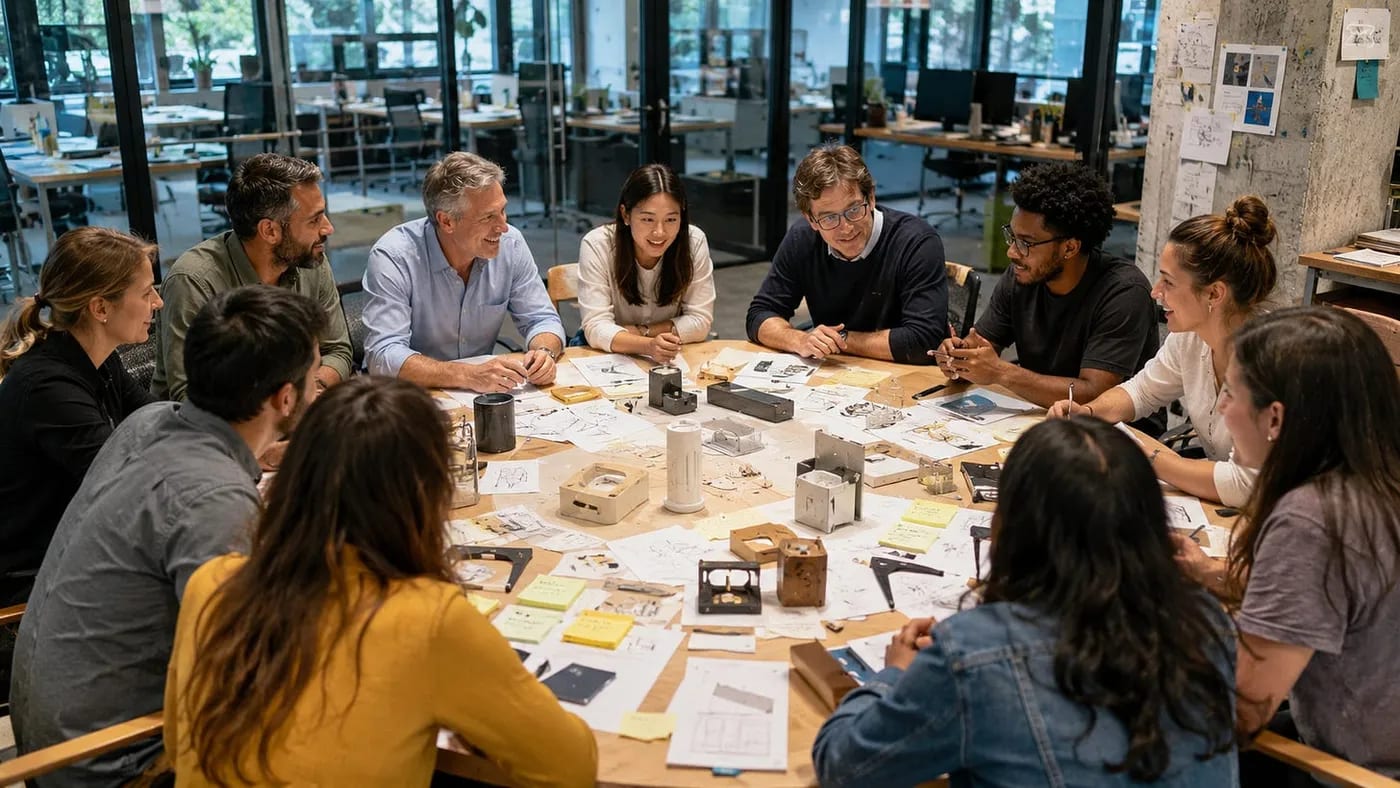
The real-world examples are instructive. Google’s 20 Percent Program gave engineers protected time for side projects and produced Gmail and AdSense. Tata’s InnoVerse platform posts business problems as open challenges for any employee to solve. Telekom’s UQBATE accelerator puts employee ideas through a tight three-month development cycle. Nestle’s InGenius program mobilizes a global workforce to rapidly prototype and incubate the best concepts (https://inspireip.com/intrapreneurship-programs-examples/). These programs succeed because they address genuine business problems, encourage rapid prototyping with real users, and integrate employee-driven innovation into broader strategic goals.
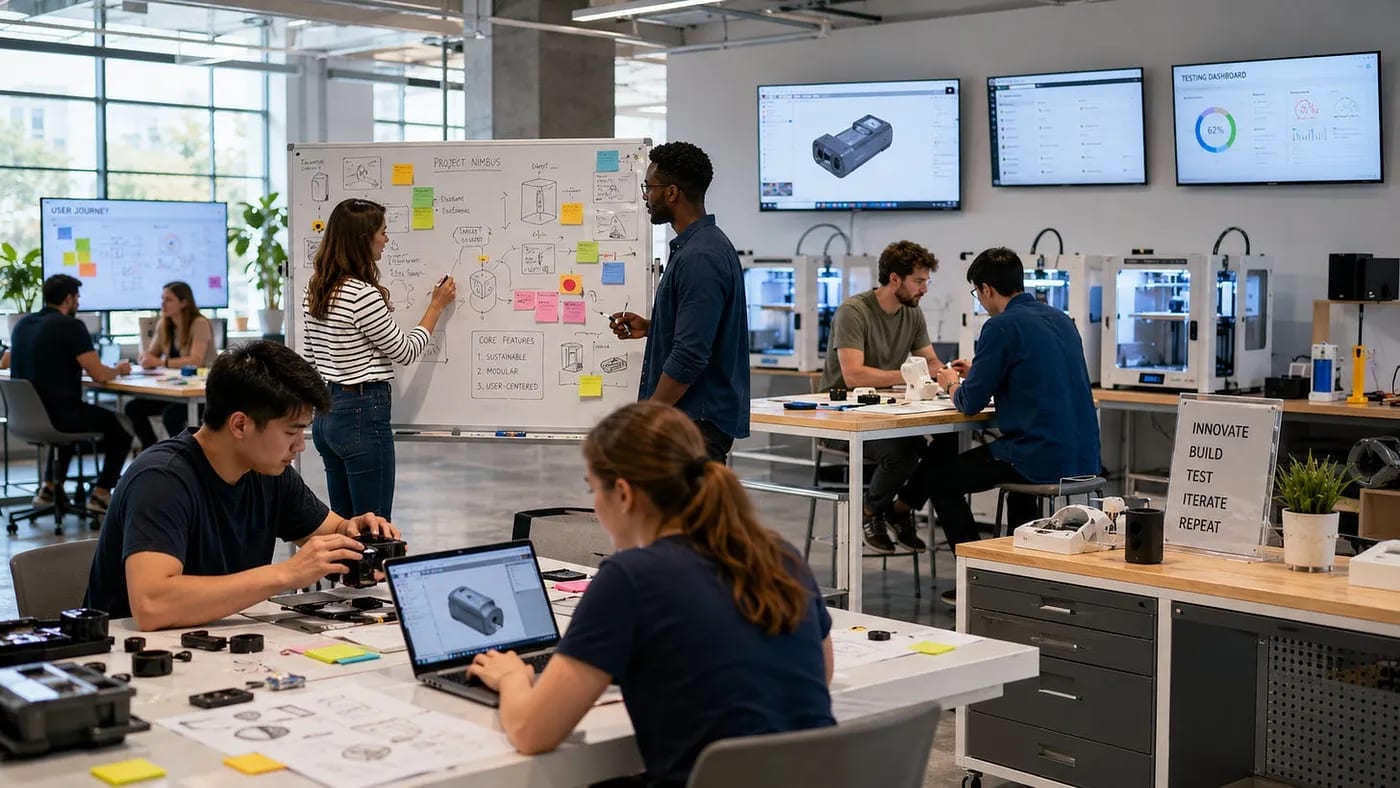
The talent mobility research offers the most compelling counter-narrative to enclosure thinking. The Economist’s analysis documents how brain circulation, - not brain retention through restriction, drives breakthrough results (https://impact.economist.com/technology-innovation/talent-innovation-old/white-paper/talent-innovation). Ugandan biochemist Abdullah Kirumira founded BioMedica Diagnostics in Canada to develop affordable HIV tests he then brought to Africa. Ashifi Gogo used skills from Dartmouth to co-found mPedigree in Ghana, combating counterfeit medicines. These innovators were not lost. They circulated. The real danger is not talent mobility, - it is failing to remain an attractive node in the innovation network.

The New Innovation Covenant
Executives face a choice more fundamental than deciding how employees may use AI. They must decide what kind of organization AI will reveal them to be. One path is defensive: expand control, broaden suspicion, treat independently developed ideas as threats, and hold tightly to the belief that creativity should flow upward only on terms preserving institutional ownership. That path produces silence. The other path recognizes that people have more creative reach than ever before, and some of them will use that reach for the mission, - if the organization offers a fair way to engage.

Companies that want to thrive in the AI era should state a new covenant plainly: We recognize that employees remain creative human beings outside assigned work. We protect the work, information, and resources genuinely belonging to the company. We also respect independently cultivated ideas. When an employee believes such an idea could benefit us, we provide a safe path to offer it. We evaluate it fairly. If we pursue it, we engage honorably with its creator. If we do not, we release it clearly. We will not make trust a trap.
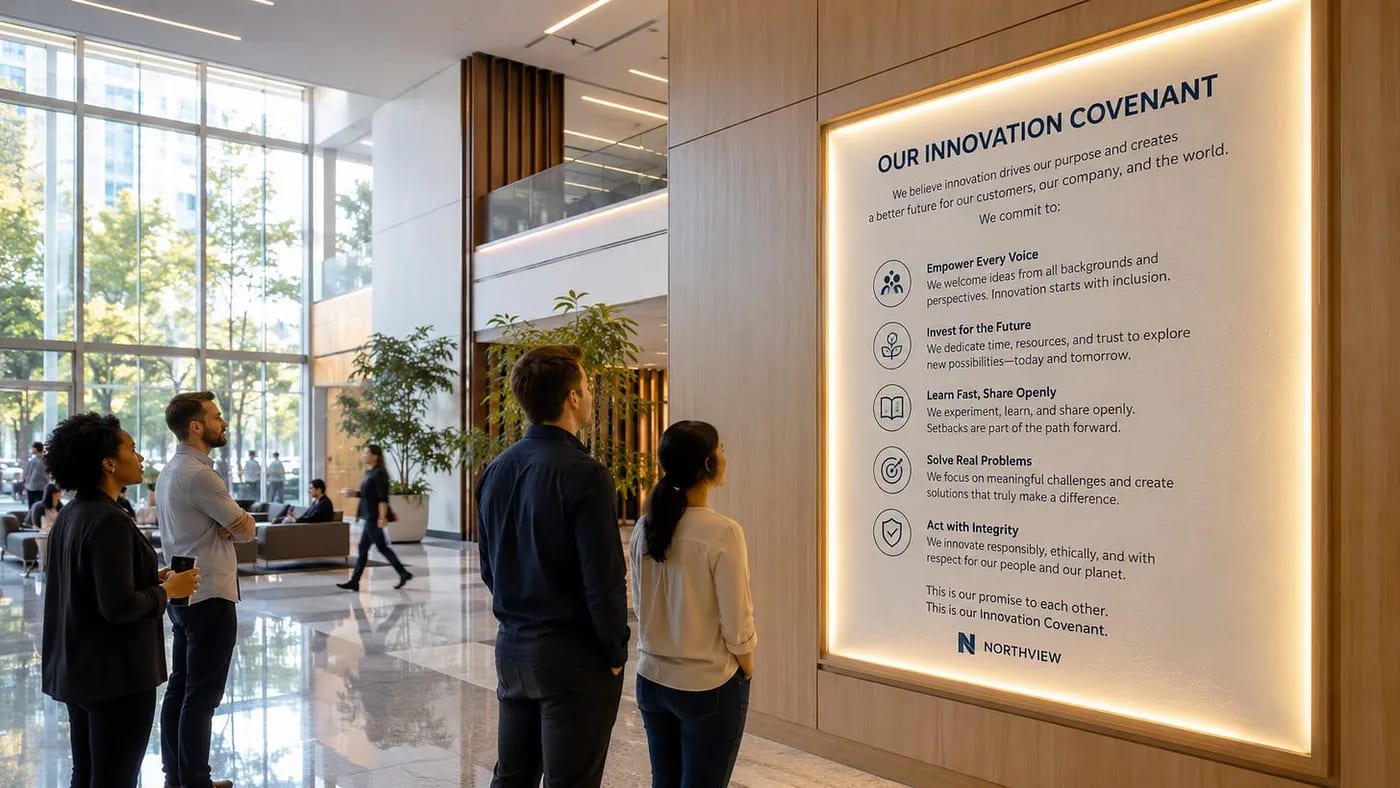
This is not anti-company rhetoric. It is what a confident company sounds like. It says the organization does not need to confiscate every possibility to succeed. It believes its capital, reach, execution capability, customer relationships, and capacity to scale are valuable enough that creators will want to partner with it, - provided the partnership is real. It also says something deeply human: employment is a relationship, not dominion. People do not stop imagining when the workday ends. The organization that honors that fact will attract and retain the people who imagine most boldly.

The central question of the AI era is not whether employees will become capable of producing valuable ideas outside official structures. They already can. The question is whether employers will make it safe for those ideas to come inside. Innovation enclosure promises protection but produces concealment. Cognitive feudalism promises ownership but produces resentment. The idea trap appears to preserve opportunity but quietly destroys the pipeline through which unexpected breakthroughs would arrive. Build the bridge. Create a safe innovation offer path. Let employees contribute without forfeiting. Give the company a fair opportunity to participate.

Offer Freely. Decide Fairly. Release Clearly.
When contribution is safe, innovation crosses the bridge. AI has not made your most creative employees more dangerous. It has made their potential more visible. The companies that respond with suspicion will build higher walls around increasingly empty innovation rooms. The companies that respond with trust will discover something more powerful than ownership: a steady flow of ideas from people who choose to bring their best thinking forward, - not because they have to, but because they want to.
Further Readings
-
How AI Is Raising the Stakes for Intellectual Capital Rights and Strategy (Steve Brachmann, April 2026) Examines how AI-enabled systems convert tacit employee knowledge into structural capital, fundamentally reshaping the balance of intellectual property rights between employers and employees.
-
The Future of Jobs: 6 Decision-Makers on AI and Talent Strategies (World Economic Forum, January 2026) Six industry leaders discuss how AI adoption reshapes talent strategies, with consensus that organizational inertia poses the greatest risk to innovation.
-
Six IP Trends That Will Shape How Companies Protect Innovation in 2026 (ClarkeModet, January 2026) Identifies the key intellectual property trends forcing companies to move beyond simple patent strategies toward comprehensive data governance and trade secret protocols.
-
New Future of Work: AI Is Driving Rapid Change, Uneven Benefits (Microsoft Research, May 2025) Comprehensive analysis of how AI transforms workers from producers into curators and critics, while warning about the erosion of entry-level skill development pathways.
-
Why Psychological Safety Is the Hidden Engine Behind Innovation and Transformation (Harvard Business Publishing, March 2025) Details how psychological safety serves as the prerequisite for innovation, with evidence that fear-based cultures produce compliance while trust-based cultures generate breakthroughs.
-
The Case for a Uniform Invention Assignment Agreement Act (Cornell Law Review, September 2025) Legal scholarship arguing for standardized reform of invention assignment agreements, documenting how holdover clauses and overbroad provisions suppress entrepreneurial innovation.
Disclaimer: This article presents the author’s personal perspectives on innovation culture, employee intellectual property dynamics, and organizational trust in the age of AI. It is intended for educational and discussion purposes only and does not constitute legal advice. Organizations and individuals should consult qualified legal counsel before interpreting, drafting, or revising invention assignment agreements, intellectual property policies, or related employment provisions. The views expressed are solely those of the author and do not represent the views, policies, or positions of the author’s employer or any affiliated organization. Sources and research cited in this article were publicly accessible when consulted in May 2026. All company names, product names, trademarks, logos, and brands referenced are the property of their respective owners and are used solely for identification, commentary, and illustrative purposes. References to specific organizations or case studies are based on publicly available information and do not imply endorsement, sponsorship, affiliation, or any other relationship.
More from enterprise ai
All enterprise ai → enterprise ai
Build AI Like You Expect the Ground to Move
Thesis for enterprise leaders: the strongest AI strategy is not choosing local, cloud, or on-prem in isolation. It is building once with enough discipline to optimize locally, scale economically in the cloud, and increasingly ground…
 enterprise ai
Closing the AI Velocity Gap: Your AI is ready, but your org chart is still loading.
Many are asking the same question: How are companies like Anthropic, OpenAI, and many others are shipping major updates weekly while the rest of us take months to push a minor feature?
 enterprise ai
The Fastest AI Rollouts Are Usually the Most Human
There is a particular kind of executive meeting now happening in perfectly serious companies everywhere. Someone shows a dazzling AI demo. The room nods. A few people look delighted in the way people do when they’ve just seen a magic trick…