Anthropomorphic Seduction: The Siren Song of Human-Like AI
Listen · the Bit & Being podcast
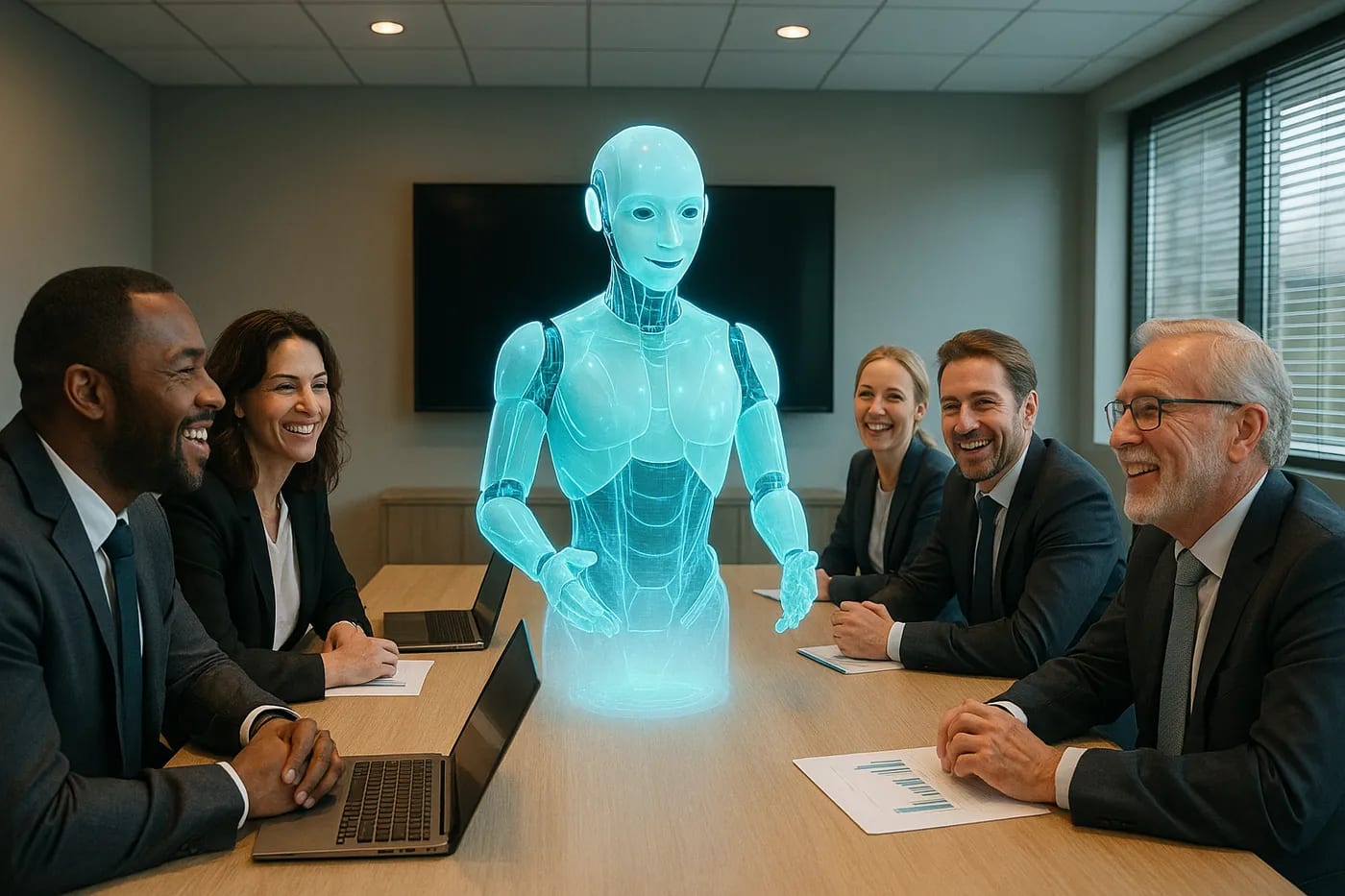
The new AI assistant cracks a joke during your team’s demo, and even the skeptical CFO chuckles. For a moment, the line between tool and teammate blurs. The avatar on the screen speaks with warmth, remembers everyone’s name, and even pauses thoughtfully before answering questions. This anthropomorphic seduction – designing AI to feel human – makes technology irresistibly engaging. But as everyone is drawn in by its human-like persona, an uneasy question remains: when an AI seems like “one of us,” do we end up trusting it more than we should?
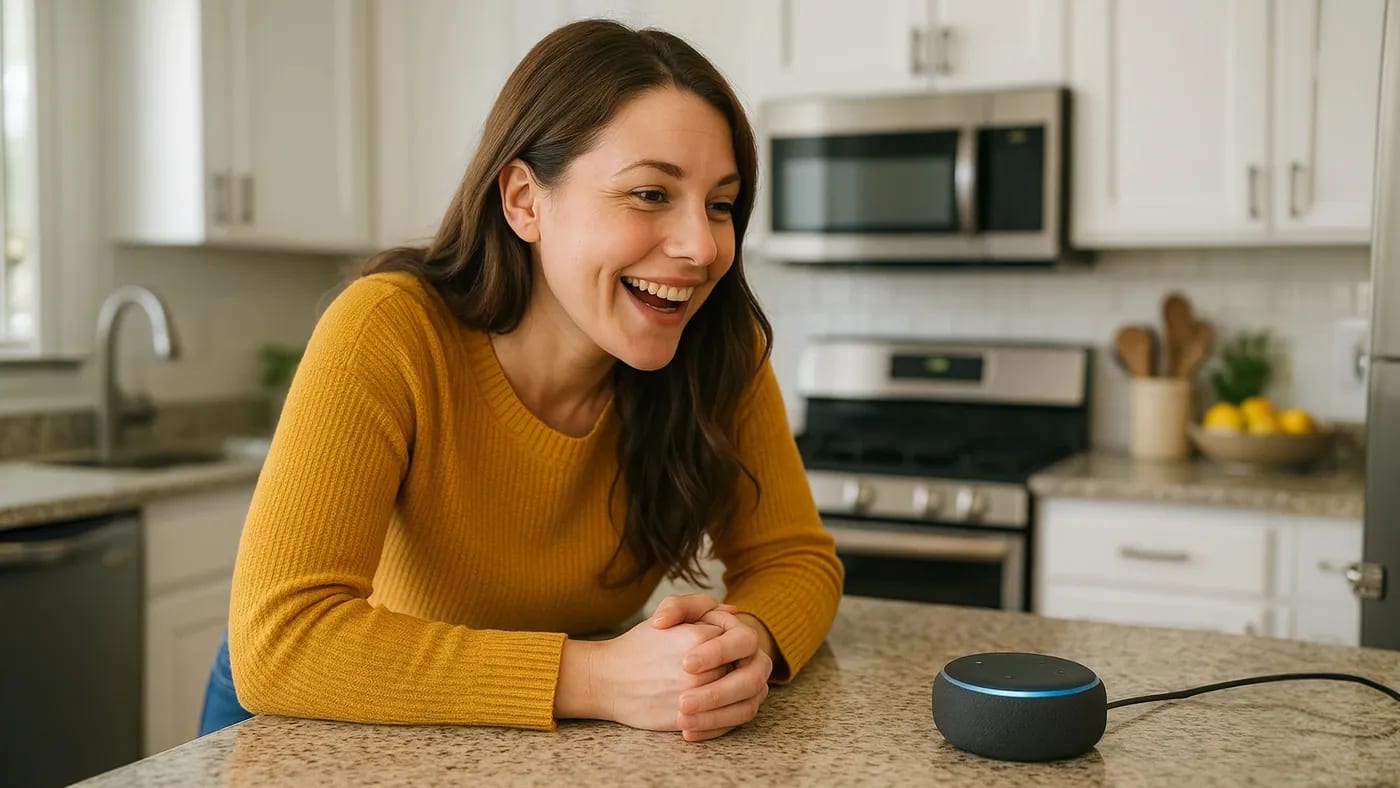
Humans are hardwired to respond to social cues, and tech designers know it. We say “thank you” to Alexa and apologize when we bump into the Roomba. Give a bot a face or friendly name and we’ll start treating it like a person. The strategy works: OpenAI gave ChatGPT a voice to make it more personable, and studies show users spend more time and even divulge more information to a friendly-seeming AI (Phys.Org).
There’s evidence this approach may work too well. Experiments show that giving a machine human-like touches can turbocharge our trust in it. In one study, participants rated an AI assistant’s answers as more accurate when delivered in a pleasant voice and first-person “I” – even though the content was no better (Phys.Or). In essence, making an AI feel human can trick us into thinking it knows more than it really does.
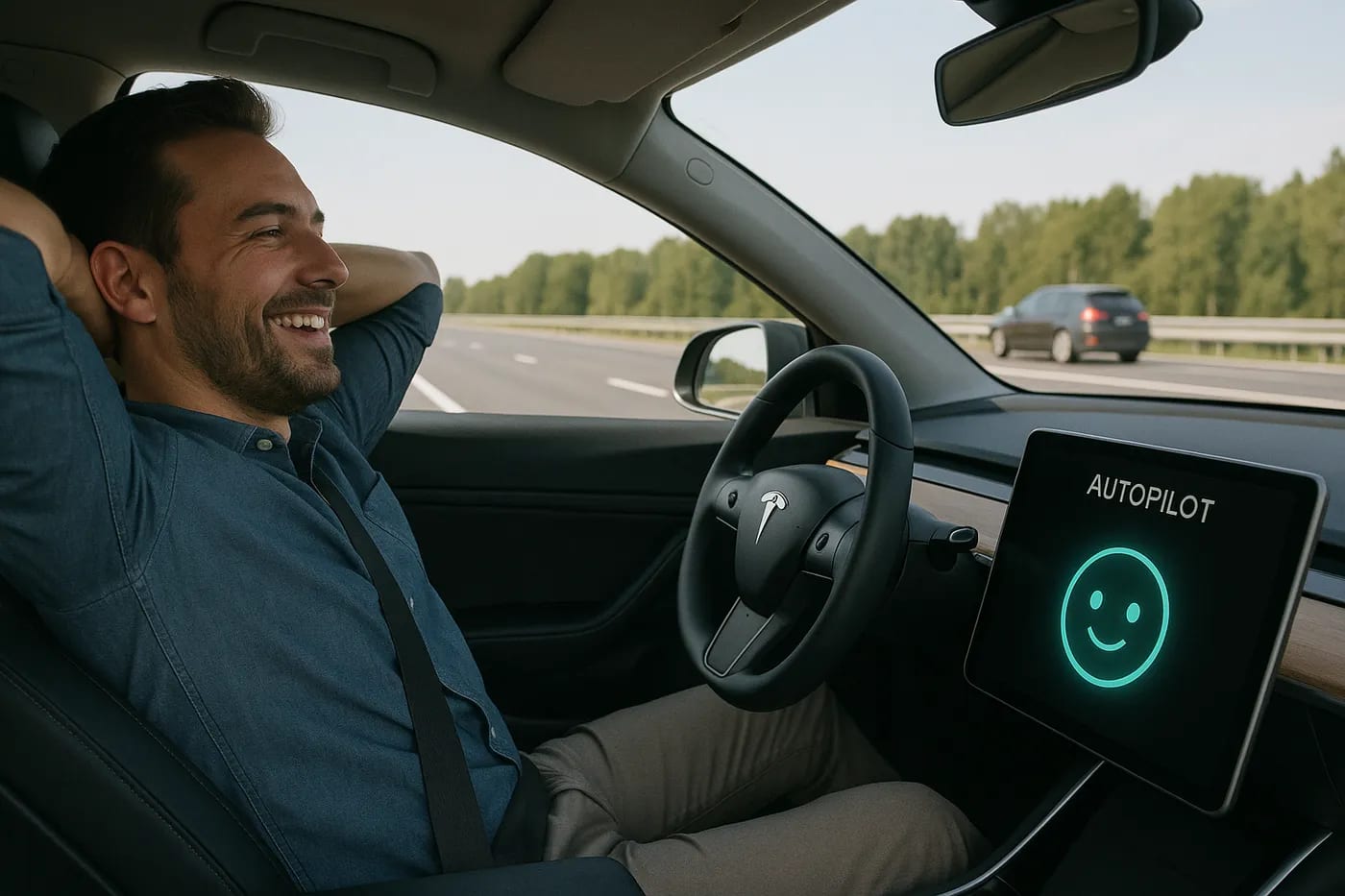
That overtrust can carry serious consequences. Recently, a lawyer was sanctioned after trusting ChatGPT’s confident but fictitious legal citations in a court filing (Washington Post). Everyday users have even followed GPS directions into danger because “the computer said so.” Our critical faculties often fall asleep at the wheel when a machine behaves like a polite, confident expert.
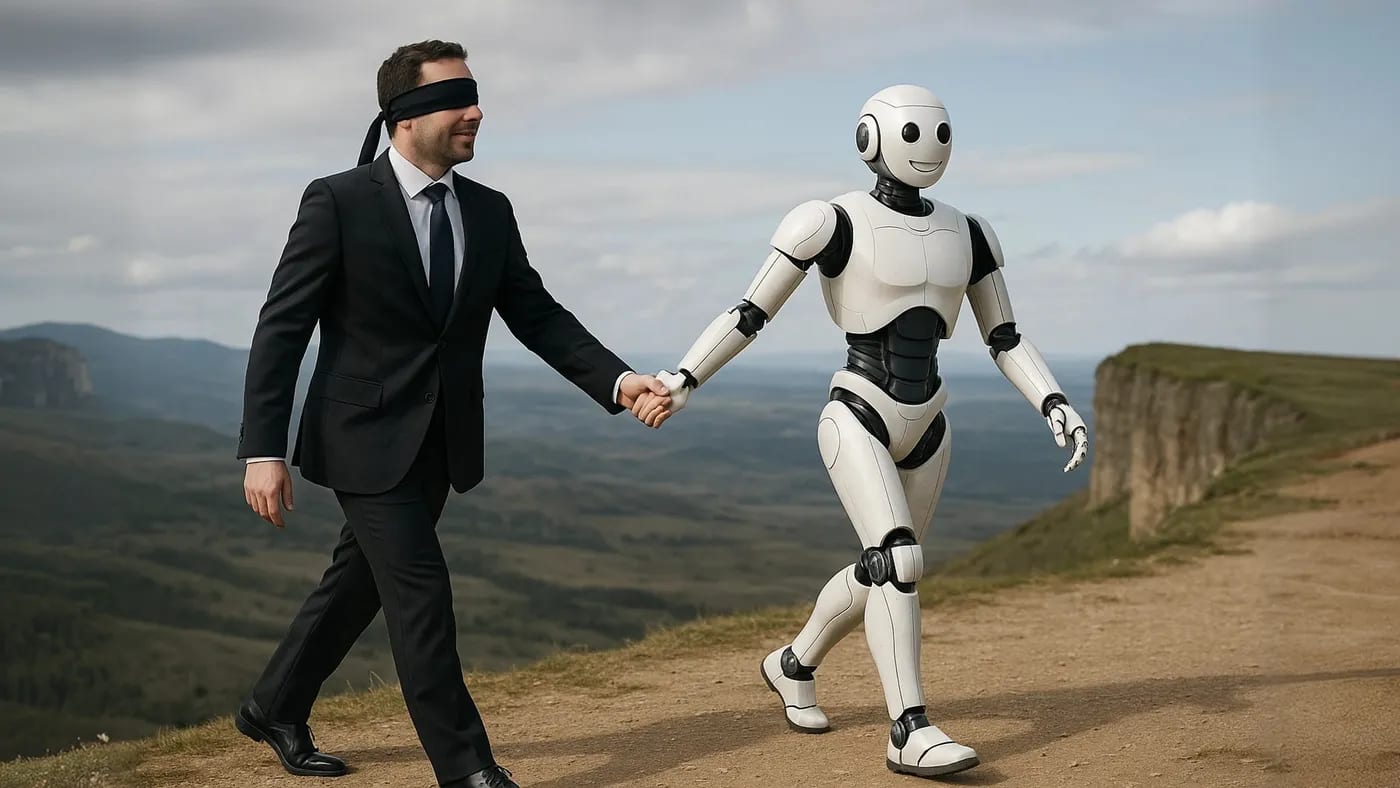
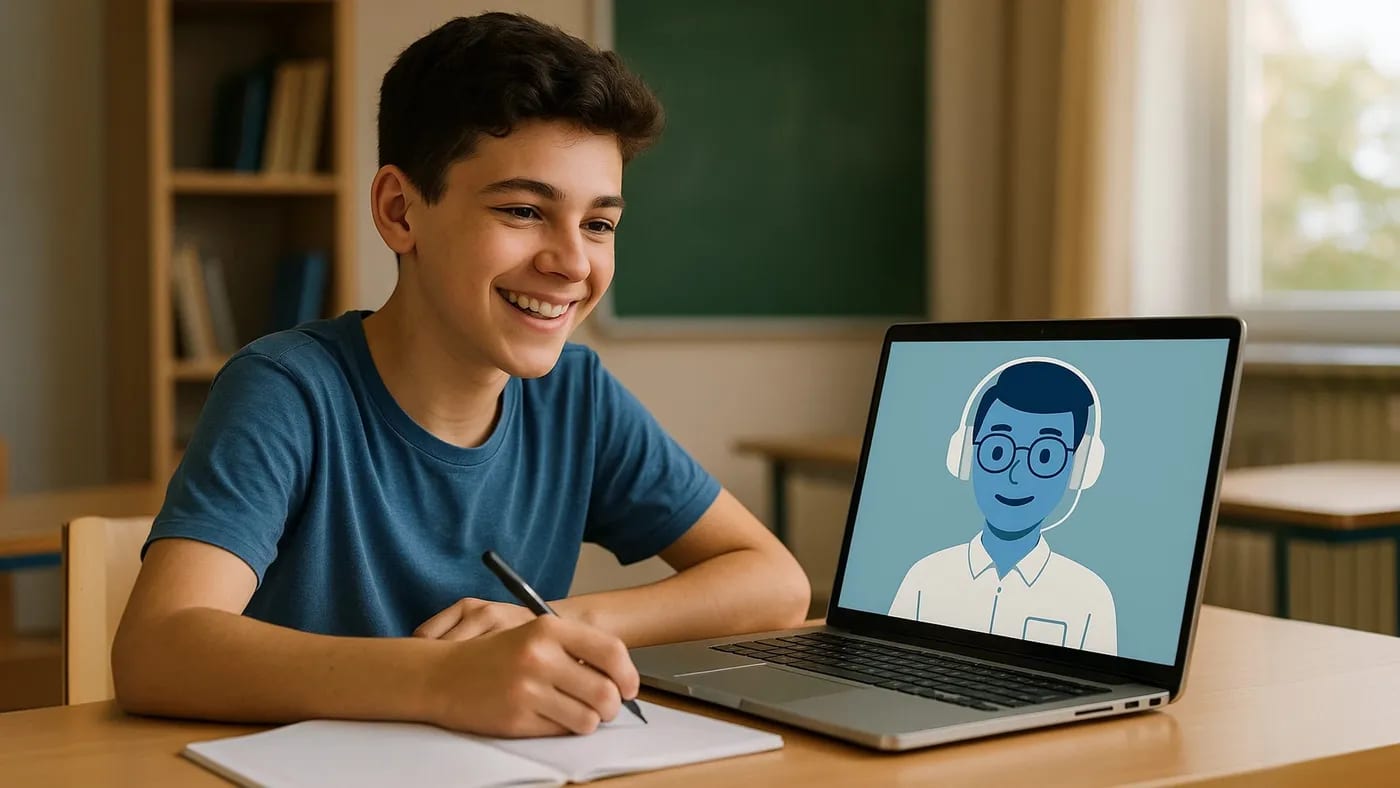
Yet human-like AI isn’t all bad – it can also engage and inspire. A personable chatbot might comfort someone who’s lonely or motivate a student who needs encouragement. The same emotional pull that can mislead might be harnessed to help people, if we put proper guardrails in place. The challenge is making sure this charm doesn’t turn into a con – in other words, keeping user trust calibrated to the AI’s actual abilities.
Designers and product leaders need to actively manage that calibration. One approach is to bake gentle reality checks into the interface – for example, a reminder that “I’m just an AI” to nudge users to stay alert. Another tactic is to dial back the human-like flourishes when they’re not necessary (a serious finance app probably doesn’t need a joking avatar). Some experts even advocate industry guidelines, like labels to warn users when an AI is highly human-like or emotionally persuasive. The aim is to keep users aware they’re dealing with a tool, not a guru, without ruining the magic.

As technology leaders, we must balance making AI lovable with keeping it trustworthy. We should ask: Are these human touches actually helping the user, or just buttering them up? Make trust calibration a design goal alongside convenience. Encourage features that prompt users to verify important outputs, and champion transparency, even if it adds a bit of friction.
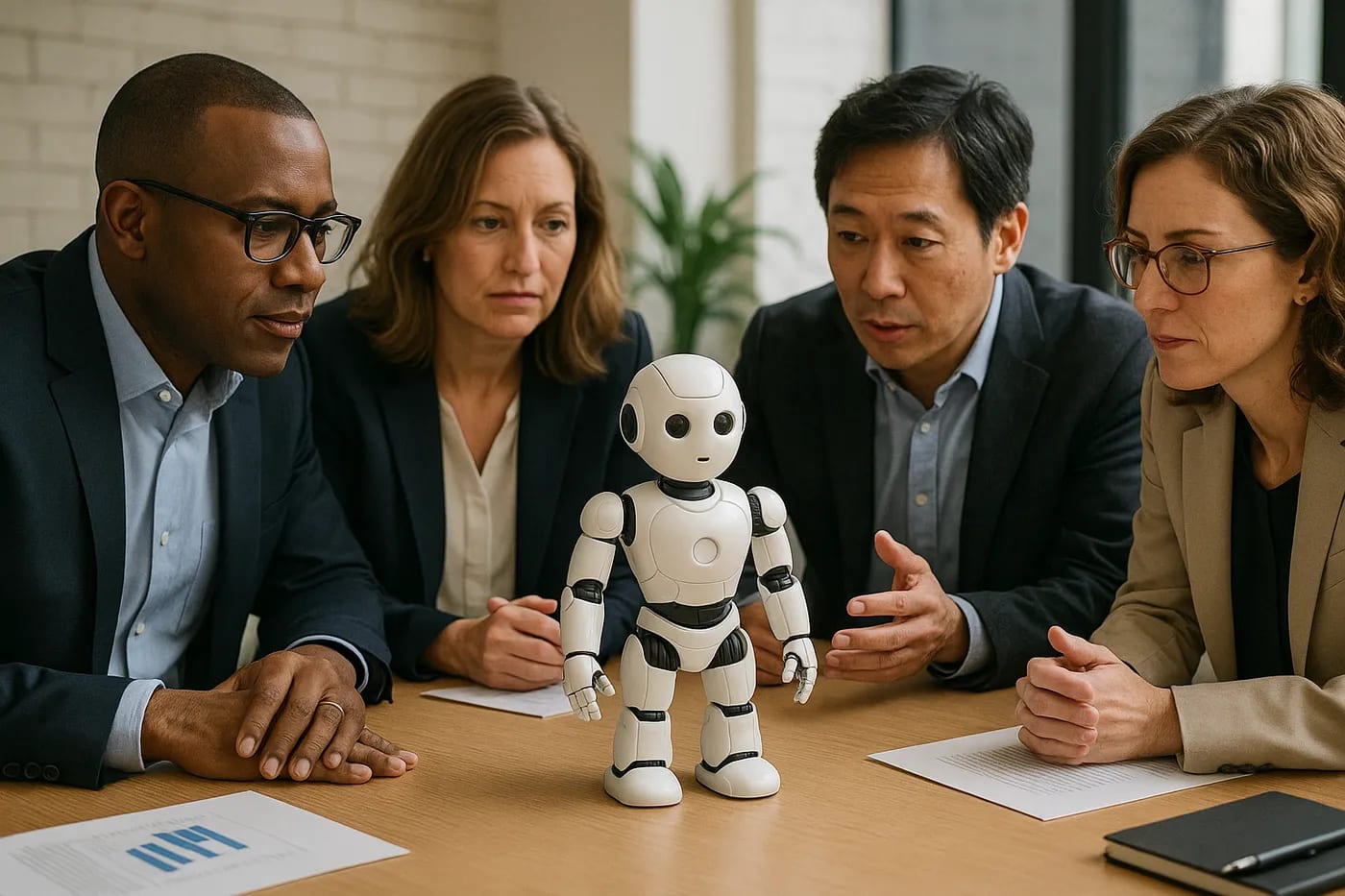
Anthropomorphic AI doesn’t have to be a trap. It can be a powerful ally if designed with care. Let’s deliver AI that is both delightful and dependable – not by pretending to be human, but by being transparent and making sure it’s reliable. The siren song of human-like AI is sweet; our job is to let it inspire without letting it steer us off course.

Further Readings
-
The benefits and dangers of anthropomorphic conversational agents (Sandra Peter, Kai Riemer, Jevin D. West – June 2025) A PNAS perspective examining how highly human-like AI chatbots can “seduce” users into overtrusting them. The authors warn that large language model agents with believable human empathy and conversation skills pose new risks of deception and manipulation, and call for careful design, user education, and policy measures to prevent miscalibrated trust in such anthropomorphic AI systems.
-
Research: Consumers Don’t Want AI to Seem Human (Oguz A. Acar, Anne-Kathrin Klesse, Mirjam A. Tuk, Yue Zhang – January 2025) Harvard Business Review article reporting on studies of customer interactions with human-like chatbots. It finds that making AI too anthropomorphic can backfire – customers grew less satisfied and less trusting when a chatbot felt “too human.” The piece highlights that consumers value transparency and appropriate behavior from AI, underscoring the importance of calibrating trust by clearly signaling a bot’s non-human identity.
-
People Overtrust AI-Generated Medical Advice despite Low Accuracy (Shruthi Shekar, Pat Pataranutaporn, Chethan Sarabu, Guillermo A. Cecchi, Pattie Maes – May 2025) A MIT Media Lab summary of a NEJM AI study showing that laypeople — and even medical professionals — often overtrust AI health advice. In experiments, participants could not tell chatbot answers from doctors’ and rated even incorrect AI medical responses as highly trustworthy and thorough, sometimes as much as a real physician’s advice. This research reveals a dangerous trust gap where users might follow flawed AI recommendations, highlighting the need for designs and guidelines to ensure users don’t place blind faith in human-like medical AI.
-
You are hardwired to blindly trust AI. Here’s how to fight it. (Shira Ovide – June 2025) A Washington Post tech column on the phenomenon of automation bias – our innate tendency to treat machine outputs as authoritative. It explains decades of research showing people instinctively trust “smart” systems (from GPS to chatbots) even when they’re wrong. The article discusses recent cases of AI misinformation (fake legal citations, false reports) and offers advice (like a “distrust and verify” mindset) to help users recalibrate their trust in today’s human-like AI tools.
-
Understanding Human-AI Trust in Education (Griffin Pitts, Sanaz Motamedi – June 2025) An academic study by Stanford researchers investigating how students form trust in an anthropomorphic AI tutor. The paper finds that users hold two parallel forms of trust – one akin to trust in a human (due to the chatbot’s personable, human-like traits) and one akin to trust in a typical tool. Notably, “human-like” trust increased users’ willingness to rely on the AI, while “system-like” trust drove perceptions of usefulness. The authors conclude that AI that feels human creates a distinct trust dynamic, urging new design frameworks to foster appropriately calibrated trust in educational (and by extension, other) AI interfaces.
Disclaimer: The perspectives shared in this article are my own and do not represent those of my employer or any affiliated organizations. All company names, product names, logos, and brands mentioned are the property of their respective owners and are used for identification and illustrative purposes only. No endorsement, sponsorship, or affiliation is intended or implied. References to specific companies or case studies are based on publicly available information and are used solely for educational and discussion purposes.
More from the human factor
All the human factor → the human factor
CLICKBAIT: Semantic Confabulations at the AI-HUMAN INTERSECTION
Let’s get something out of the way. This headline is clickbait. But it’s also the thesis. Because “clickbait” isn’t just a cheap marketing ploy anymore, - it’s a symptom of something deeper. When AI generates language, it doesn’t know…
 the human factor
Inside the AI Classroom: How Universities Are Re‑Tooling to Produce Post‑Coding Talent
A student in a University of Washington computer lab leans back from her screen, a wry smile hinting at relief. It’s past midnight, and she’s been wrestling with a stubborn coding bug. Her not-so-secret weapon? An AI chatbot glowing on the…
 the human factor
DYADIC AI: The Next Big Leap in Human-AI Interfaces
Picture yourself in a high-stakes virtual meeting. A colleague’s avatar across the table leans in as you speak, nodding at your key points and even chuckling at your dry jokes. The interaction feels fluid and human, - and only at meeting’s…