PDL is to Prompts as Git was to Code
🔊 Listen to the Podcast version here. 🔊
Imagine running your company by whispering instructions into a black box, then crossing your fingers. That’s essentially how many teams handle AI today, - blind prompt guesses and hope for the best. One day a prompt produces gold. The next, gibberish. For enterprise leaders, this unpredictability isn’t just frustrating, - it’s untenable. You wouldn’t build a bridge without blueprints. Why build AI solutions on unwritten rules and trial-and-error and without transparency? As I mentioned in an early article, our language for machines is often “too messy” for clarity, - or control, Clearer AI, Clearer Minds: Is Our Language Too Messy for Machines? This article continues that thread, exploring how Prompt Declaration Language (PDL) shifts AI from guesswork to governance, - transforming how we build, scale, and trust intelligent systems all while decluttering and organizing our language.

Today’s prompt engineering feels more like an art than science, especially in enterprise settings. Minor wording tweaks can cause major swings in output quality, and what works beautifully on one dataset fails miserably on another. As IBM researchers recently noted, many current frameworks either hide their complexity behind restrictive APIs or lock developers into inflexible canned patterns that resist customization, - a nightmare when you need the AI to follow your business rules (research.ibm.com). For companies juggling dozens of AI workflows, this “messy, unpredictable, and inefficient” process is more than a headache. It’s a scalability crisis. In fact, the reproducibility crisis in AI is growing. Small, undocumented prompt changes lead to dramatically different outcomes, making it hard to trust or reproduce results (Seemabanu). When every prompt is a fragile secret sauce, how do you onboard new team members, comply with audits, or improve your system over time? The status quo leaves enterprises flying blind, with brittle prompt “code” that shatters under pressure.
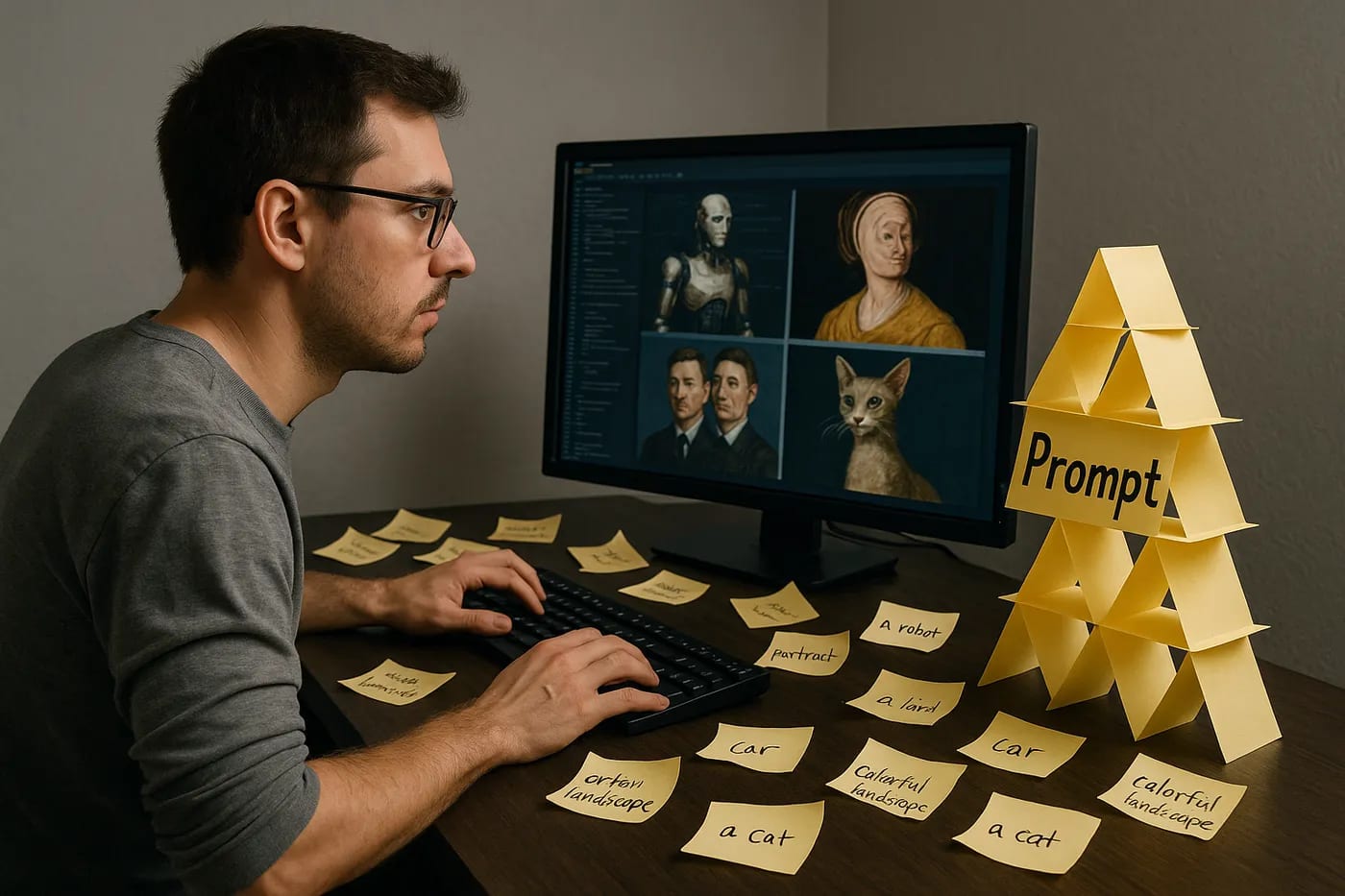
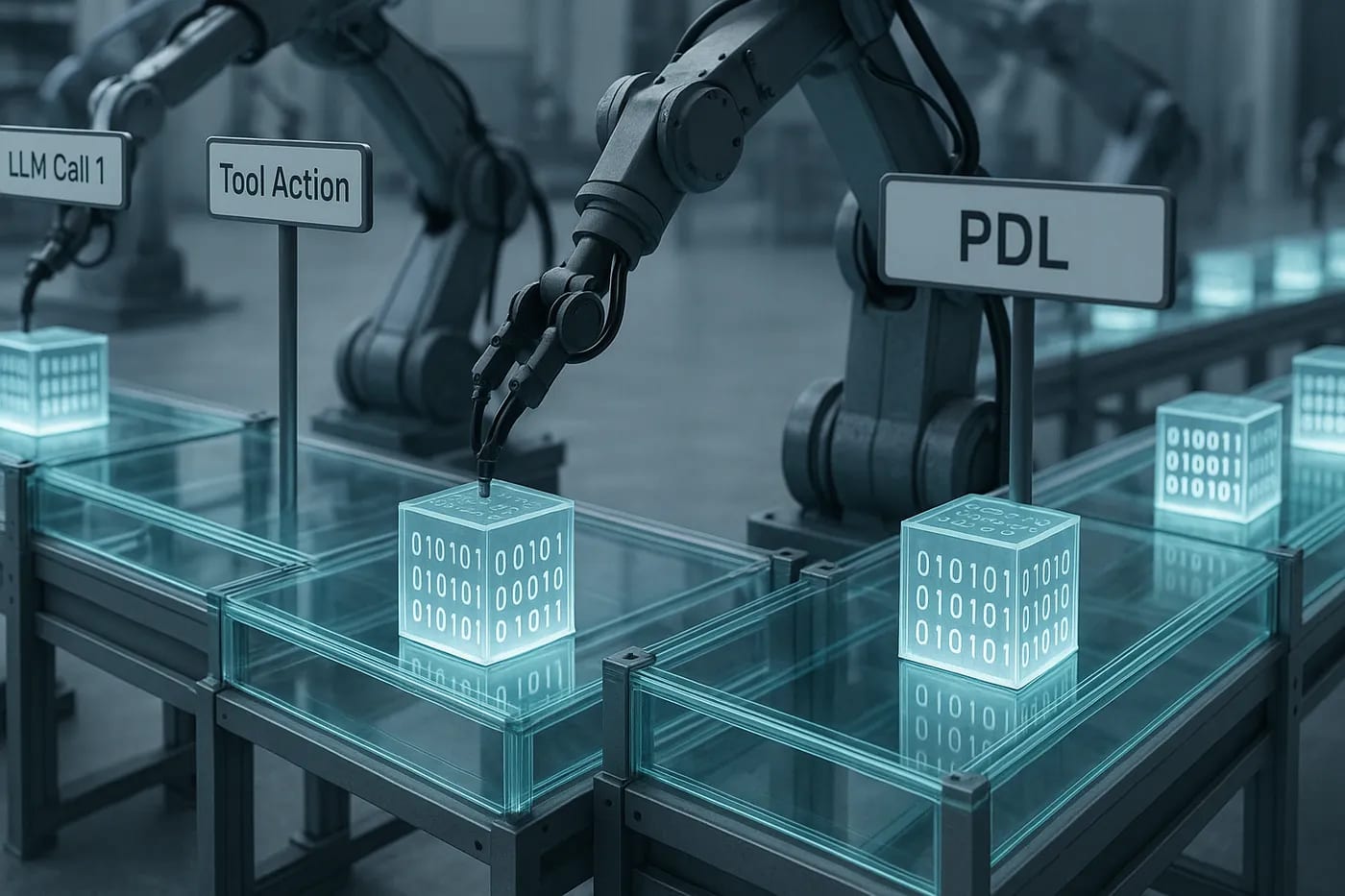
This opportunity calls for a fundamental shift. And that shift has arrived with Prompt Declaration Language (PDL). And thus PDL, a game-changing approach that promises to turn our mysterious prompt hacks into transparent, dependable infrastructure. Developed by IBM and open-sourced, PDL is a declarative language for designing prompts and AI workflows in plain YAML (human-readable data format). In contrast to ad-hoc prompt scripts buried in code, PDL brings prompts to the forefront. Think of it as writing a clear recipe for your AI, instead of muttering a wish to a genie. With PDL, you explicitly declare each step of an AI interaction, - no hidden magic, just a well-defined set of instructions or some are calling it, a blueprint. It abstracts away the messy plumbing of calling models and tools, letting you focus on what you want the AI to do, not how to contort a prompt to maybe get there (ibm.com). By putting structure around prompts, PDL effectively turns opaque boxes into glass boxes. Anyone on the team can open the PDL file and see the logic of an AI workflow laid out, like a wiring diagram. The difference is night and day, - where we once had opaque prompt strings, we now have transparent, versioned instructions.
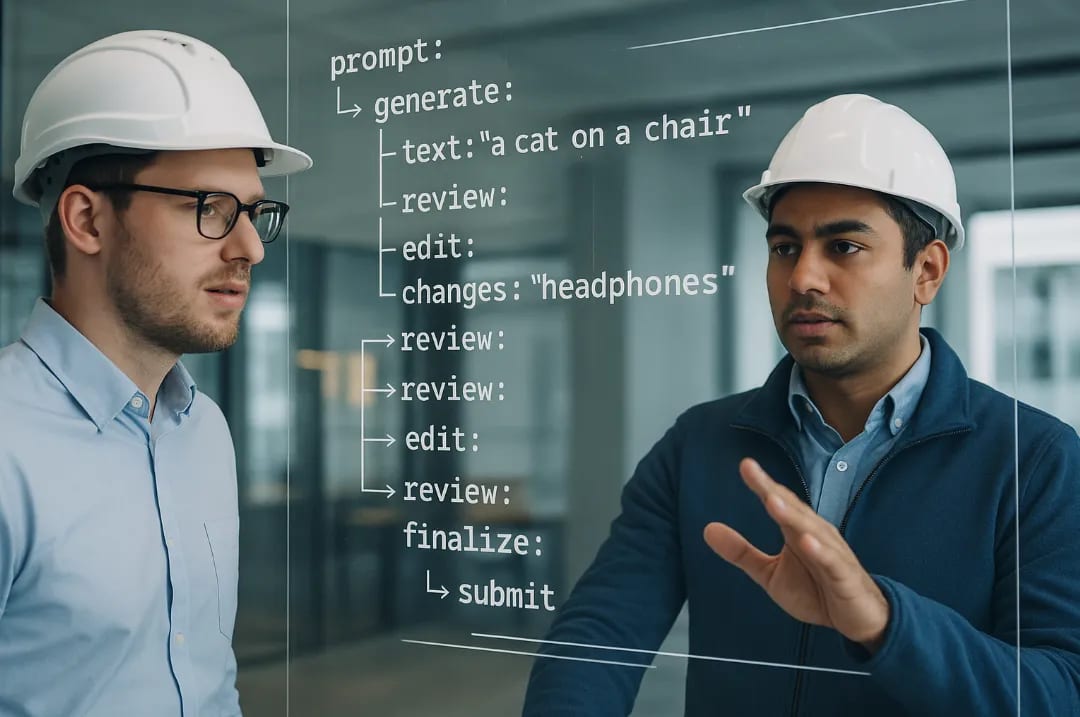
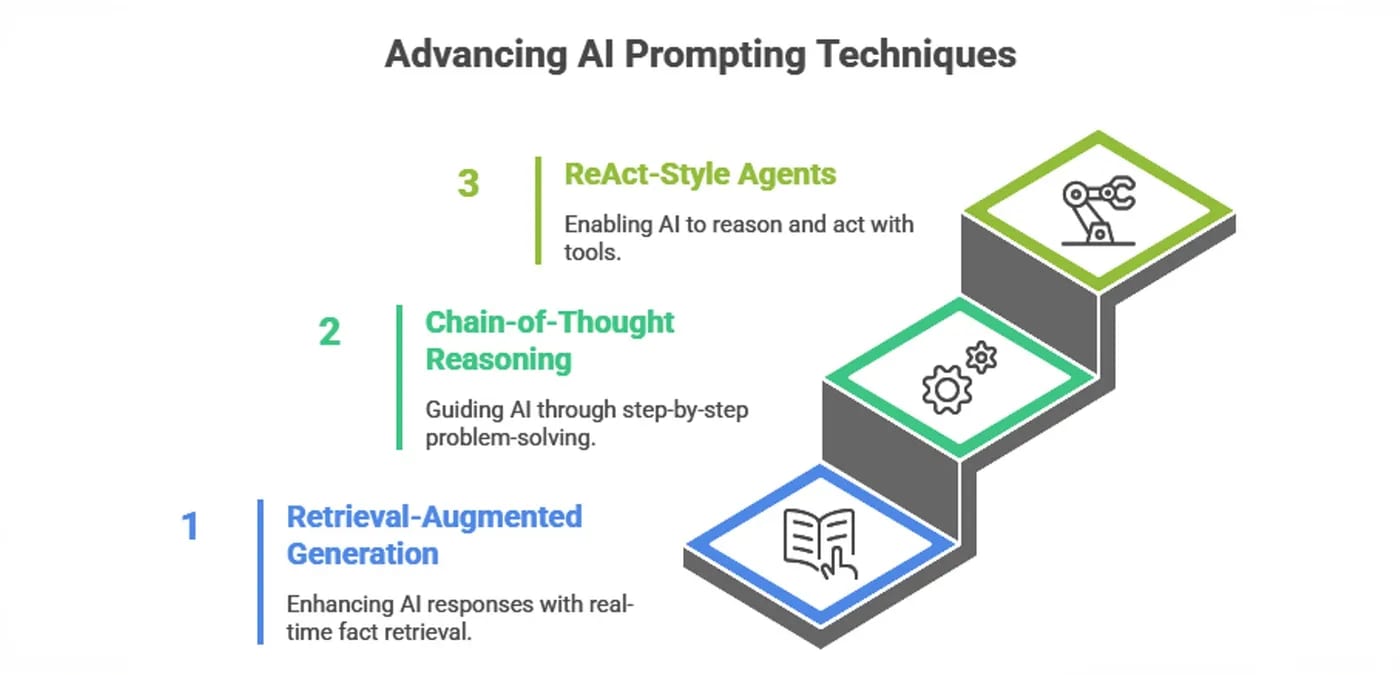
So what can you actually do with PDL? In short, make AI workflows as robust as any traditional software. PDL lets you chain multiple model calls, integrate external tools or data, and enforce rules, - all in one coherent prompt program (ibm.com). Need your AI to fetch a database record mid-conversation? Call an API via PDL. Want to ensure outputs follow a format? PDL supports type checking of model inputs and outputs. This isn’t theoretical! PDL has already been used to implement advanced prompting techniques like retrieval-augmented generation, chain-of-thought reasoning, and ReAct-style agents.
In one case, IBM engineers even built a software engineering helper agent that uses PDL to read code, reason about it, and write solutions. The key is that every step the agent takes, - from retrieving documents to calling an AI model, is declared in the open. No more brittle, hidden prompts! PDL turns them into maintainable modules. If a step isn’t working, you can pinpoint it and fix it, just like debugging a normal program. It’s AI development with the lights on.
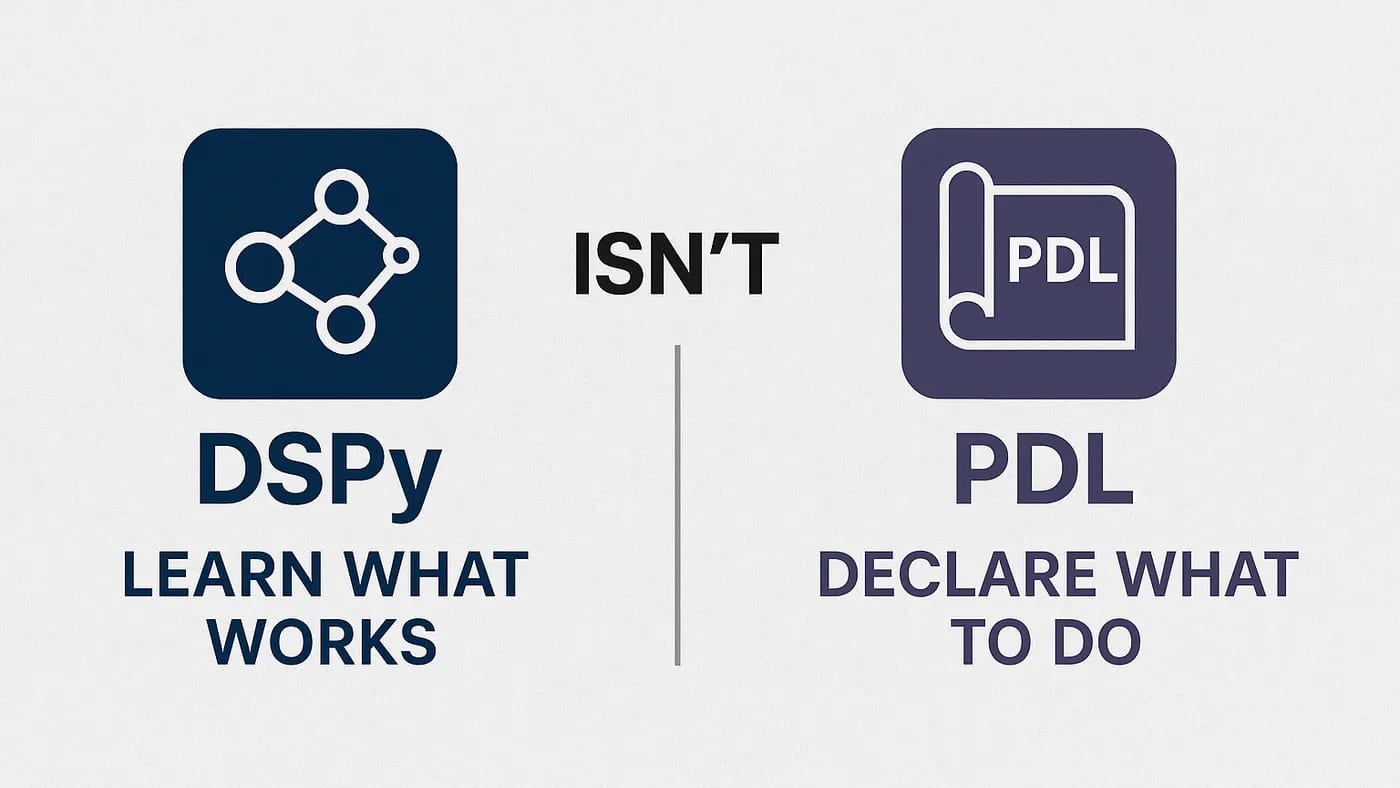
In case you are wondering, “But doesn’t DSPy already solve these issues?”, , - and that’s by design. Where DSPy automates the art of prompting by learning what works through trial and error, PDL takes the opposite stance. It “declares” exactly what the AI should do, step by step, in human-readable YAML. DSPy is great for squeezing performance from messy problems; PDL is built for clarity, governance, and control. One is an optimizer. The other is an infrastructure layer. If DSPy is the AI prompt whisperer, PDL is the blueprint pinned to the wall, - versioned, auditable, and built to scale.
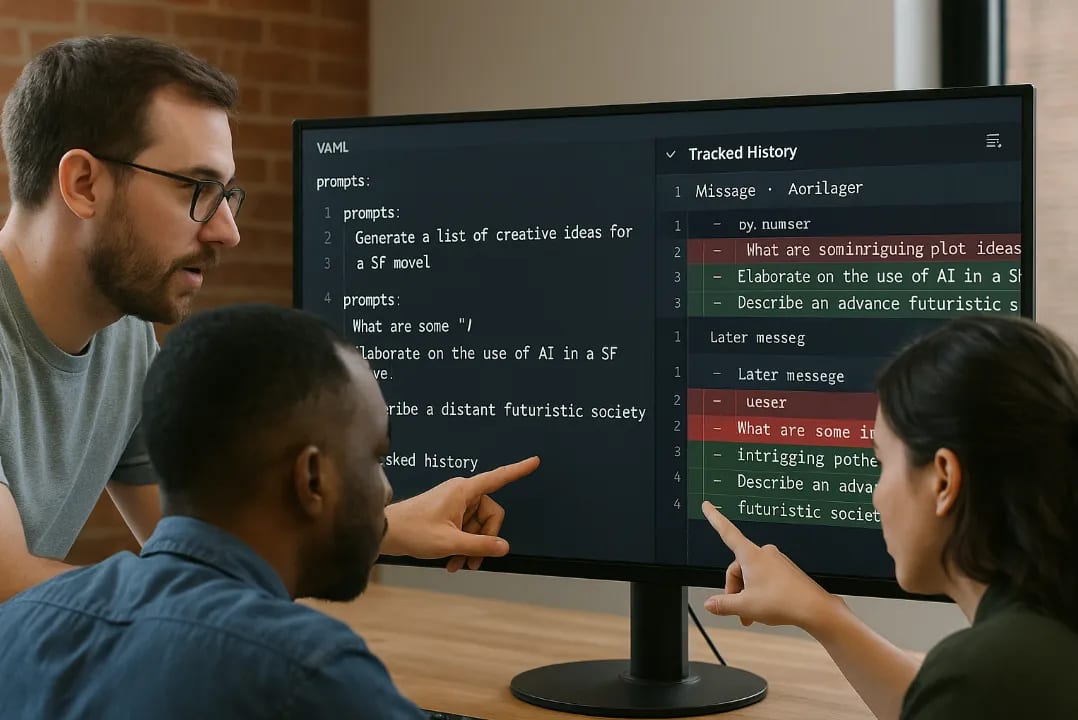
One of the most powerful implications of PDL’s approach is prompt version control. Because a PDL prompt is written in a structured text file, you can track changes to it just like software code. Teams can finally compare prompt A vs prompt B, see what changed, and roll back if needed, - no more guesswork with who tweaked which words when. As a recent overview noted, an entire AI prompt pipeline can live in one YAML document, making it easy to version, share, and iterate on. This means prompt engineering moves out of individual brains and into collaborative development. Imagine being able to do A/B testing on prompts, or having audit trails for how a compliance checklist prompt evolved over time, - PDL enables that discipline. In the same way DevOps brought rigorous change tracking to infrastructure, PDL brings it to AI logic. One AI engineer compared this shift to moving from assembly language to high-level programming. Why wrestle with cryptic, fragile prompt strings when you can have maintainable, testable prompt code (Rick Hightower)? In PDL, “prompt engineering” stops being dark magic and becomes just another part of the codebase, - one that any developer (or non-developer) can read, version, and improve.
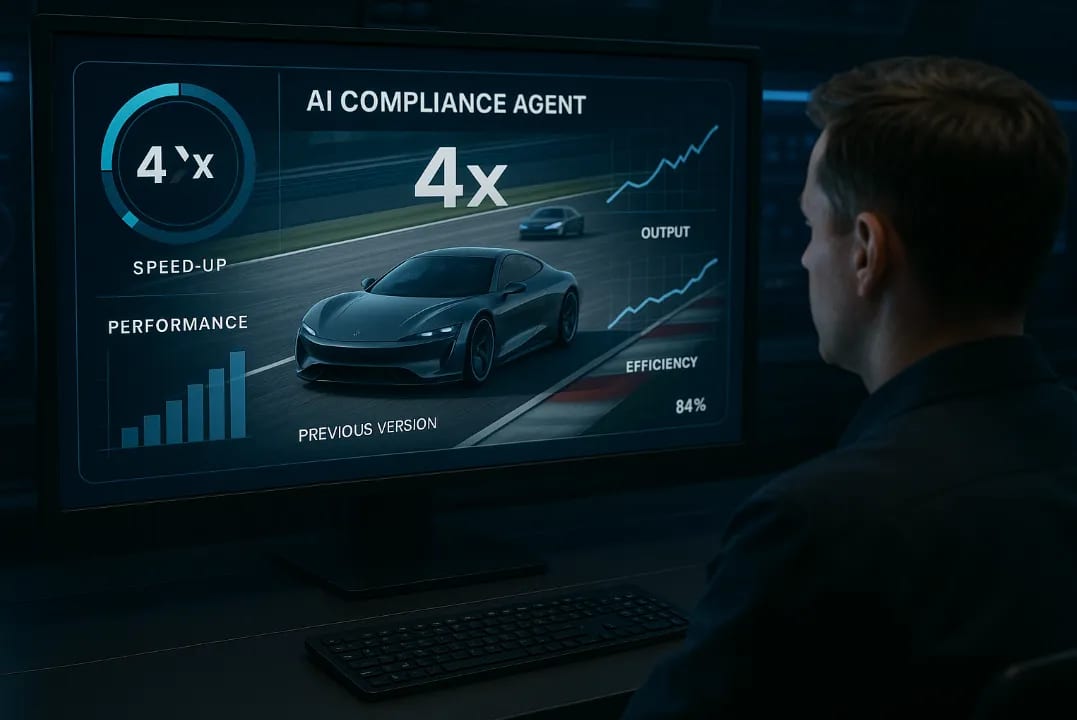
The benefits aren’t only in maintainability. They also show up in performance and reliability. When prompts are declared transparently, they can be optimized systematically. A striking example comes from an enterprise compliance agent case study. By using PDL to fine-tune the agent’s prompting pattern, IBM reported up to a 4× improvement in the agent’s performance compared to the original black-box prompt (ibm.com). In other words, the very act of making the prompt logic explicit and tunable unlocked huge gains, - gains that were impossible when the prompt was just a hardcoded string. Furthermore, because PDL describes what the AI is doing in a formal way, it opens the door to automated prompt optimization.
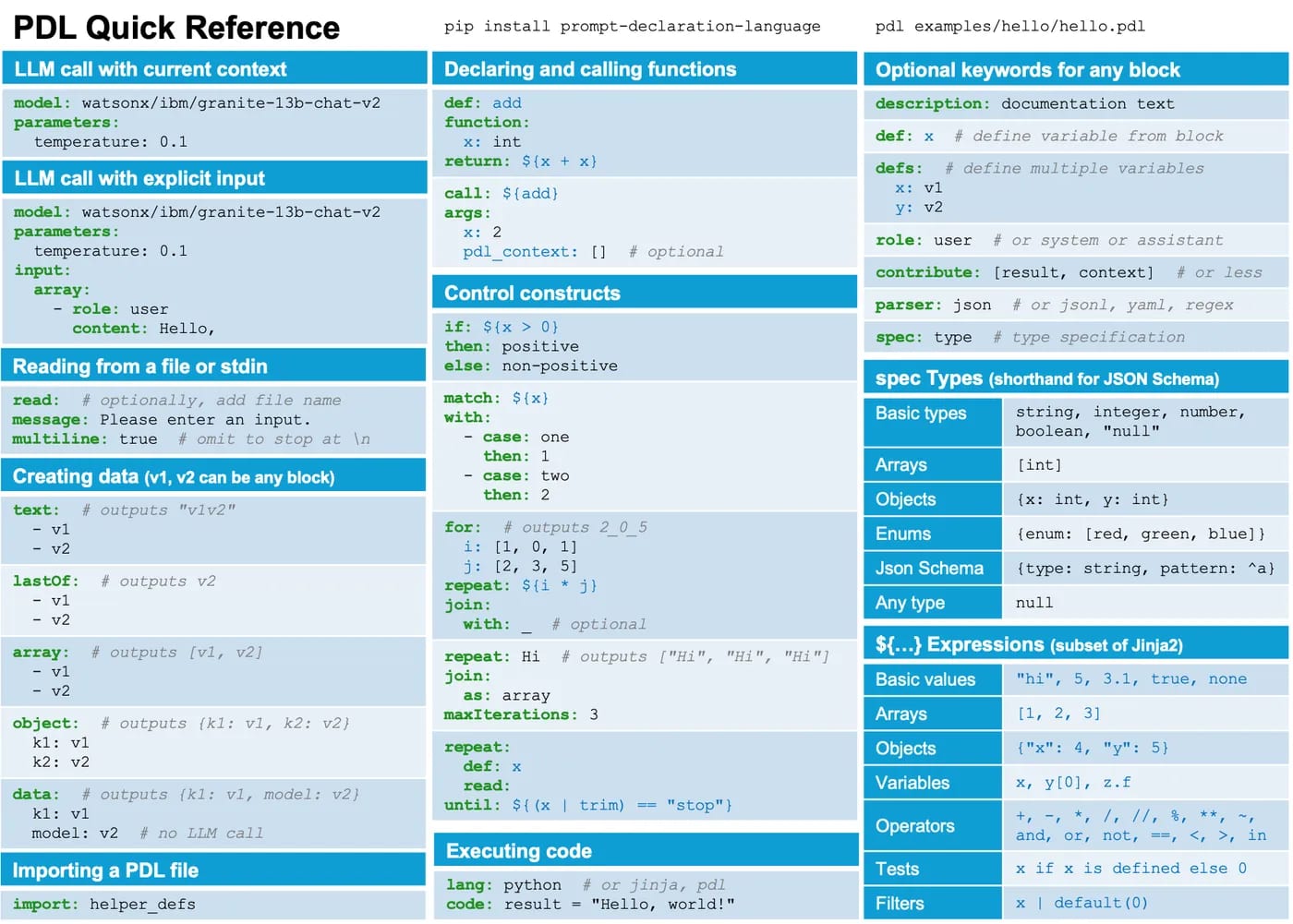
https://github.com/IBM/prompt-declaration-language
Researchers have already built “Auto Prompt” systems that treat prompt design like a search problem, leveraging PDL to try variations and find the best approach for a task. The outputs of these tools aren’t mysterious settings, - they’re human-readable PDL scripts that a team can review and tweak further (arXiv). This blend of human and machine optimization means organizations can continually improve their AI systems. PDL’s creators intentionally made it a declarative format “amenable to optimization”, much like high-level programming languages allow compilers to optimize code. The result is AI behavior that’s not only more effective but also more predictable. You can validate each component, add tests for your prompts, and ensure the whole pipeline does exactly what it’s supposed to do, - no more nasty surprises when a slight context change breaks everything.
As we look to the future, it’s clear that AI systems must be built like serious infrastructure, not fragile experiments. Prompt Declaration Language is a glimpse of that future. Instead of praying that an AI model behaves, we’ll engineer it to, - with transparent prompts, rigorous version control, and modular components that can be tested and trusted. This shift is akin to the evolution from hand-tuned servers to infrastructure-as-code in the cloud era. When you treat prompts and AI workflows as first-class, declarative pieces of your stack, you gain stability and control. No more opaque AI behaviors that only a guru can tweak. With PDL, anyone on the team can inspect how the AI reasoning is set up and suggest improvements. The call to action for tech leaders is simple, - demand this transparency. If your AI vendor or team is offering you only black-box “magic”, push back and ask for the blueprints. Insist that your organization manages prompts with the same care as software source code. The companies that embrace open, declarative AI practices will be able to innovate faster and with greater confidence, because they’re building on rock-solid foundations rather than sand.

We stand at a turning point in AI development. The thrill of the black-box magic trick is giving way to the sober craftsmanship of engineering. Prompt Declaration Language and tools like it herald a future where AI is not an inscrutable oracle but a well-understood partner, - its instructions transparent, its behavior testable, and its evolution trackable. For technology executives and product leaders, this is welcome news. It means you can finally trust what’s happening under the hood of your AI initiatives. The future of AI infrastructure is, indeed, transparent, -and it’s being written in languages like PDL. Now is the time to embrace this transparency, to swap guesswork for governance, and to build AI like we build everything that matters: with clarity, accountability, and vision.

Further Readings
-
Representing Prompting Patterns with PDL: Compliance Agent Case Study – IBM Research (Mandana Vaziri et al, July 2025) – Workshop paper demonstrating PDL in a real-world compliance agent. The authors show how bringing prompts into a declarative format enabled up to 4× better performance over a rigid, “canned” prompt approach, illustrating PDL’s impact on enterprise AI reliability and efficiency.
-
Mastering Prompt Engineering with PDL: The YAML-Based Solution for LLM Development – Medium (Seemabanu, May 2025) – An in-depth article introducing PDL in practical terms. It walks through how PDL simplifies complex LLM workflows by using a YAML declarative format. The piece highlights benefits like easier prompt versioning, reproducibility, and collaboration, positioning PDL as an evolution that turns prompt design from a dark art into a structured discipline.
-
Prompt Declaration Language (PDL) – IBM Granite Documentation (IBM, June 2025) – IBM’s official documentation for PDL, describing the language’s syntax and capabilities. It explains how PDL puts prompts at the forefront of programming, enabling model chaining, tool integration, and input/output validation in a simple YAML format. This resource provides a technical overview and a getting-started guide for developers looking to adopt PDL.
-
Stop Wrestling with Prompts: How DSPy Transforms Fragile AI into Reliable Software – Medium (Rick Hightower, June 2025) – A perspective on managing prompts through software engineering principles, using a framework called DSPy. While not about PDL specifically, this article echoes the same ideals: treating prompts as maintainable code rather than unpredictable strings. Hightower discusses version control, testing, and modular design for prompts, underscoring the industry’s move toward more robust AI development practices.
-
AutoPDL: Automatic Prompt Optimization for LLM Agents – arXiv (Claudio Spiess et al, April 2025) – Research paper proposing an automated method to optimize prompts and agent strategies using PDL. The authors frame prompt tuning as an AutoML problem and use PDL to represent candidate solutions. The result is a system that can search through different prompting patterns (e.g. Zero-shot, CoT, ReAct) and generate human-readable PDL programs that significantly boost task performance. This work demonstrates the synergy of PDL’s transparency with automation, yielding prompt designs that are both optimized and interpretable.
Disclaimer: The perspectives shared in this article are my own and do not represent those of my employer or any affiliated organizations. All company names, product names, logos, and brands mentioned are the property of their respective owners and are used for identification and illustrative purposes only. No endorsement, sponsorship, or affiliation is intended or implied. References to specific companies or case studies are based on publicly available information and are used solely for educational and discussion purposes.
More from builder's bench
All builder's bench → builder's bench
BlackBoxToBlueprint: Software Archaeology Meets AI
In a sleek, climate-controlled data center lined with racks of modern servers, it’s easy to assume everything is cutting-edge. But looks can be deceiving. Beneath the polished exterior, some of the world’s most critical business logic…
 builder's bench
Rapid Code, Rapid Decay: How AI Tools May Repeat 90s RAD Mistakes
Picture this... It's 1995 and an ambitious accountant just built a mission-critical application using Microsoft Access. It works like a charm, - until it doesn't. Fast forward to 2025 and instead of rogue office workers building shaky…
 builder's bench
12 AI IDEs, 5 Policy Tests, 1 Guide for CTOs
Picture a stressed CTO in a late-night code review, a virtual genie perched on her shoulder offering brilliant fixes and a joke or two. Tempting, right? But like any good genie, an AI coding assistant can grant wishes with a catch. The…