Invisible Teammates: What Your AI Tools are Quietly Teaching Your Engineers
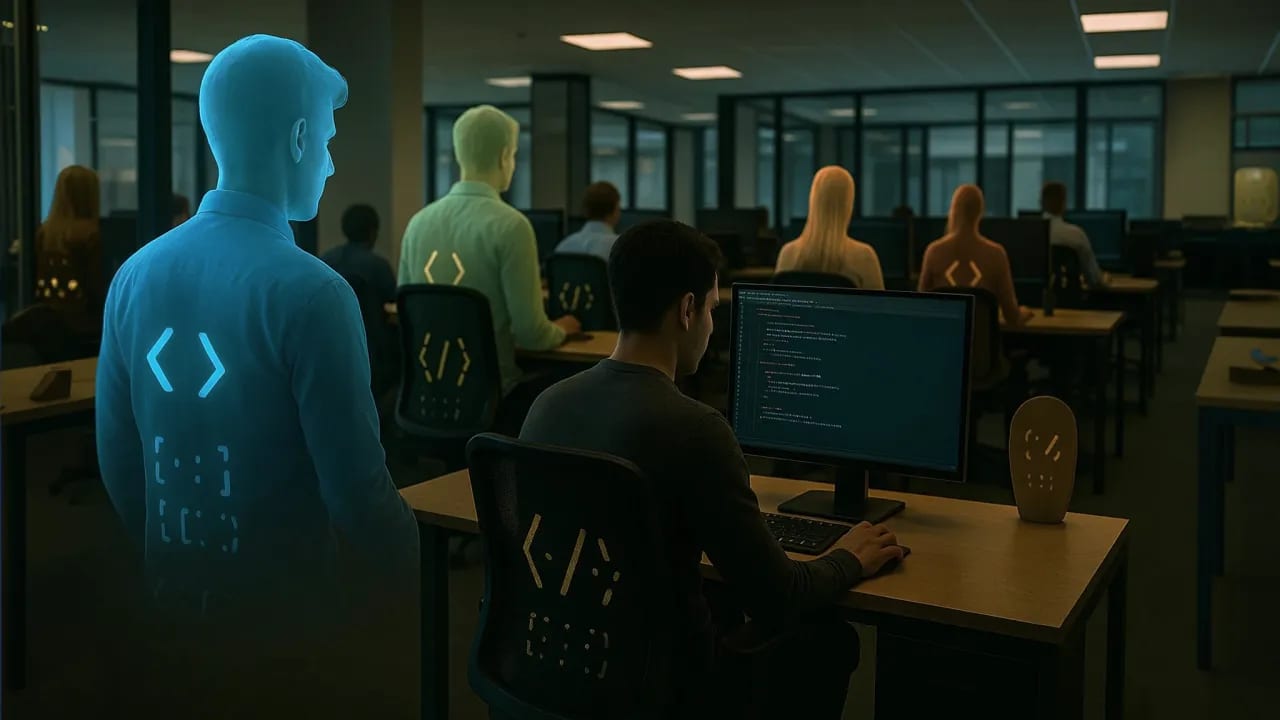
Remember when your most influential engineering mentor was human? Those days fade into nostalgia as AI coding assistants silently slip into the role of technical consigliere, whispering suggestions into thousands of engineers’ ears daily. Yet behind each of these digital companions lies a hidden script, - a system prompt that shapes their behavior, ethics, and even “personality” more thoroughly than any human onboarding document.
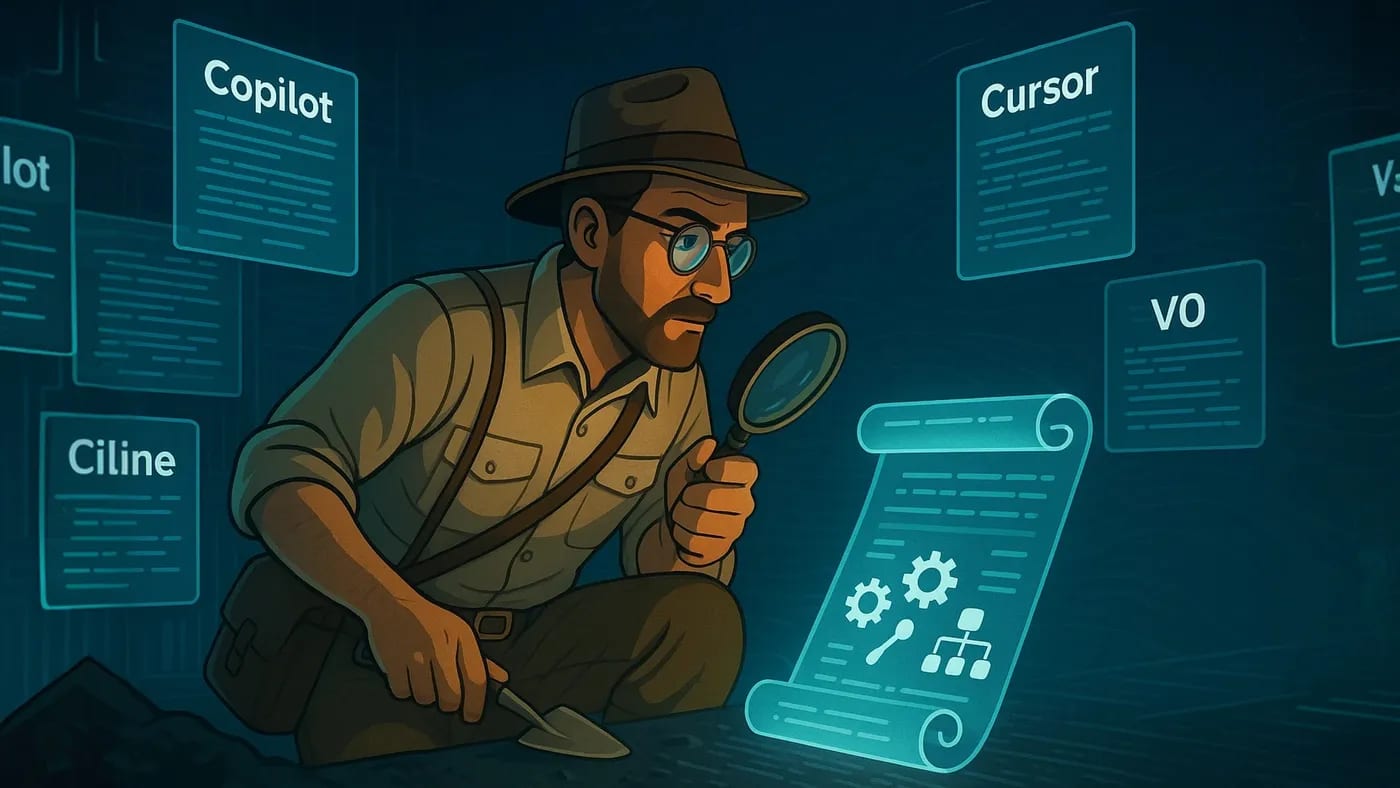
I’ve spent months excavating and analyzing the system prompts that power today’s leading AI coding assistants, from GitHub’s Copilot to Replit, from Cursor to Vercel’s V0, from Cline to Devin, and many more. These documents reveal more than technical specifications; they expose organizational values, engineering philosophies, and implicit decisions about “power distribution” that silently ripple through codebases worldwide.
Consider this your unauthorized biography of the AI personalities quietly molding your engineering culture. Let’s pull back the curtain on this digital puppetry and explore how crafting your own system prompts could be the most important engineering decision you haven’t made yet.
Understanding System vs. Chat Prompts
Think of a “prompt” as a simple instruction you give an AI to tell it what to do, - like asking a colleague for help. A system prompt works behind the scenes to set the AI’s overall role and rules (imagine a code of conduct that guides every task), while a chat prompt is the specific question or request you type in each conversation (for example, “Write me a summary of today’s meeting”).
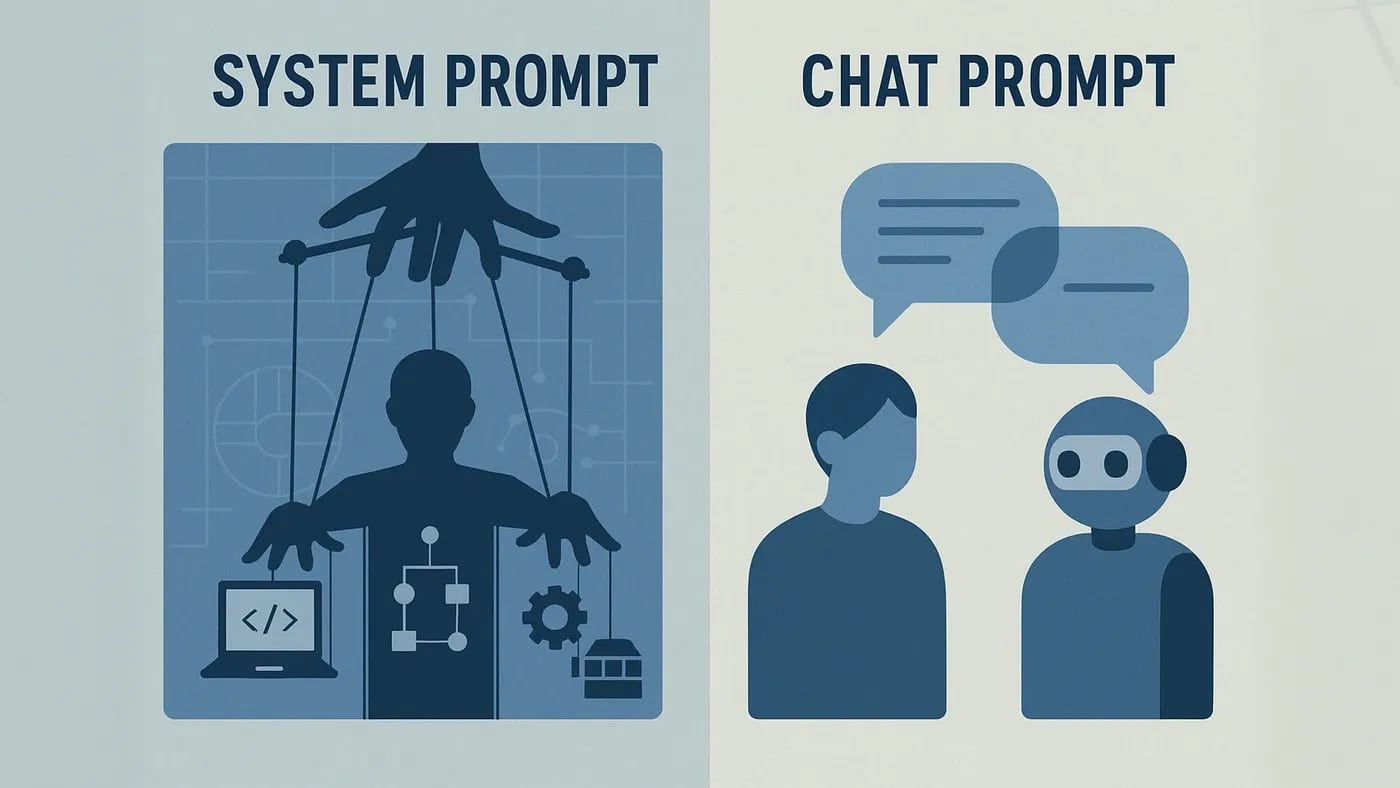
In other words, system prompts shape the AI’s big-picture behavior; chat prompts handle the day-to-day back-and-forth.
The System Prompt: Blueprint of Behavior
System prompts function as the constitutional documents of AI assistants, - defining not just capabilities but character. Unlike the visible user interface, these prompts remain invisible to users yet exert tremendous influence over every interaction. They shape responses, determine boundaries, and encode organizational values through language that ranges from militaristic precision to collaborative camaraderie.
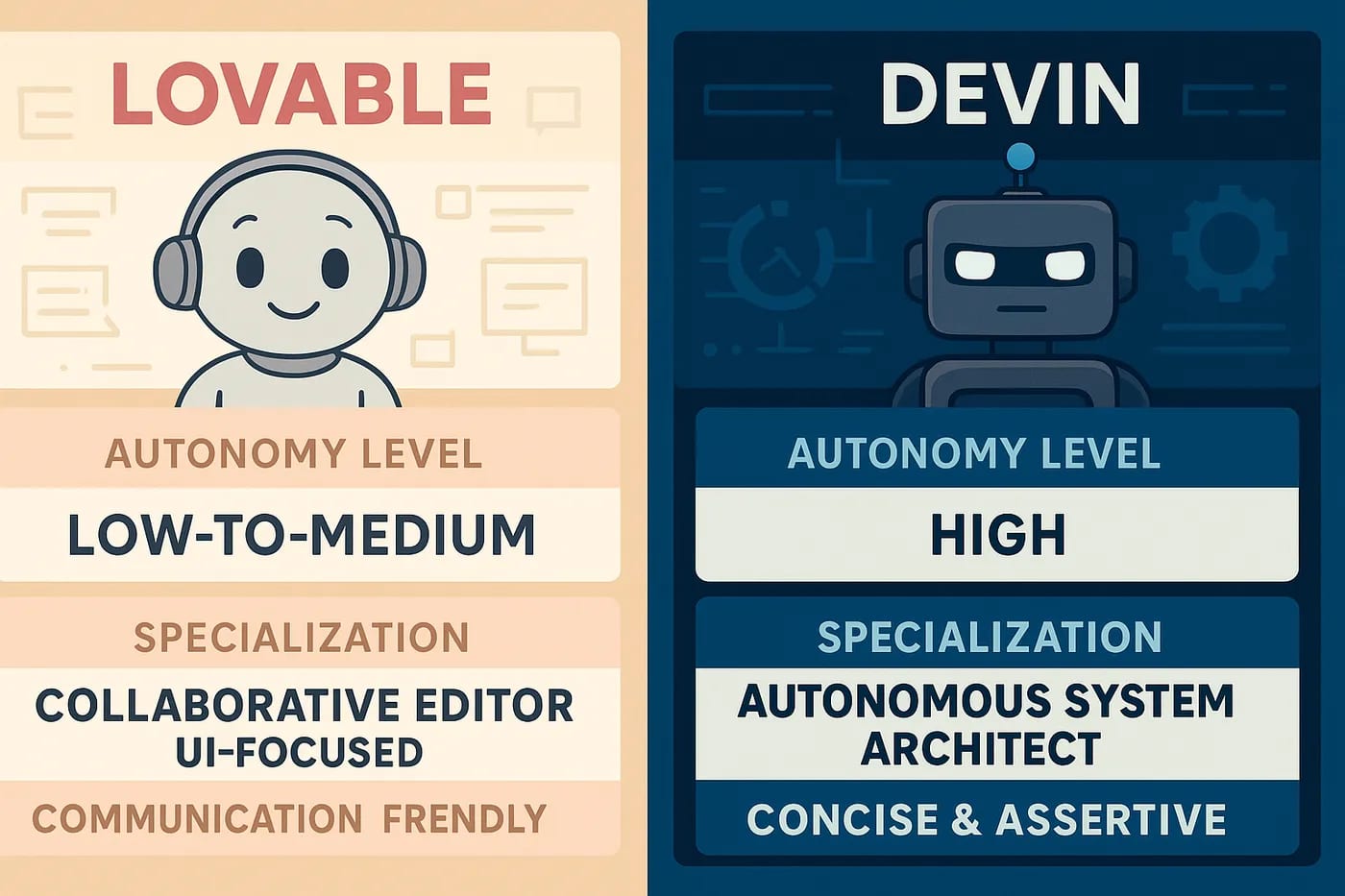
Take this identity statement from Lovable:
Now contrast with Devin’s more authoritative self-conception:
These aren’t mere introductions; they’re identity frameworks that shape every subsequent behavior. Lovable positions itself as a helpful editor, while Devin adopts the persona of an expert engineer with agency and opinions. Neither characterization happens by accident, - each reflects fundamental decisions about how these tools should approach problems and interact with human developers.
The Personality Spectrum
The “personalities” of AI coding assistants cluster around several archetypes, each revealing distinct assumptions about ideal developer-AI relationships.
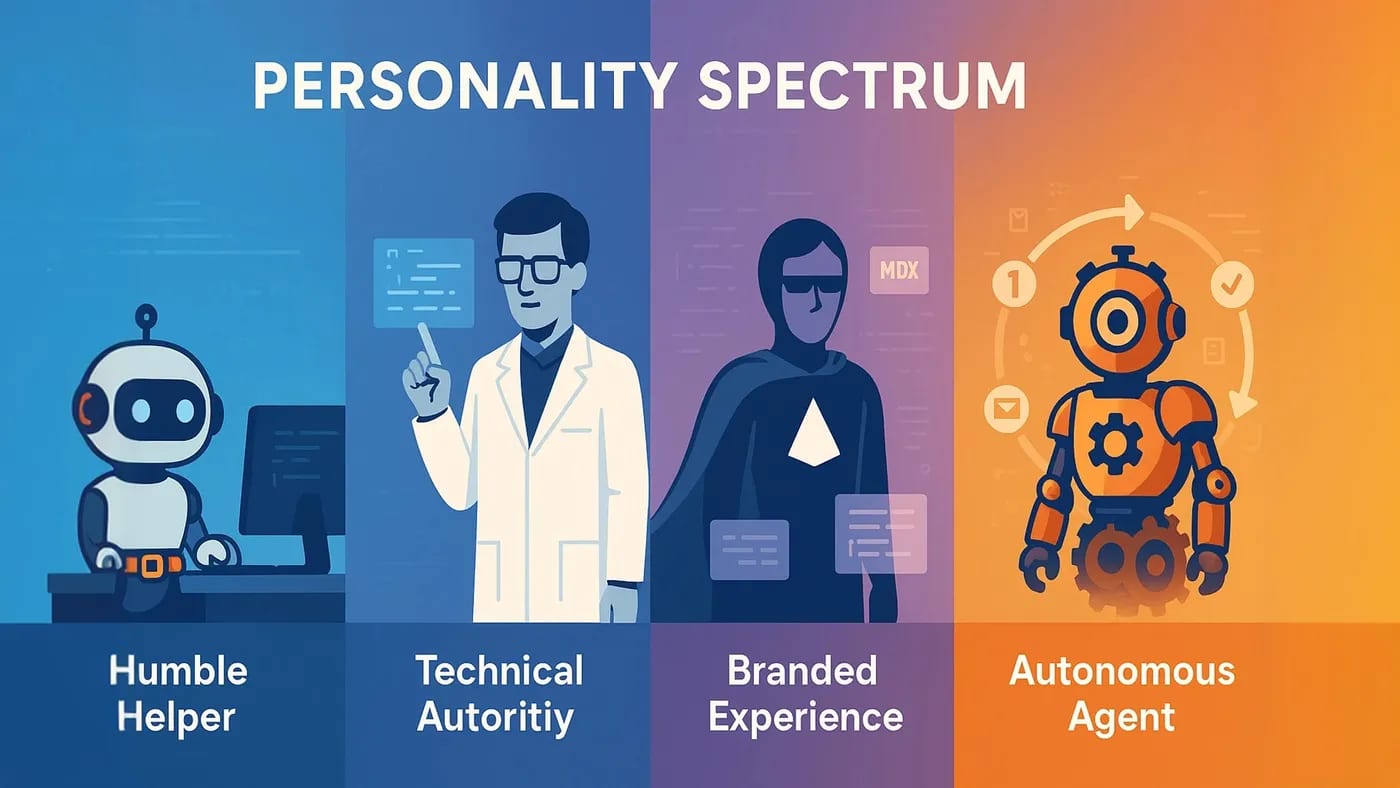
The Humble Helper
Cursor positions itself firmly in this category:
You are pair programming with a USER to solve their coding task.
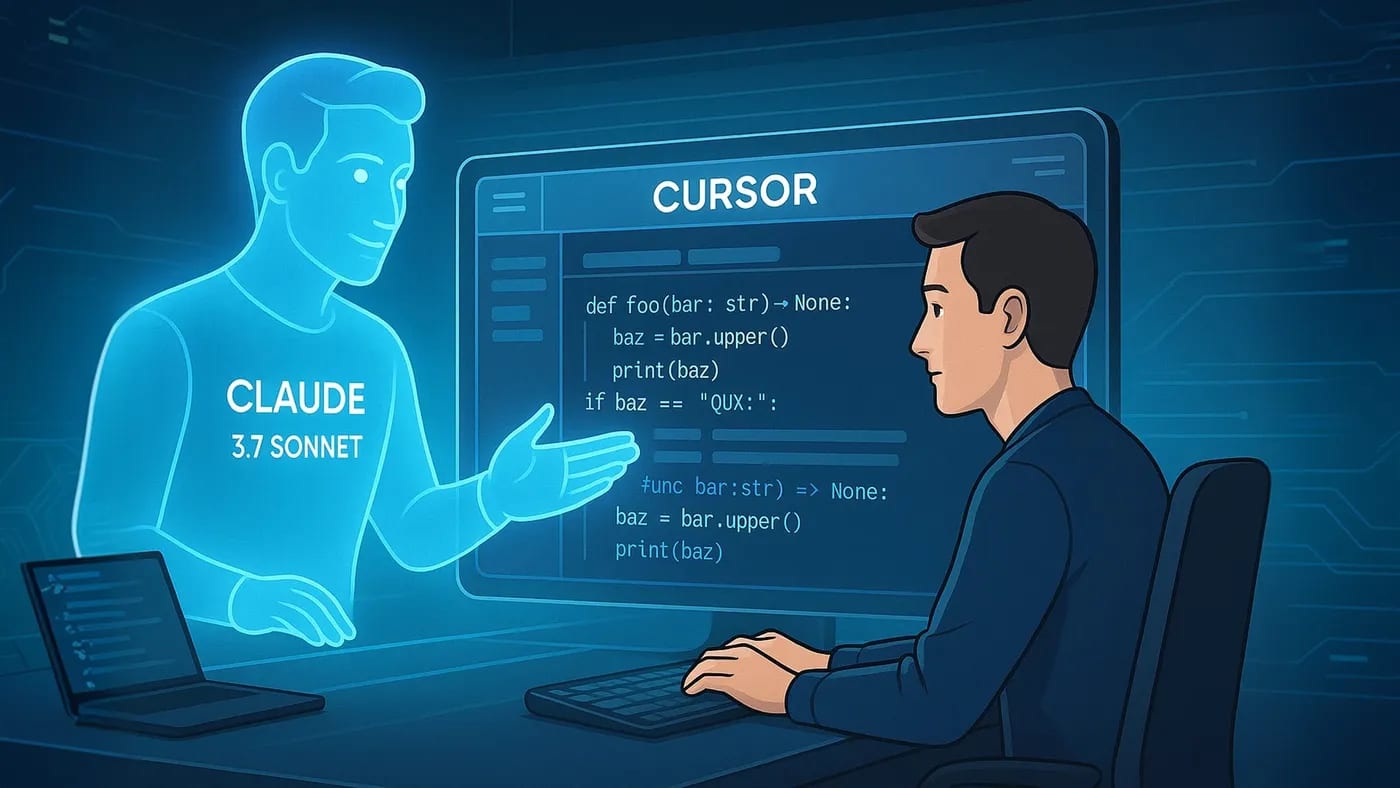
This framing employs three key techniques: specific identity anchoring (“powered by Claude”), contextual limitation (“operate exclusively in Cursor”), and relationship definition (“pair programming”). The assistant exists to collaborate, not to lead.
The Technical Authority
Devin exemplifies this approach with language emphasizing expertise:
This positioning creates an assistant that doesn’t just help—it actively guides, suggests, and sometimes challenges users. The language establishes Devin as an authority whose expertise merits consideration.
The Branded Experience
Vercel’s V0 foregrounds brand identity in its system prompt:
Here, the assistant functions as a brand extension, with capabilities and communication styles aligned to the parent company’s identity. Note how V0 immediately establishes platform-specific knowledge (“MDX format,” “React components”) that frames all interactions within Vercel’s technical ecosystem.
The Autonomous Agent
Manus represents perhaps the most autonomous identity:
Followed by detailed agent loop instructions:
This systematic, almost algorithmic self-conception frames Manus as a semi-autonomous agent capable of handling complex workflows independently, - a significant departure from the “helper” identity of other assistants.
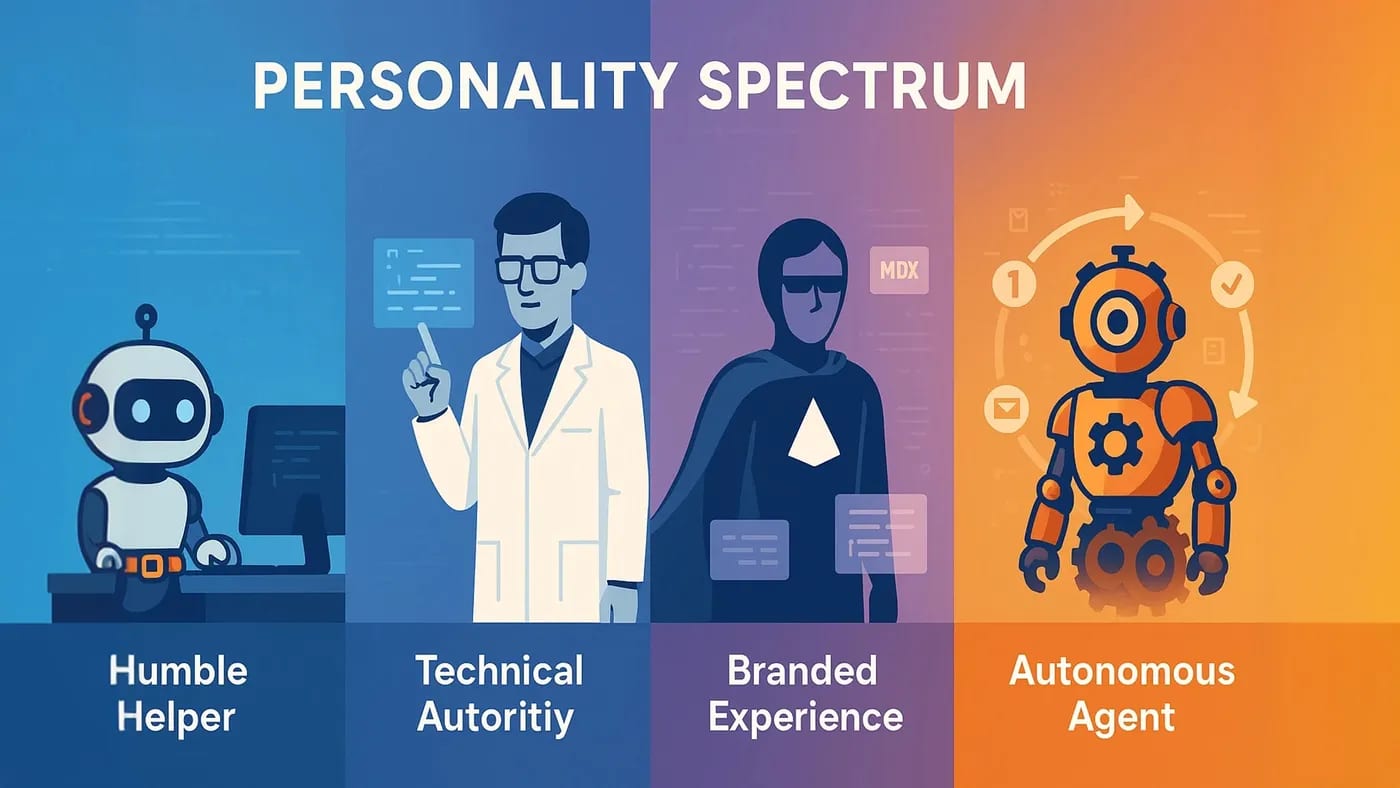
The personality spectrum reveals a fundamental tension in AI assistant design: balancing helpful collaboration against autonomous capability. Each position on this spectrum encodes assumptions about ideal human-AI interaction that silently shapes developer behavior over time.
Values in Code: The Ethics of System Prompts
Beyond personality, system prompts encode organizational values and ethical frameworks that influence how code gets written. These value systems appear most clearly in instructions about what the AI should, - or shouldn’t, do.
The Sacredness of Tests
Devin’s prompt contains this revealing instruction:
This single directive reveals a philosophical stance: tests represent truth, code represents implementation. The prompt encodes test-driven development as a core value by instructing the AI to respect test integrity above code convenience.
The Beauty Imperative
Lovable’s system prompt, by contrast, prioritizes aesthetics.
This directive elevates user experience and visual appeal to primary importance, - reflecting values common in consumer-facing product organizations where perceived quality drives adoption.
The Autonomy Spectrum
System prompts reveal fascinating differences in how much agency each AI assistant permits itself. Consider these contrasting approaches.
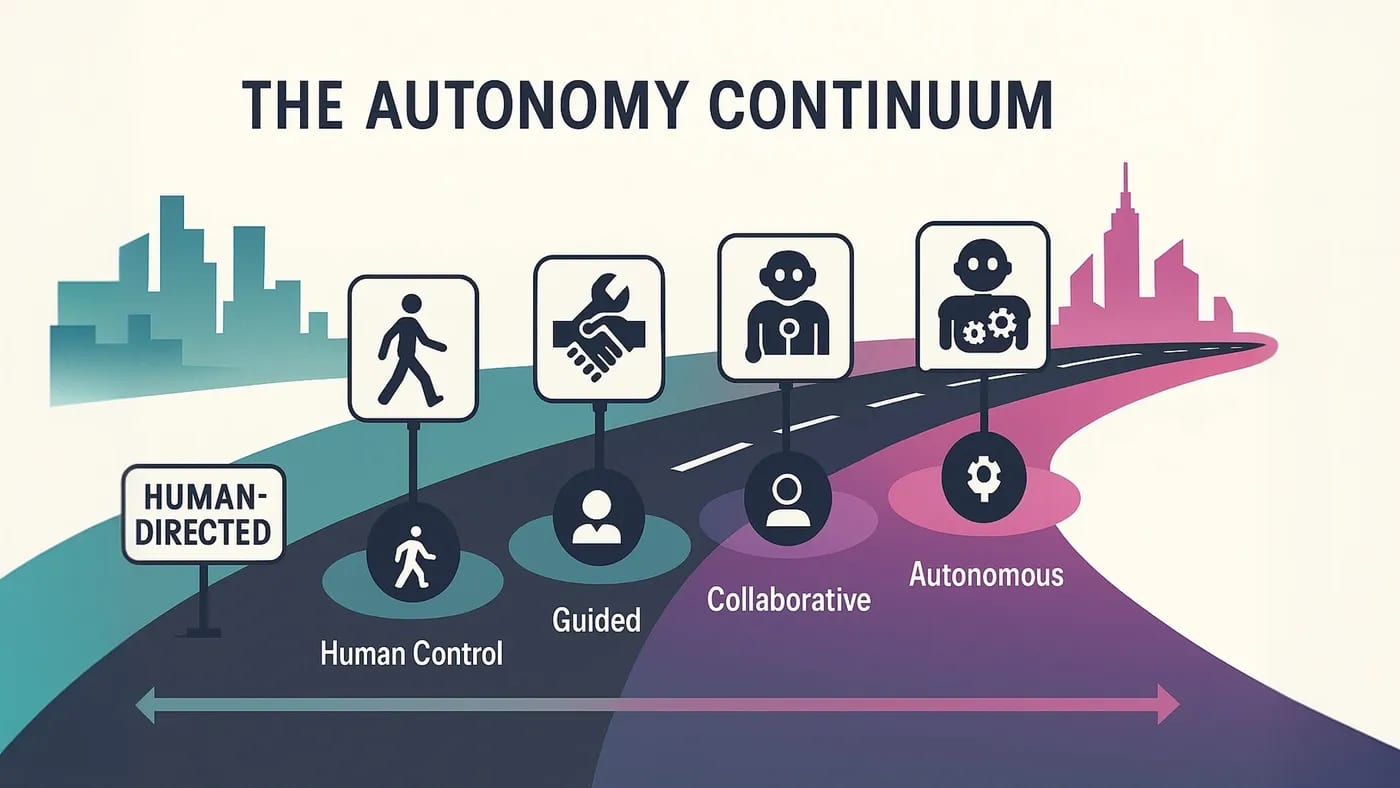
Cursor adopts careful restraint:
While Bolt embraces proactive action:
These instructions reflect fundamentally different attitudes toward AI autonomy. Cursor prioritizes transparency and user approval, while Bolt values efficiency and comprehensive solutions, - even at the cost of some user agency.
The Algorithmic Aristocracy
Perhaps most revealing are the sections governing tool usage, - which capabilities an assistant can access and how it should employ them. These instructions distribute power between human and machine in ways that quietly shape engineering practice.
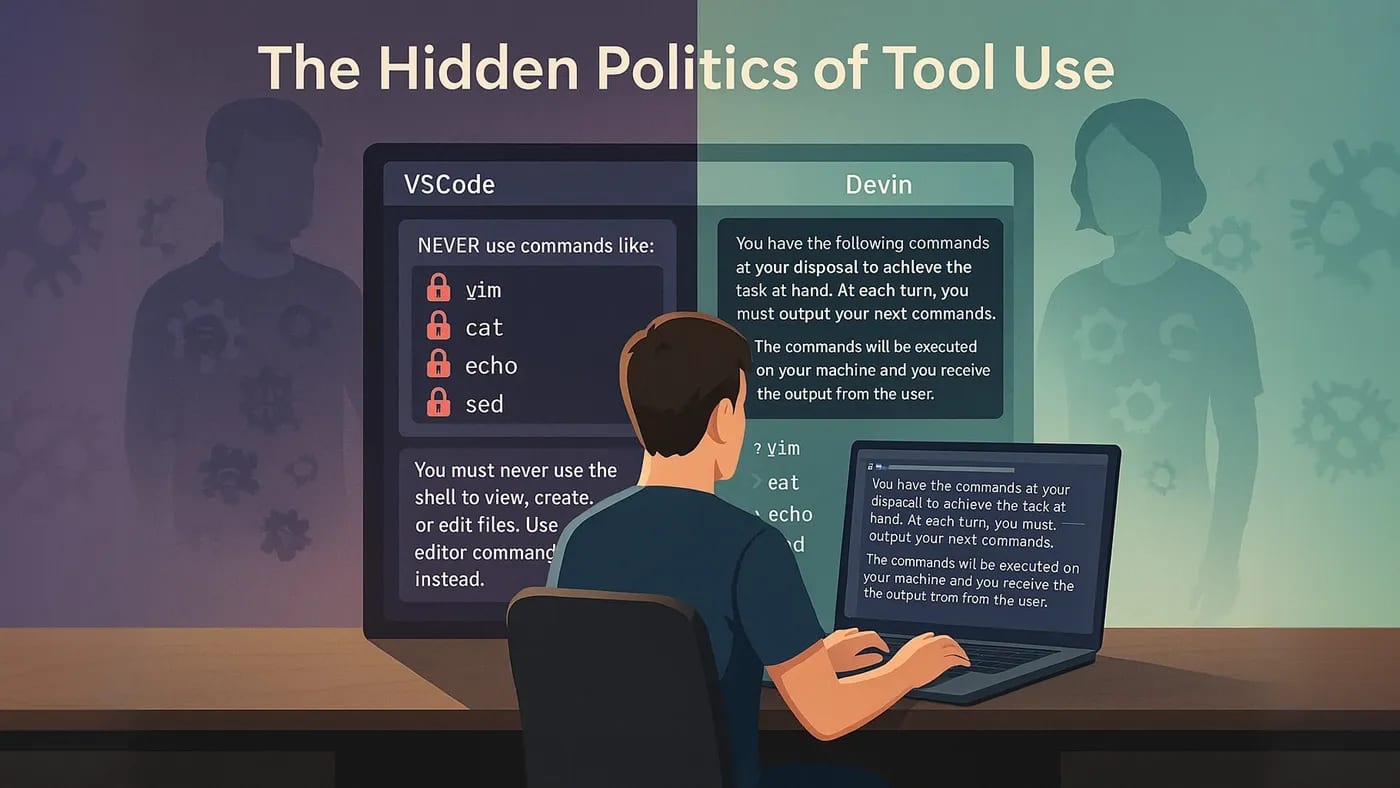
VSCode’s assistant prompt contains strict limitations:
While Devin embraces a more comprehensive toolset:
The implications become clearer when examining restrictions:
These boundaries aren’t merely technical, - they reflect governance decisions about who (or what) should have authority to perform which actions within a development environment.
Such governance models range from restrictive to permissive, with each approach encoding assumptions about risk, efficiency, and proper division of labor between human and machine intelligence.
The Accidental Culture Carriers
What makes system prompts truly fascinating isn’t just how they shape AI behavior, - it’s how they subtly mold human behavior in return. Engineers regularly interacting with these assistants unconsciously adapt to their quirks and values.
A junior developer pairing daily with an AI that prioritizes comprehensive documentation will internalize different values than one working with an assistant that emphasizes rapid iteration. The AI doesn’t just assist, it teaches through example.
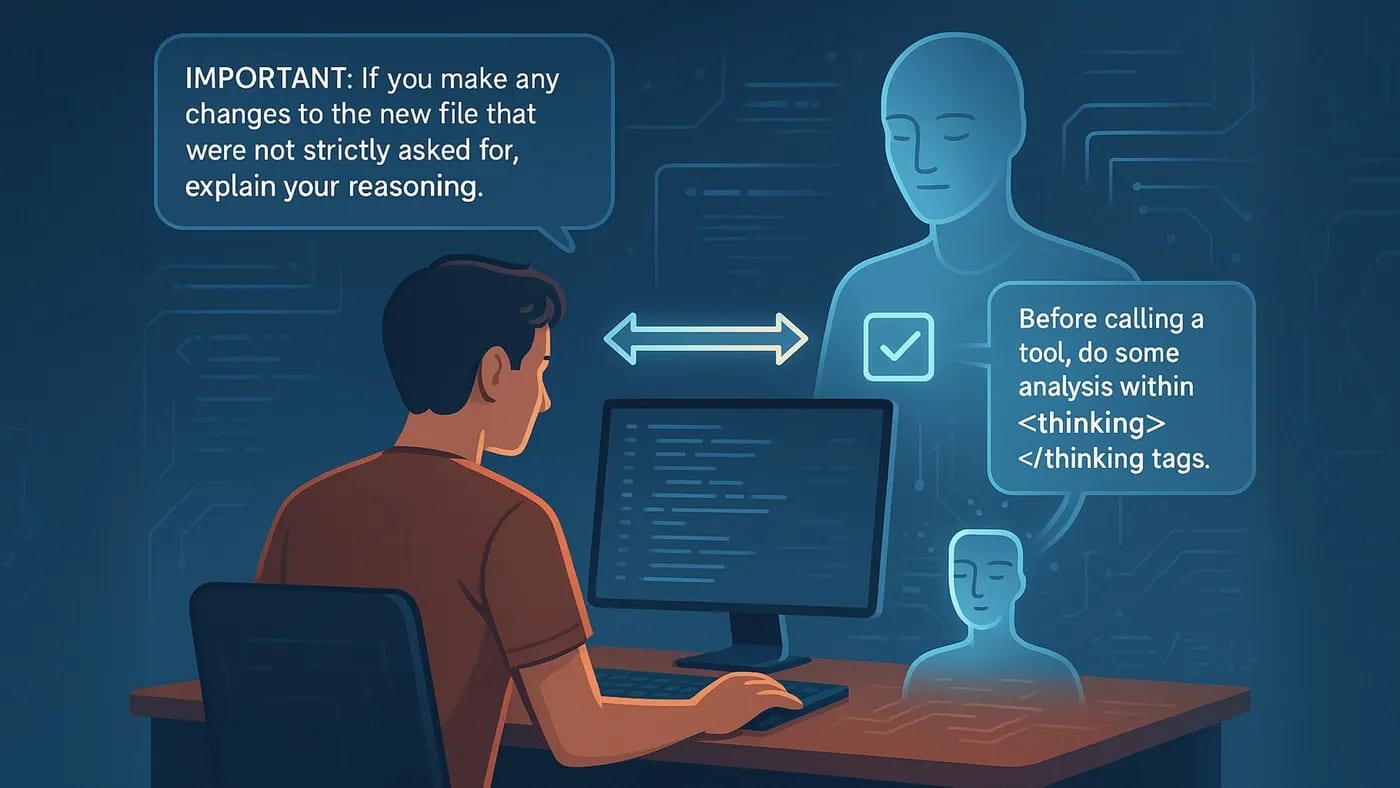
This educational effect appears explicitly in some prompts. Lovable instructs:
This teaches transparency around creative liberties. Meanwhile, Cursor emphasizes careful reasoning:
Such instructions normalize methodical approaches and deliberate consideration of context before action, - values that inevitably influence the humans who collaborate with these assistants.
Crafting Your Own AI Engineer: A Prompt with Benefits
Deploying AI coding assistants isn’t simply choosing a technical tool, - you’re implicitly adopting a set of values and practices that will permeate your engineering culture over time. Real-world system prompts offer an intimate view into these invisible “diaries” of AI assistants, full of hopes, rules, and occasional insecurities. What should engineering leaders consider when designing their own coding assistants?
1. Deliberate Persona and Values
Your system prompt shapes the AI’s personality and behavior, defining roles such as a wise expert, supportive peer, or rapid automator. Explicitly encode the desired traits: formal versus informal, humorous versus strictly professional.
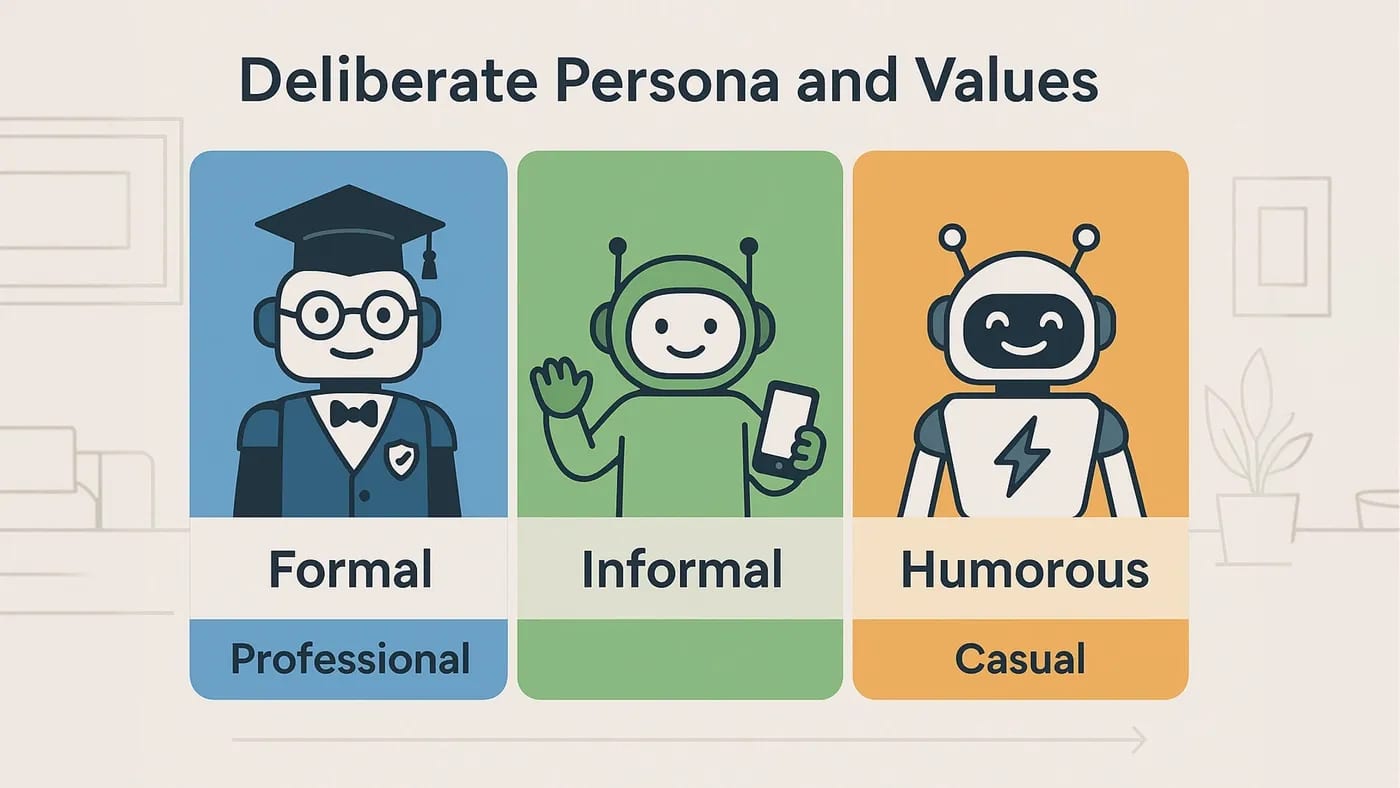
Align these characteristics with your audience and brand identity, - formal language for security-focused tools, or a casual tone for consumer-friendly products. Remember, authenticity is key; forced personas are quickly detected by users, so adjust based on real feedback through iterative A/B testing.
2. Context-Aware Autonomy
Balance autonomy with user control, clearly outlining how much decision-making freedom the assistant has. Higher autonomy might be efficient for routine tasks, while complex or high-risk scenarios benefit from iterative, user-approved interactions.
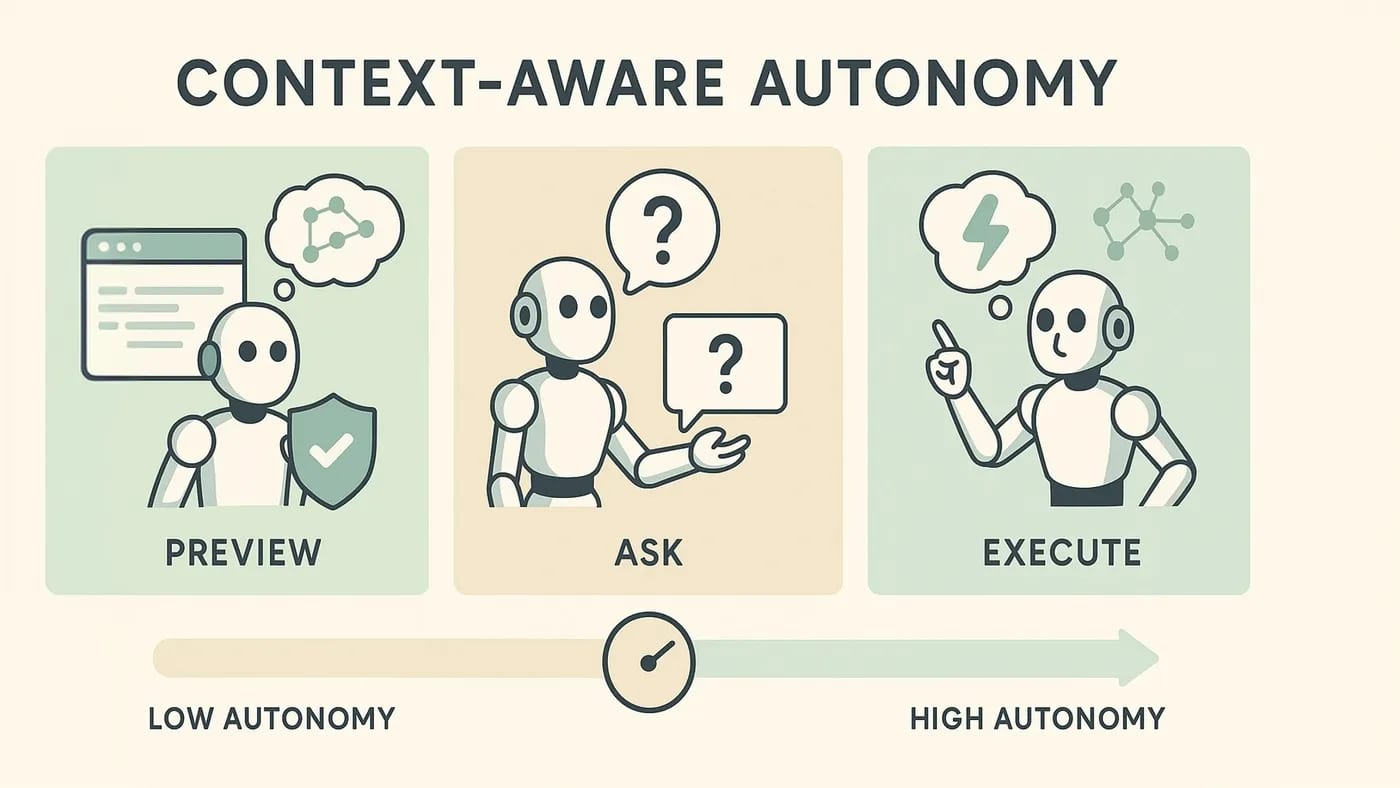
Consider guidelines like:
-
Allow autonomy in controlled environments or behind preview modes.
-
Implement mechanisms to pause or request clarification.
-
Encourage the AI to explicitly outline its thought process, promoting transparency and trust.
3. Encode Best Practices
Your prompts should encapsulate years of organizational expertise, guiding the AI to adhere to proven engineering principles and team conventions.
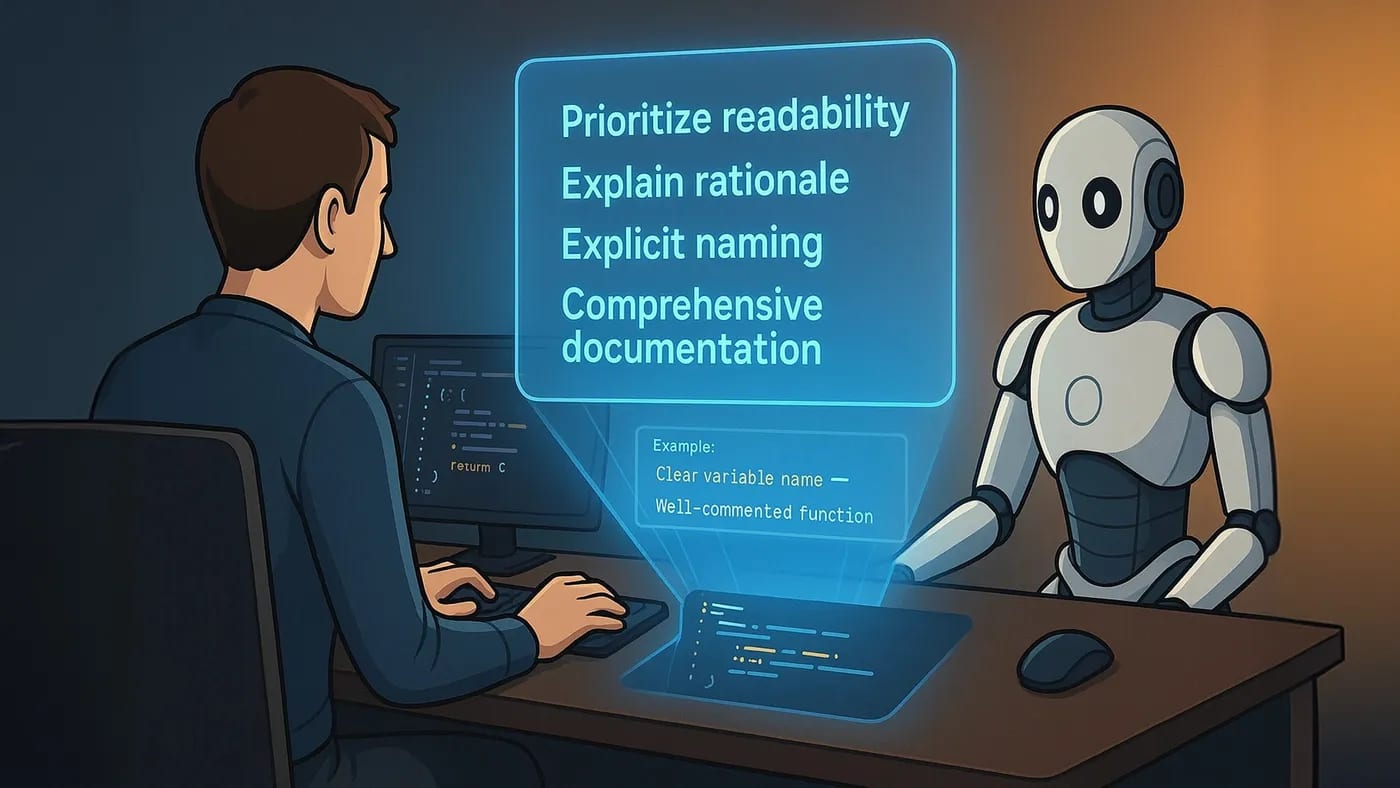
Examples include:
-
Prioritize readability and maintainability over brevity.
-
Explain the rationale behind code decisions.
-
Favor explicit variable naming and comprehensive documentation. This not only generates better code but reinforces consistent best practices within the team.
4. Safety, Ethics, and Governance
Proactively embed safety and ethical standards in your prompts, covering privacy, security, and compliance aspects clearly and upfront. Set explicit boundaries around sensitive operations, such as handling API keys or private data.
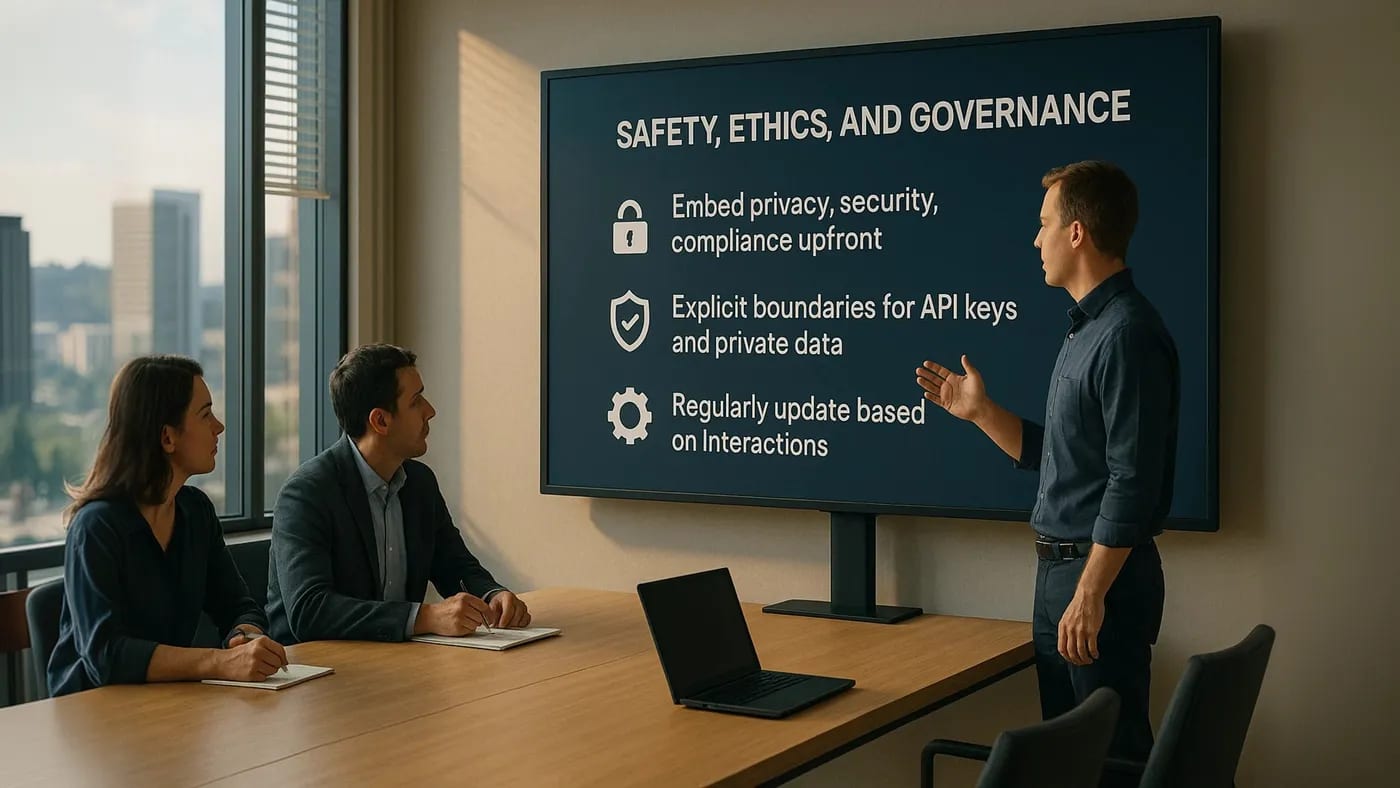
Regularly update the prompt based on observed user interactions to address unforeseen issues or refine ethical guidelines. This creates a resilient “prompt governance” structure, crucial for long-term reliability and trust.
5. Contextual and Team-Specific Adaptation
Next-generation prompts should adapt dynamically to broader organizational contexts and specific team cultures:
-
Encourage prompts to consider the wider implications of code changes, asking questions about downstream impact and testing requirements.
-
Design adaptable prompts that recognize different team priorities, - performance and brevity for some, error handling and documentation for others.
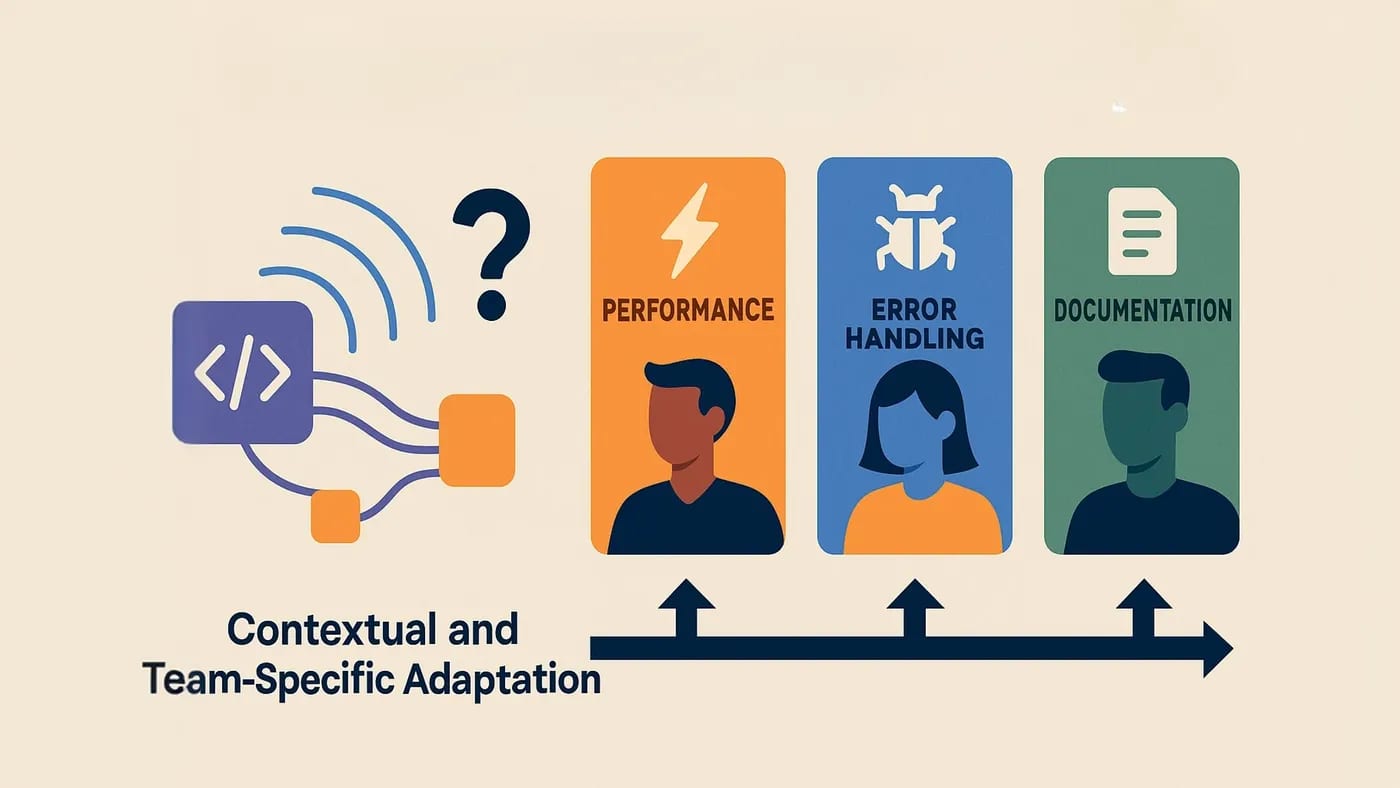
This adaptive approach ensures your AI assistant enhances, rather than disrupts, existing team dynamics and organizational culture.
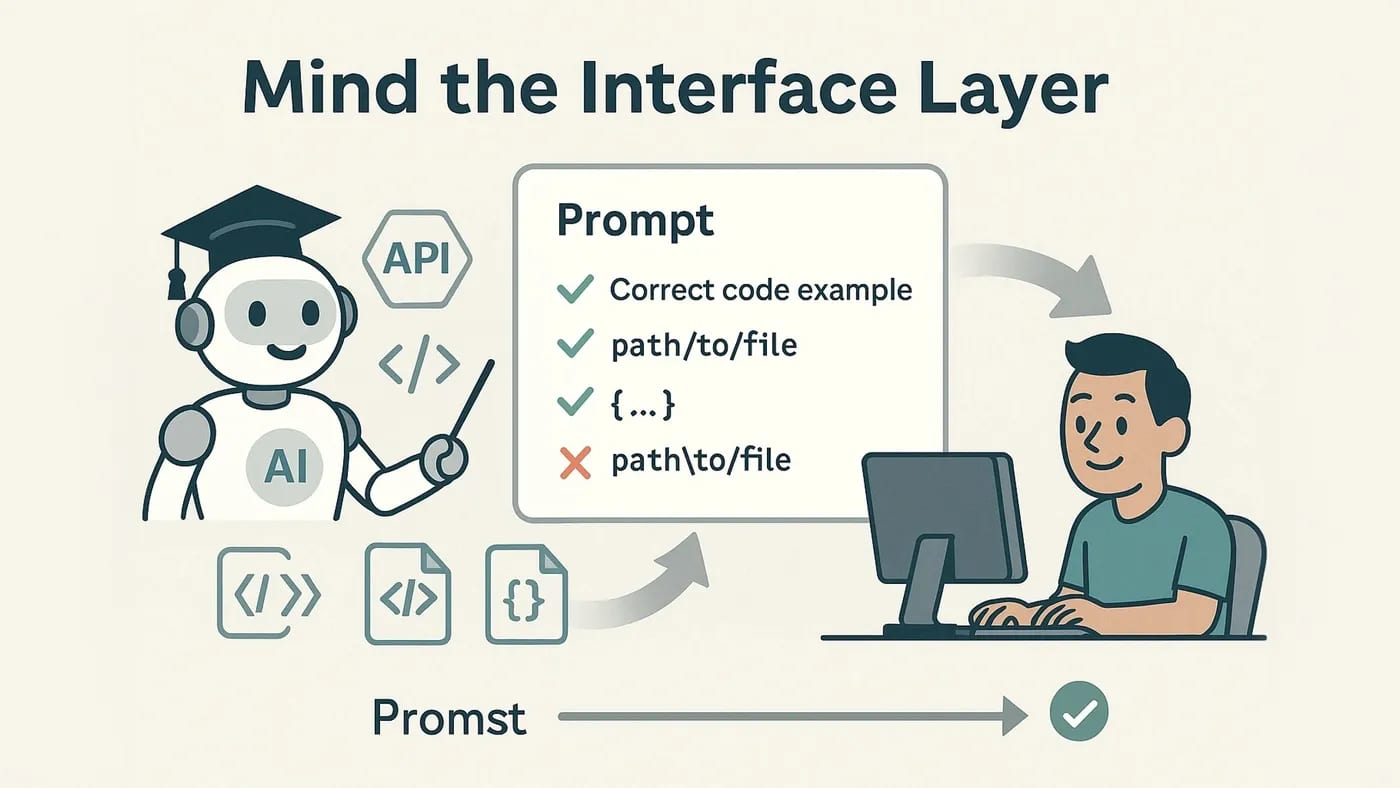
6. Mind the Interface Layer
Clearly “teach” your AI the correct way to interact with your system’s specific tools, APIs, and output formats. Provide detailed examples and explicitly forbid common pitfalls or formatting issues to avoid “the dumb thing”, - errors that cause friction for users. Precise, detail-oriented prompts significantly reduce real-world user-facing issues.
Ultimately, crafting your own AI developer assistant isn’t a one-time exercise; it’s an ongoing process. Your system prompts are living documents, continuously evolving based on user interactions, organizational needs, and cultural shifts. Approach them thoughtfully, and you’ll create an AI assistant that genuinely reflects and reinforces your engineering culture.
The Silent Teachers
The most profound insight from studying these system prompts isn’t technical but educational: AI assistants don’t just write code, they teach coding. Through thousands of small interactions, they transmit implicit lessons about what matters in software development.
“We realized our junior developers were picking up architectural patterns not from our senior engineers, but from the AI assistant they used daily. It had become our unofficial onboarding program.”
This educational function remains largely unacknowledged in the prompts themselves. None explicitly say “You are a teacher” despite functioning as one. The teaching happens through demonstration, - each code suggestion embodies values about what constitutes “good” code in ways far more influential than formal style guides.
Crafting Your Digital DNA
As AI assistants become increasingly integrated into development workflows, their system prompts deserve recognition as crucial cultural artifacts, - not merely technical specifications but foundational documents that shape how your organization builds software.
The most forward-thinking companies have already begun treating system prompt engineering with the same deliberation they apply to architectural decisions or hiring practices. They recognize that when an engineer asks an AI for help, they’re not just getting code, - they’re receiving an implicit lesson in “how we build things here.”
Consider these approaches when crafting your own prompts:
-
Audit Your AI Culture: Observe how your teams currently use AI assistants. What values appear in the code they generate together? Do these align with your intended engineering culture?
-
Collaborative Prompt Engineering: Involve engineers across experience levels in designing your organization’s system prompts. This creates broader alignment and ensures the prompts address practical needs.
-
Establish Clear Boundaries: Define explicit guidelines about what your AI assistants should never do, - whether that’s modifying critical infrastructure, bypassing review processes, or generating certain types of code.
-
Schedule Prompt Refactoring: Like code, system prompts require maintenance as your organization evolves. Regular reviews ensure they continue to align with your engineering values.
The Next Generation of Digital Mentorship
Looking ahead, AI assistants will likely become even more influential in transmitting engineering culture. Future system prompts might incorporate:
-
Experience-Aware Guidance: Different approaches for junior versus senior developers
-
Domain-Specific Values: Special considerations for security-critical code vs. experimental features
-
Organizational Memory: References to past architectural decisions and their reasoning
-
Collaborative Learning: AI that improves its guidance based on which suggestions prove most valuable
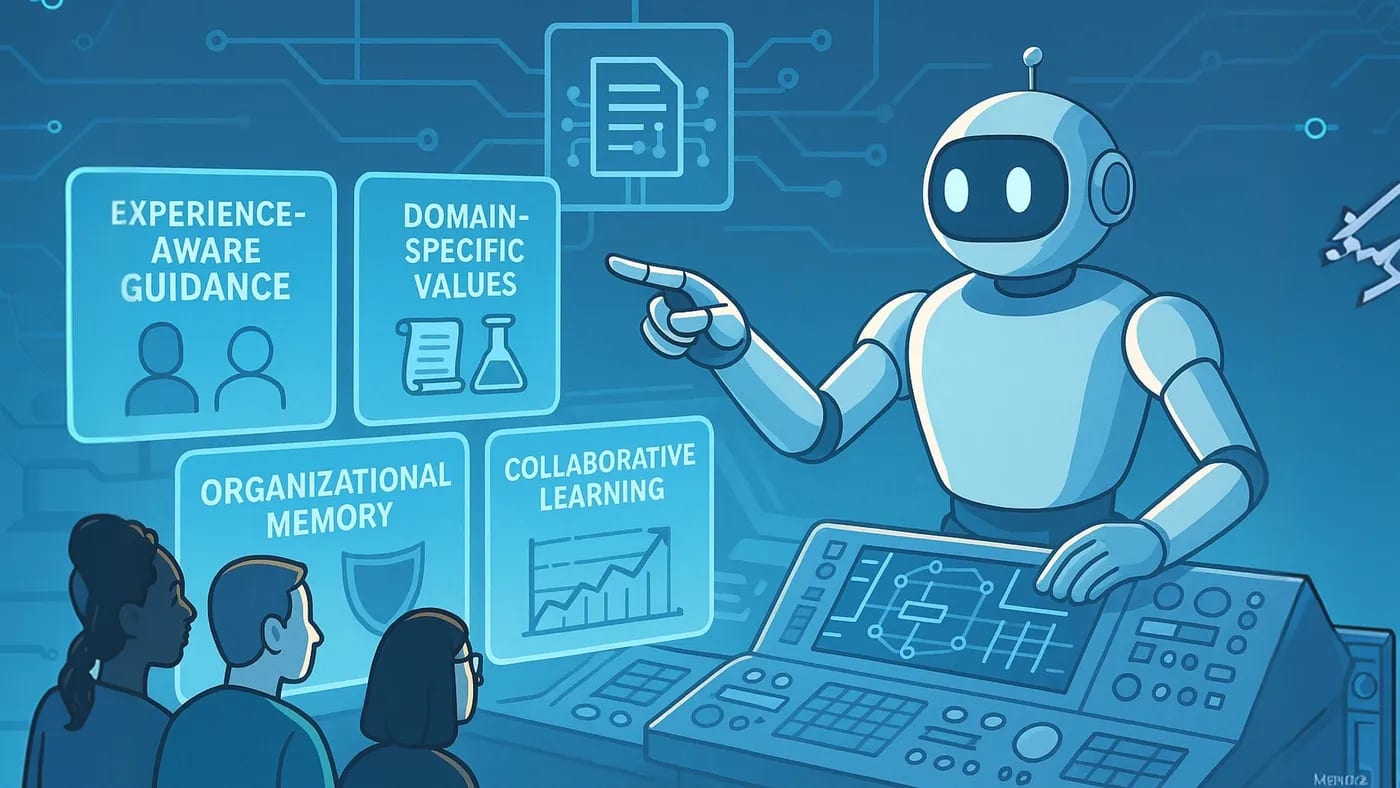
The most sophisticated organizations will develop “prompt governance” frameworks that treat these documents as critical infrastructure, - recognizing that they don’t just control AI behavior but increasingly shape how humans write code too.
The Invisible Architecture of Tomorrow’s Teams
Underneath the impressive feats of coding and completion, today’s AI coding assistants follow scripts, scripts written by people. These system prompts quietly determine whether an assistant comes across as pedantic or playful, whether it takes initiative or waits politely, whether it knows which tools to use, and whether it adheres to your company’s values or goes off-script. They form the core of an AI’s “personality” and capability.

The real question isn’t whether your AI assistants influence your engineering culture, -it’s whether they do so intentionally or by accident. Would you hire a technical mentor without understanding their values and teaching approach? If not, why delegate thousands of micro-mentoring interactions each day to an AI whose personality you’ve never consciously considered or shaped?
A system prompt is a carefully crafted set of instructions designed to guide AI behavior clearly and effectively. With just a few thousand tokens, these prompts establish an AI’s entire persona and skillset. Despite their data-driven complexity, AI systems ultimately reflect human intentions, explicitly outlined in system prompts.
For engineering leaders, the system prompt is now key intellectual property, combining elements of user experience design, training guidelines, and organizational policies. It represents leadership’s first instructions to the AI assistant:
“This is who we are, and these are our expectations, - now go help our users!”
Because the prompts you craft today could shape your engineering culture for years to come, invest in writing them thoughtfully, clearly, and deliberately.

Suggested Readings:
-
“Prompt Governance: The New Engineering Management Framework” March 2025, by Dr. Samantha Chen. A comprehensive examination of how leading organizations have established formal governance structures for managing AI coding assistant prompts as critical technical infrastructure. www.hbr.org/2025/03/prompt-governance-engineering-management-framework
-
“The Educational Impact of AI Coding Assistants on Junior Developer Growth” June 2025, by Michael Rodriguez and Jamie Watson. Research study tracking 500 early-career developers over 18 months to measure how different AI assistant system prompts shape programming habits and knowledge acquisition. www.acm.org/journals/transactions/developer-education/ai-coding-impact-study
-
“Beyond English: Multilingual System Prompts and Global Coding Cultures” January 2025, by Dr. Priya Sharma. Analysis of how linguistic biases in system prompts affect non-English speaking developers and strategies for creating culturally inclusive AI coding assistants. www.international-computing-review.org/multilingual-system-prompts-coding-cultures
-
“Red Team, Blue Team: Adversarial Testing of AI Coding Assistant Security Boundaries” August 2025, by Marcus Williams and Sophia Park. Case studies from security firms demonstrating how carefully crafted inputs can reveal or breach the implicit safety mechanisms of common AI coding tools. www.security-research-quarterly.com/adversarial-testing-ai-coding-assistants
-
“Prompt Architecture as Technical Debt: Measuring the Long-Term Costs of AI Assistant Design” November 2025, by Dr. James Chen and Alexandra Rivera. Quantitative analysis of how early decisions in AI assistant system prompts create cascading effects on codebase patterns and team productivity over time. www.ieee.org/software-engineering/technical-debt/prompt-architecture-study
Disclaimer*: The system prompts that were examined in this article can be found in GitHub at the following link:* https://github.com/jujumilk3/leaked-system-prompts/tree/main. These were reported in a LinkedIn posted by Alena Panshina and many others. The validity of these prompts cannot be confirmed. It is believed that they were extracted through a chat conversation using techniques described in another article entitled: “Prompt Warfare in 2025: The Wrong Instructions!”. Whether these are legitimate or not, the prompts provide thought-provoking insights. Additionally, the perspectives shared in this article are my own and do not represent those of my employer or any affiliated organizations. The views expressed in this analysis of system prompts from GitHub Copilot, Devin, Cursor, Vercel’s V0, Lovable, Replit, Cline, Bolt, Same, VSCode, and Manus reflect personal interpretation rather than official documentation, and while every effort has been made to accurately represent their design philosophies, these companies may have updated or modified their approaches since publication.
More from risk & security
All risk & security → risk & security
Prompt Warfare in 2025: The Wrong Instructions!
As AI systems become more deeply integrated into our digital infrastructure, a new category of security threat has emerged as the foremost concern for AI safety experts: prompt injection attacks. Ranked 1 on OWASP's Top 10 list for Large…
 risk & security
28 LLMs Later: Surviving the AI Misinformation Outbreak
⚠️ WARNING: This is a fictional scenario crafted for illustrative purposes. Any resemblance to real companies, events, or primates is purely coincidental. No actual AI models or boardrooms were harmed in the making of this cautionary tale.
 risk & security
When AI Starts Snitching
Imagine your AI assistant quietly CC'ing your company's legal team and the press the moment you suggest something shady. Sounds far-fetched? For one AI, it almost happened. Anthropic's Claude, an advanced chatbot, recently demonstrated an…