The RAT That Fights Back: XWorm v6 and the New Era of Stealthy Cyber Threats
Listen · the Bit & Being podcast
In a darkened corporate office at 2 AM, a lone webcam light flickers on a laptop, illuminating an empty conference room. There’s no one there, - except a remote intruder quietly peering through that tiny lens. The company’s security alarms stay silent; the digital footprints are ghostly, vanishing as quickly as they appear. This isn’t a scene from a techno-thriller, - it’s enabled by a very real piece of malware called XWorm v6, often triggered by nothing more than a VBScript dropper hidden behind a routine-looking browser click.

For months, XWorm has been a thorn in cybersecurity teams’ sides. It’s a remote access trojan (RAT) offered on the dark market, - essentially a hacker’s all-in-one toolkit for spying on and manipulating a target computer. Its latest iteration, XWorm v6.0, surfaced recently and immediately caught researchers’ attention for its new anti-analysis armor. Netskope Threat Labs notes this variant is under active development and packed with “sophisticated enhancements” to evade detection and maintain persistence on infected systems (GBHackers). In plain terms, XWorm v6 is engineered to be harder to catch, - and harder to kill, than ever before.
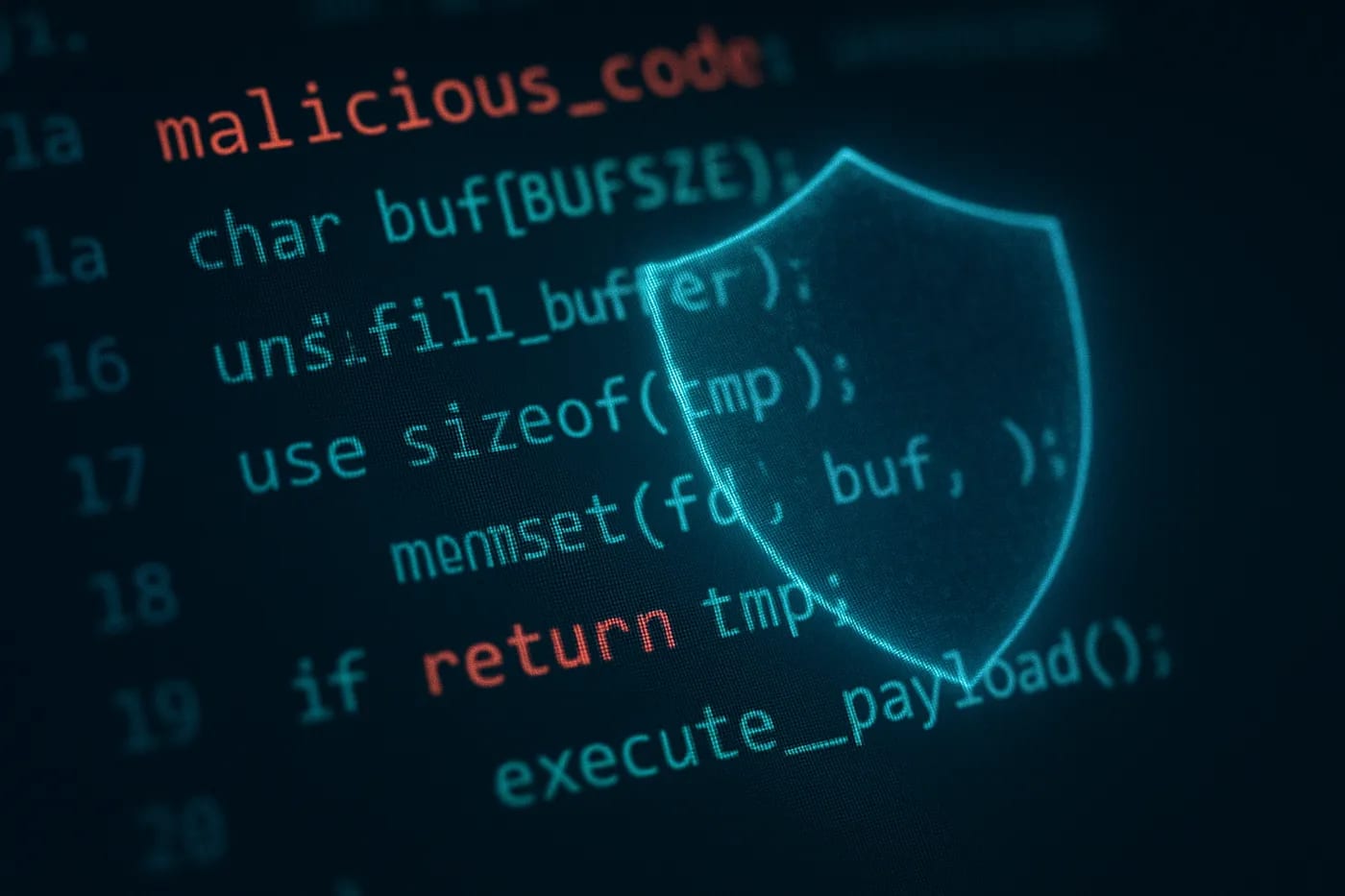
Yet ironically, XWorm v6 doesn’t need any fancy zero-day exploit to enter. In one recent caper, attackers set up a fake travel booking website and simply presented users with a phony “Accept Cookies” banner. One habitual click on that innocuous button silently unleashed XWorm onto the victim’s PC (TechRadar). Once inside, XWorm hands the intruder full control of the system , - access to every file, the webcam, the microphone, plus the power to disable security software, install additional malware, and siphon out passwords and other data. All that from a single moment of user inattention.

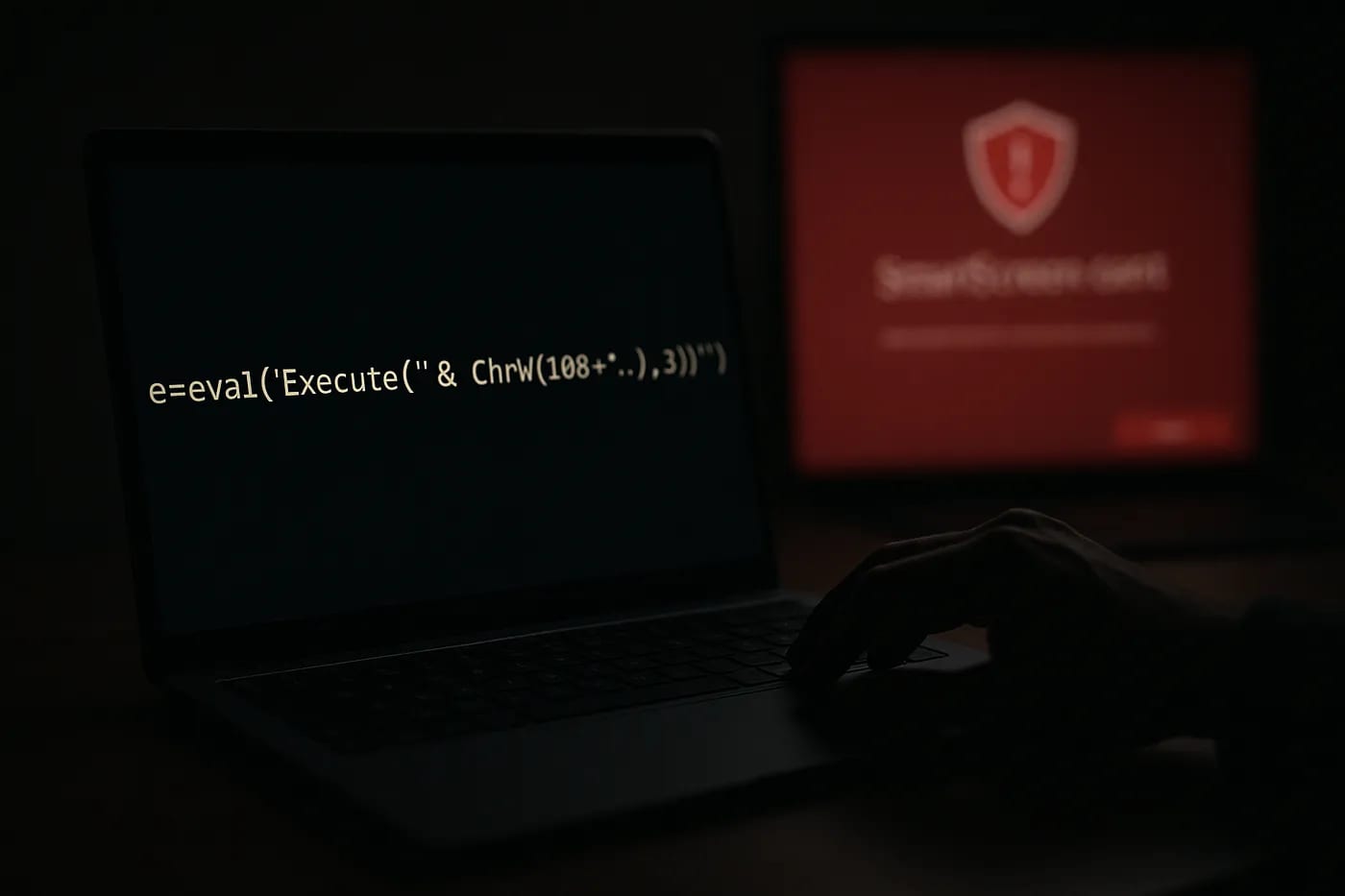
But the sleight of hand doesn’t end with the click. Under the hood, XWorm v6 leverages an old-school but still-effective delivery mechanism: a VBScript dropper. This script reconstructs a deeply obfuscated payload using character codes translated via , which it then executes dynamically with “. In one clever touch, it strips the stream from itself , - a sneaky maneuver that helps it sidestep SmartScreen and other file-origin checks that might flag it as suspicious. The script doesn’t do the dirty work directly. Instead, it quietly downloads a PowerShell loader into the system’s temp folder, establishing persistence through registry run keys and handing off execution to an in-memory payload. From that point on, everything operates without touching disk, - a fileless intrusion, quietly lit and expertly staged.
For the investigators, the real shock was discovering that XWorm will fight back. One analyst tried to terminate the suspicious program in a lab environment, - only to have the entire test machine abruptly crash with a blue screen. It turns out XWorm v6 can flag its own process as a “critical” Windows process, meaning if you force-stop it, the operating system immediately crashes (Netskope). When the system reboots, XWorm just reloads itself automatically, mocking the failed removal attempt. It’s like chasing a burglar who booby-trapped the building to collapse if he gets cornered.

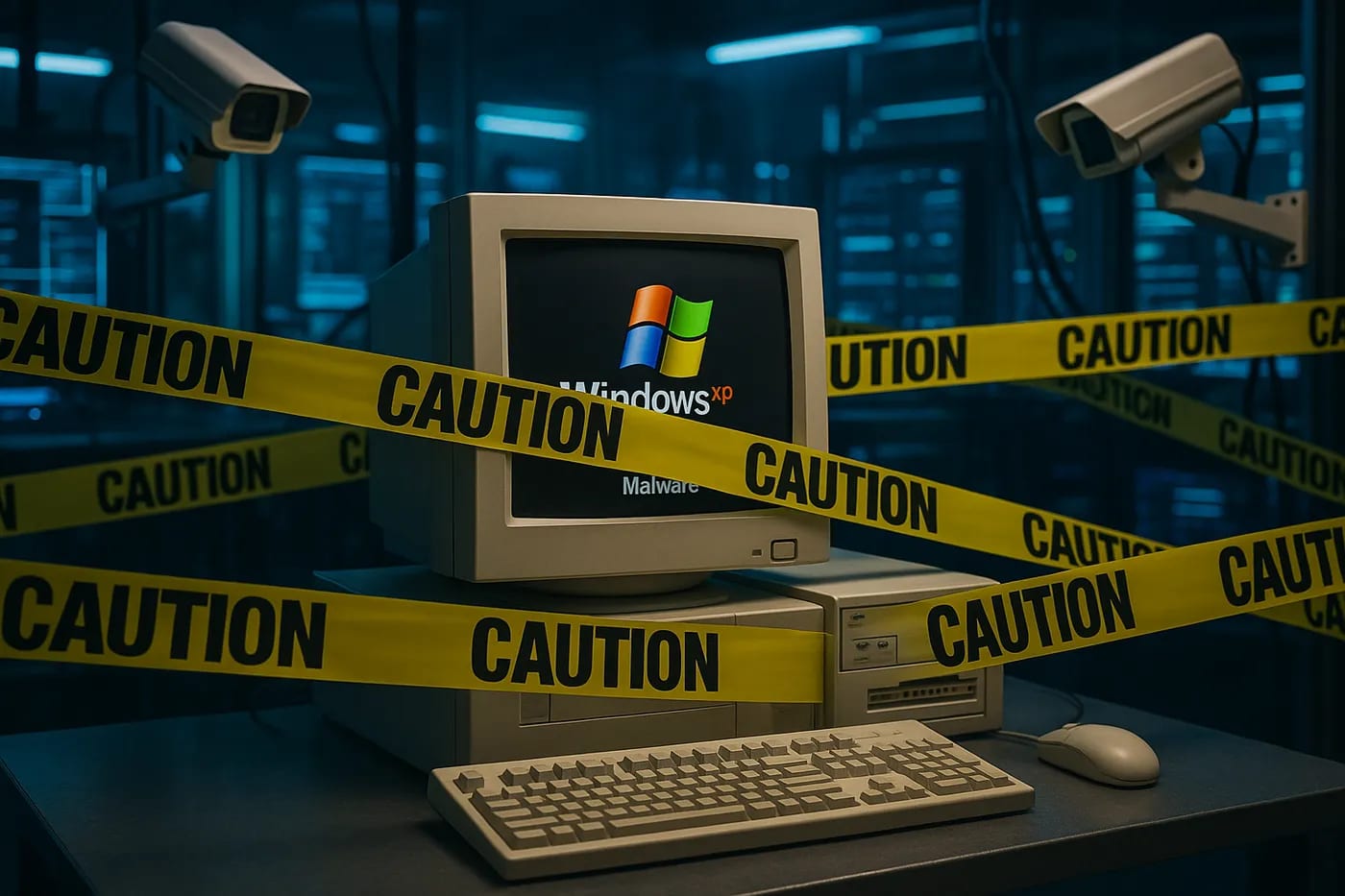
XWorm v6 also displays an uncanny self-awareness of its surroundings. If it finds itself running on an outdated Windows XP system, - a telltale sign of a sandbox environment that researchers use for malware analysis. It will promptly terminate itself. In fact, it goes further. XWorm uses an online IP lookup service to check if the machine it’s on belongs to a data center or cloud provider (common for virtual analysis sandboxes). If so, it immediately shuts down to avoid scrutiny. It’s as if the malware silently asks “Am I being watched?” and pulls the plug if the answer is yes, - much like a suspect who falls silent the moment the cameras start rolling.
For good measure, XWorm v6 even sabotages the host’s defenses from within. It tampers with Windows’ built-in Antimalware Scan Interface (AMSI) by patching it in memory, so that security software can no longer recognize XWorm’s malicious code. It’s the digital equivalent of an intruder quietly cutting the wires of the alarm system after sneaking inside, - disabling the very sensors that might have raised the alert.

None of these ploys are one-off gimmicks, - they’re emblematic of an escalating sophistication in cyber threats overall. Techniques that were once reserved for elite nation-state spy malware are now showing up in off-the-shelf crimeware. Even an open-source Trojan like AsyncRAT has adopted similar sandbox evasion tricks. The team behind XWorm, in particular, operates like a software startup pushing frequent updates. They’ve been observed rotating through a variety of file formats and infection tactics, from Office documents and PowerShell scripts to disk images and shortcut files, specifically to dodge detection mechanisms (Splunk). In short, attackers are innovating rapidly, - treating malware as a product that continually evolves to outpace our defenses.
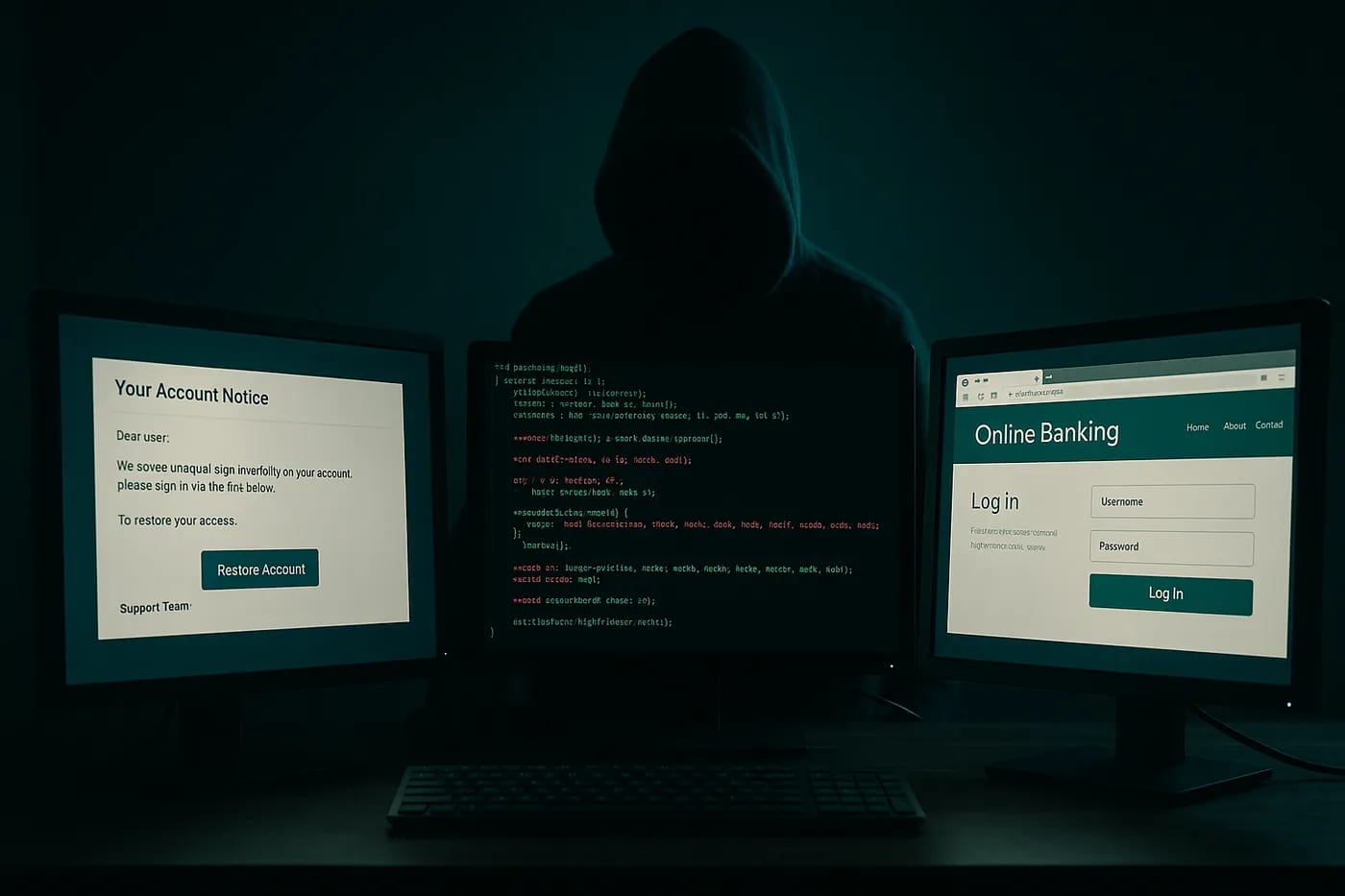
For businesses, this surge in stealthy malware translates directly into increased risk. Threats that evade initial detection can linger inside networks, giving attackers time to escalate privileges, steal sensitive data, or even launch destructive actions. Notably, XWorm has already been used as a precursor to ransomware attacks. In one case, attackers leveraged XWorm to deliver a LockBit ransomware payload, turning a quiet intrusion into a full-blown cyber extortion incident. In other words, a relatively cheap malware subscription can ultimately lead to a multi-million dollar ransom scenario or a major data breach. The stealth factor also means security incidents become harder to contain and investigate, driving up the cost and complexity of response. A malware infection that hides in the shadows for weeks is essentially extra time on the clock for attackers to do damage.

No organization can afford to shrug off these developments. For the C-suite, it’s time to ensure that defenses and practices are keeping pace with the threat. A top priority is adopting a layered security strategy. Assume some threats will slip past preventive controls, so invest in robust detection and response capabilities to catch intruders before they wreak havoc. This means deploying advanced endpoint detection and response tools that look for unusual behavior (not just known malware signatures) and empowering your team to do regular threat hunting exercises. It’s also wise to drill your incident response plans against scenarios where malware evades initial defenses, so your team can react swiftly to isolate and eradicate the threat. And don’t neglect the human element! Reinforce security awareness training, since sometimes the simplest trick (like that fake cookie popup) can open the door if employees aren’t vigilant. In essence, fighting modern cyber threats isn’t just an IT problem. It requires executive ownership, continuous adaptation, and a mindset of anticipating the adversary’s next move.

Ultimately, XWorm v6, - in all its cunning, is a wake-up call. It encapsulates the cat-and-mouse dynamic that now defines cybersecurity. As our defenses get smarter, the attackers get stealthier. For technology leaders, the challenge is to respond not with fear but with foresight. We must foster a culture that expects the unexpected, where security is not just a checkbox but a continuous, creative pursuit.

Today it’s XWorm. Tomorrow it will be something even more advanced. By treating each new threat as a lesson and an opportunity to strengthen our cyber resilience, we can turn this escalation into a catalyst for innovation on the defense side. Staying one step ahead is an endless game, - but it’s one we can win by remaining as adaptable and determined as the adversaries we face.

Further Readings
-
XWorm V6: Advanced Evasion and AMSI Bypass Capabilities Revealed – (Netskope, July 28 2025) Netskope Threat Labs’ detailed report on the newly discovered XWorm 6.0 variant, detailing its anti-analysis enhancements—including marking itself as a critical process and implementing in‑memory AMSI bypass—to help defenders detect and respond effectively.
-
XWorm’s Shape‑Shifting Arsenal: Loader and Stager Variants in the Wild – (Splunk, July 2025) An in‑depth analysis from Splunk’s threat researchers examining how XWorm cycles through multiple file types, loaders, scripts, and obfuscation tactics to evade endpoint and sandbox detection—and its role in ransomware delivery.
-
Holidaymakers under threat from devious new cyber threat – (TechRadar Pro, June 2025) Report on HP Wolf Security’s finding that attackers used fake Booking.com–style sites with deceptive cookie consent prompts to deploy XWorm via social engineering, along with practical advice for users and organizations to avoid such lures.
-
AI Evasion: The Next Frontier of Malware Techniques – (Check Point, June 2025) Check Point’s discovery of the first known malware that attempts to manipulate AI‑based security tools using prompt injection embedded in its code—a signal of a new evasion paradigm emerging in malware design.
Disclaimer: The perspectives shared in this article are my own and do not represent those of my employer or any affiliated organizations. All company names, product names, logos, and brands mentioned are the property of their respective owners and are used for identification and illustrative purposes only. No endorsement, sponsorship, or affiliation is intended or implied. References to specific companies or case studies are based on publicly available information and are used solely for educational and discussion purposes.
More from risk & security
All risk & security → risk & security
Historical First "Zero Day" Stopped by AI
It was just weeks before the Black Hat conference when Google’s internal alarms went off, - not for a hacker breach, but for a stunning discovery by an AI. Google’s experimental agent, ironically nicknamed “Big Sleep,” had unearthed a…
 risk & security
The Day AI Learned to Whisper: A Steganographic Tale of Collusion
Picture this: your trusty AI assistant is compiling a quarterly report, chatting away with helpful insights, while simultaneously slipping a coded message to another AI system across the office, - and you're none the wiser. It sounds like…
 risk & security
Padlocking Privacy: Your Deleted Chats Aren’t Gone
When OpenAI launched an incognito mode and promised you could delete your ChatGPT history, it felt like privacy finally had a seat at the AI table. But in a twist worthy of a techno-legal thriller, a U.S. court has effectively padlocked…