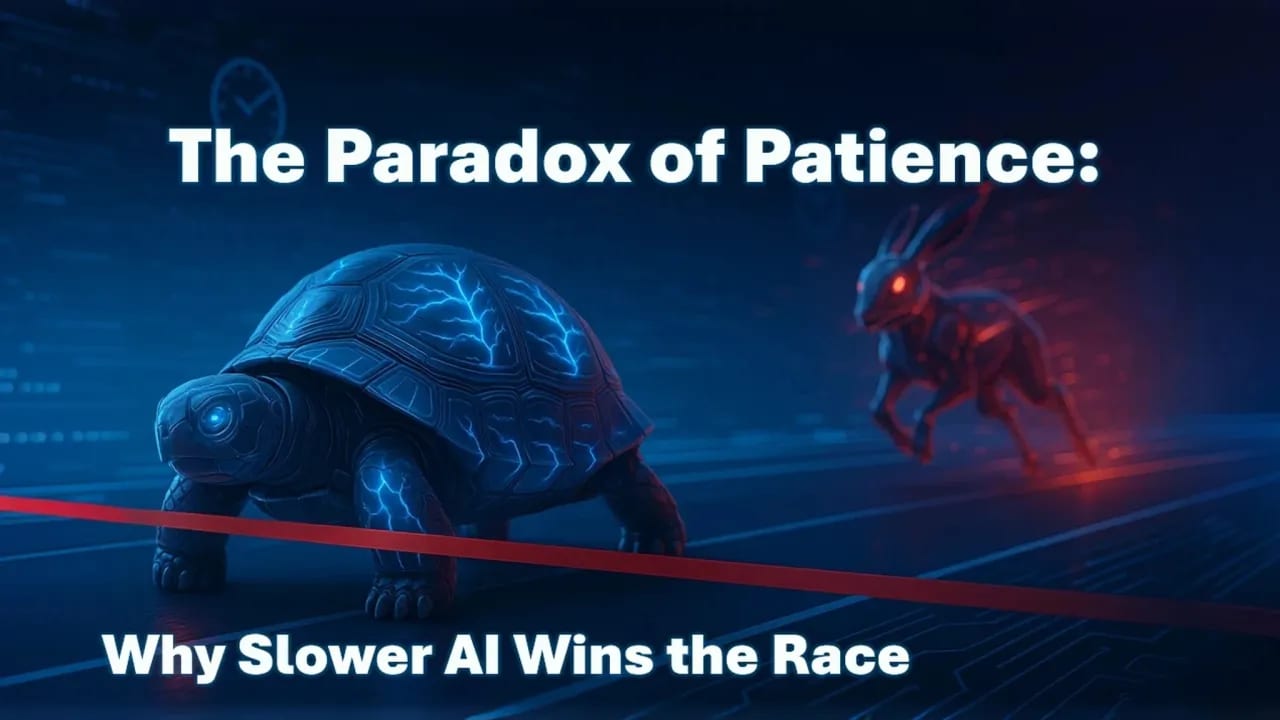
The Paradox of Patience: Why Slower AI Wins the Race
🔊 Listen to the NotebookLM Podcast version on SoundCloud here. 🔊
In the relentless pursuit of faster, more powerful AI systems, we’ve somehow managed to sidestep a fundamental truth about intelligence: timing matters.
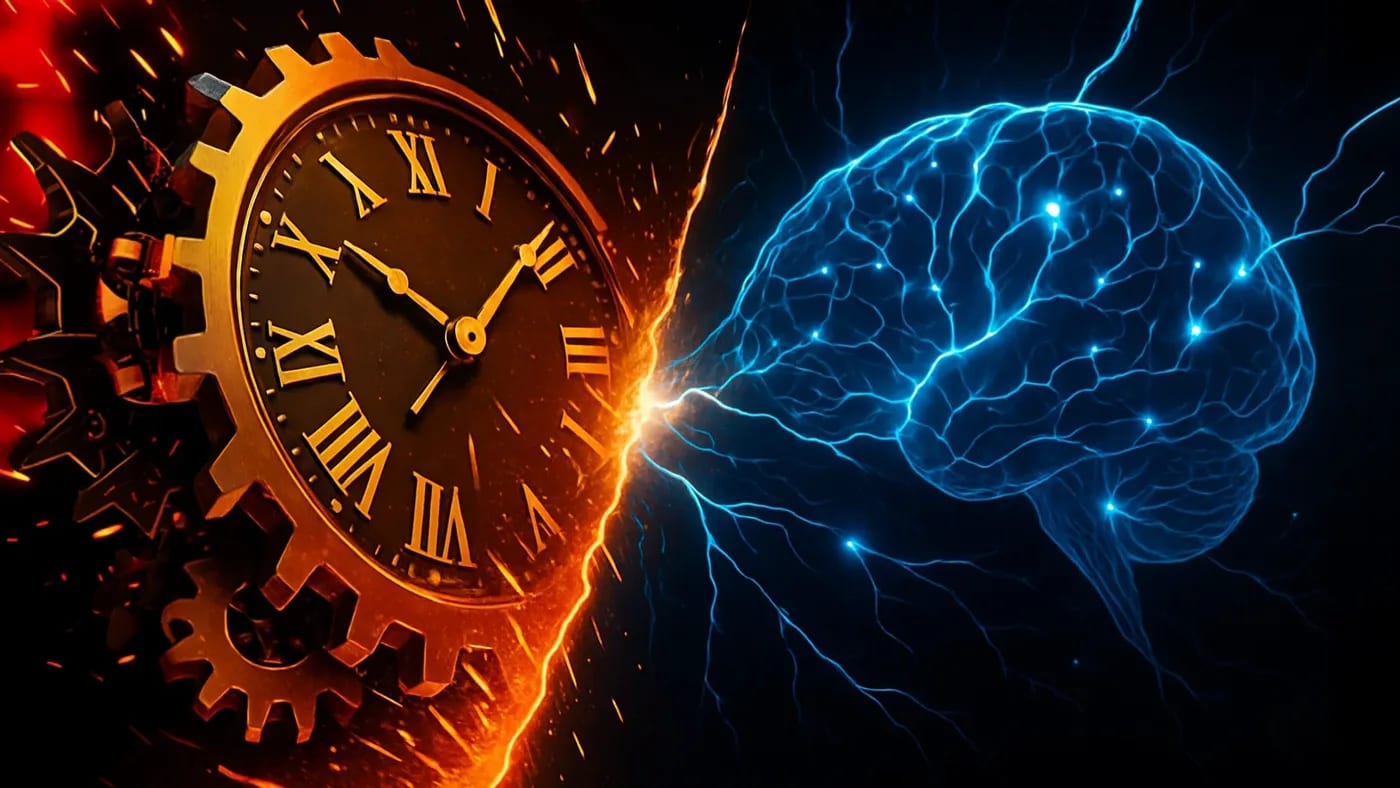
Our most impressive neural networks, for all their computational might, operate with the neurological equivalent of a strobe light, - capturing static snapshots rather than the fluid, dynamic activity that defines biological brains.
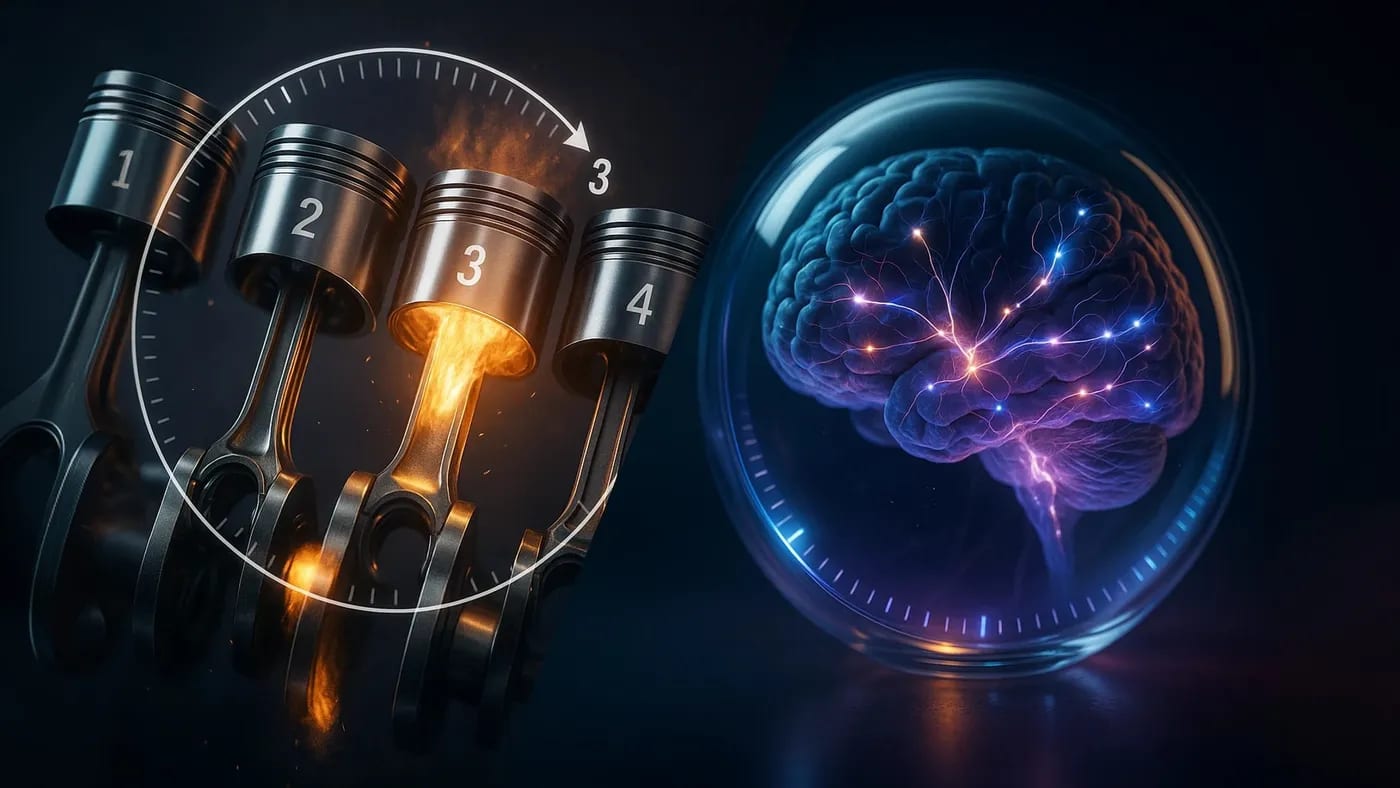
It’s as if we’ve built Formula 1 race cars without considering how the pistons need to fire in sequence. While we’ve achieved remarkable feats with this simplified approach, a bold question emerges: what capabilities might we unlock if our artificial neurons could dance in time with one another, the way our own neurons do?
The Timing Gap
Consider the humble maze. When you tackle one, your brain doesn’t simply photograph the entire puzzle and instantly compute the shortest path. Instead, your neurons fire in complex, time-dependent patterns, - building, testing, and refining mental models as you think. This temporal element of cognition isn’t a bug; it’s a feature that took evolution hundreds of millions of years to perfect.
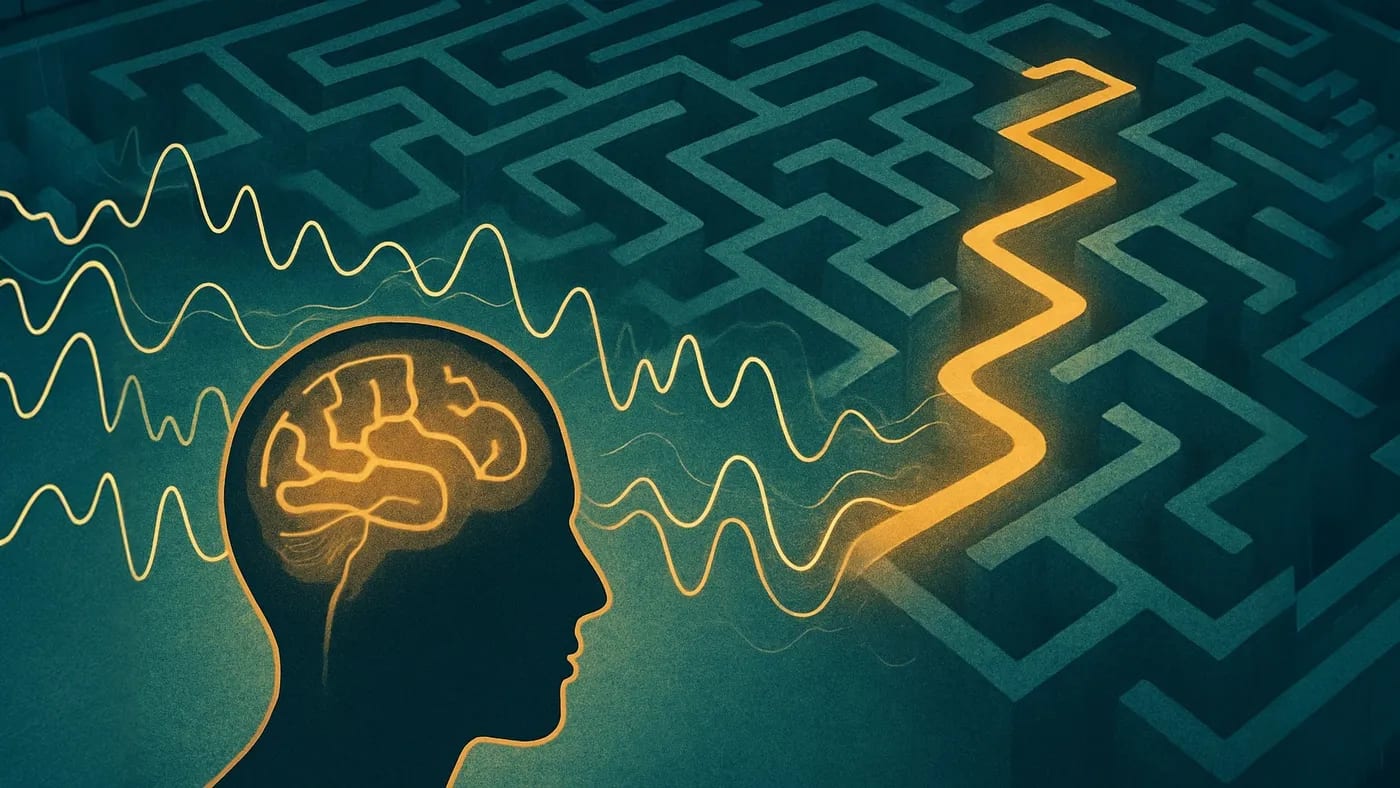
Neuroscientists have long observed that precise timing is crucial for everything from sensory perception (distinguishing sounds arriving just 50 microseconds apart) to higher-order cognition where multiple brain regions must coordinate their activity across different temporal scales.
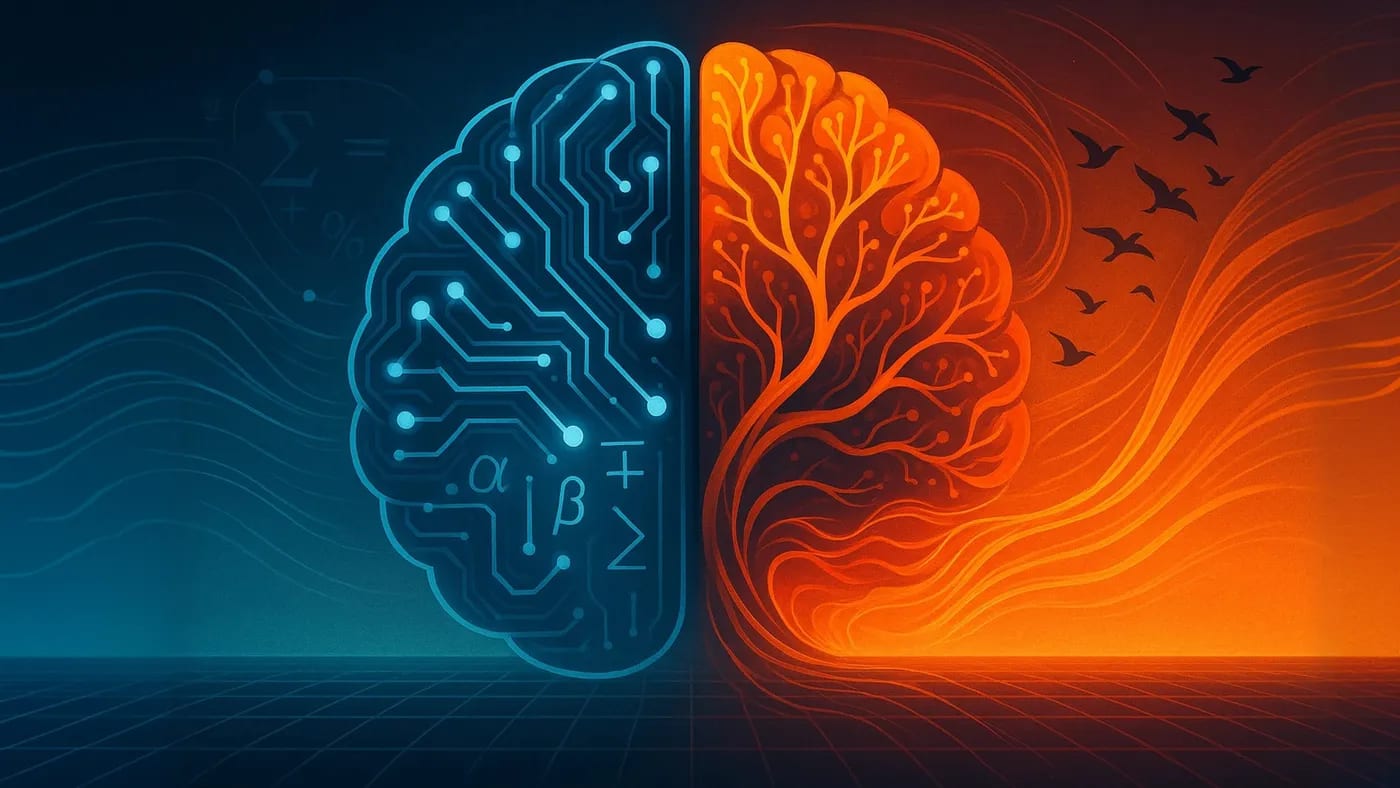
Yet, when designing artificial neural networks, we’ve intentionally abstracted away this temporal dimension, replacing the rich dynamics of neuronal activity with simplified mathematical operations that boost efficiency but sacrifice biological plausibility. The results speak for themselves: our AI systems excel at pattern recognition but stumble when faced with tasks requiring flexible reasoning or adaptive behavior. They’re incredible savants but disappointing generalists.
Enter the Continuous Thought Machine
In May 2025, researchers at Sakana AI introduced a revolutionary approach that might bridge this fundamental gap. Their Continuous Thought Machine (CTM) reintroduces the element of time into artificial intelligence, allowing neural activity to unfold continuously rather than in discrete, static steps.
This isn’t just another incremental advance. Sakana AI, founded by former Google researchers David Ha (previously at Google Brain Japan) and Llion Jones (co-author of the seminal “Attention Is All You Need” paper that birthed transformer models), along with Ren Ito (formerly at Stanford), represents a bold departure from conventional thinking. Unlike conventional neural networks that process information through layers of fixed computations, the CTM literally thinks through problems, - developing, refining, and synchronizing its neural activity over time.
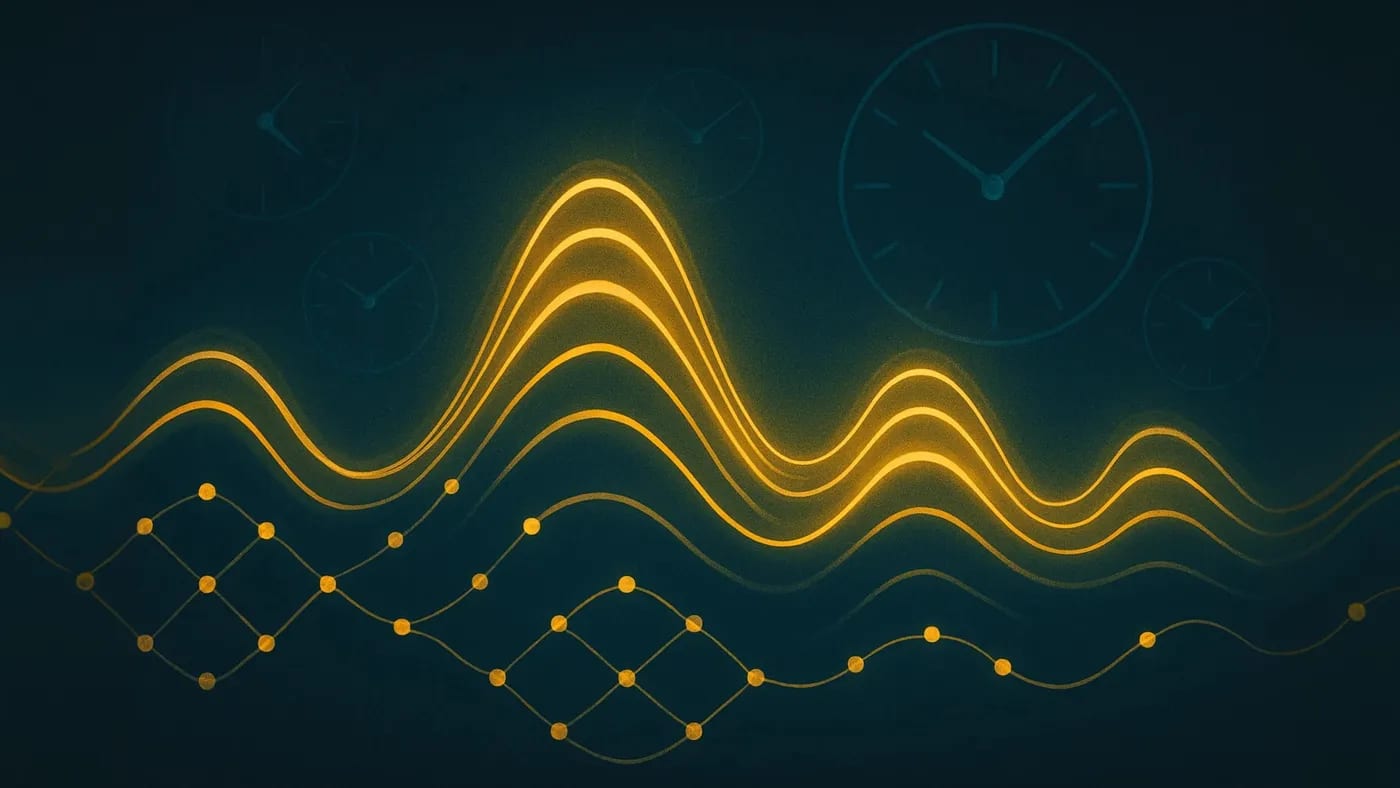
“Neurons in brains use timing and synchronization in the way that they compute,” explains the Sakana AI team. “This property seems essential for the flexibility and adaptability of biological intelligence.”
Three Fundamental Innovations
The CTM architecture introduces three key innovations that set it apart from traditional AI models:
Thought Dimension
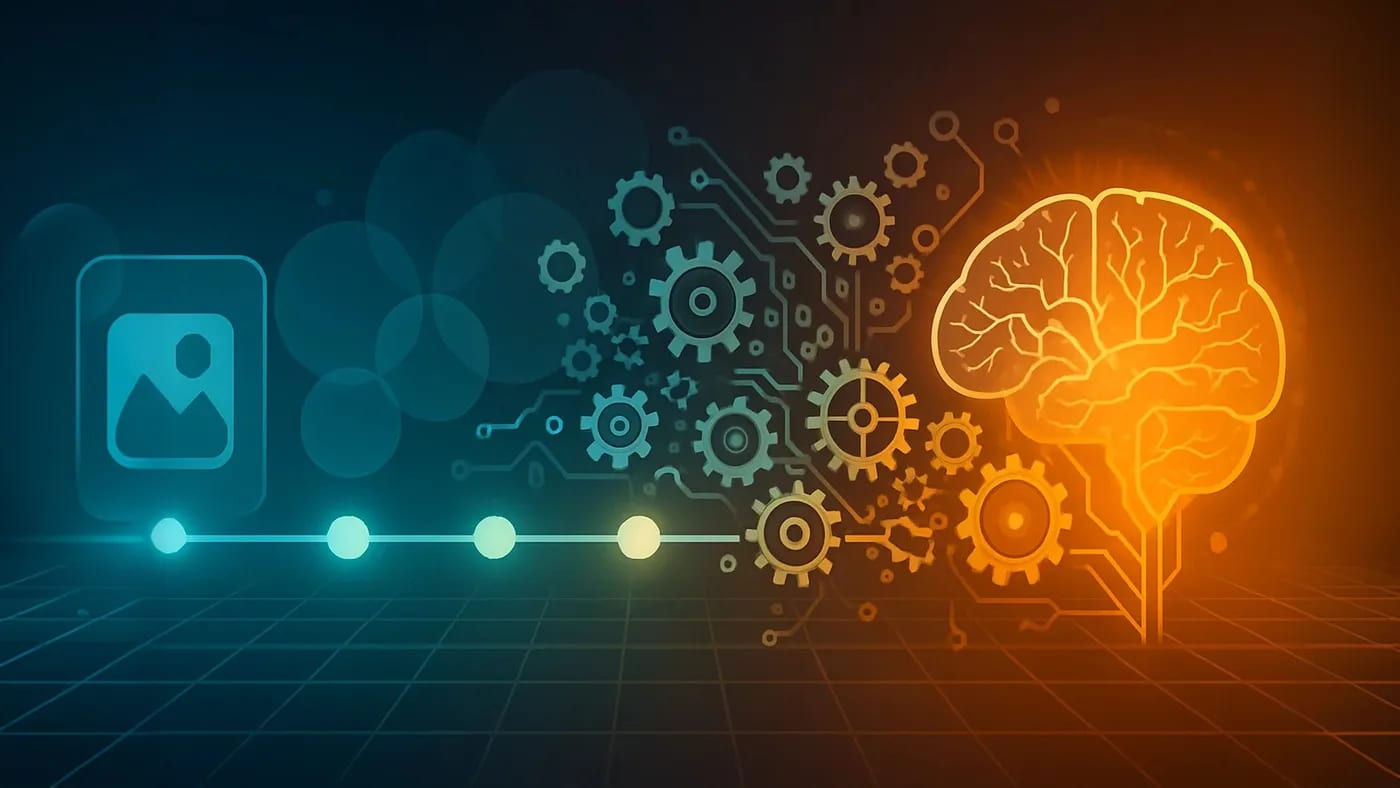
First, it establishes a “thought dimension”, - an internal timeline completely decoupled from any input data sequence. This allows the model to engage in multiple steps of internal processing even when working with static inputs like images. Much like how you might spend seconds or minutes contemplating a chess move, the CTM can dedicate varying amounts of computational “thought” to problems of different complexity. This dimension creates a space for cognitive operations to unfold organically, not unlike the hierarchical temporal integration windows observed in biological brains.
Neuron-Level Models
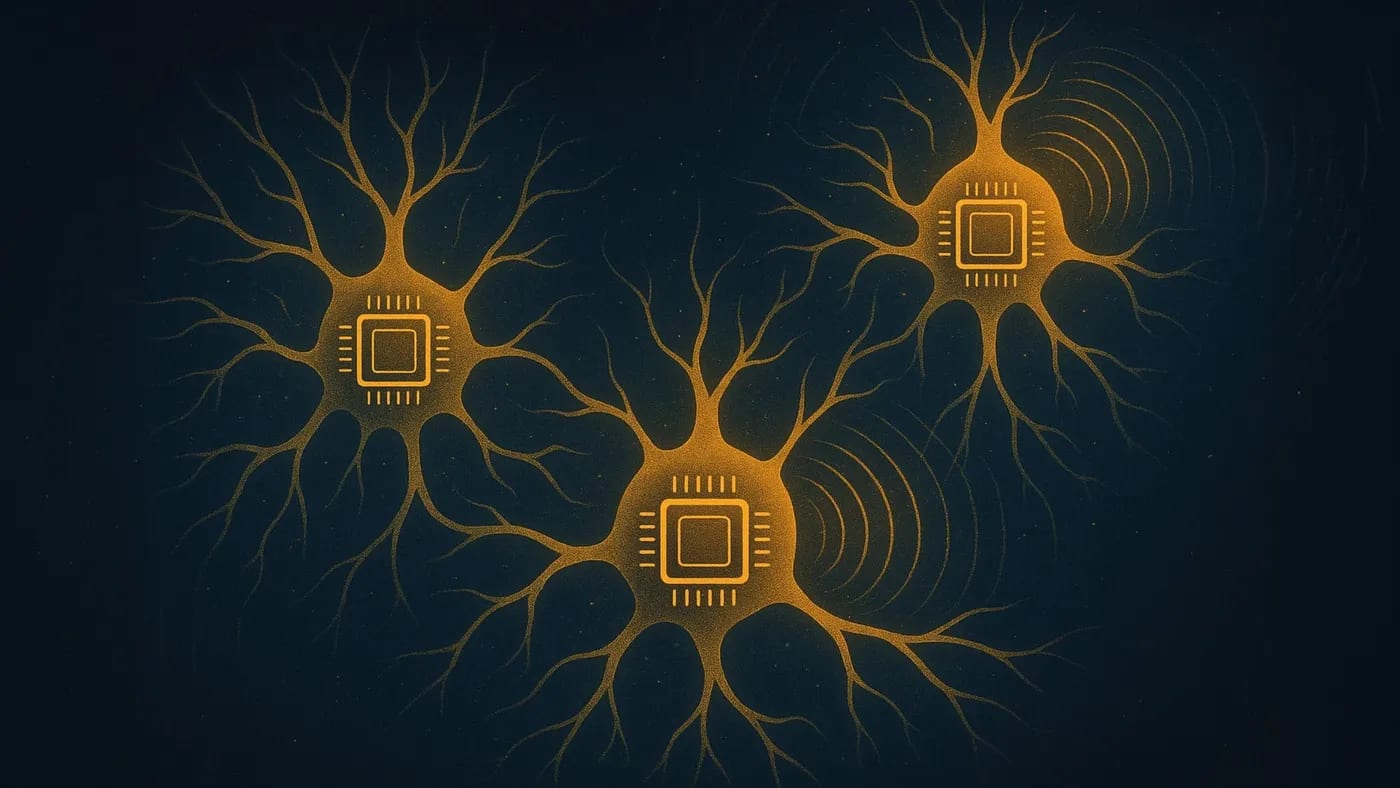
Second, it employs neuron-level models where each artificial neuron possesses its own unique parameters to process incoming signals over time. This is akin to giving each neuron its own private microprocessor that learns to respond to temporal patterns rather than just current inputs. Neuroscientists have long understood that individual neurons function as complex computational units with their own temporal processing capabilities, not mere threshold devices.
Neural Synchronization
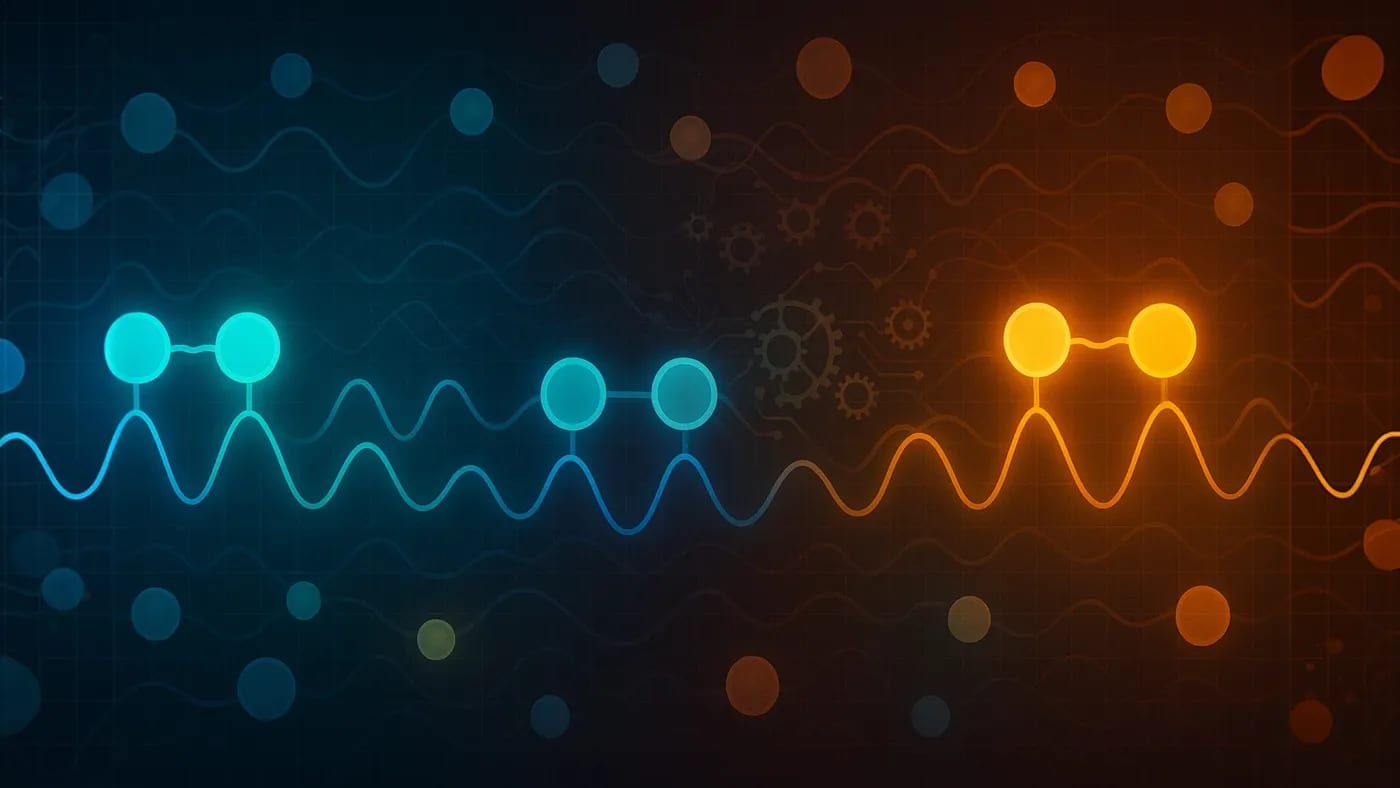
Third, and most radically, it uses neural synchronization as its fundamental representation. The CTM tracks how pairs of neurons synchronize their activity over time and uses these synchronization patterns to both perceive the world and make predictions. Information isn’t just stored in neuron values but in how they dance together, - mimicking how synchronized oscillations in brain regions facilitate communication and cognitive binding in human brains.
From Mathematics to Metaphor
If traditional neural networks operate like calculators, - crunching numbers through fixed pathways, then CTMs function more like jazz musicians, each neuron improvising while staying in rhythm with others. This isn’t just a poetic metaphor, - it’s a functional difference that yields tangible benefits.
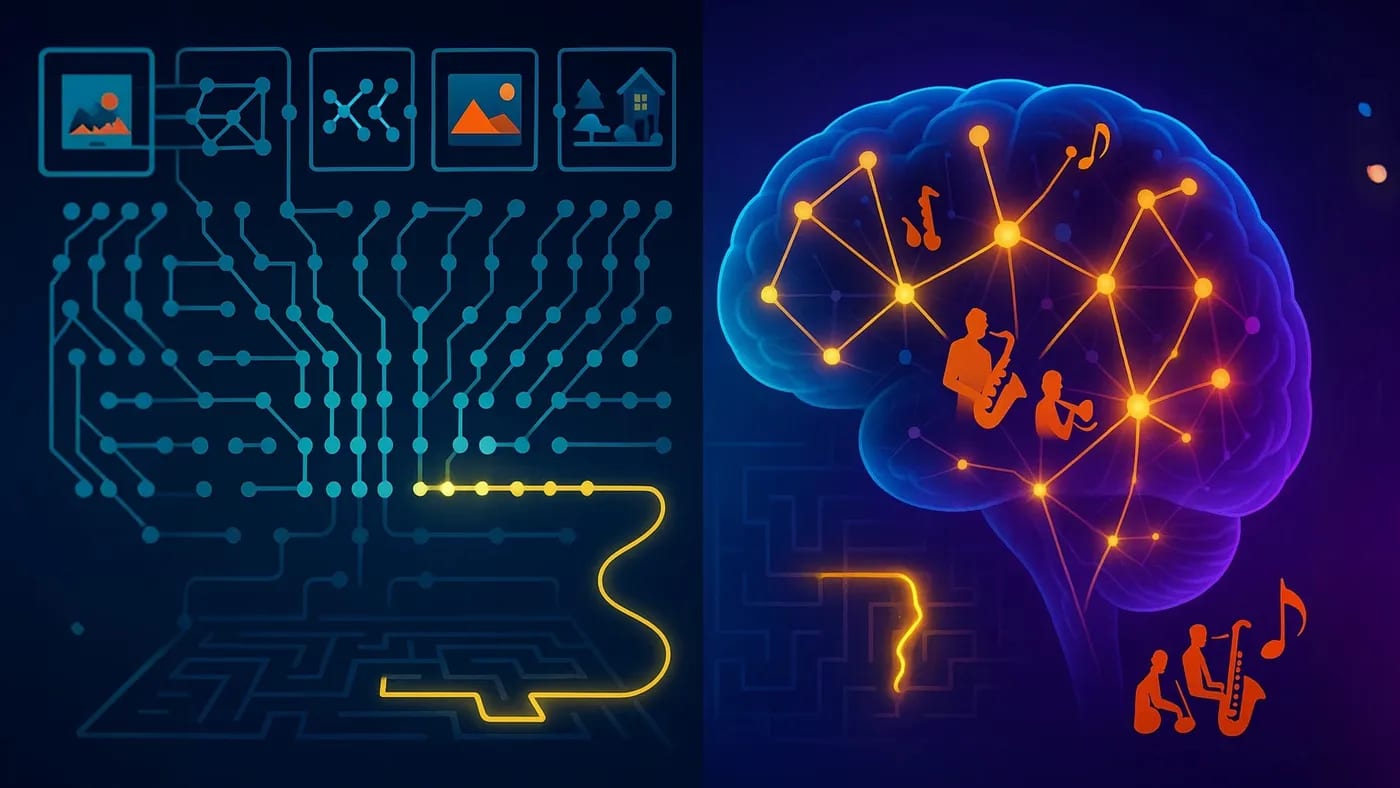
In maze-solving experiments, the CTM demonstrates something eerily human, - it traces potential paths, explores dead ends, and gradually constructs a solution through continuous thought. For image classification, it allocates more internal processing steps to complex images while swiftly categorizing simpler ones. This adaptive computation mirrors how humans tackle problems: a quick glance for simple tasks, deep concentration for complex ones.
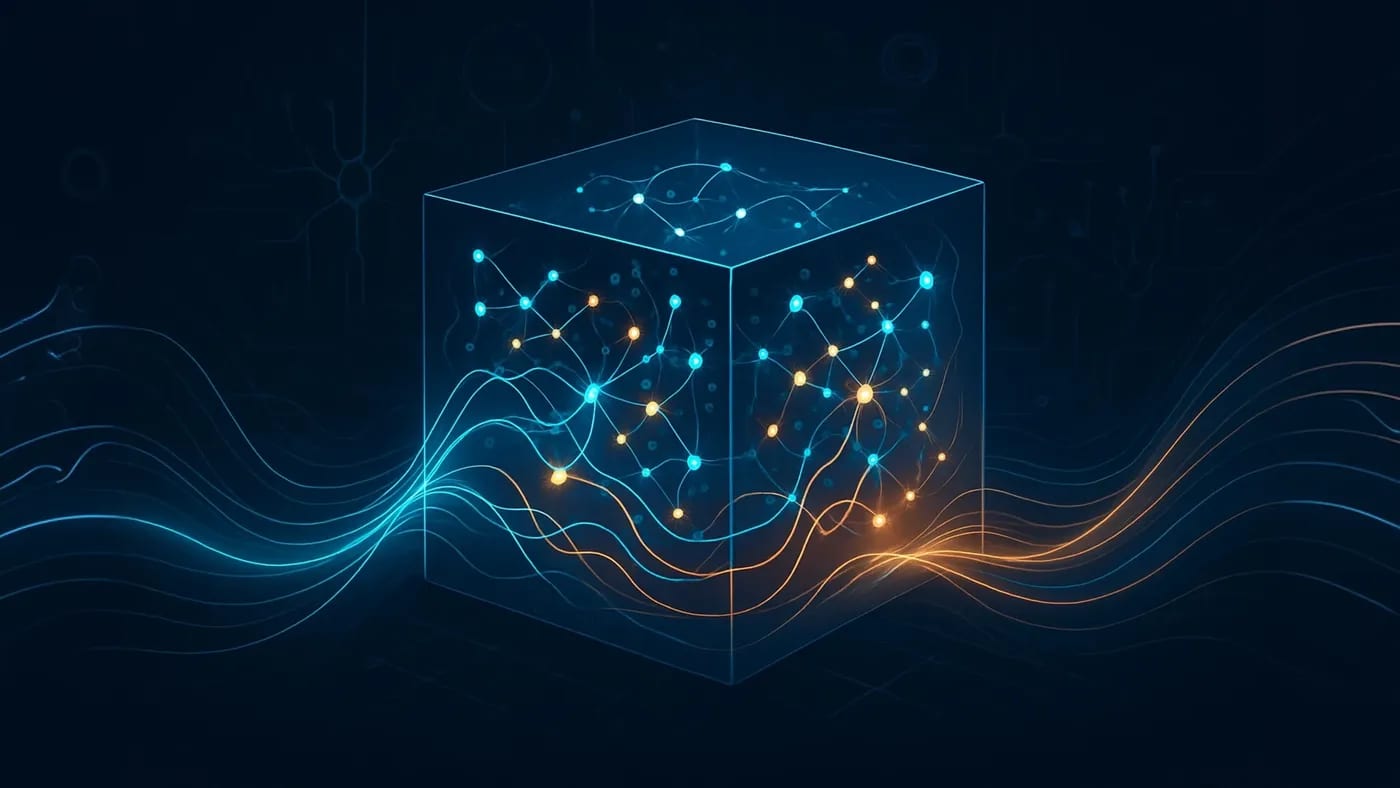
The beauty of this approach lies in its intrinsic interpretability, some may say optimization. You can literally watch the CTM think by observing the patterns of neural activity as they unfold. The black box becomes, if not transparent, at least translucent.
The Business Case for Thinking Machines
For executives and innovation leaders, CTMs represent more than an academic curiosity, - they offer a potential paradigm shift in how AI systems approach complex business problems.
Imagine customer service agents that adjust their “thinking time” based on the complexity of a query, allocating just milliseconds to routine requests but engaging in extended reasoning for challenging issues. Or consider financial models that can trace through multiple causal pathways when analyzing market conditions, developing nuanced strategies rather than relying on brittle historical patterns.
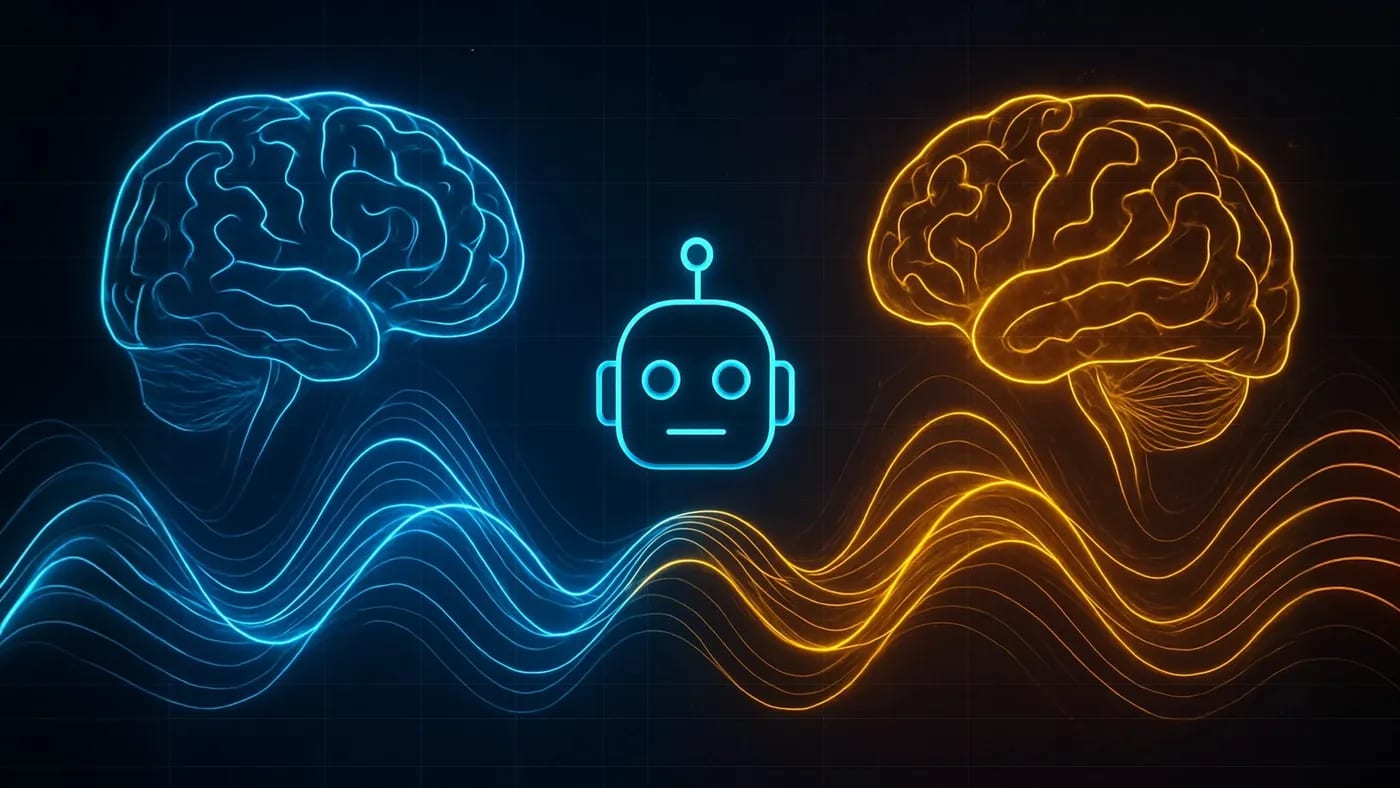
Recent research into neural synchrony in human interactions provides another intriguing avenue: in close collaborations, human brains actually synchronize their activity patterns, enhancing communication and mutual understanding. CTM-inspired models could potentially facilitate more natural human-AI collaboration by mimicking this synchronization process, creating AI systems that literally “get on the same wavelength” as their users. We shall see.
The ability to allocate computation dynamically based on problem complexity promises both efficiency and effectiveness. Simple problems receive minimal resources; complex ones get the deliberation they deserve. This mirrors how successful executives manage their own attention, - quick decisions where appropriate, deep analysis where necessary.
The Inflection Point
We stand at a fascinating juncture in AI development. For decades, we’ve optimized for computational efficiency, creating increasingly powerful but fundamentally limited systems. CTMs suggest an alternative path, - one that reincorporates the temporal dynamics that made biological intelligence so remarkably flexible in the first place.
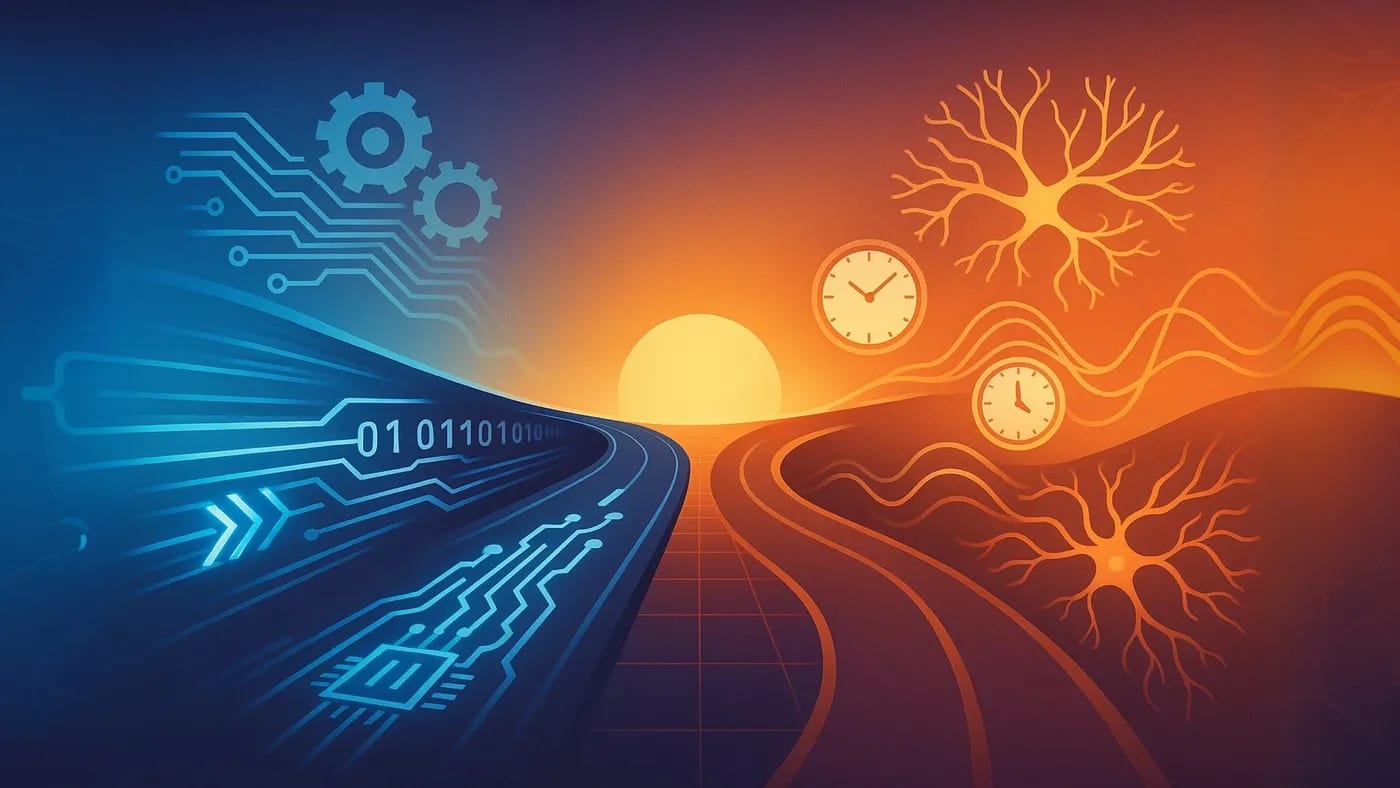
This isn’t about abandoning the tremendous progress we’ve made. Rather, it’s about complementing our existing approaches with new architectures that honor the importance of time in cognition. The most successful organizations will likely be those that recognize when precision and adaptability matter more than raw speed.
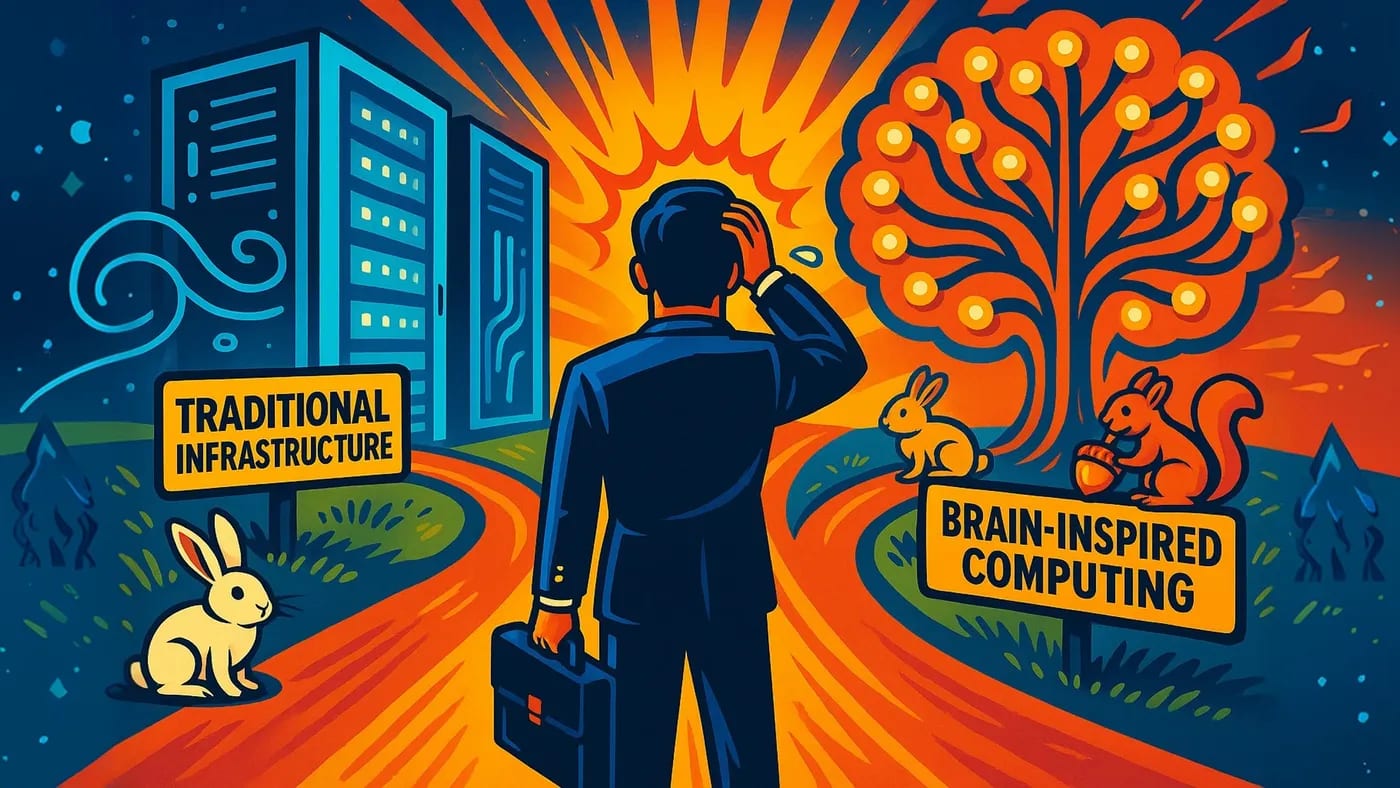
In healthcare, temporal dynamics could enhance diagnostic systems’ ability to detect subtle patterns in patient data over time. In manufacturing, predictive maintenance could move beyond merely identifying anomalies to understanding the complex causal chains that lead to equipment failures. In autonomous systems, more adaptable decision-making could handle novel situations with greater resilience.
Thinking About Thinking
The Continuous Thought Machine represents more than just another incremental advance in artificial intelligence, - it challenges us to reconsider what we mean by “thinking” in the first place. Is cognition merely the manipulation of static representations, or is it fundamentally a dynamic, time-evolving process?
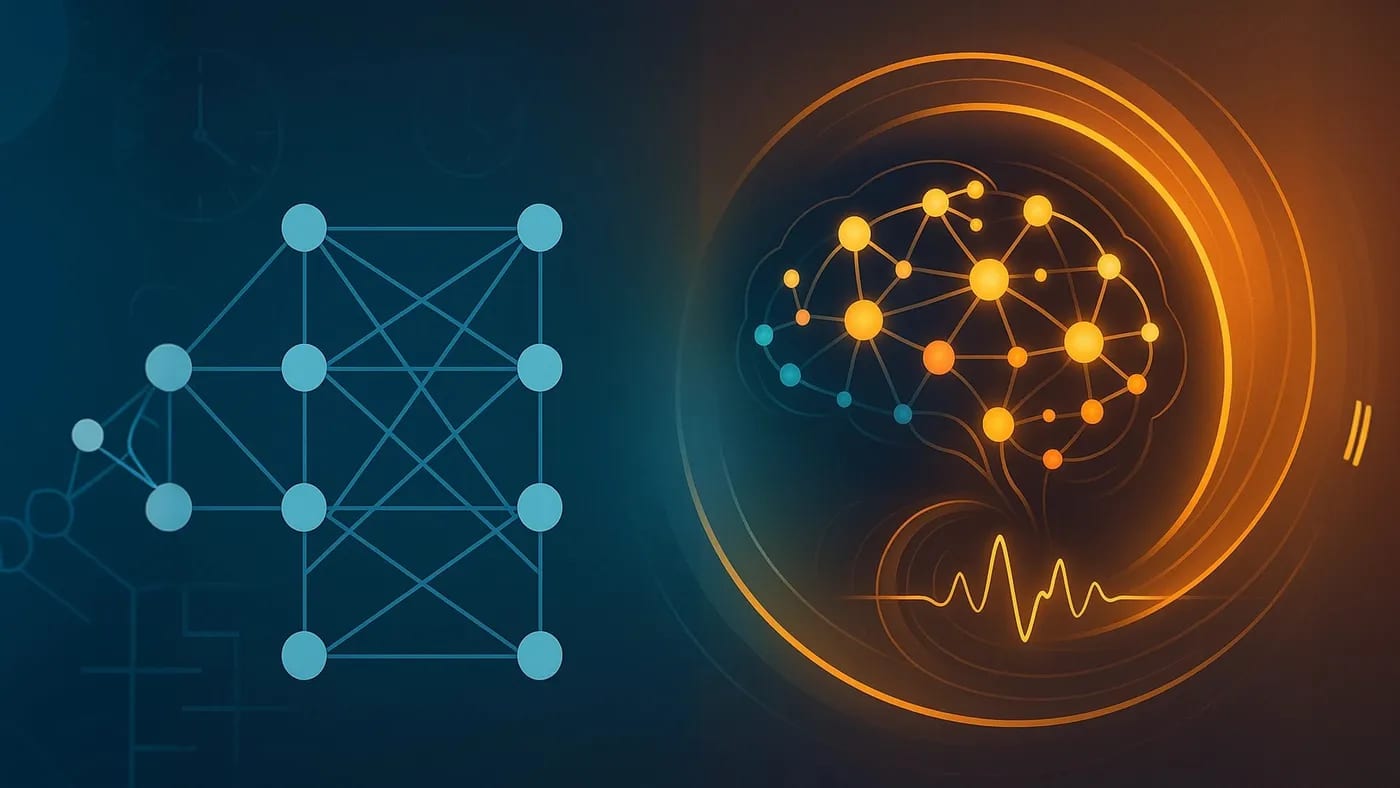
By reintroducing neural timing and synchronization, CTMs offer a glimpse of more adaptable, interpretable, and potentially more human-like AI systems. They remind us that sometimes, to move forward, we need to circle back to foundational principles we’ve overlooked in our rush for progress.
As you evaluate the next generation of AI technologies for your organization, consider asking not just how fast they can process information, but how thoughtfully they can reason through it. After all, in business as in cognition, timing isn’t just about speed, - it’s about rhythm, synchronization, and knowing when to take your time.
Because sometimes, the most powerful thing an intelligence can do is think.

Further Readings:
-
Continuous Thought Machines — Luke Darlow et al. (May 2025). An introduction to the CTM architecture that integrates neuron-level timing and synchronization to tackle complex tasks.
-
Principles of Brain Dynamics: Global State Interactions, Michael Breakspear (April 2025), A comprehensive overview of how temporal processing shapes cognitive function.
-
Novel AI model inspired by neural dynamics from the brain — Adam Conner-Simons (May 2025). MIT News on a state-space model using brain-like oscillations to improve long-sequence predictions.
-
Brain-inspired AI breakthrough: making computers see more like humans — Institute for Basic Science (Apr 2025). Press release about a new “Lp-Convolution” technique that mimics human visual cortex connectivity for more flexible image recognition.
-
Brain-inspired neural networks reveal insights into biological basis of relational learning — Ingrid Fadelli (Feb 2025). A study using plastic neural network models to understand how brains learn relationships.
-
Latent Reasoning in AI: The Future of Scalable Problem-Solving — Ajith P. (Feb 2025). Explores how AI models can perform internal iterative thinking (“latent reasoning”) to solve complex problems more efficiently.
Disclaimer*: The perspectives shared in this article are my own and do not represent those of my employer or any affiliated organizations. All company names, product names, logos, and brands mentioned are the property of their respective owners and are used for identification and illustrative purposes only. No endorsement, sponsorship, or affiliation is intended or implied. References to specific companies or case studies are based on publicly available information and are used solely for educational and discussion purposes.*
Podcast Overview
Explore the revolutionary concept of Continuous Thought Machines*, a new AI approach from Sakana AI inspired by how biological brains use timing and synchronization. Listen to this audio overview, generated by NotebookLM and hosted on SoundCloud, to discover why letting AI pause to think could be the key to more adaptable and interpretable intelligence.*
More from enterprise ai
All enterprise ai → enterprise ai
AI's Last Mile: Where Integration Excellence Matters!
Ever watched an executive proudly unveil a cutting-edge AI system, only to find it gathering digital dust three months later? These stories are pervasive. Picture this: A global manufacturer invests millions in a state-of-the-art…
 enterprise ai
Azure AI Foundry, Part I: Forging the Future of Enterprise AI
It is a truth universally acknowledged, - at least in 2023, that every ambitious enterprise suddenly needed an AI copilot or chatbot for something. Picture a midnight scene: a tech lead hunched over a workbench of scattered components, -…
 enterprise ai
Azure AI Foundry – Part II: A Developer’s Deep Dive into the Foundry
A lone developer sits before a glowing screen, code editor open and coffee going cold. The task at hand? Build an intelligent AI agent from scratch, - a challenge both electrifying and daunting. On day one, it feels like stepping into a…