Tariffs Reshape the Tide of U.S. Port Traffic in Q2 2025
🔊 Listen to the Podcast version here. 🔊✍️ If you enjoy this piece, I regularly share more like it on my Substack publication, Islands of Stability.
A Slump in Container Ship Activity
At the Port of Los Angeles, officials watched Asia cargo volumes plunge by roughly one-third virtually overnight. It was a 35% collapse in early May after weeks of bustling trade. This abrupt reversal came on the heels of unprecedented import surges just weeks prior, when U.S. docks were overflowing with containers as businesses raced to get goods into the country ahead of looming tariffs.
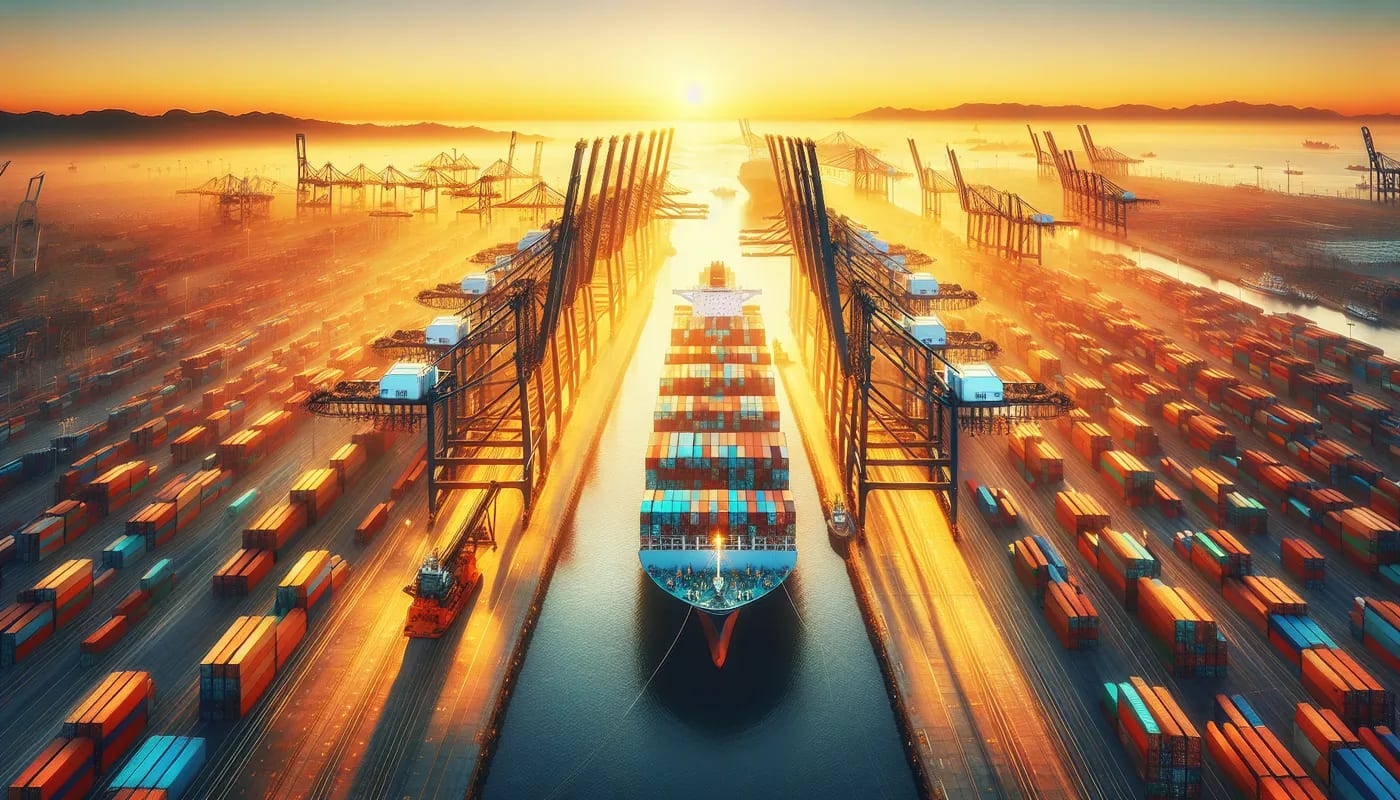
The dramatic whiplash, - from jam-packed berths to idling cranes, exemplifies how recent U.S. tariff policies are profoundly reshaping container ship activity at American ports in the second quarter of 2025.
Import Rush: Q2’s Tariff-Fueled Surge
In April 2025, U.S. container arrivals hit levels rarely seen outside the pandemic-era boom. Nationwide import volumes topped 2.4 million TEUs for the month, - about 9% higher than a year earlier, as companies front-loaded shipments en masse.
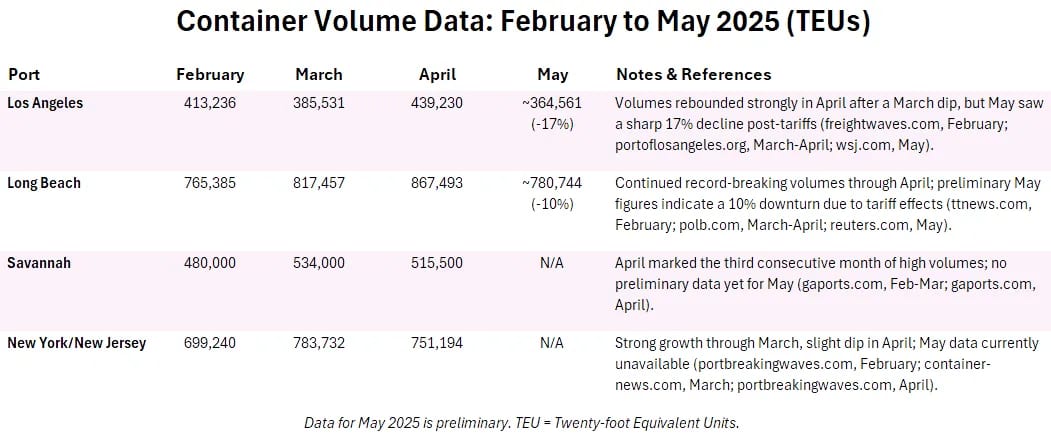
The West Coast led the charge: the Port of Los Angeles handled 439,230 TEUs in April (its third-busiest April on record), while the Port of Long Beach smashed its all-time April record with 867,493 TEUs, a 15.6% year-over-year jump. Even East Coast hubs saw gains; Savannah, for example, notched its busiest April ever at over 515,500 TEUs (up 17%).
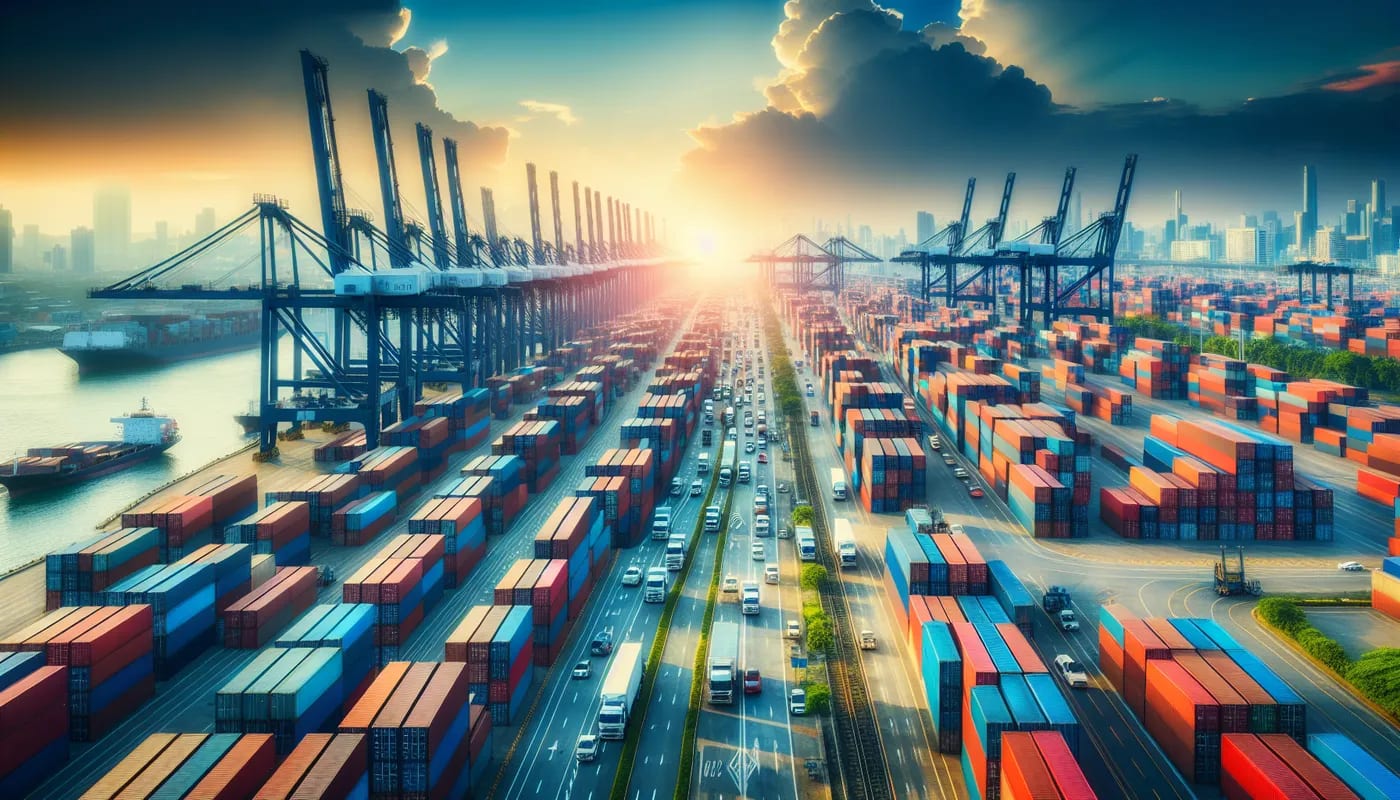
Port directors attributed the cargo boom to importers rushing to beat pending tariff deadlines. More recently “it’s been the push by importers to bring cargo in ahead of today’s tariffs,” noted Gene Seroka in Los Angeles, reflecting a sentiment echoed nationwide.
Mid-Quarter Whiplash: Tariffs Slam the Brakes
But by mid-quarter, the tide abruptly turned. As soon as hefty new tariffs took effect, major American retailers pulled back, - some halting orders from China entirely, leading to a sudden falloff in shipments. West Coast ports, the primary gateways for Chinese goods, felt it first and worst. In Los Angeles, executives braced for a precipitous drop with dozens of cancelled ship arrivals. About 12 scheduled sailings were canceled for May amid the downturn. Long Beach, after its record April, is now anticipating a more than 10% drop-off in imports in May according to port CEO Mario Cordero, who warned this would leave consumers with ‘fewer choices and higher prices’ on store shelves.
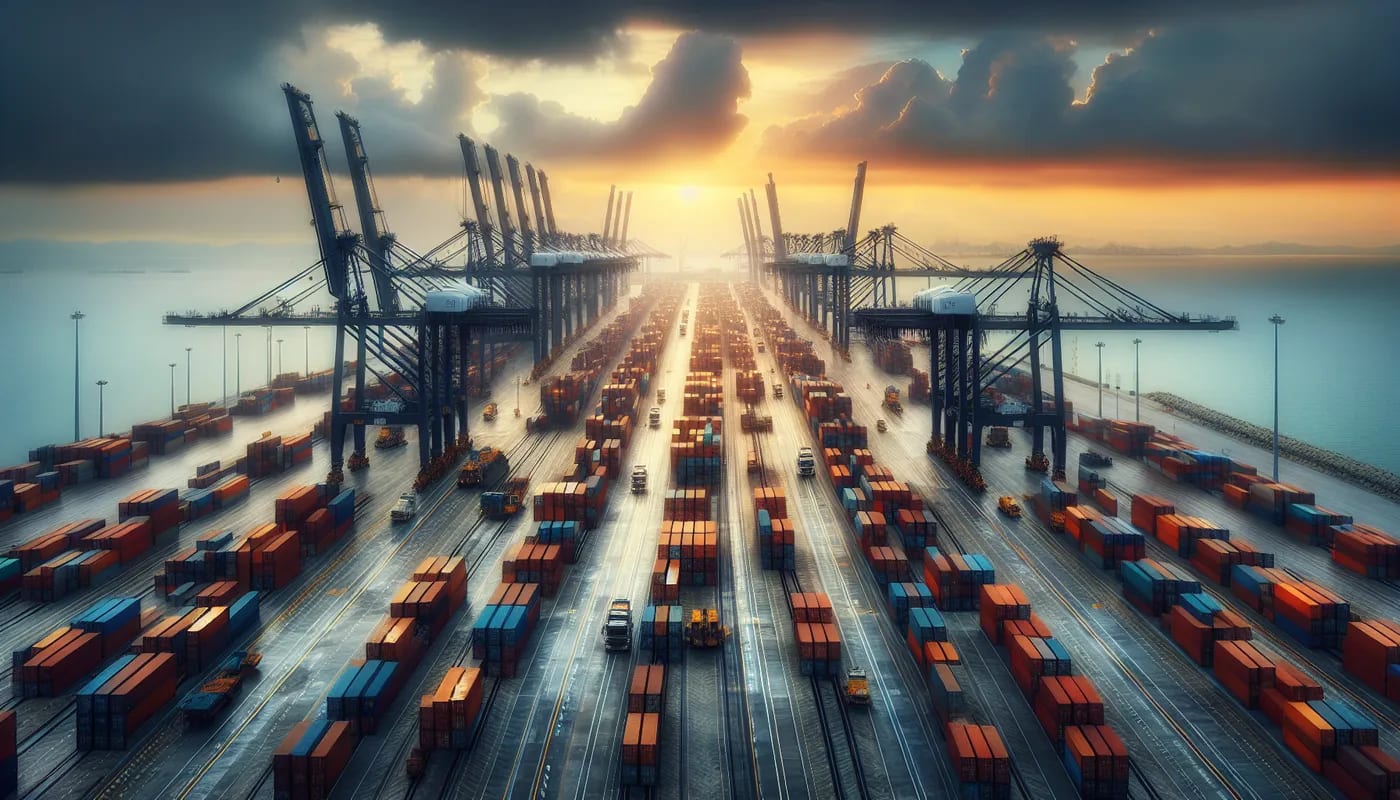
Ocean carriers responded to the shrinking cargo demand by slashing capacity. By mid-May, the trans-Pacific trade lane saw a 17% reduction in available vessel space as carriers blanked (canceled) dozens of sailings. Ships that do sail are running far below capacity, - evidenced by a surge in empty containers being sent back to Asia, - empty box exports from Southern California jumped over 20% in April. Meanwhile, U.S. exporters faced their own troubles as retaliatory tariffs abroad dented demand for American goods, deepening a multi-month slide in export volumes. A mid-May tariff truce offered a brief respite, - the U.S. rolled back a 145% duty on Chinese imports down to 30%, and China reciprocated by lowering its retaliatory tariffs to 10%, but by then the damage to Q2 shipping flows was done.
Strategic Shifts in a Volatile Trade Climate
The roller-coaster shipping trends of Q2 2025 carry critical lessons for technology and operations leaders. First, supply chain agility is now paramount. The rapid pivot from a cargo surge to a slump shows that companies must be ready to adapt logistics plans on a dime, - whether that means rerouting freight to alternate ports or expediting shipments to seize a narrow tariff-free window. Indeed, industry analysts noted that the traditional Q3 peak shipping season could arrive early this year as shippers scramble to capitalize on temporary tariff relief, compressing timelines and straining networks. In this environment, real-time visibility and analytics are vital tools: firms with AI-driven demand forecasting and digital twin simulations can better anticipate such swings and adjust inventory strategies accordingly.

Second, diversification and resilience have become non-negotiable. The tariff turmoil highlights the risks of overreliance on single trade lanes or suppliers. Forward-looking enterprises are reevaluating their sourcing footprints, - exploring nearshoring or shifting production to tariff-exempt regions, and broadening their carrier and route options to build redundancy. Investments in flexible supply contracts and buffer inventories can also help absorb shocks. As one logistics expert put it, agility, foresight, and strong logistics partnerships are more essential than ever. Technology leaders in particular should champion these adaptive strategies, leveraging innovation to buffer their operations against geopolitical headwinds.
Navigating the New Un-Normal
As the quarter comes to a close, it’s clear that tariff policy has become a driving force steering the fortunes of U.S. ports. The tumult of Q2 2025, - swinging from boom to bust, underscores a new “un-normal” of uncertainty in global trade. For strategic decision-makers, the mandate is to internalize this volatility and make resilience a core business objective. That means proactively monitoring policy changes, engaging in scenario planning, and forging supply chains that can bend without breaking.

The ships will keep arriving, - some full, some half-empty, but the organizations that thrive will be those that learned to ride these waves of change. After this tumultuous quarter, one thing is certain: invest in adaptability, embrace innovation in logistics, and turn disruption into a catalyst for smarter trade strategy. And vote.

Further Readings
-
Port of Long Beach Braces for May Slump Following Record-Breaking April (gCaptain, May 15, 2025) This article reports that the Port of Long Beach anticipates a significant downturn in May shipments following its strongest April on record. The decline is attributed to the effects of recently paused tariffs impacting the supply chain.
-
Shipping volume will plummet 35% next week, LA port official says (Reuters, April 29, 2025) Gene Seroka, Executive Director of the Port of Los Angeles, stated in a CNBC interview that the port expects a 35% drop in cargo from Asia next week. This sharp decline is due to major American retailers halting shipments from China in response to new tariffs.
-
Descartes Releases May Global Shipping Report: April U.S. Container Imports Remain Strong Amid Tariff Pressures (Descartes Datamyne, May 2025) Despite tariff pressures, U.S. container import volumes remained robust in April 2025, reaching over 2.4 million TEUs. The report notes that importers may have pulled shipments forward ahead of new tariffs, potentially impacting May volumes.
-
Brands temporarily halt ocean shipments from China (Supply Chain Dive, April 15, 2025) The article discusses how some global brands are pausing ocean shipments from China as they assess evolving trade lanes amid escalating tariffs. Port of Los Angeles Executive Director Gene Seroka highlighted that companies are reluctant to pay significantly increased import duties.
-
Long Beach sees record TEUs on trade war effect (FreightWaves, May 16, 2025) The Port of Long Beach experienced its strongest April on record, handling 867,493 TEUs, a 15.6% increase year-over-year. However, the port anticipates a significant drop in May imports due to the ongoing impact of U.S.-China tariffs.
References
Los Angeles:
-
February Freight Waves Report, February 2025
-
Port of Los Angeles Monthly Reports, April 2025
-
Wall Street Journal on Tariff Impact, May 2025
Long Beach:
-
Transport Topics February Data, February 2025
-
Port of Long Beach Statistics, April 2025
-
Reuters Report on May Downturn, May 2025
Savannah:
-
Georgia Ports Authority March Report, March 2025
-
Georgia Ports Authority April Report, April 2025
New York/New Jersey:
-
Port Breaking Waves Monthly Data, February–April 2025
-
Container News March Growth, March 2025
Disclaimer: The perspectives shared in this article are my own and do not represent those of my employer or any affiliated organizations. All company names, product names, logos, and brands mentioned are the property of their respective owners and are used for identification and illustrative purposes only. No endorsement, sponsorship, or affiliation is intended or implied. References to specific companies or case studies are based on publicly available information and are used solely for educational and discussion purposes.
More from enterprise ai
All enterprise ai → enterprise ai
Hari Seldon in the Boardroom: How AI's World Models Are Learning to Predict the Future
In Isaac Asimov's Foundation) saga, a mathematician named Hari Seldon calmly predicts the fall of a galactic empire using a fictional science called "psychohistory." In the real world of 2025, in a glass-walled boardroom, a CEO stares down…
 enterprise ai
Sharing AI Prompts for Team Success
At the Monday morning meeting, half your team has a secret. Under the conference table, they're quietly chatting with an AI assistant on their laptops or phones. One manager is tweaking a product launch email via ChatGPT while an engineer…
 enterprise ai
Azure AI Foundry – Part III: Trust, Safety, and Turbocharged Growth at Scale
A nervous energy buzzes in the control room as your AI project prepares for lift-off. Monitors glow with last-minute metrics; coffee cups tremble beside keyboards. The CTO paces like a launch director at mission control, running final…