Hari Seldon in the Boardroom: How AI's World Models Are Learning to Predict the Future

🔊 Listen to the Podcast version here. 🔊
In Isaac Asimov’s Foundation saga, a mathematician named Hari Seldon calmly predicts the fall of a galactic empire using a fictional science called “psychohistory.” In the real world of 2025, in a glass-walled boardroom, a CEO stares down volatile markets and wishes for that kind of clairvoyance. It’s a tantalizing contrast: science fiction promised us a mathematical crystal ball to guide civilization, but here we are navigating the chaos with spreadsheets, gut instinct, and dashboards. Or are we?

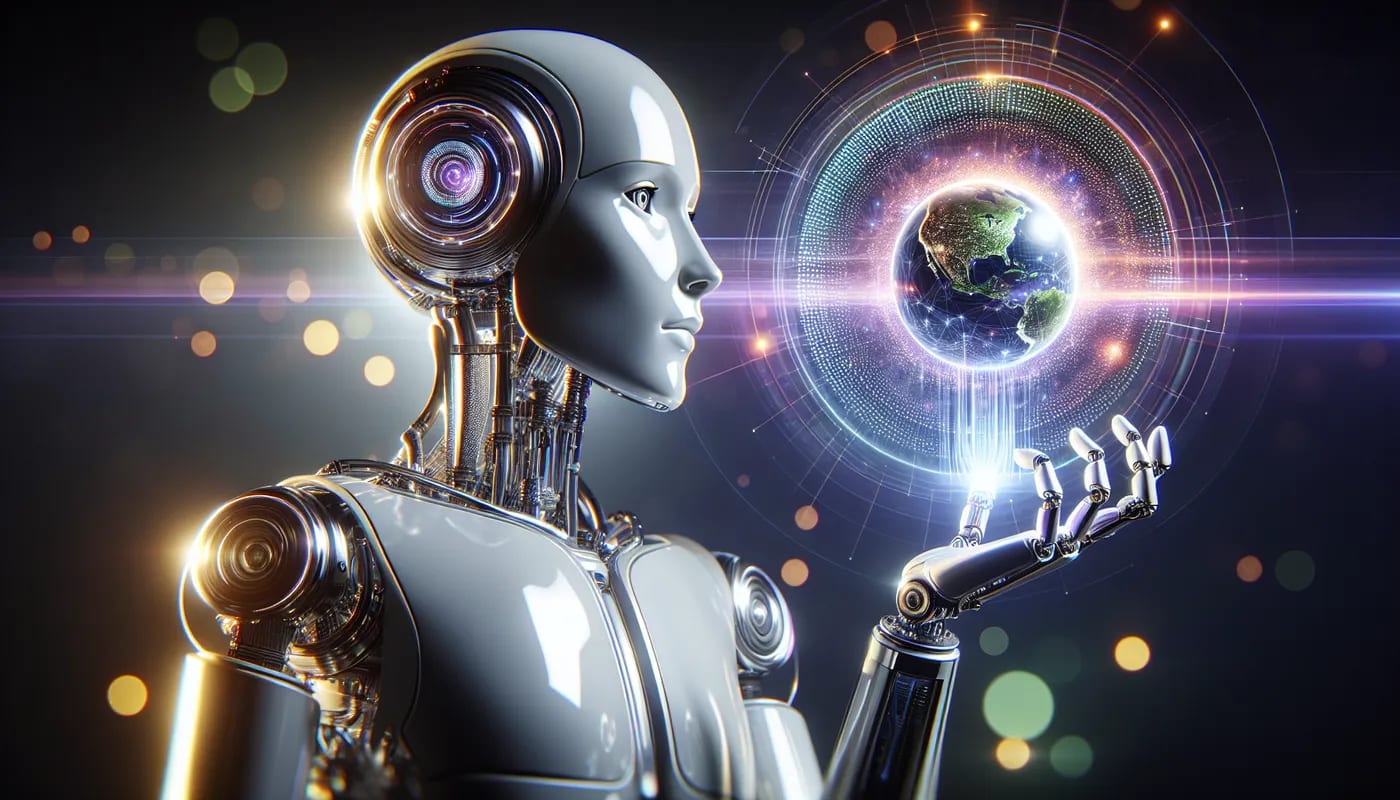
Enter the world of “world models”, - an emerging AI approach that might be the closest thing to a proto-psychohistory. No, it’s not magic or secret equations hidden in a vault, but it does involve teaching machines to understand how the world works, - at least in some slice of it, so they can predict what might happen next. Think of it as giving an AI a sandbox simulation of reality to experiment in, letting it learn cause and effect by trial and error. We humans do this in our heads all the time, - mentally simulating, say, a meeting outcome or a chess move, and now our algorithms are starting to pick up the same trick. For tech leaders, the allure is clear: if an AI can “imagine” scenarios ahead, spotting opportunities and threats before they materialize, that’s a strategic superpower born not from science fiction but from science and silicon. We covered this somewhat in a previous article about Digital Twins.
Teaching Machines to Imagine
Let’s bring this idea down to Earth, - or at least to the arcade. In 2019, DeepMind unveiled an AI agent called MuZero that learned to master chess, Go, and even classic Atari games without ever being told the rules. It was like handing someone a video game and saying, “figure it out.” MuZero started from scratch, playing game after game, slowly discovering which actions led to higher scores.
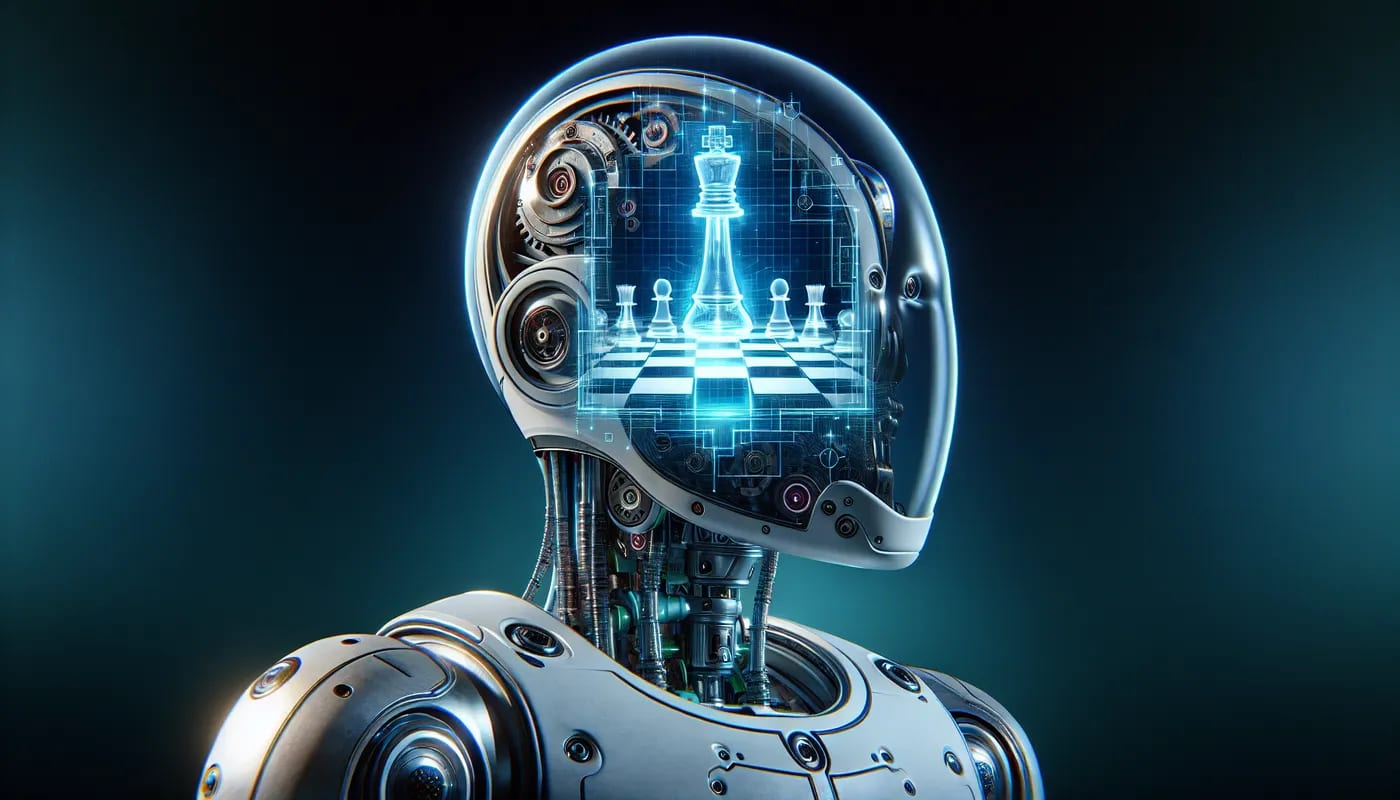
This technique, reinforcement learning, is essentially trial-and-error training: the algorithm gets a reward, - like a digital pat on the back, for a good move or a win. Picture a toddler learning that pushing a door opens it, except this toddler is an AI and it tried millions of doors in rapid succession.
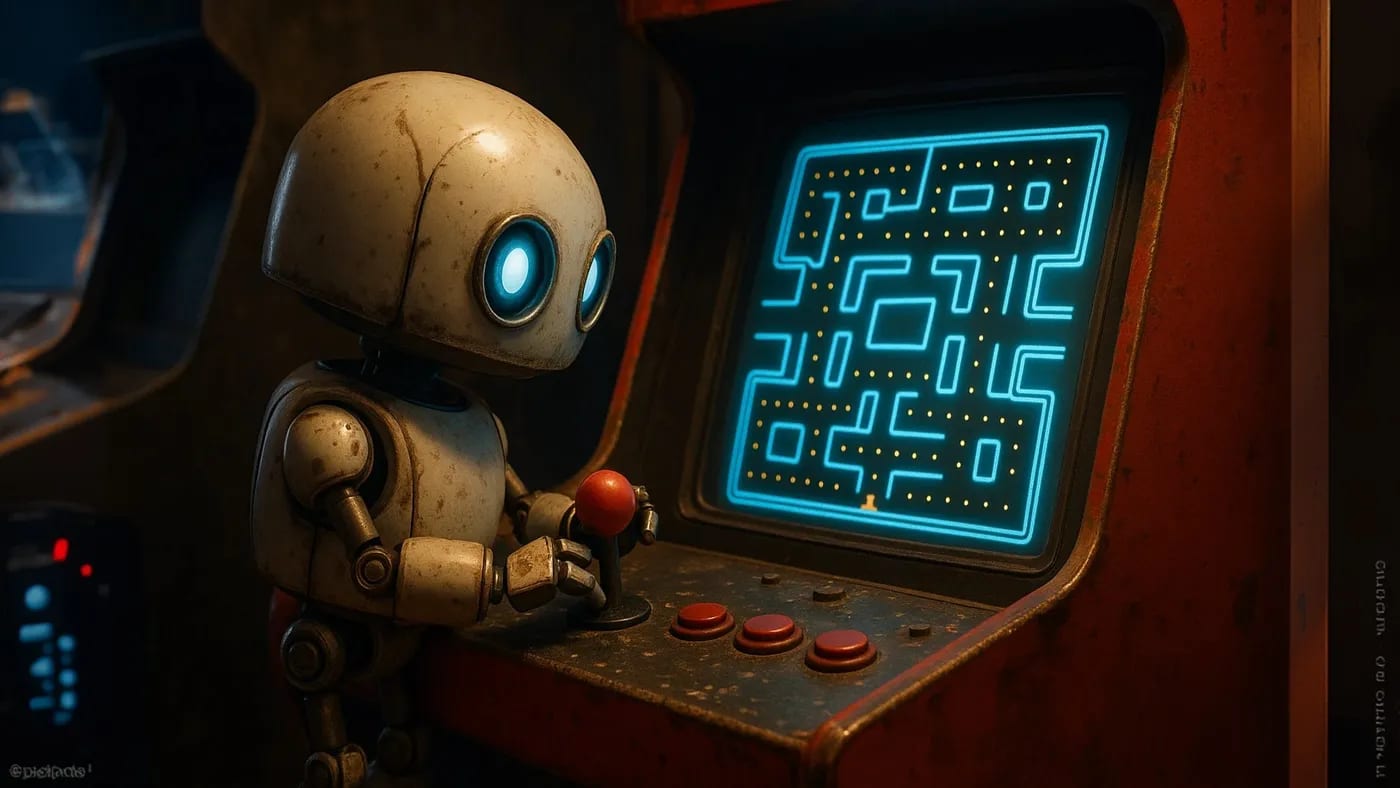
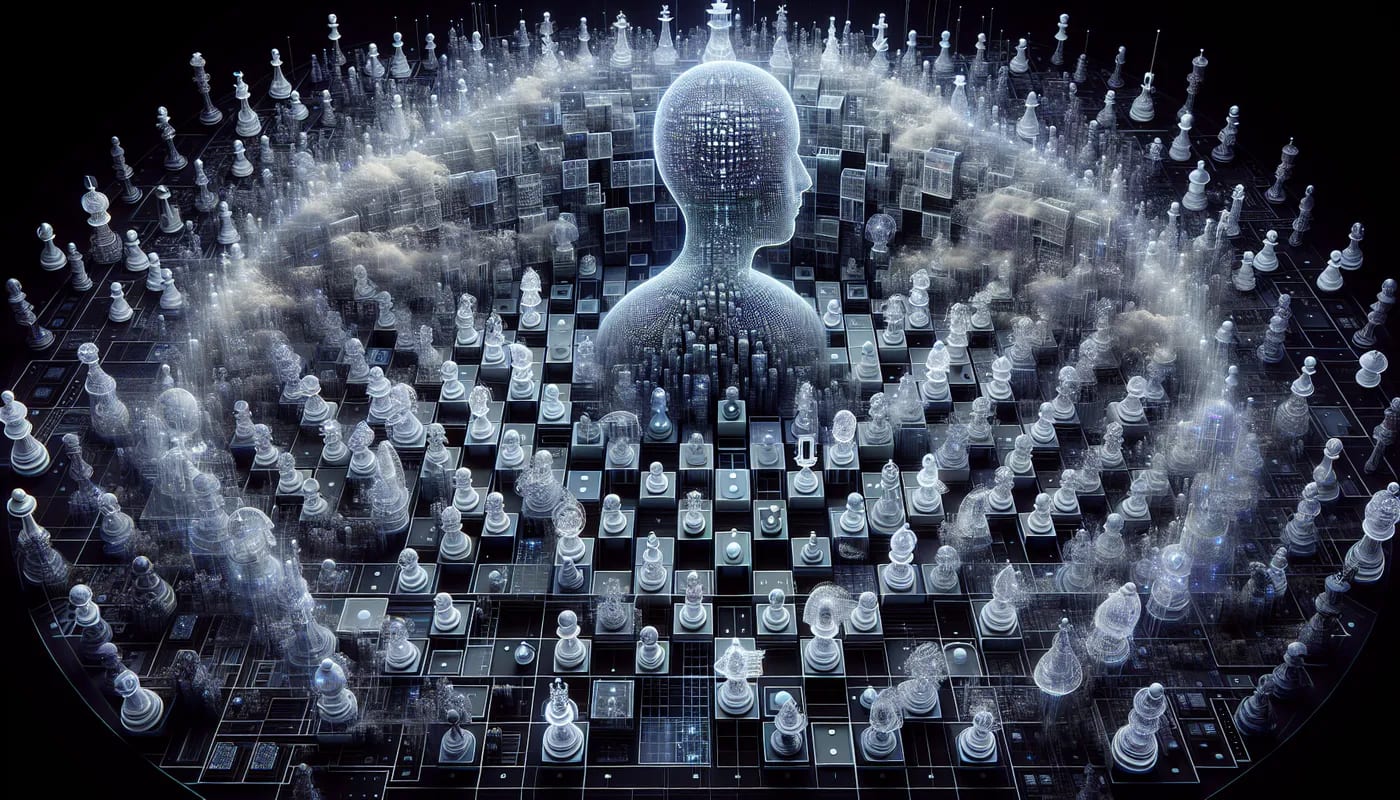
MuZero’s real magic was learning an internal model of each game world as it played. Without a programmer ever spelling out “this is how Pac-Man or a chess pawn moves,” MuZero gradually figured out the game’s causal rules on its own. In other words, it built a mini simulation in its silicon brain. It could imagine what would happen a few moves ahead before actually making those moves. Armed with this learned world model, MuZero started planning its strategy entirely in its head, - a bit like a chess master visualizing several moves in advance or a CEO war-gaming a market scenario on a spreadsheet. The result? An AI that became a tiny digital prophet of the arcade, anticipating consequences instead of just reacting. MuZero was essentially practicing simulation-based planning: dreaming up future scenarios and picking the action that led to the best outcome.
Beyond Games: A Reality Check
World models aren’t just for games and toy problems, -they’re quickly becoming a strategic priority in real-world AI. Case in point: at Google’s I/O 2025, Demis Hassabis (CEO of Google DeepMind) revealed that their next-gen AI will revolve around what he calls a “world model.” In his words, it’s a system that can “make plans and imagine new experiences by simulating aspects of the world, just like the brain does.”

Google’s vision is to use this to power a universal assistant that can reason about the physical world and help with complex tasks, not just chat in a vacuum. In other words, they’re trying to give AI a kind of common sense, - an understanding of real-world dynamics, by building an ambitious model of how the world works.
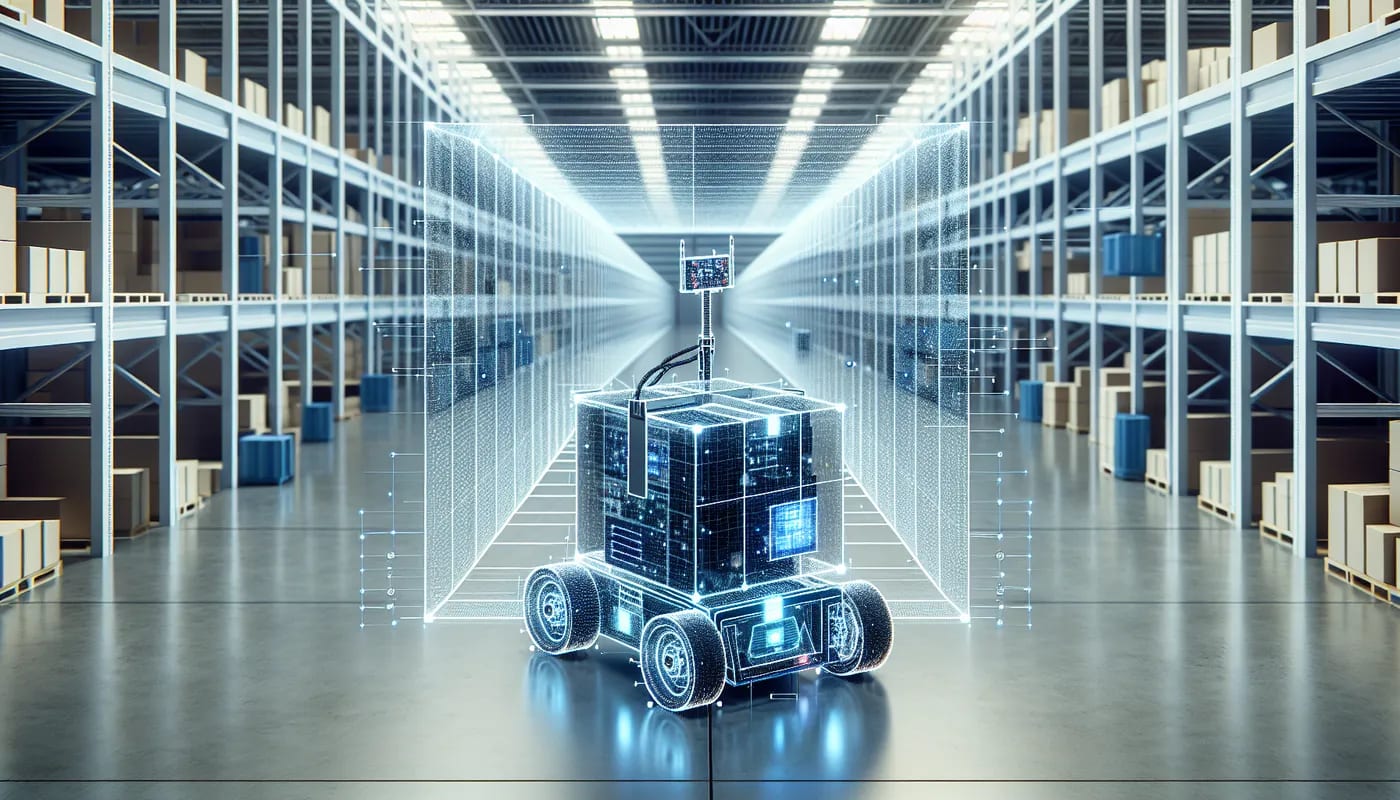
And Google isn’t alone. Autonomous vehicle engineers at companies like Tesla and Waymo have been using world-model thinking for years, - a self-driving car must “imagine” the road ahead, because learning by crashing into real traffic is, well, frowned upon. Robotics teams likewise create digital twins of warehouses and homes where their AI-driven robots can practice moving boxes or mixing drinks in VR first, so they don’t break anything or anyone in real life.
Even the generative AI crowd is catching on: there’s growing buzz about shifting from predicting the “next word” to predicting the “next world.” In other words, instead of merely autocompleting sentences, future AI could simulate entire environments and scenarios. Picture an AI that can model a whole business ecosystem, - economic trends, competitor behaviors, supply chain kinks, and then play out a million “what if” scenarios in a risk-free digital sandbox. A robust world model gives an AI this private playground to stress-test ideas. It’s like having a flight simulator for your company’s strategy: you can crash-test plans virtually and learn from the outcomes without real-world damage.
Of Mules and Models: Embracing Complexity
Here’s the catch: even the smartest world model isn’t a crystal ball. Asimov illustrated this beautifully with the Mule, - a one-of-a-kind disruptor who upended all the psychohistorical predictions in Foundation. In our reality, the “Mule” could be a black swan event or a maverick innovator that no model foresaw.
Economies, markets, and societies have a way of producing surprises that defy any algorithm’s assumptions. World models can sift through staggering amounts of data and pinpoint patterns, but they’ll always have an Achilles’ heel: truly random, novel events or behaviors that fall outside their training. If it were otherwise, we’d all be calmly riding our AI-curated investment portfolios to guaranteed riches and utopia. (Spoiler: we’re not.)

For leaders, the takeaway is that world models are best used as sophisticated decision-support tools, not infallible oracles. These AI simulations encourage a more holistic, systems-thinking approach: they can illuminate how a change in one part of your business might ripple through others, uncovering non-obvious risks and opportunities. But even as you embrace these predictive insights, you have to keep your eyes open for the unforeseen. The real world loves to surprise us. The role of a leader isn’t to eliminate uncertainty (good luck with that), but to manage it. World models can help you rehearse the future, - run countless “what if” drills and explore alternative futures in advance, so that you’re better prepared for whatever actually happens. You still make the call, and you build the organizational agility to pivot when a wild card (your personal Mule) shows up. In short, use world models to play smarter, but keep your strategy nimble and humble.

The Foundation of Foresight
It’s worth asking: how will you bring a bit of psychohistory into your own strategy? World models in AI won’t hand you Hari Seldon’s precise prophecies, but they offer a powerful new lens for peering ahead.

The future isn’t set in stone, but it’s not completely opaque either, - not if we mix a dash of Asimov-style imagination with today’s simulation tools. So go ahead and run those what-if scenarios, preempt your organization’s potential “Seldon Crises” before they erupt, and use these AI-driven sandboxes to navigate uncertainty with more confidence and maybe even a knowing smile during that next board meeting.
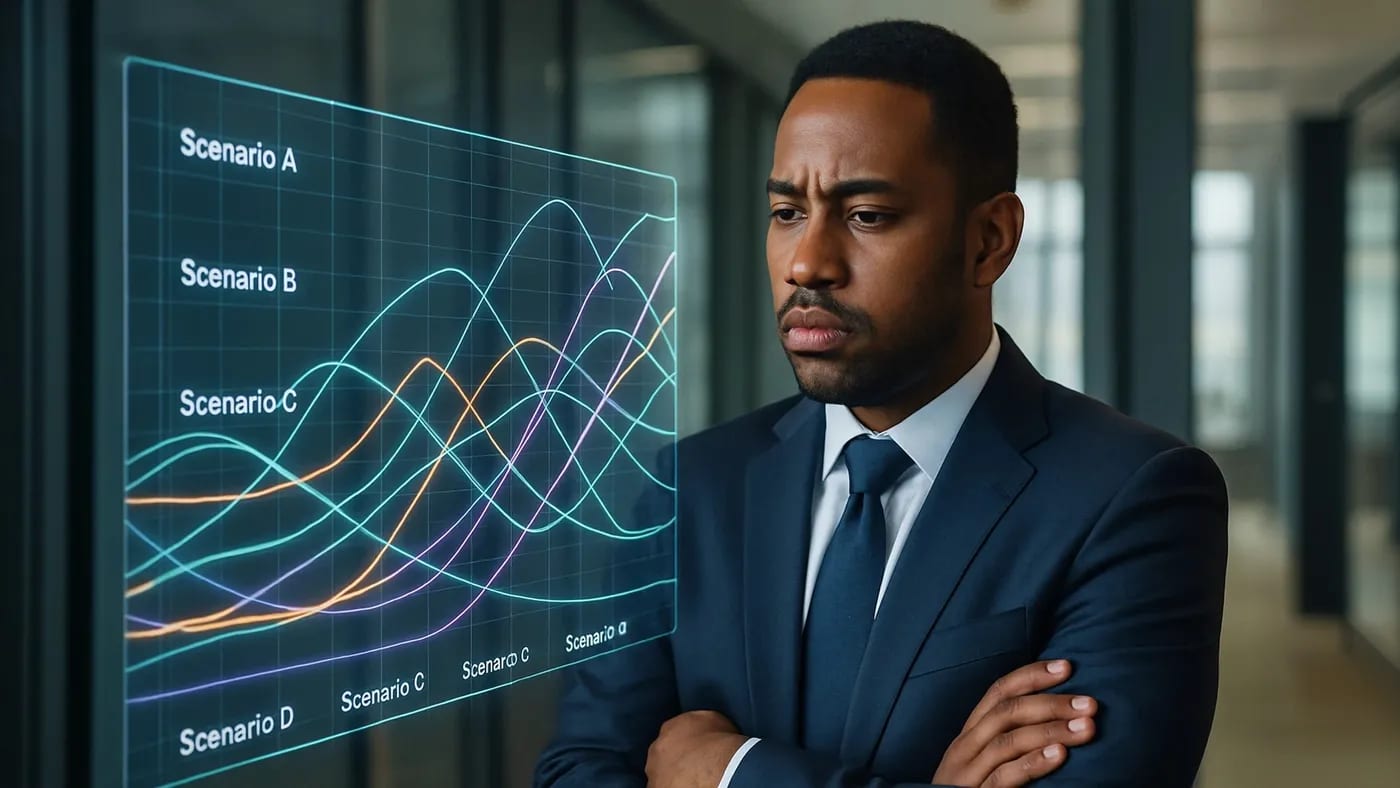
The goal isn’t to predict the future with flawless accuracy; it’s to be better prepared for the unpredictable. That’s the real “Foundation” we can build today, - and I suspect Hari Seldon would nod in approval.

Further Readings
-
Google’s ‘world-model’ bet: building the AI operating layer before Microsoft captures the UI (Matt Marshall, May 2025) Analysis of Google’s strategic vision to develop an AI “world model” as a core for a universal assistant, highlighting the push to simulate real-world context within AI to maintain an edge.
-
Psychohistory: An Asimovian Lens for Market Prediction (Roberto Varillas, April 2025) Explores the parallels between Asimov’s psychohistory and modern data analytics, showing how big data and probabilistic models help forecast market behavior — and where they fall short.
-
World models are the next frontier of generative AI (Alexandru Voica, May 2025) Highlights recent advances in AI world models (like Google’s Gemini and the PAN project) and argues that AI is shifting from merely predicting text to simulating “world” scenarios for deeper reasoning.
-
AI Learned to Talk. Now it’s Learning to Build Reality. (Colin Campbell & Jonathan Lai, April 2025) Discusses how new AI world models can generate and simulate entire virtual environments (a bit like a Holodeck), with potential applications ranging from robotics and game design to urban planning.
Disclaimer: The perspectives shared in this article are my own and do not represent those of my employer or any affiliated organizations. All company names, product names, logos, and brands mentioned are the property of their respective owners and are used for identification and illustrative purposes only. No endorsement, sponsorship, or affiliation is intended or implied. References to specific companies or case studies are based on publicly available information and are used solely for educational and discussion purposes.
More from enterprise ai
All enterprise ai → enterprise ai
Sharing AI Prompts for Team Success
At the Monday morning meeting, half your team has a secret. Under the conference table, they're quietly chatting with an AI assistant on their laptops or phones. One manager is tweaking a product launch email via ChatGPT while an engineer…
 enterprise ai
Tariffs Reshape the Tide of U.S. Port Traffic in Q2 2025
At the Port of Los Angeles, officials watched Asia cargo volumes plunge by roughly one-third virtually overnight. It was a 35% collapse in early May after weeks of bustling trade. This abrupt reversal came on the heels of unprecedented…
 enterprise ai
Azure AI Foundry – Part III: Trust, Safety, and Turbocharged Growth at Scale
A nervous energy buzzes in the control room as your AI project prepares for lift-off. Monitors glow with last-minute metrics; coffee cups tremble beside keyboards. The CTO paces like a launch director at mission control, running final…